Finding Inspiration in Someone Else’s Closet
As the dust settled on their latest presentation atop La Maison des Métallos, the triumphant husband-and-wife duo behind Ernest W. Baker, Inês Amorim and Reid Baker spoke to us about the brand’s founding mythology in its simplest form as an idea of taking from a grandfather's closet, Baker’s to be exact. It’s an origin story that simultaneously presents a design challenge; one the label has been working through, season by season, since its formation in 2018. How do you build something of your own out of someone else's life? How do you carry a name that isn't yours into a room full of people who've never met the person it belonged to?
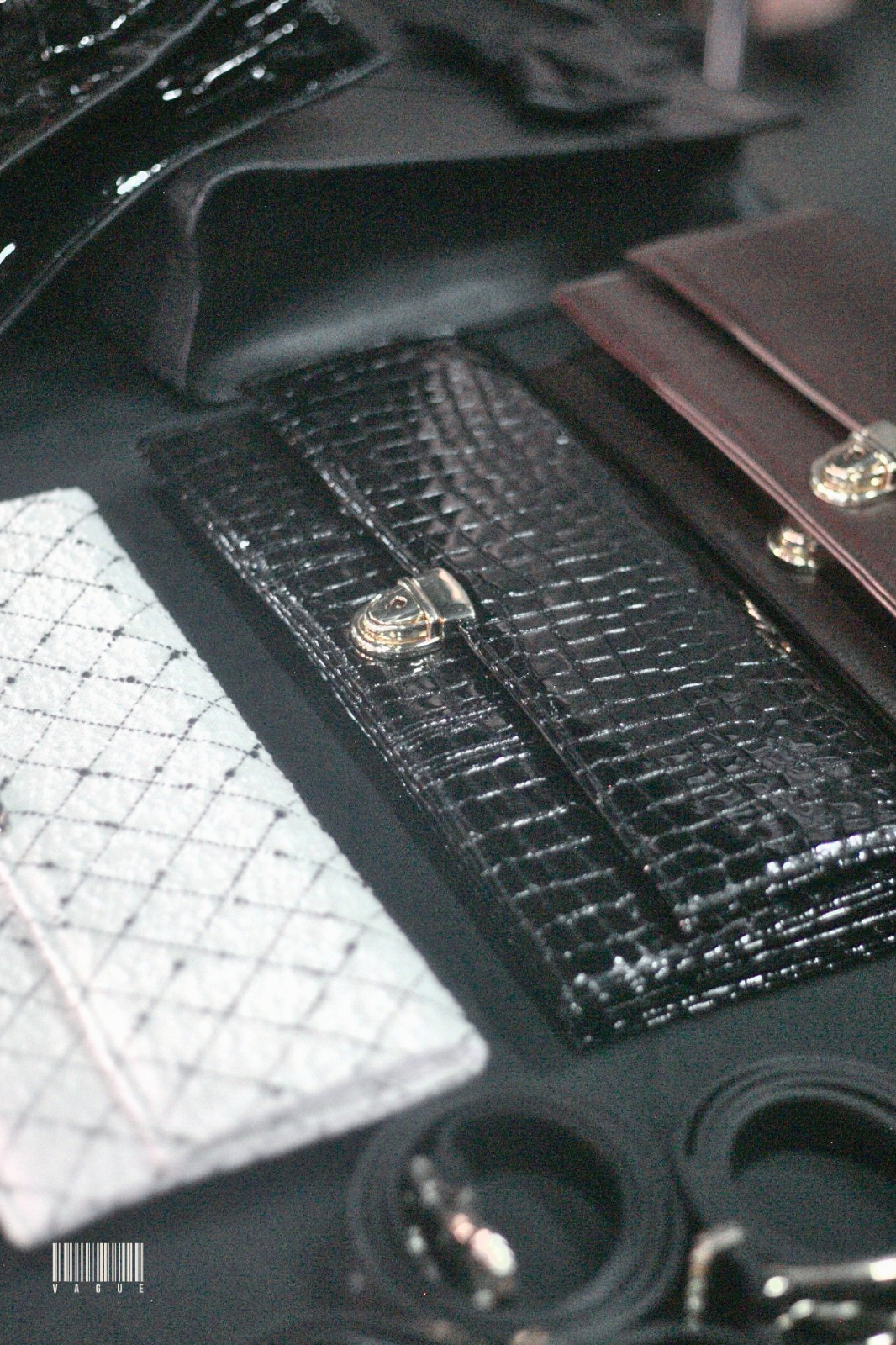
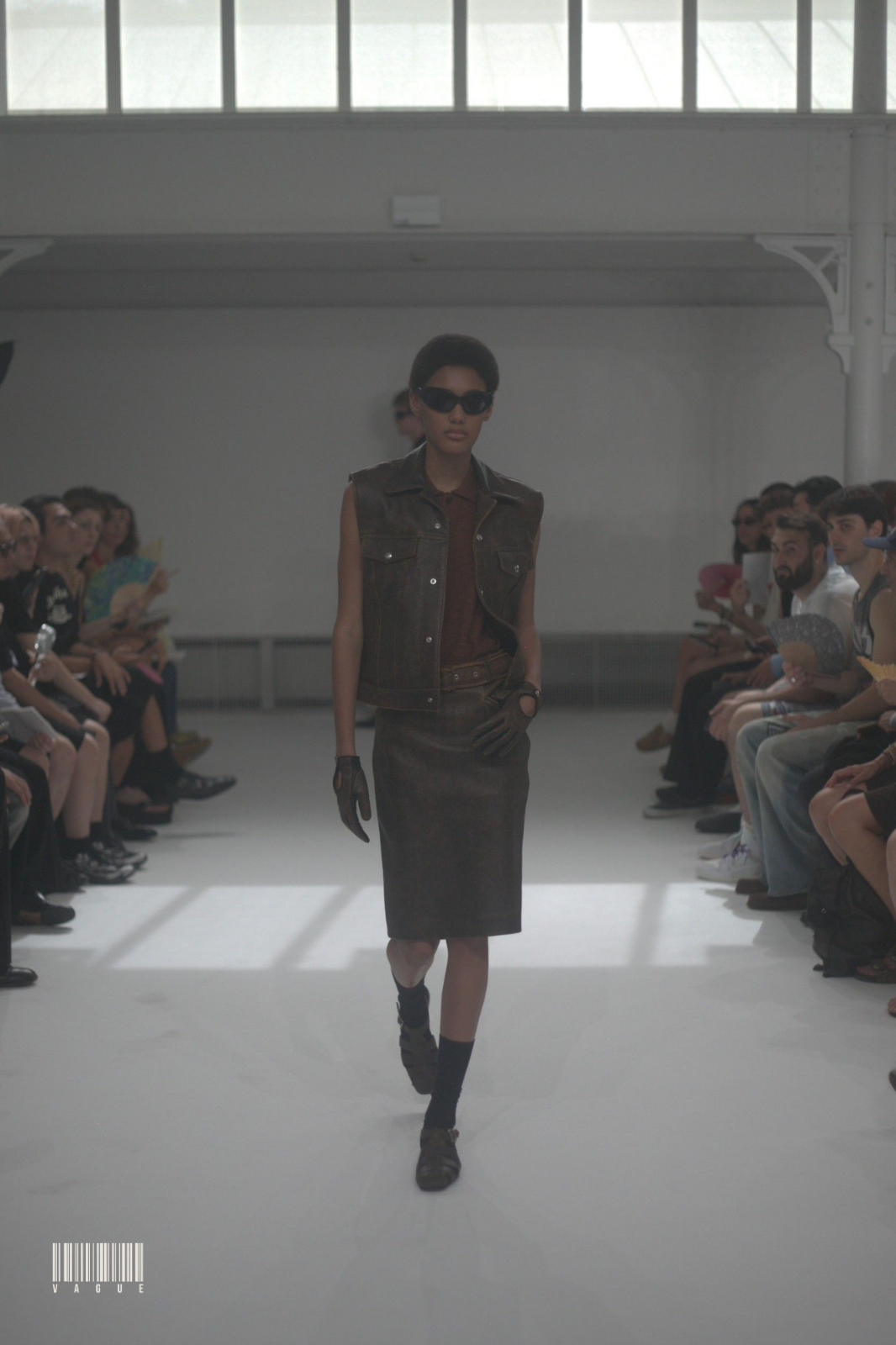
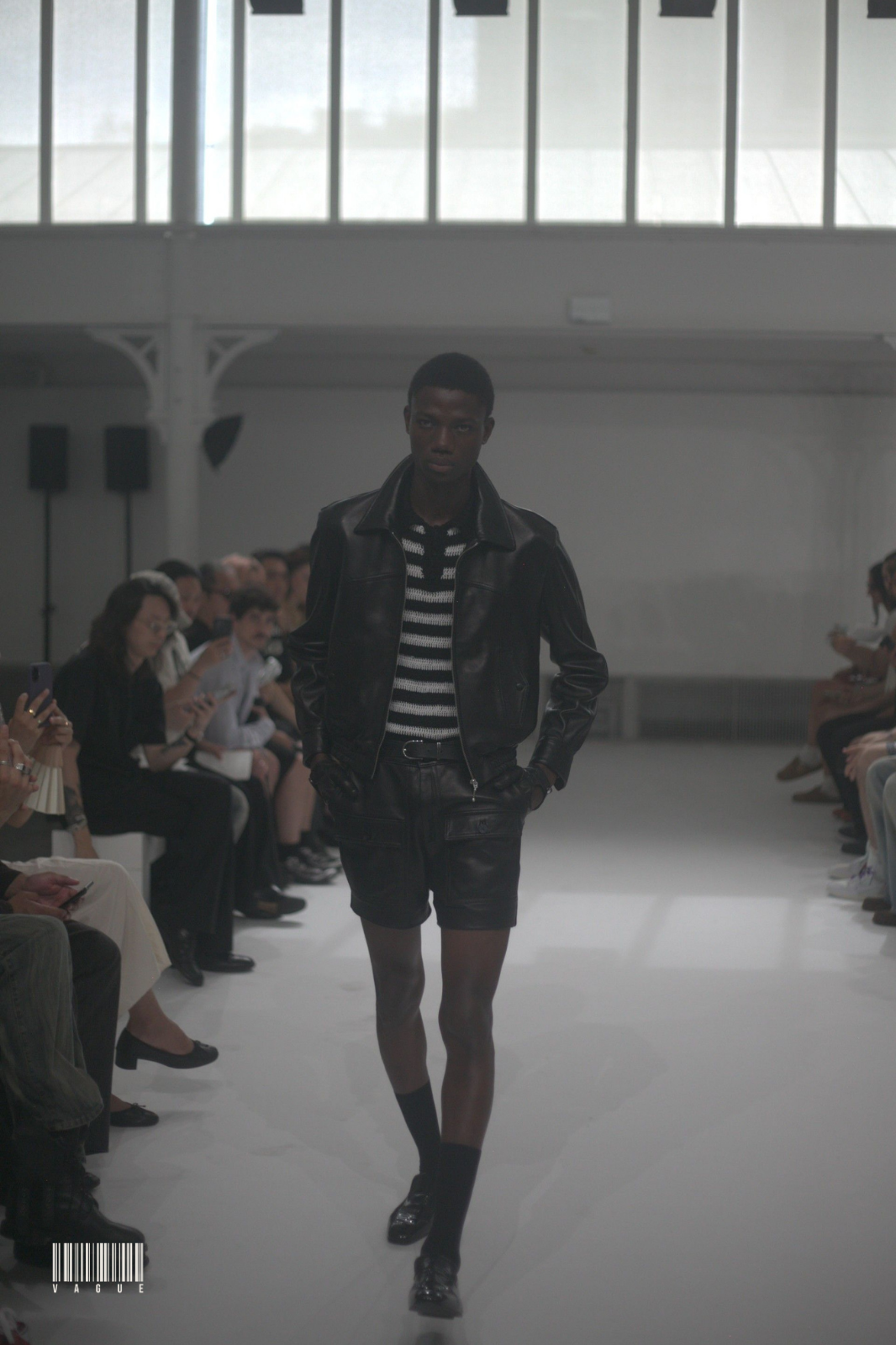
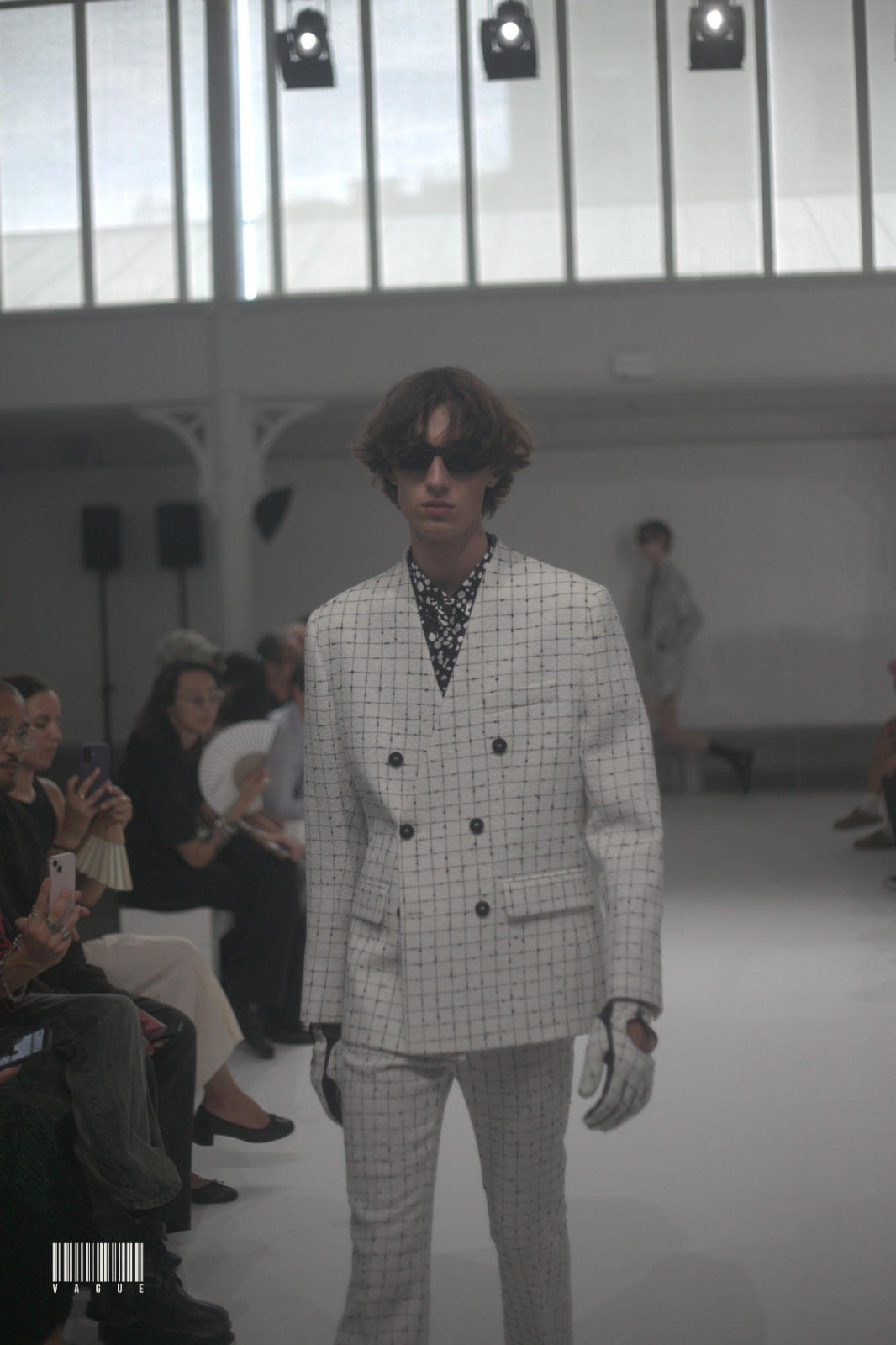
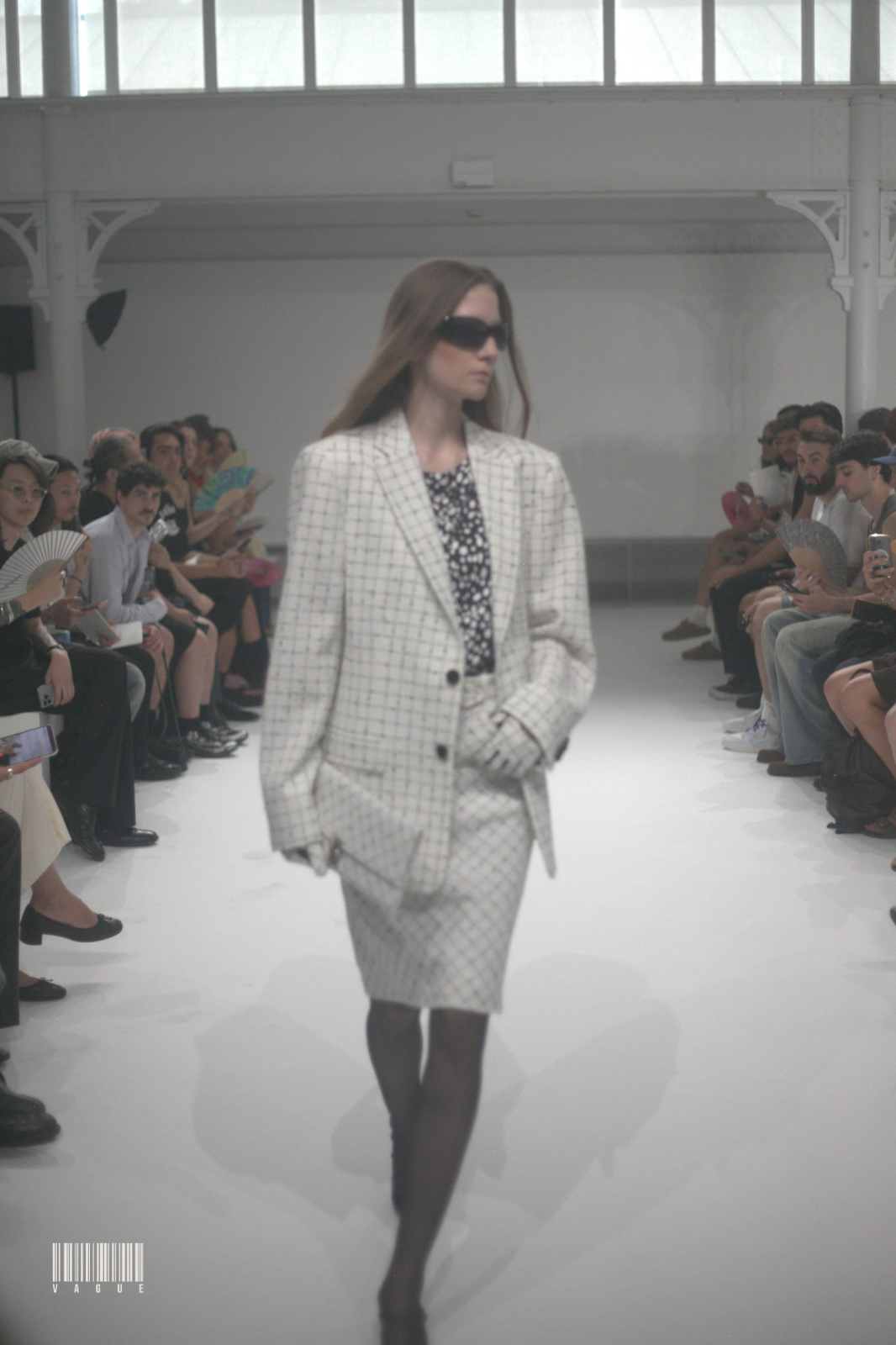
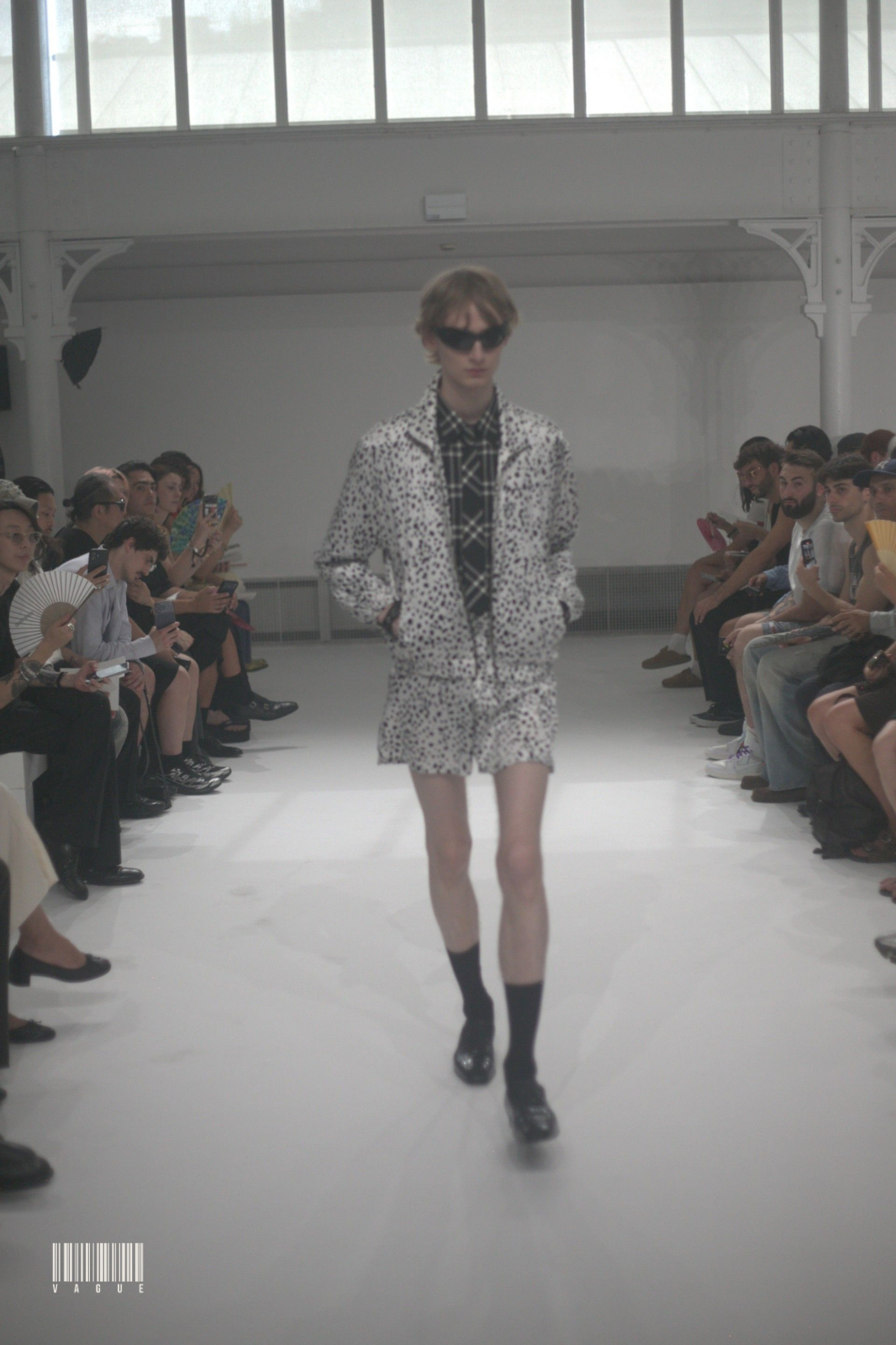
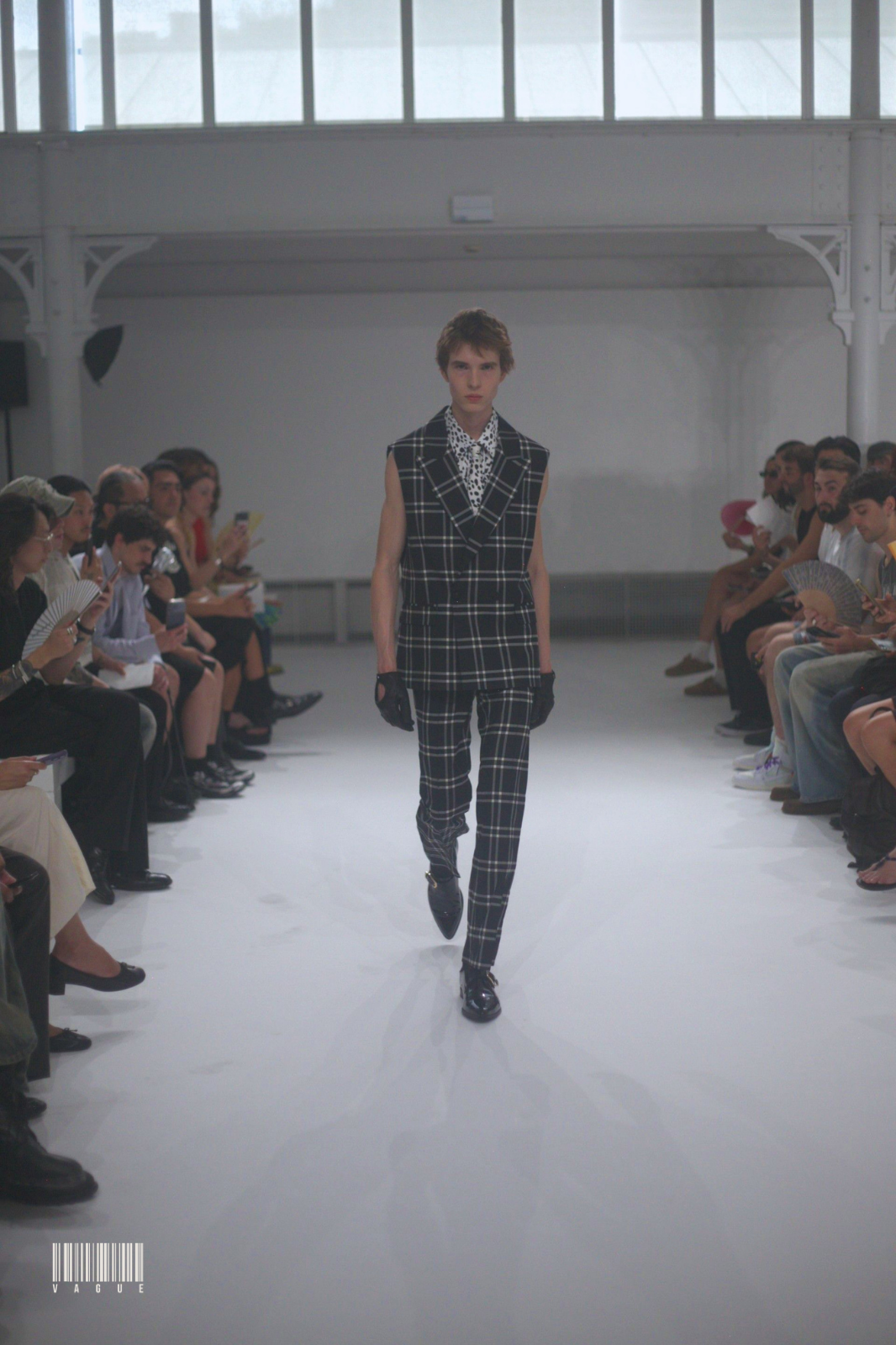
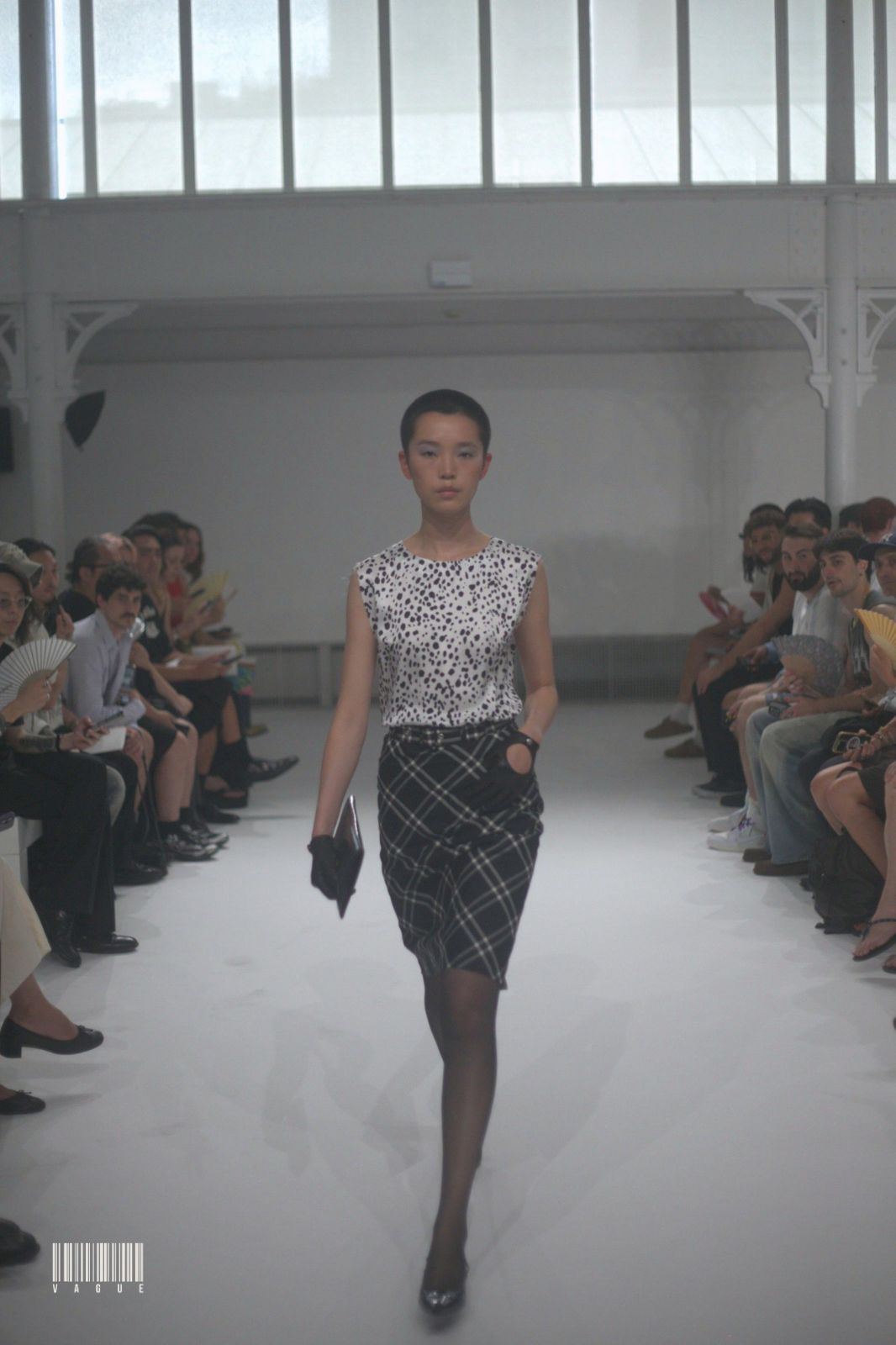
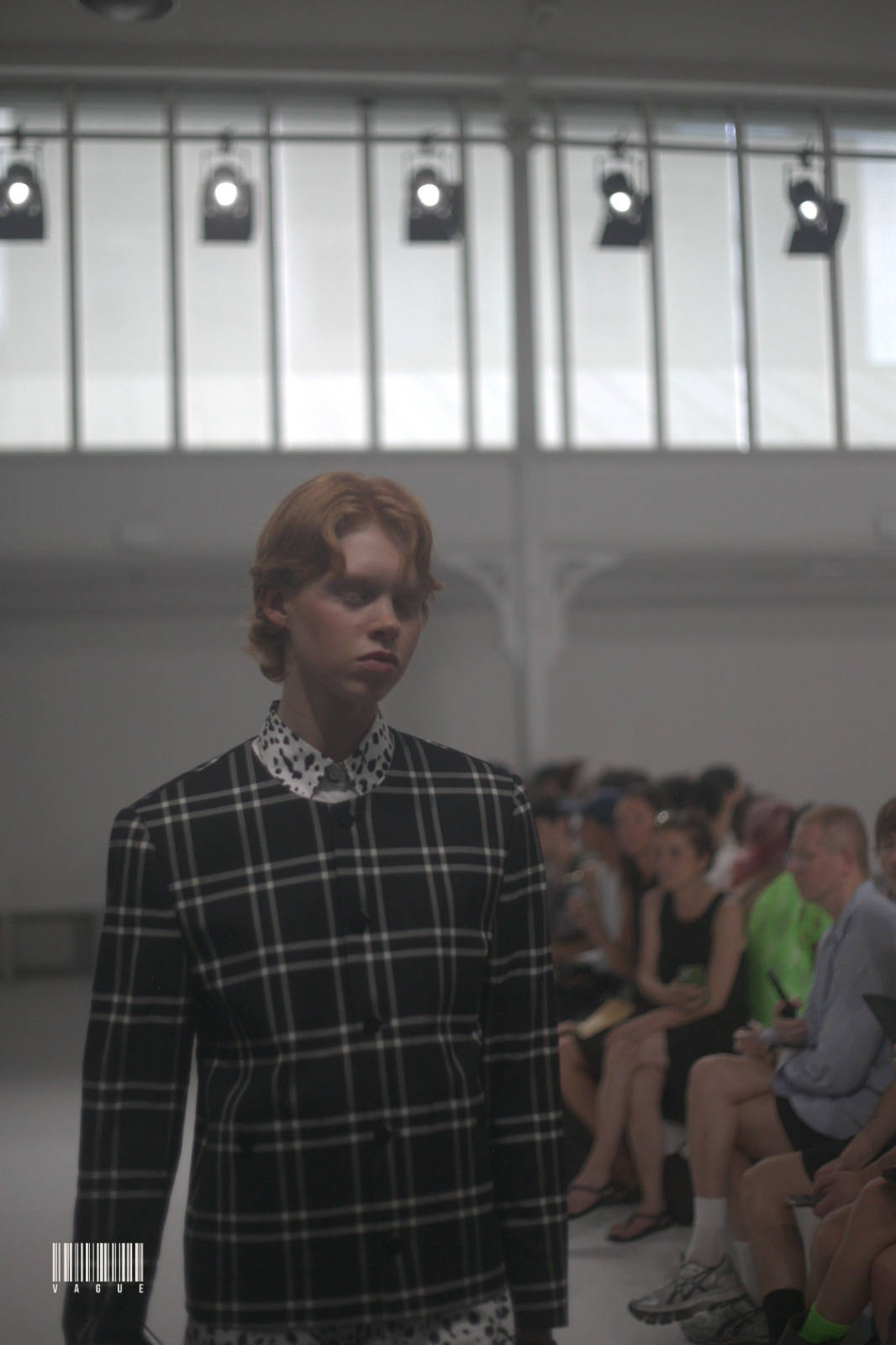
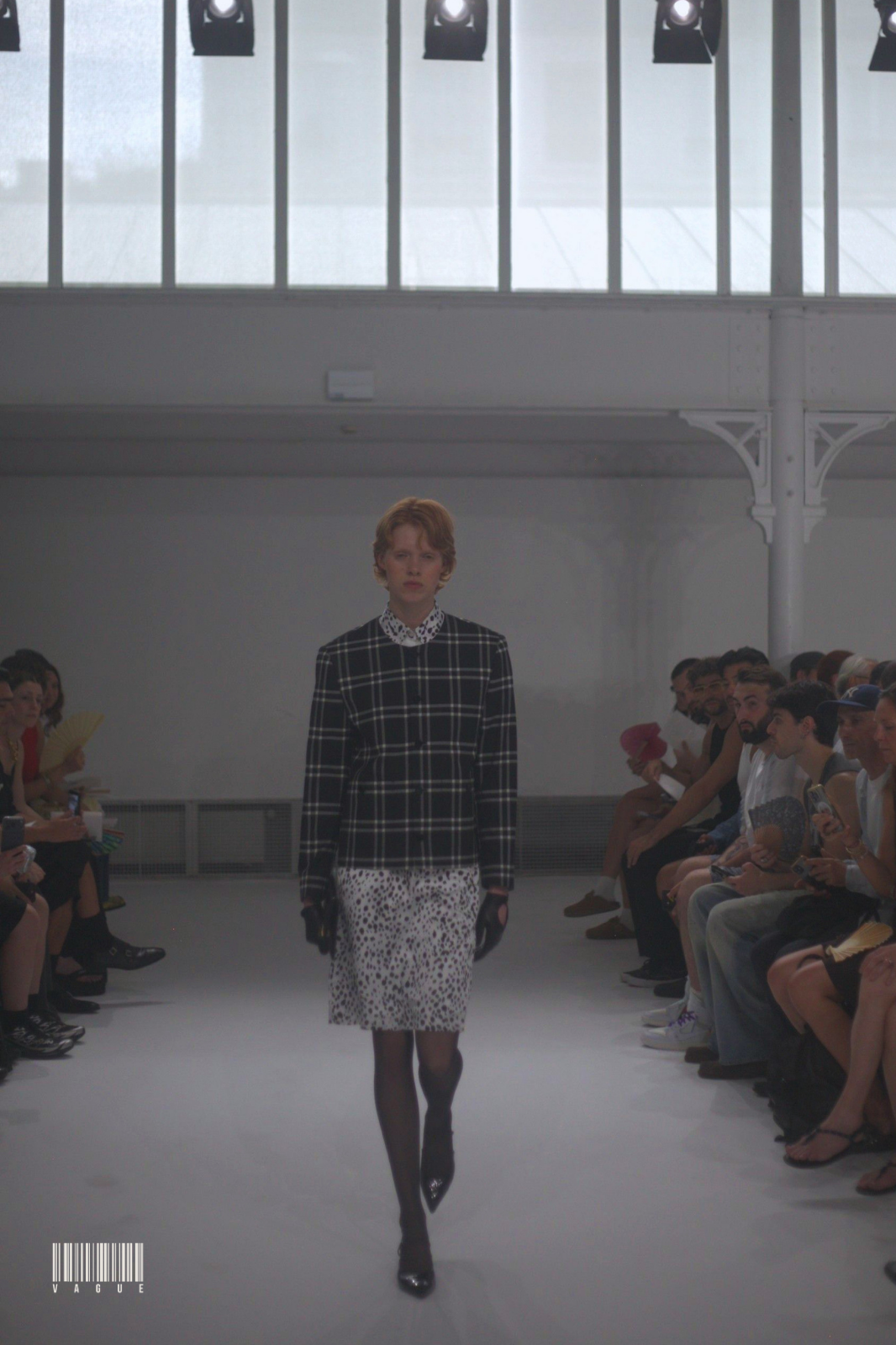
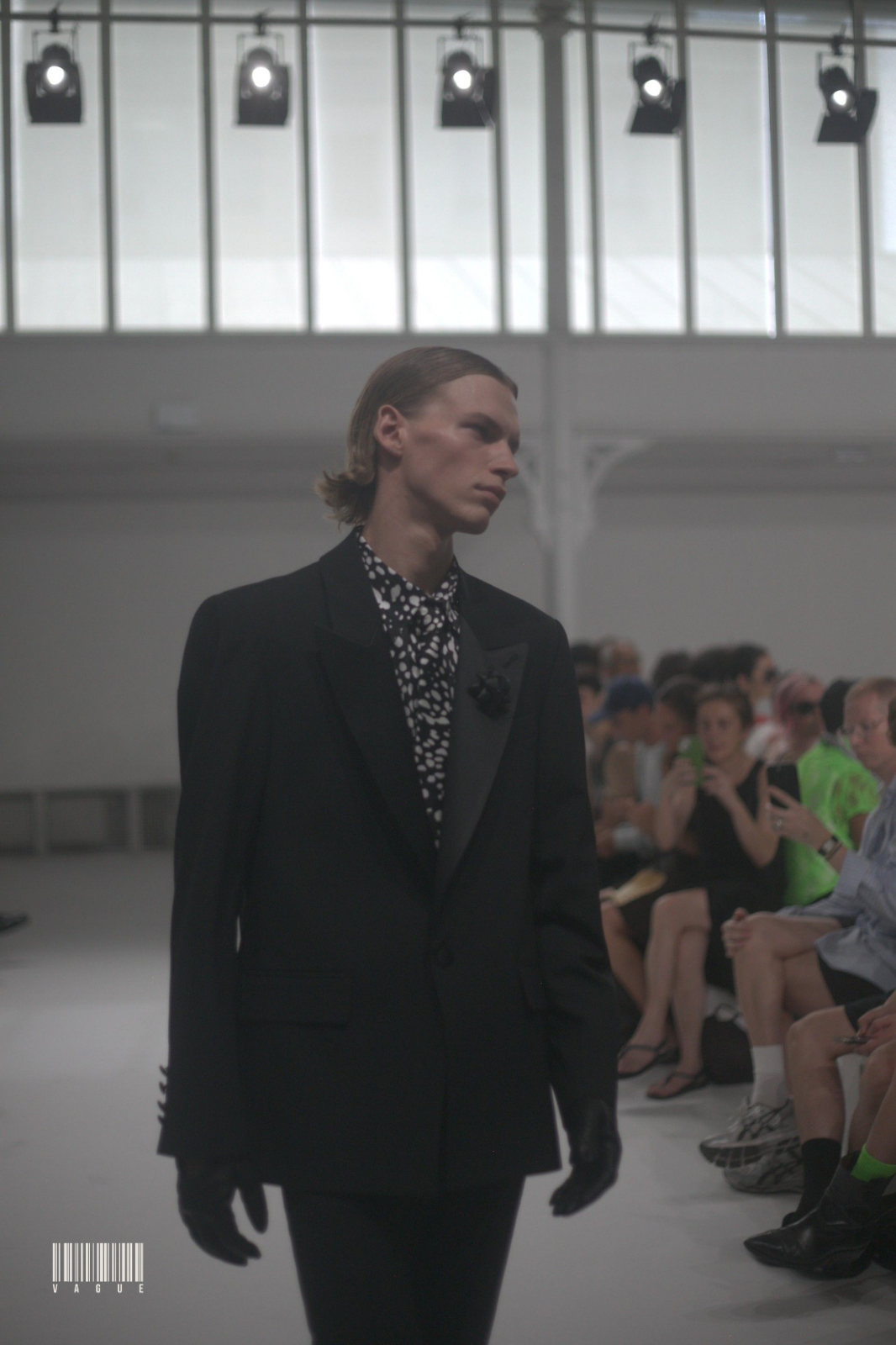
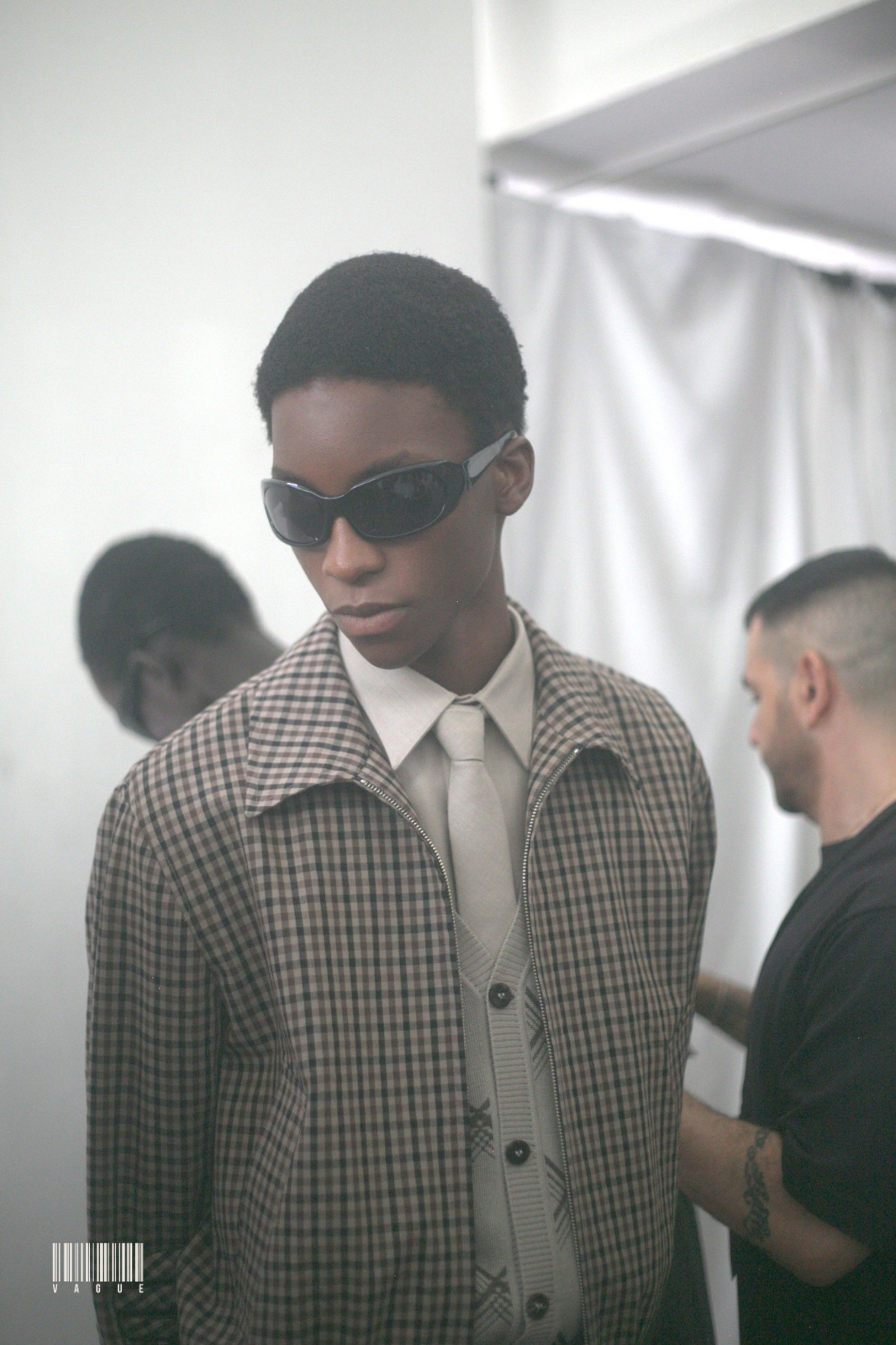
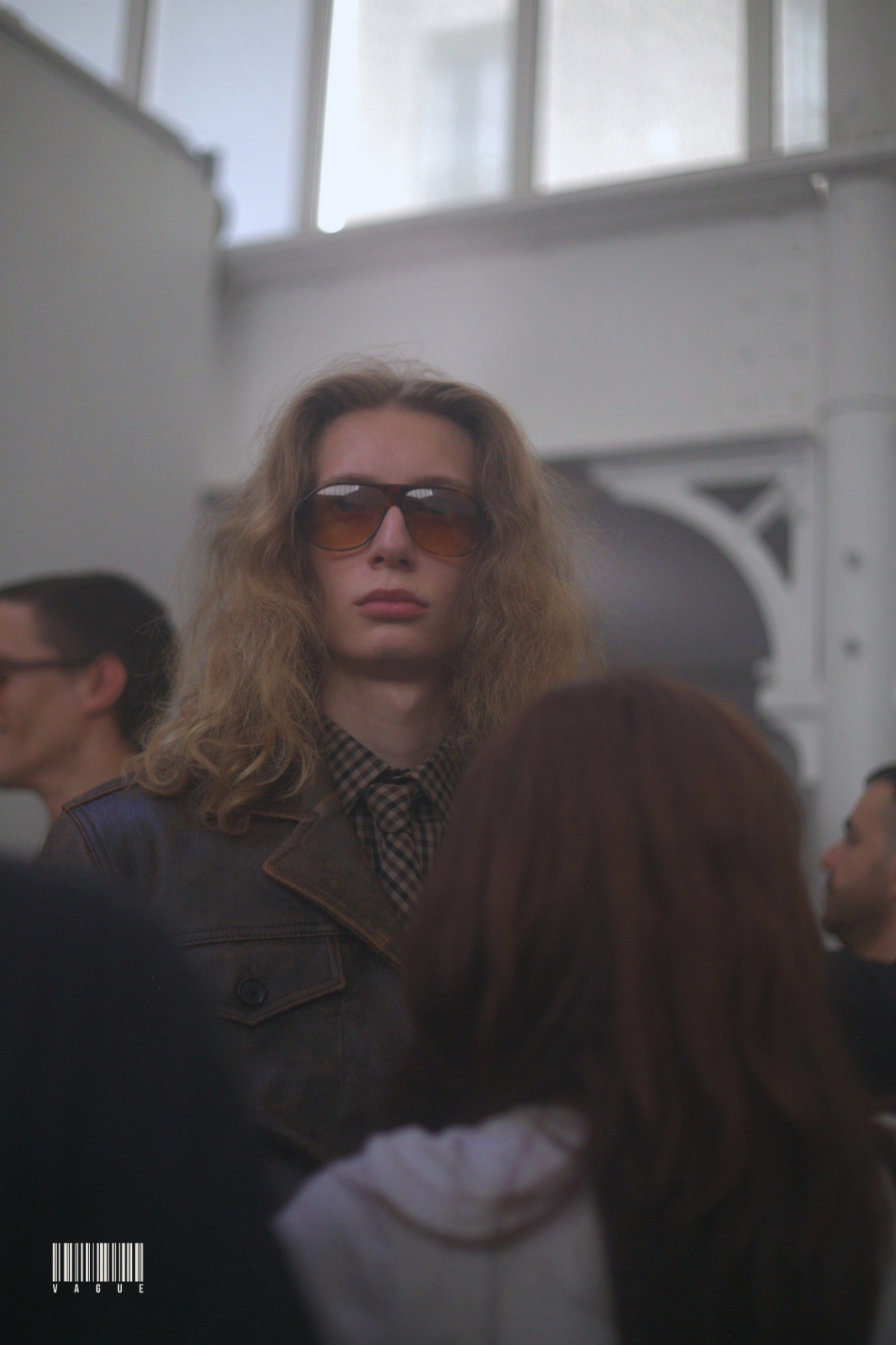
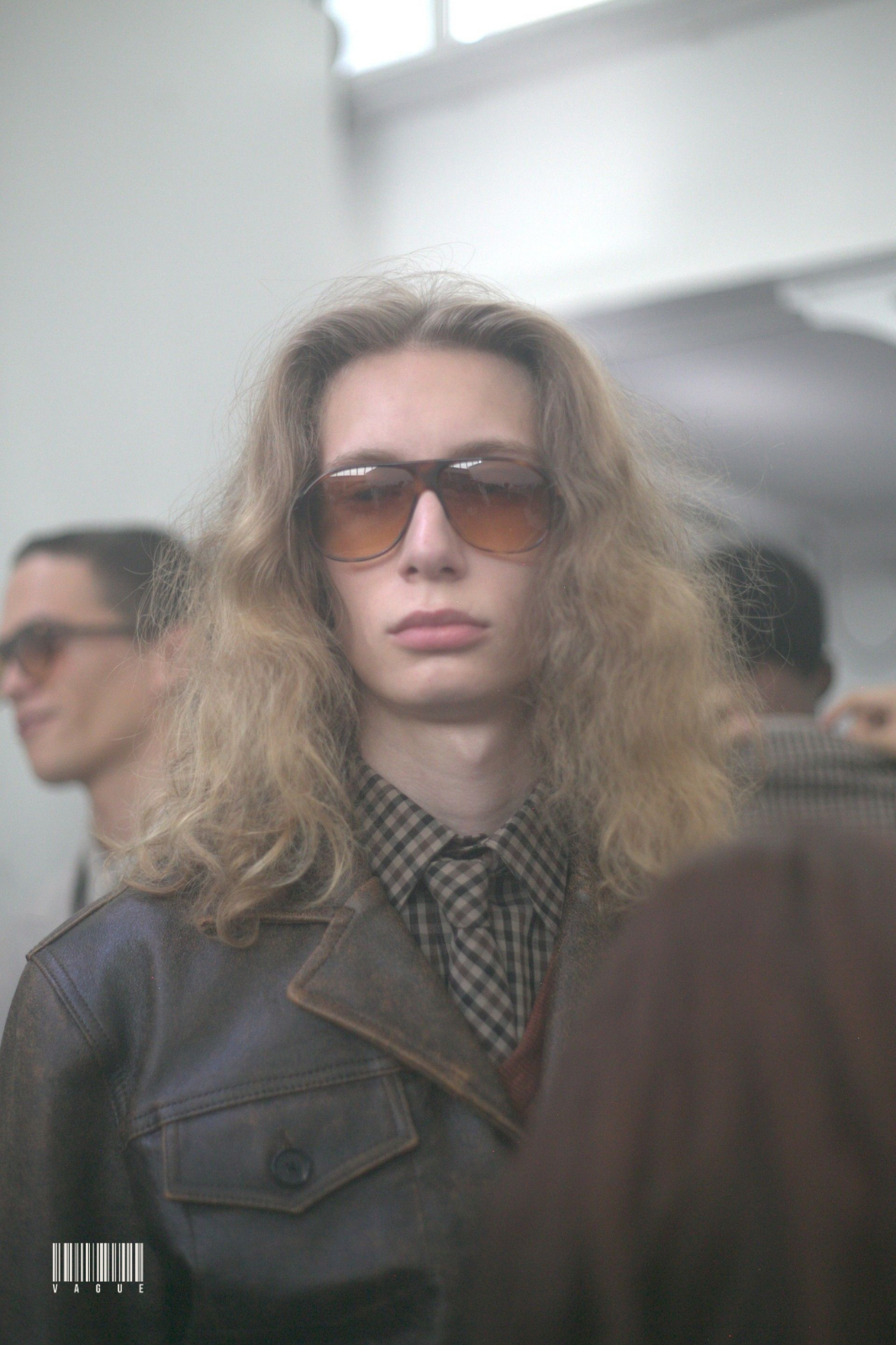
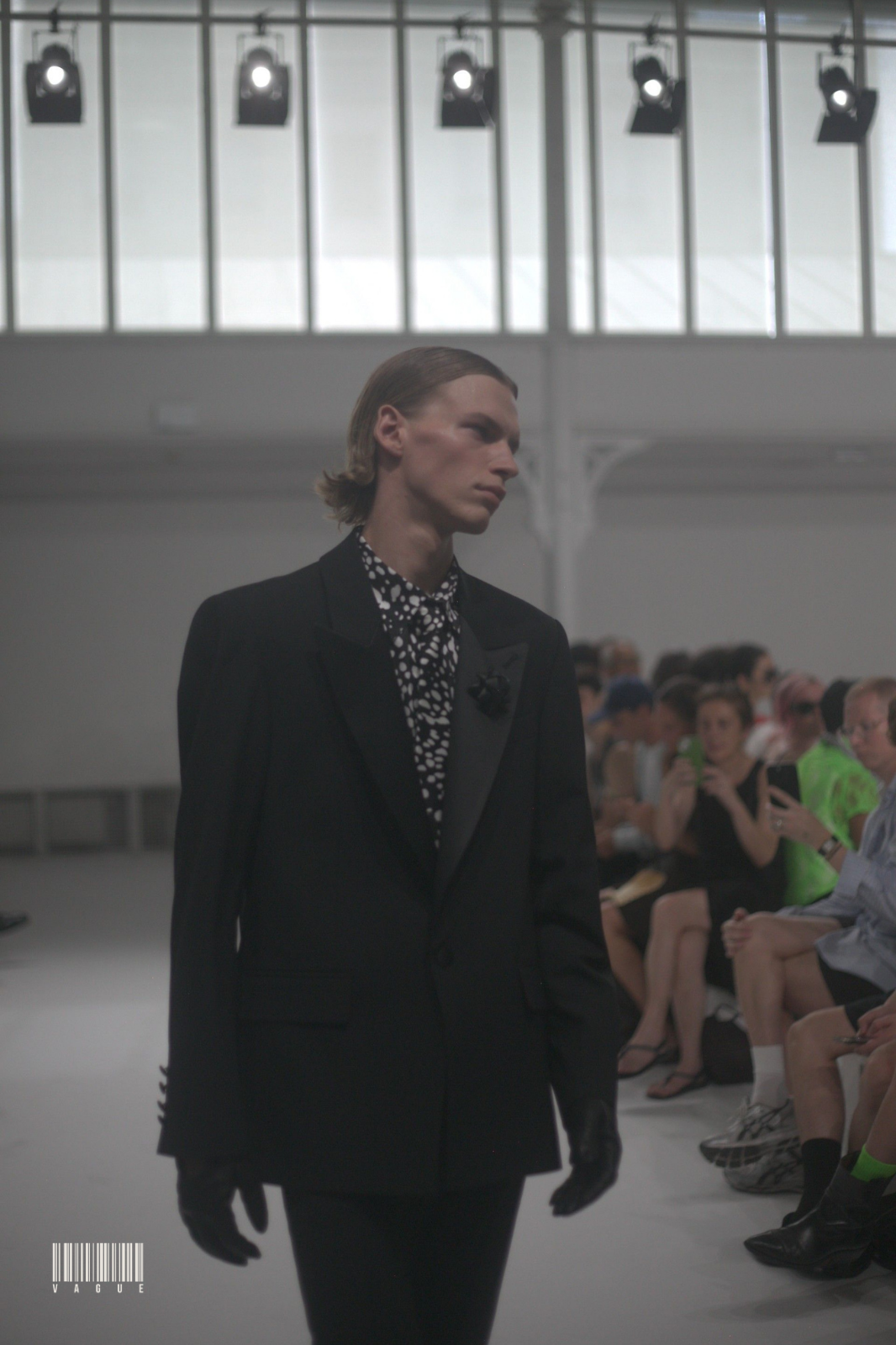
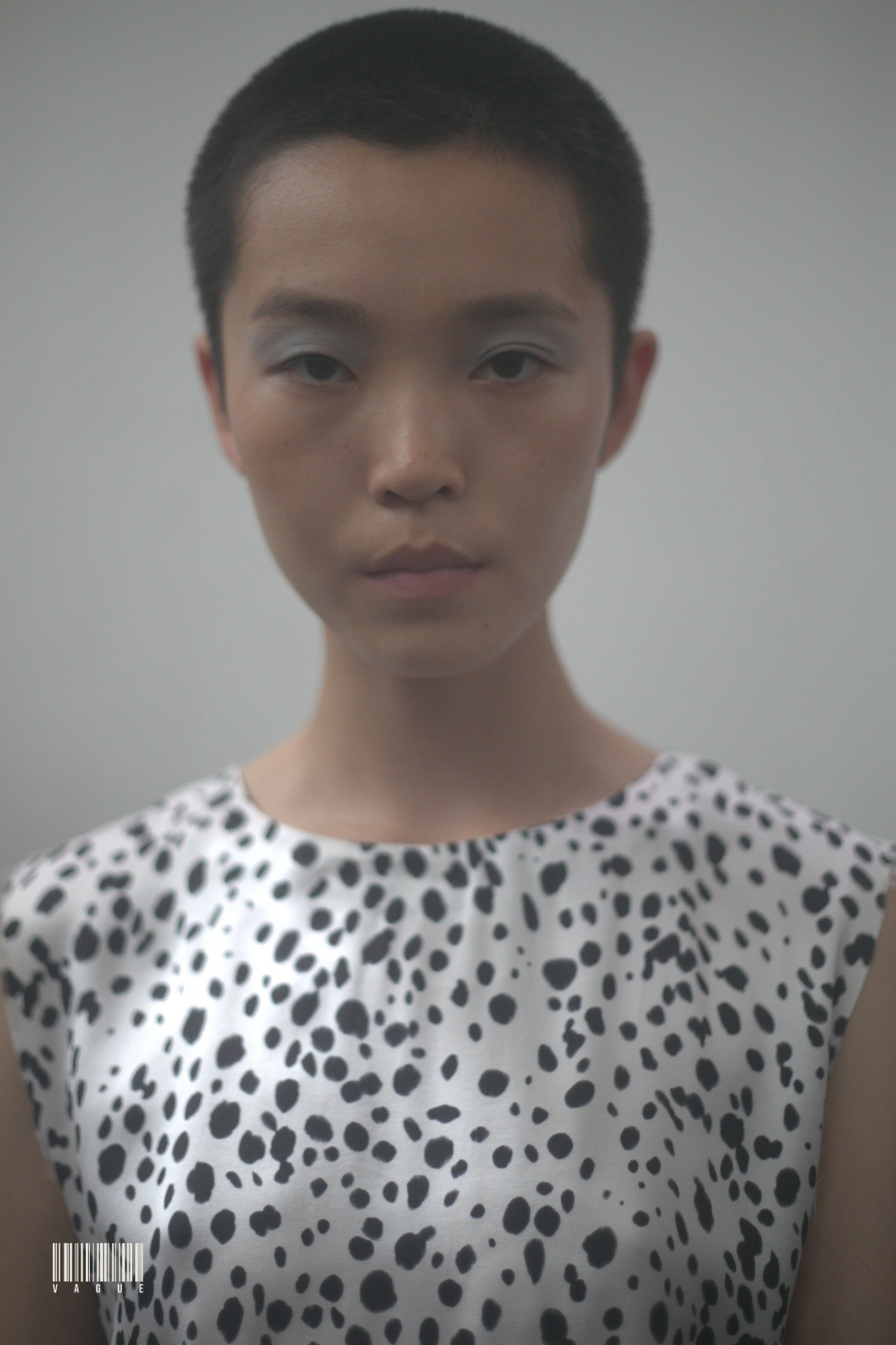
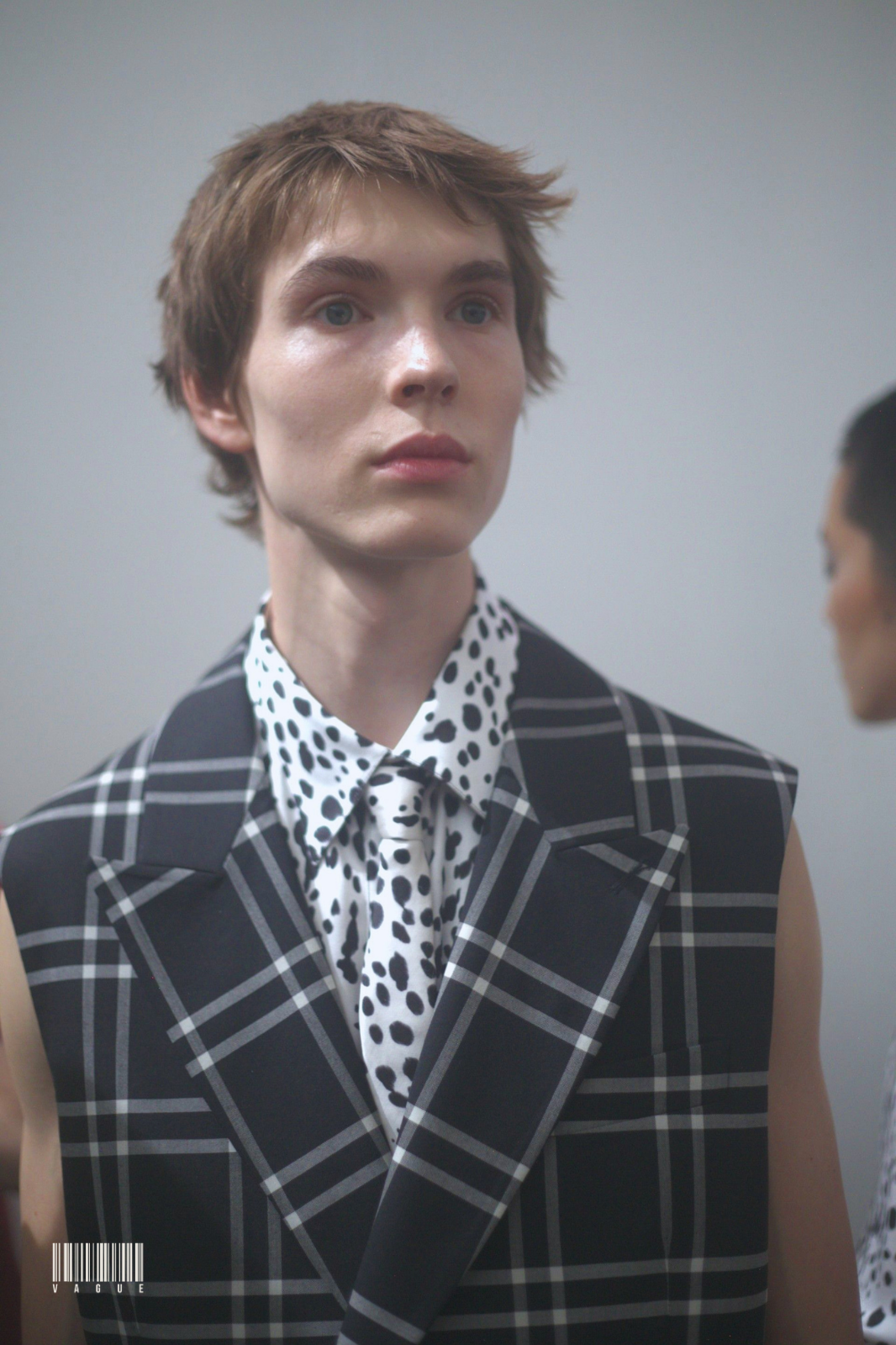
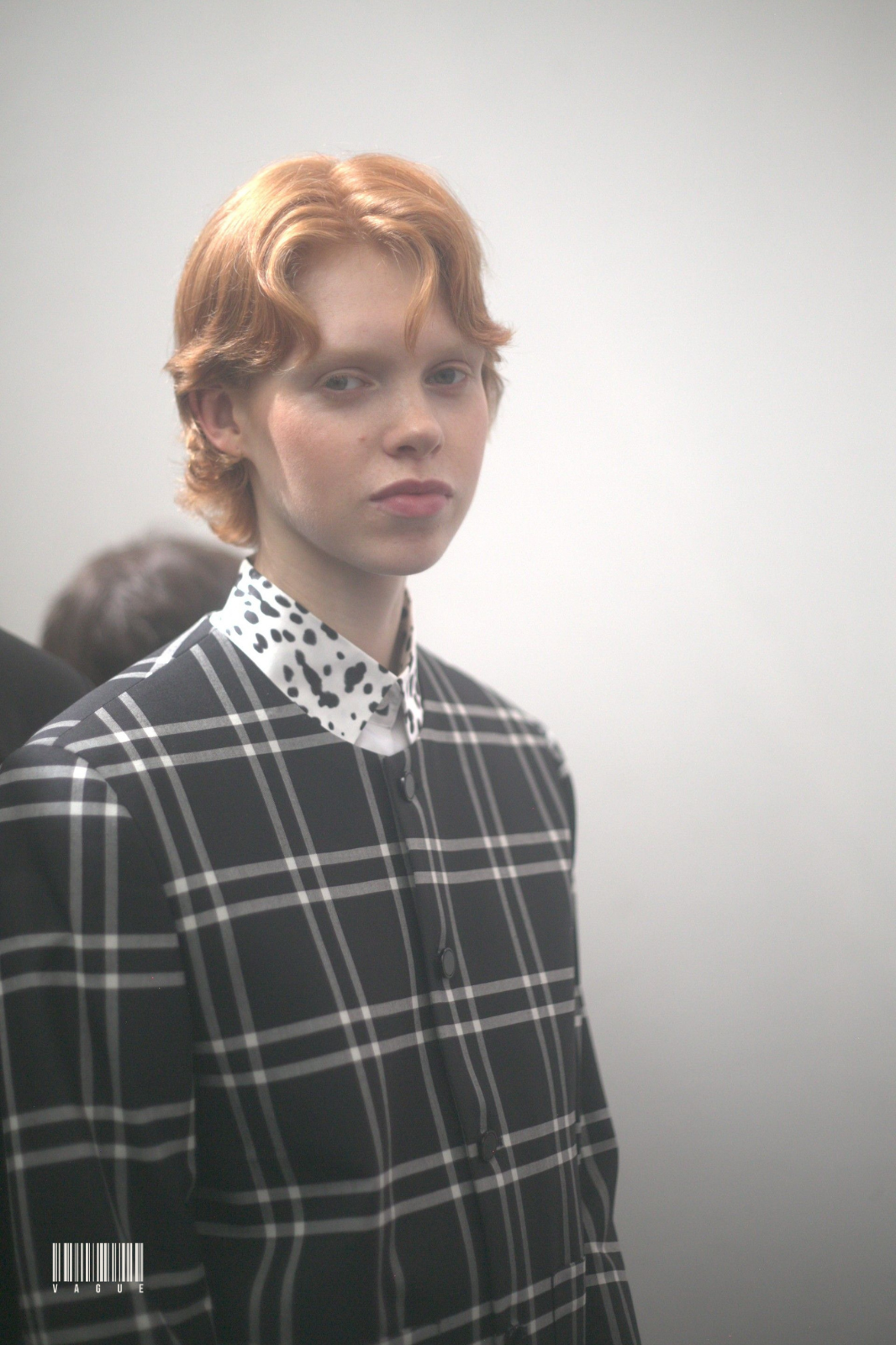
SS27 answers that question, characteristically, through a single piece of cloth. “The brown check,” Baker tells me backstage. Indeed, the print appeared in the collection as the most grounded concept there: sharper than the nostalgia of its 70s heyday and more structural than the filial sentiment behind it. Checks and stripes have always run through Ernest W. Baker the brand’s design codes as persistent signals — as they did Ernest W. Baker, the man’s — but in this collection, they've been pressed even further from their origins: placed beside bold graphic prints and reptilian textures, handled with a harder edge and divested of their manners. Classic patterns, losing their formality on contact with something less polite. This is the friction that gives the collection its pulse.
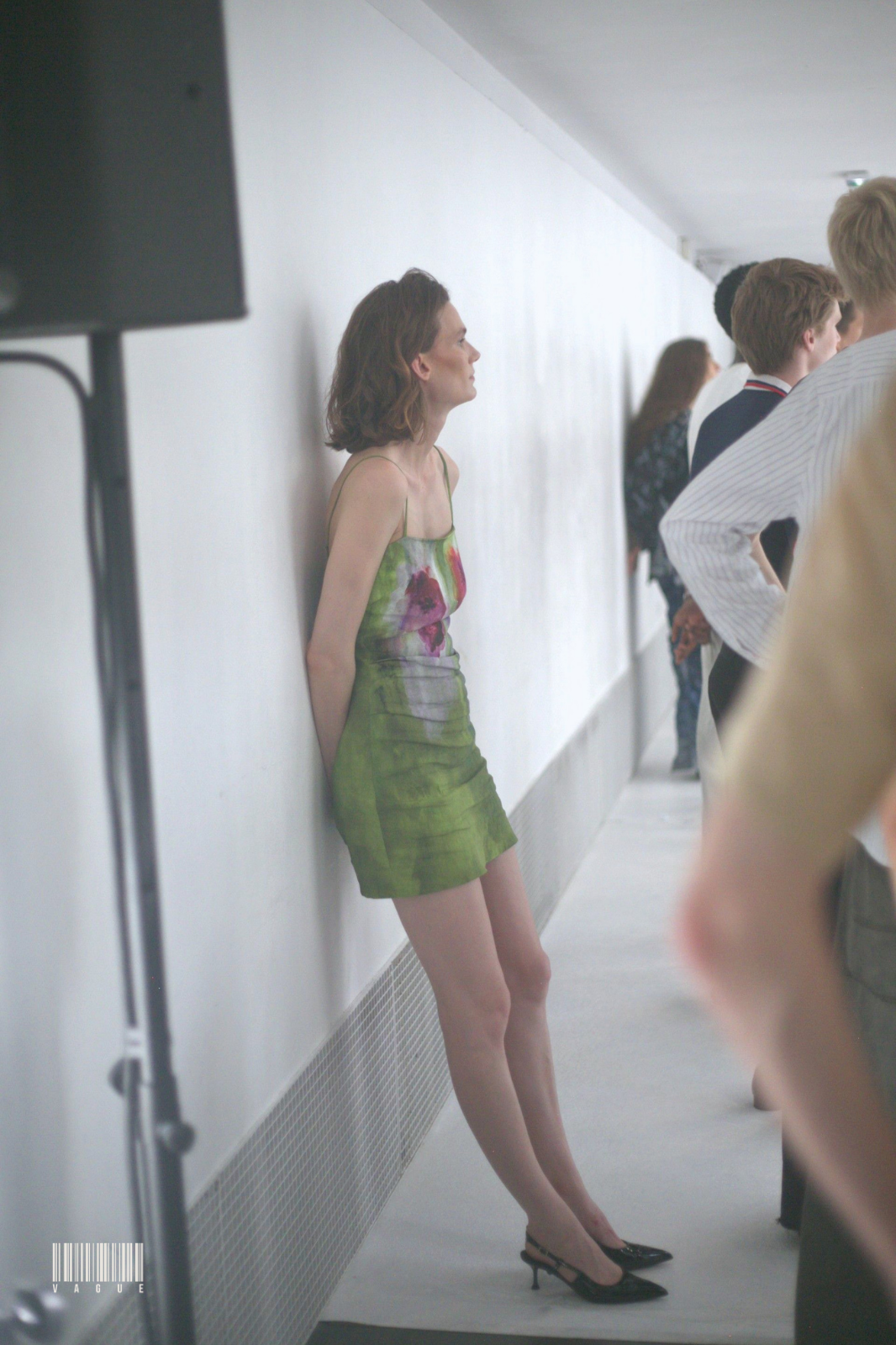
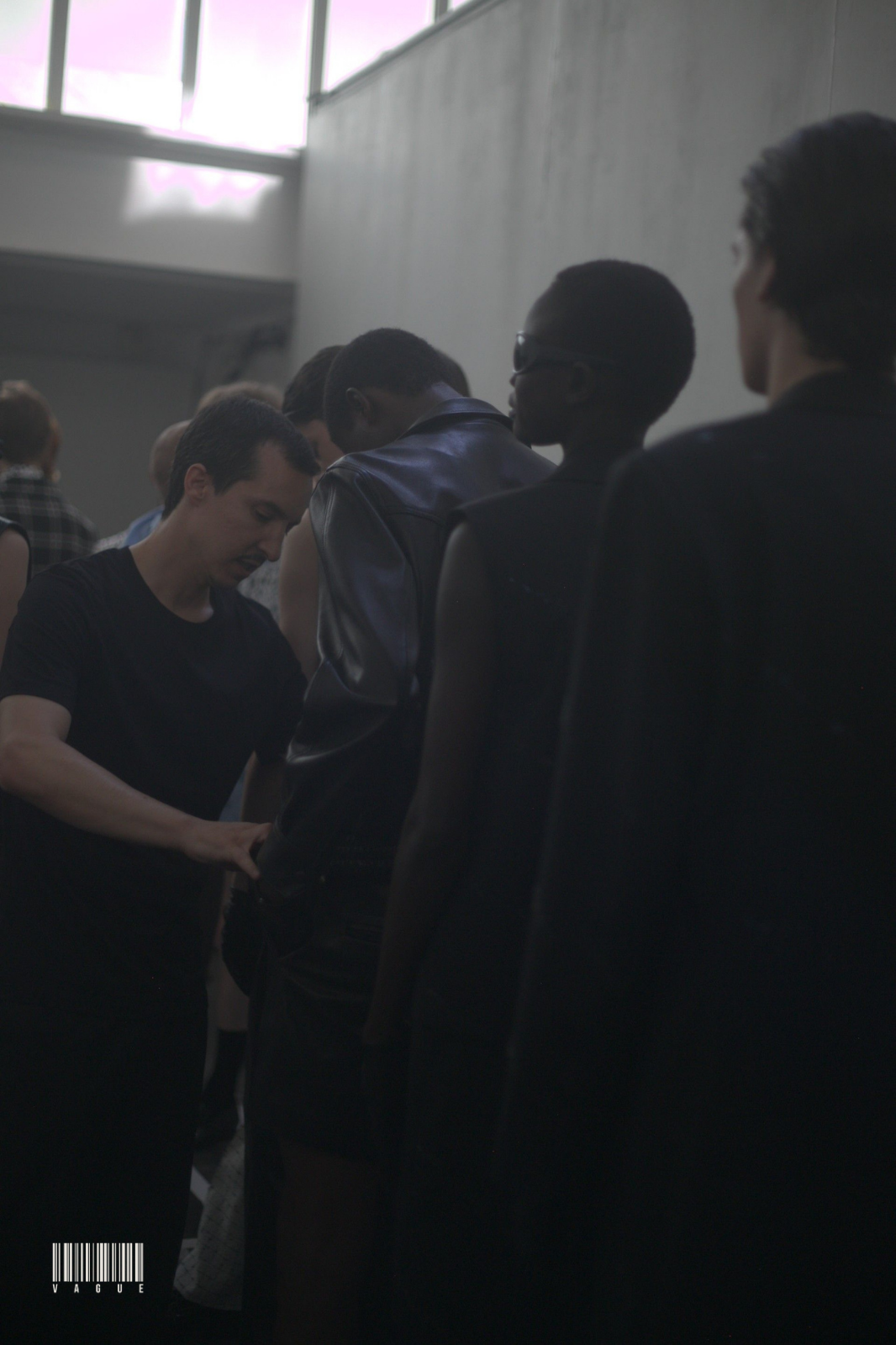
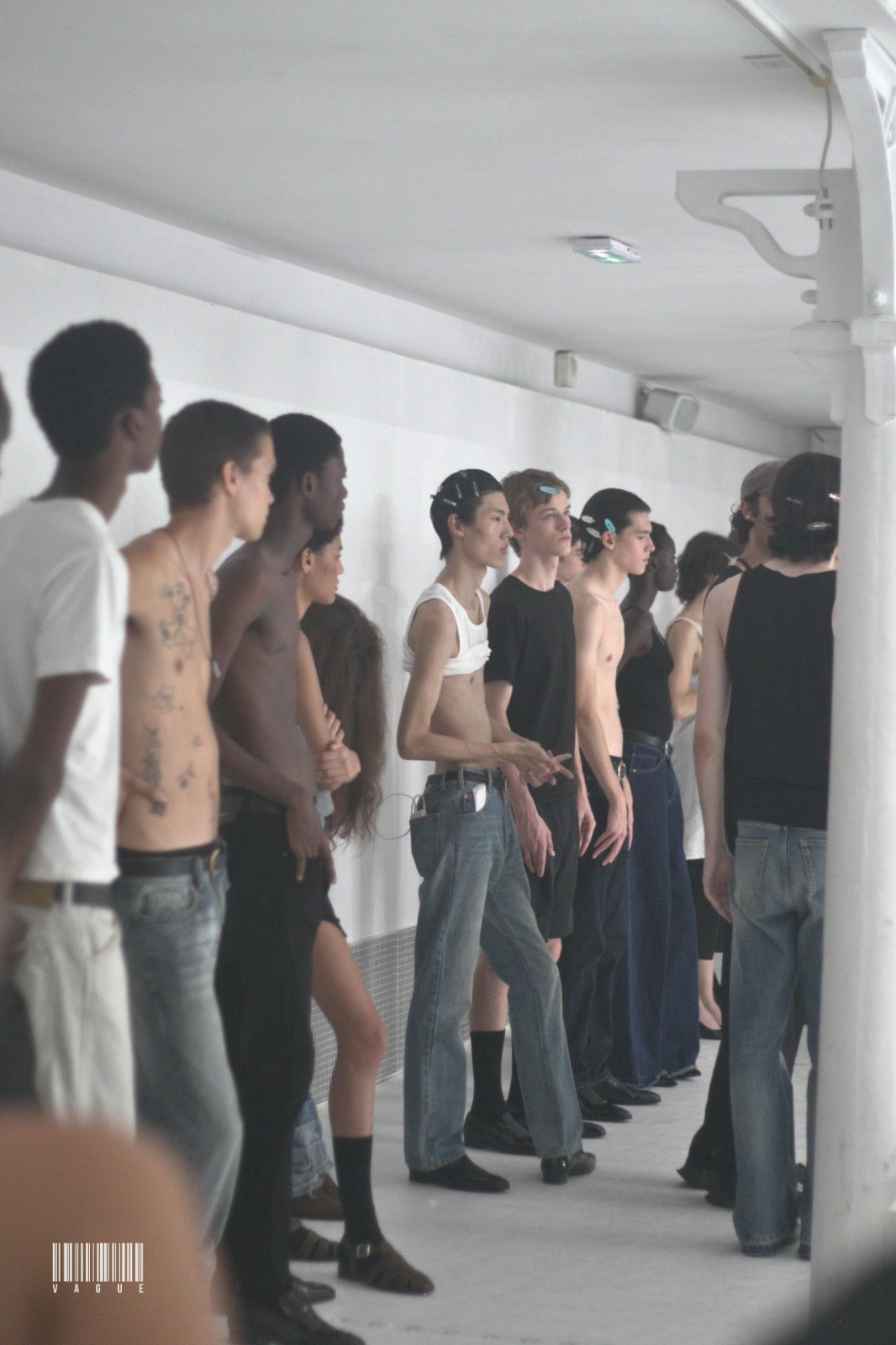
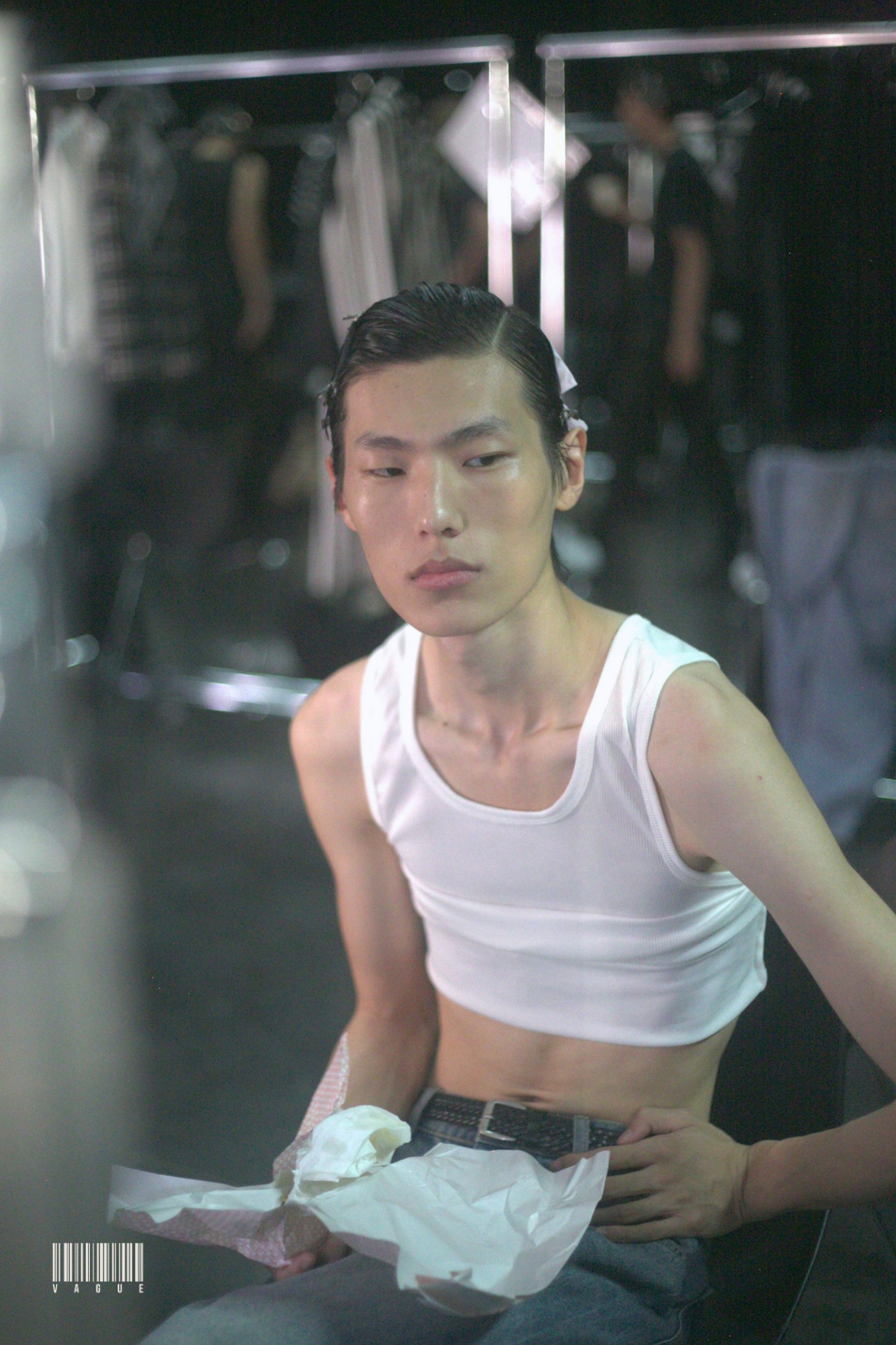
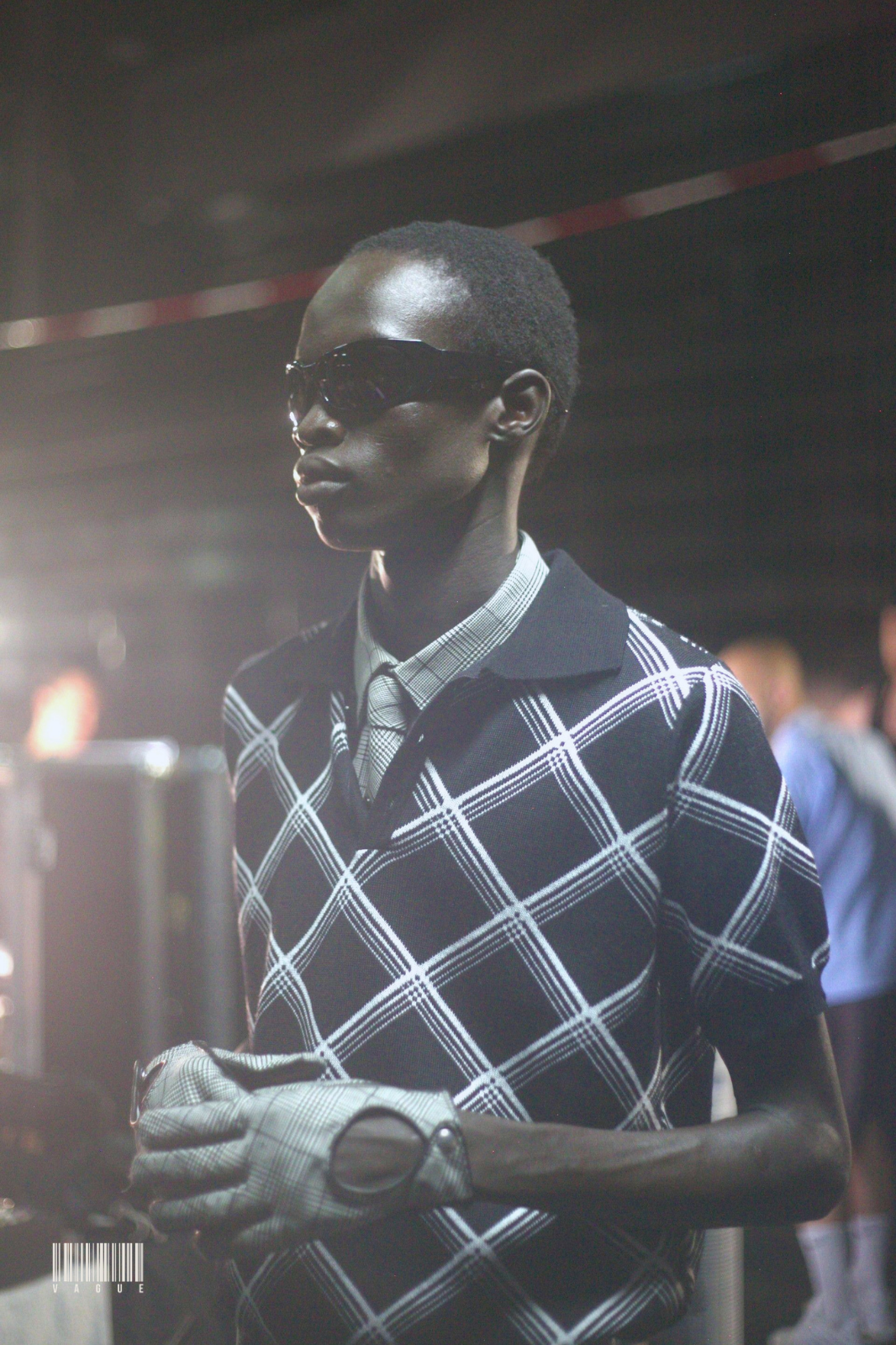
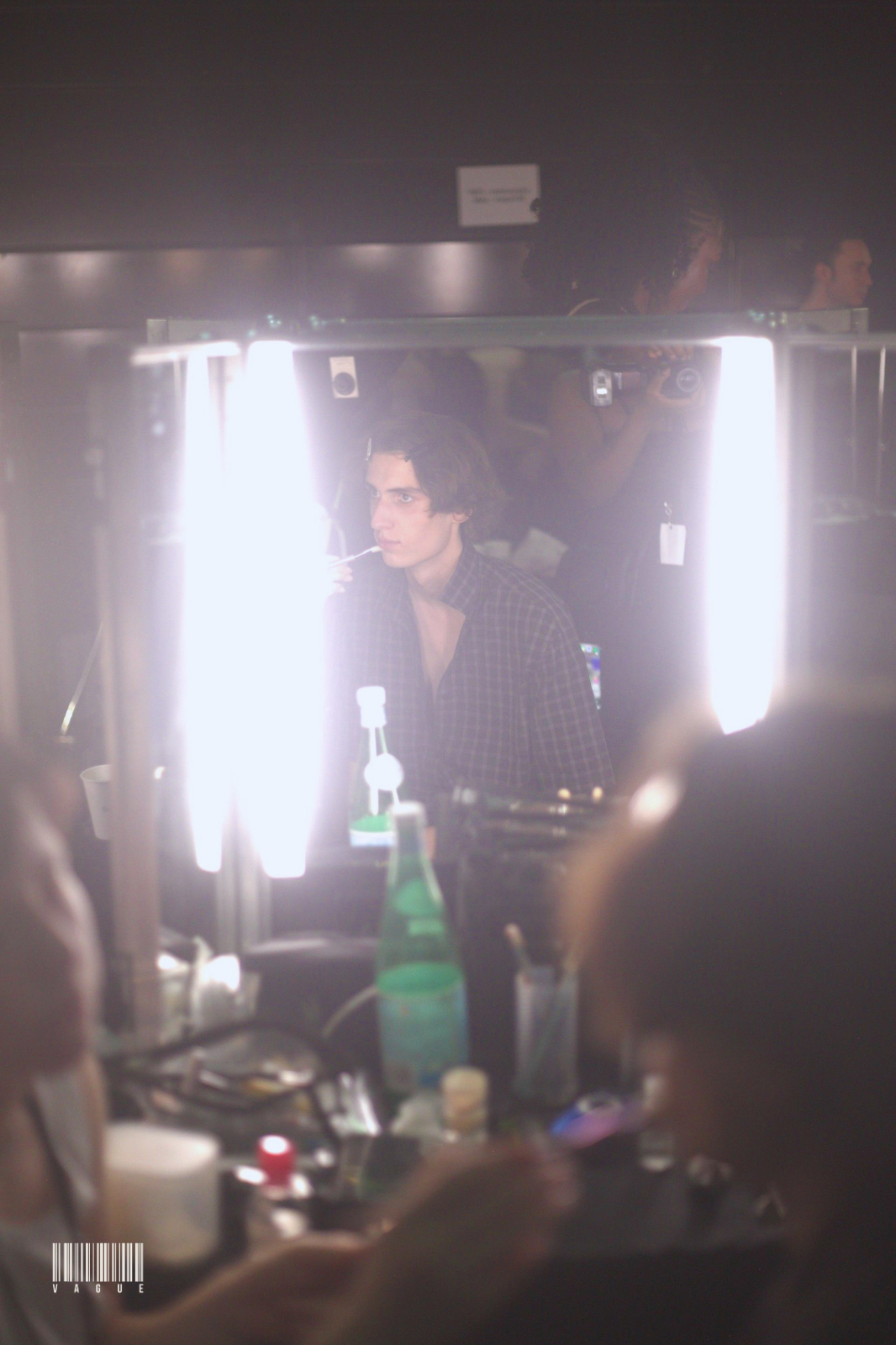
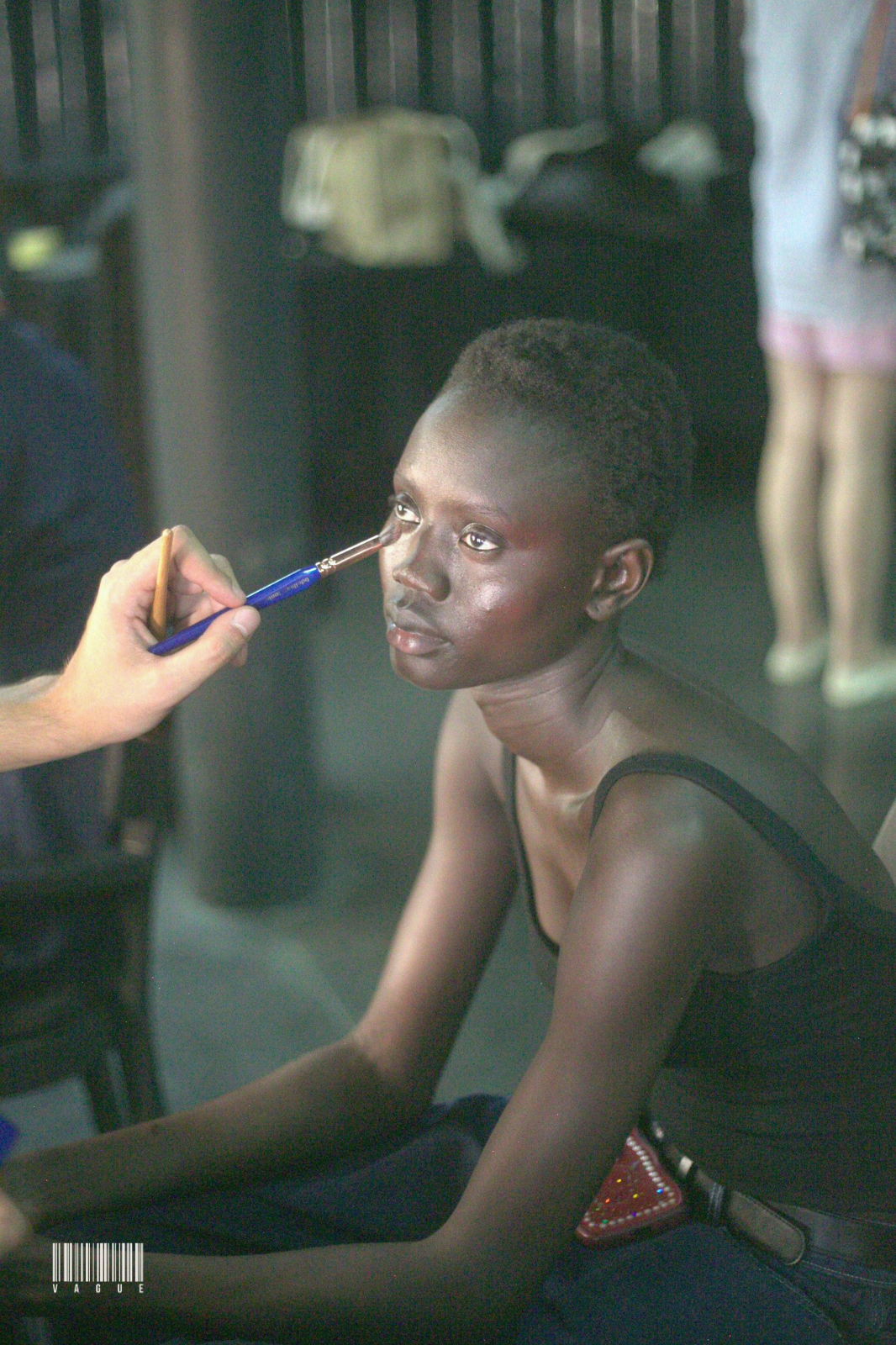
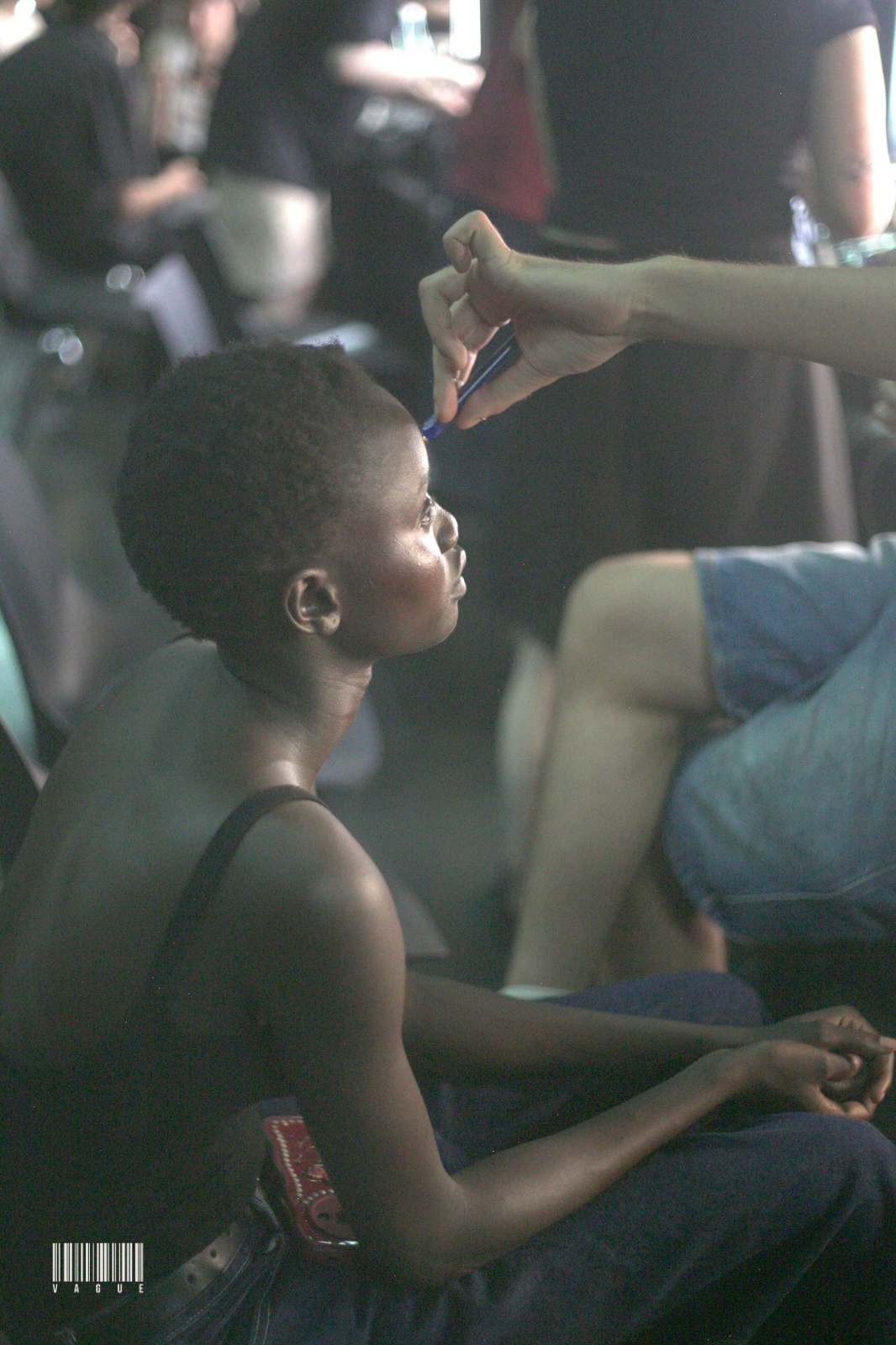
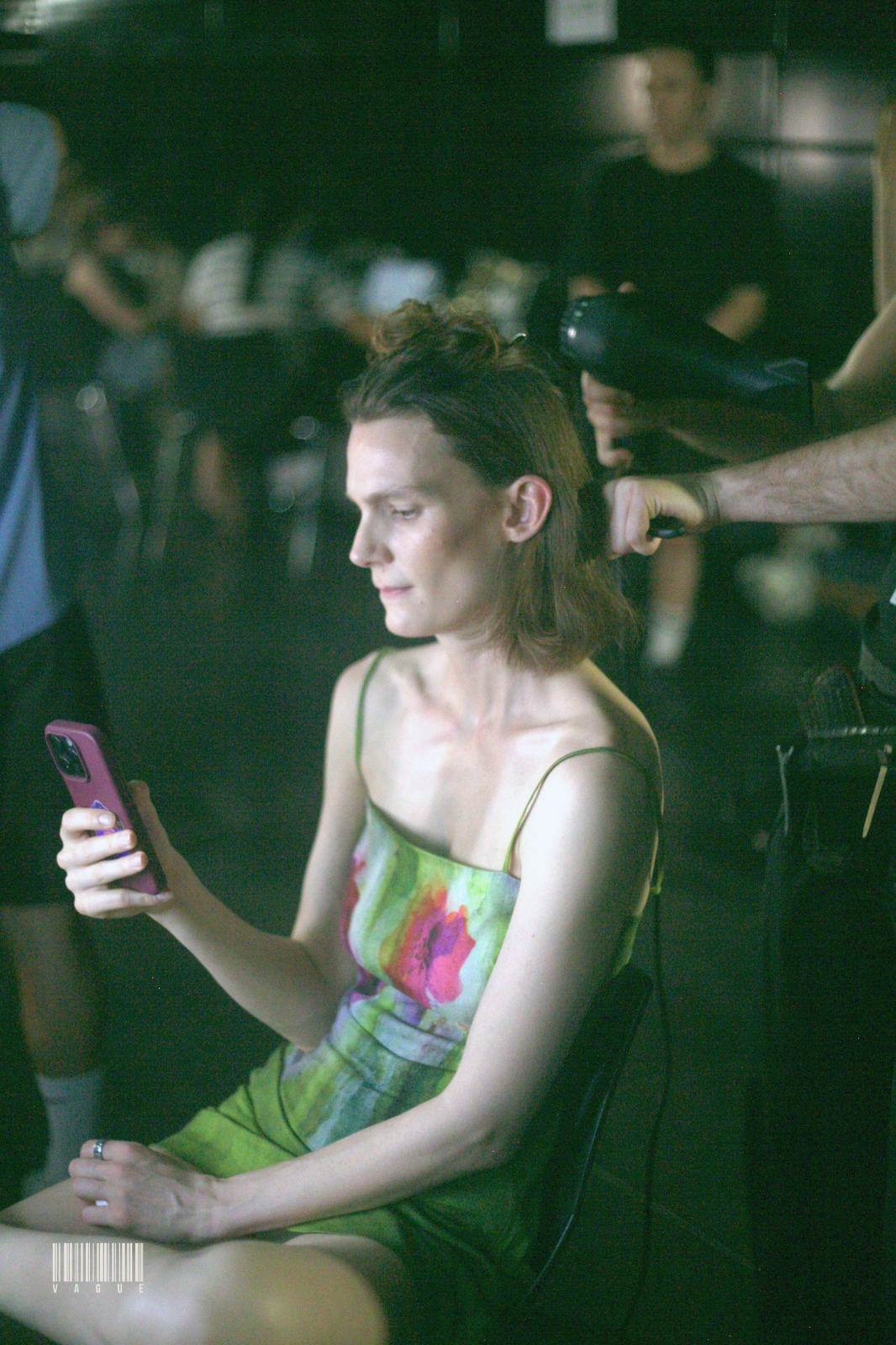
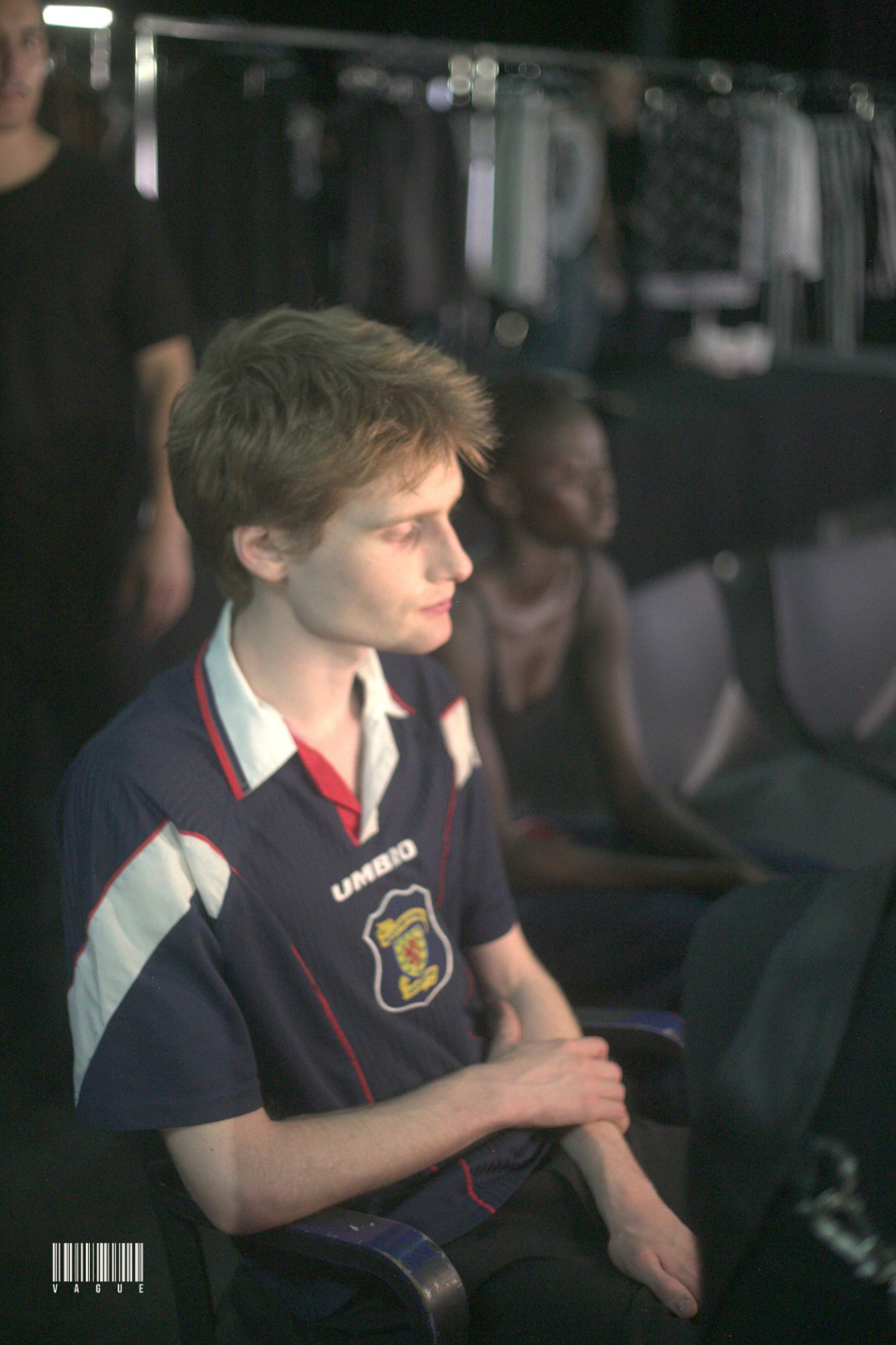
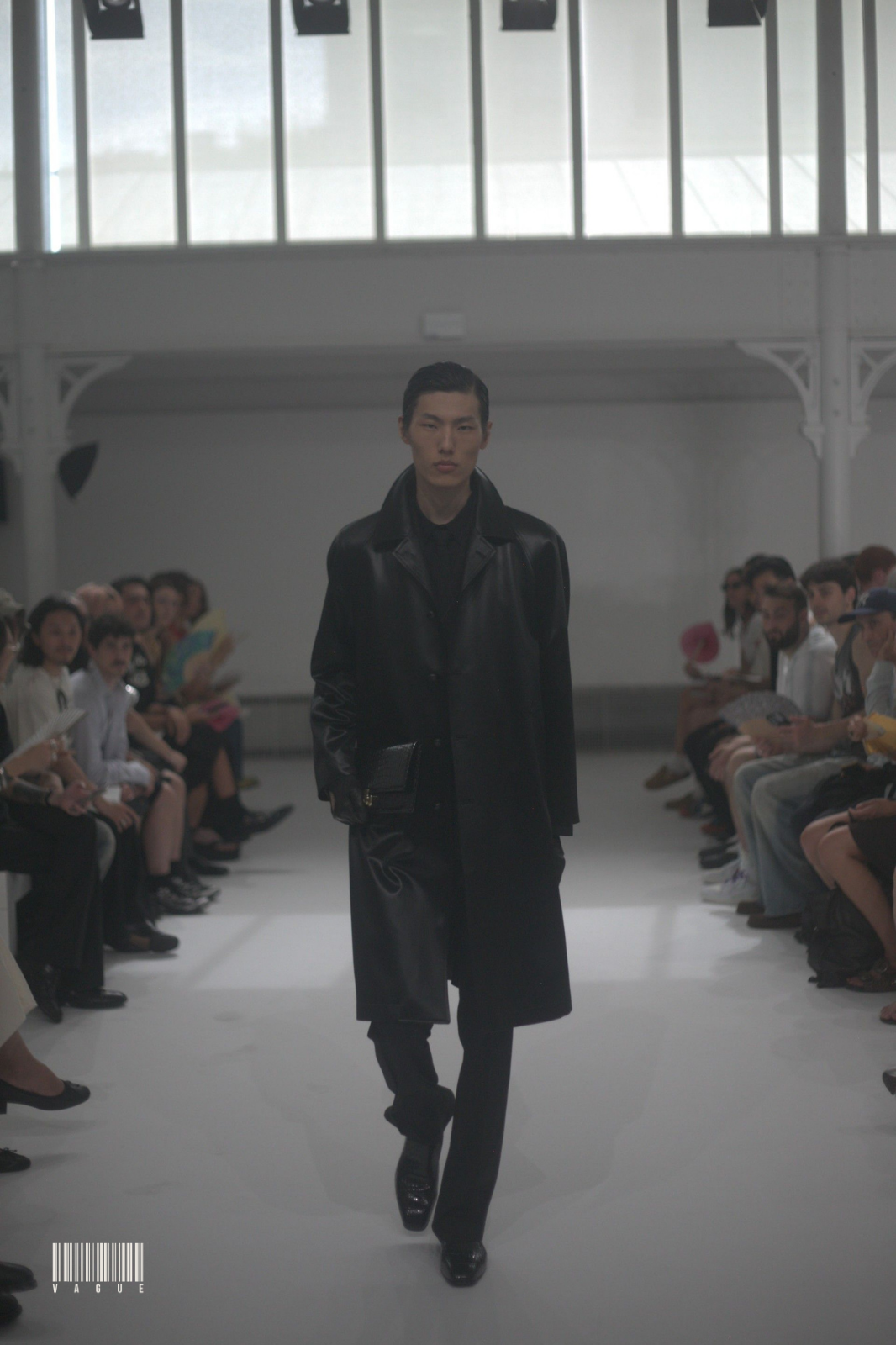
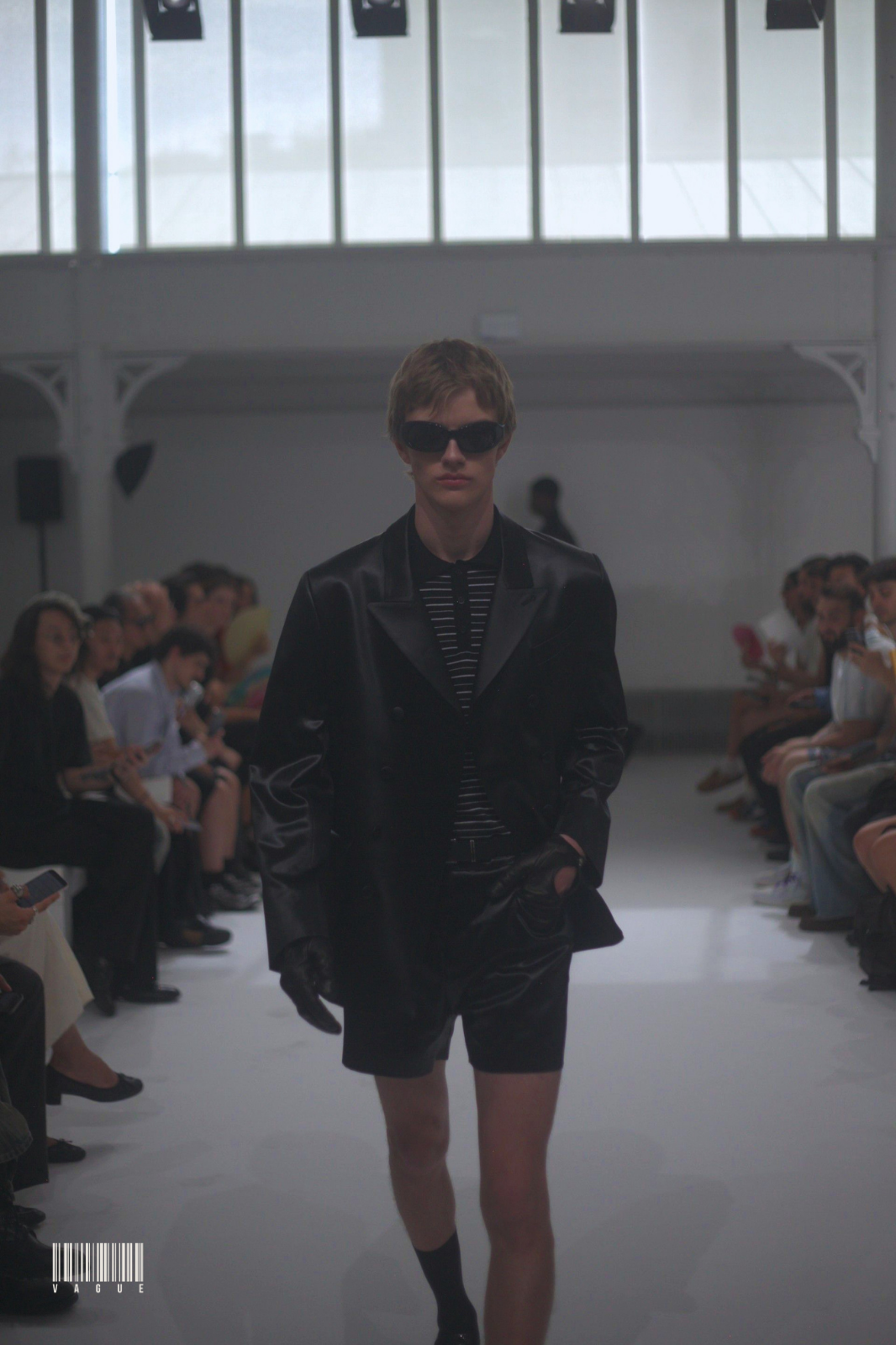
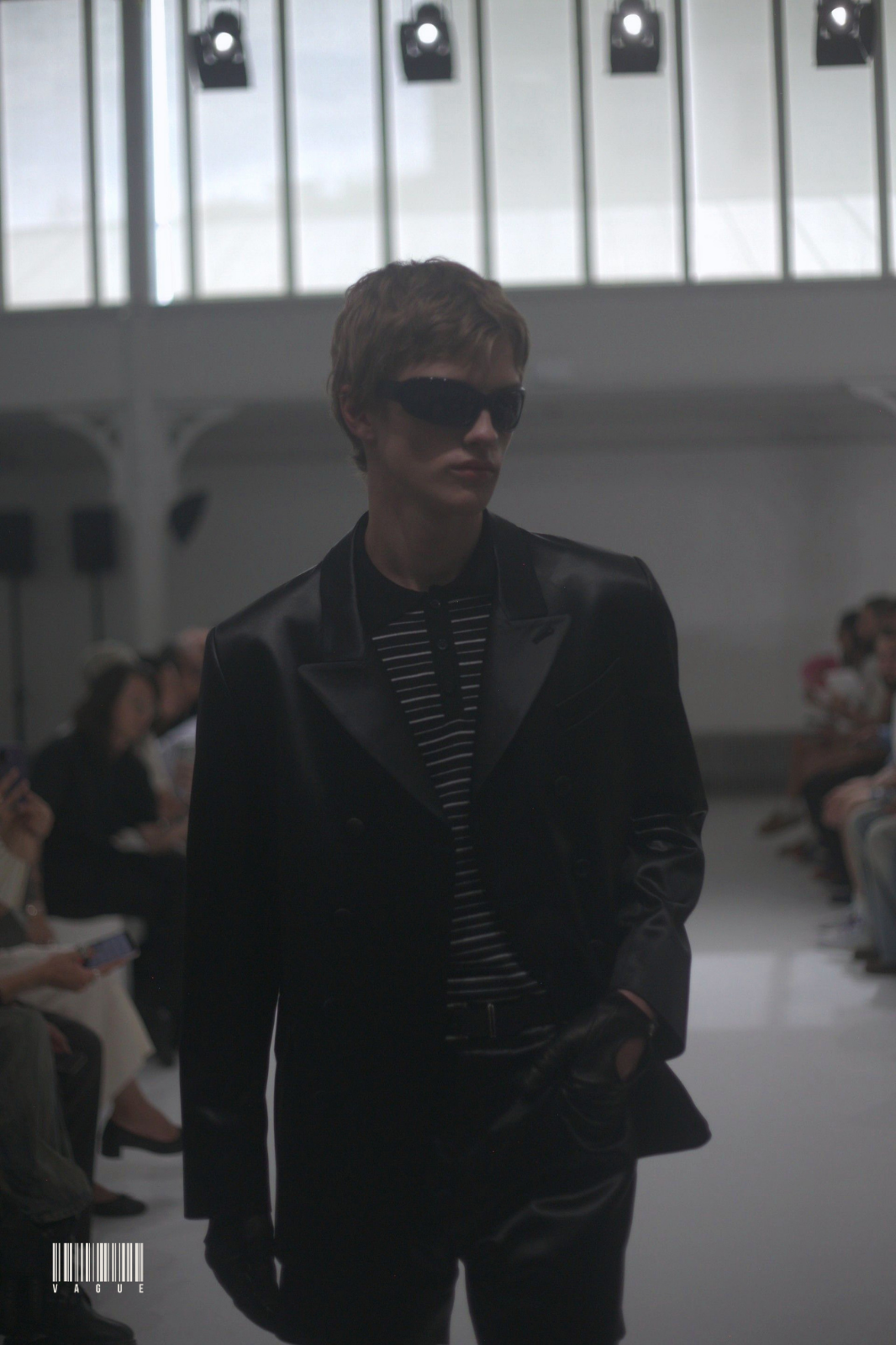
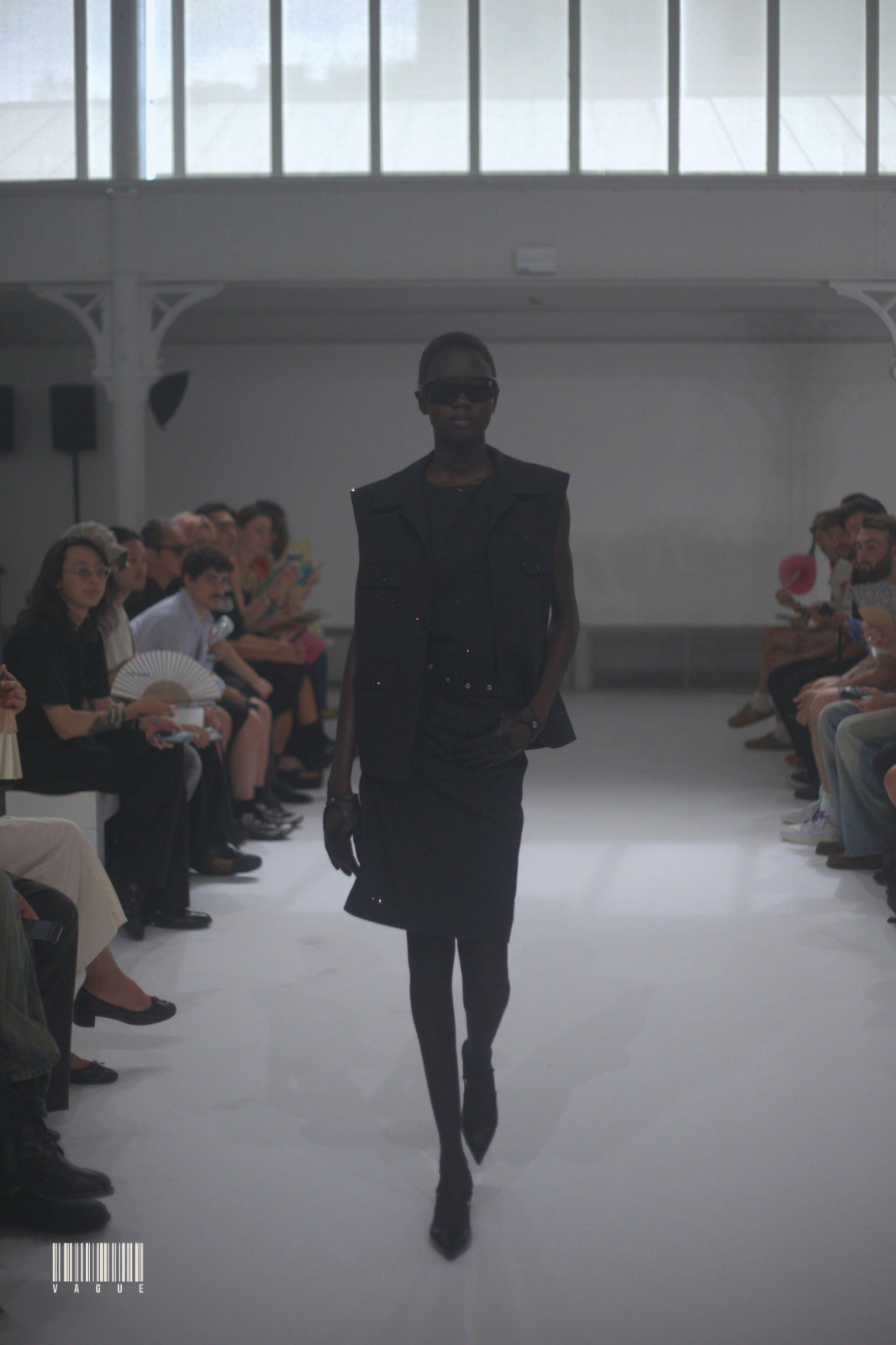
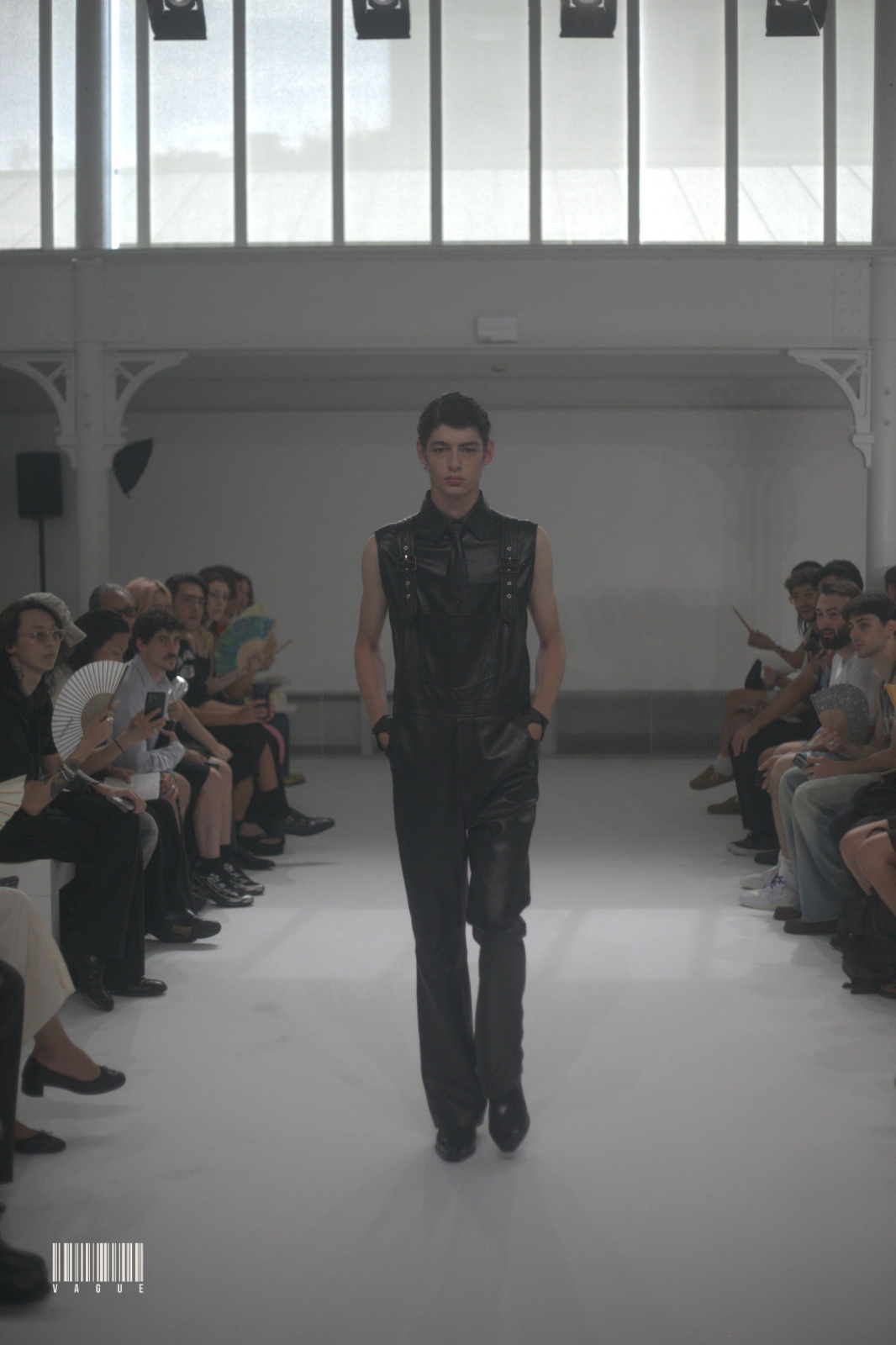
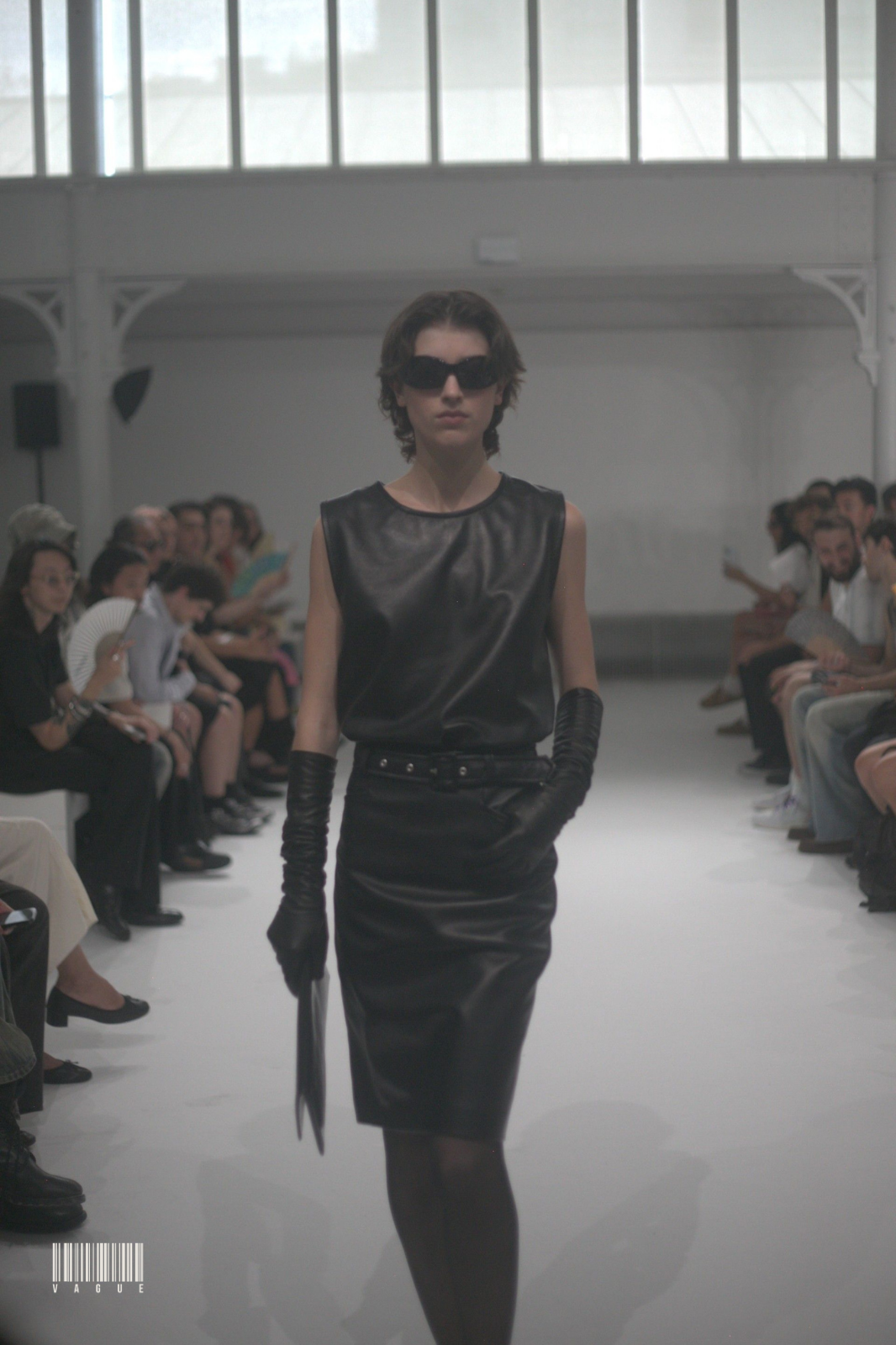
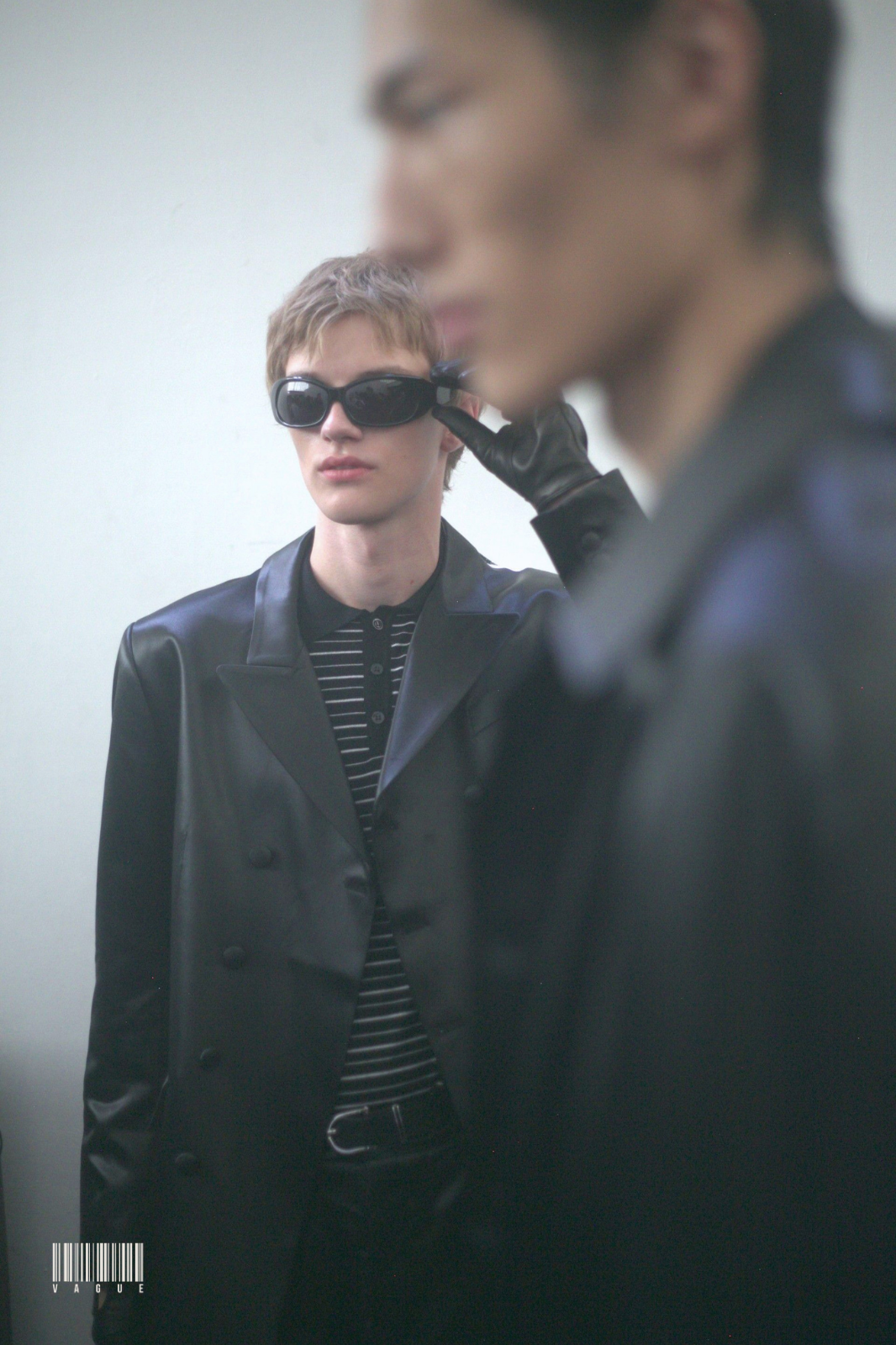
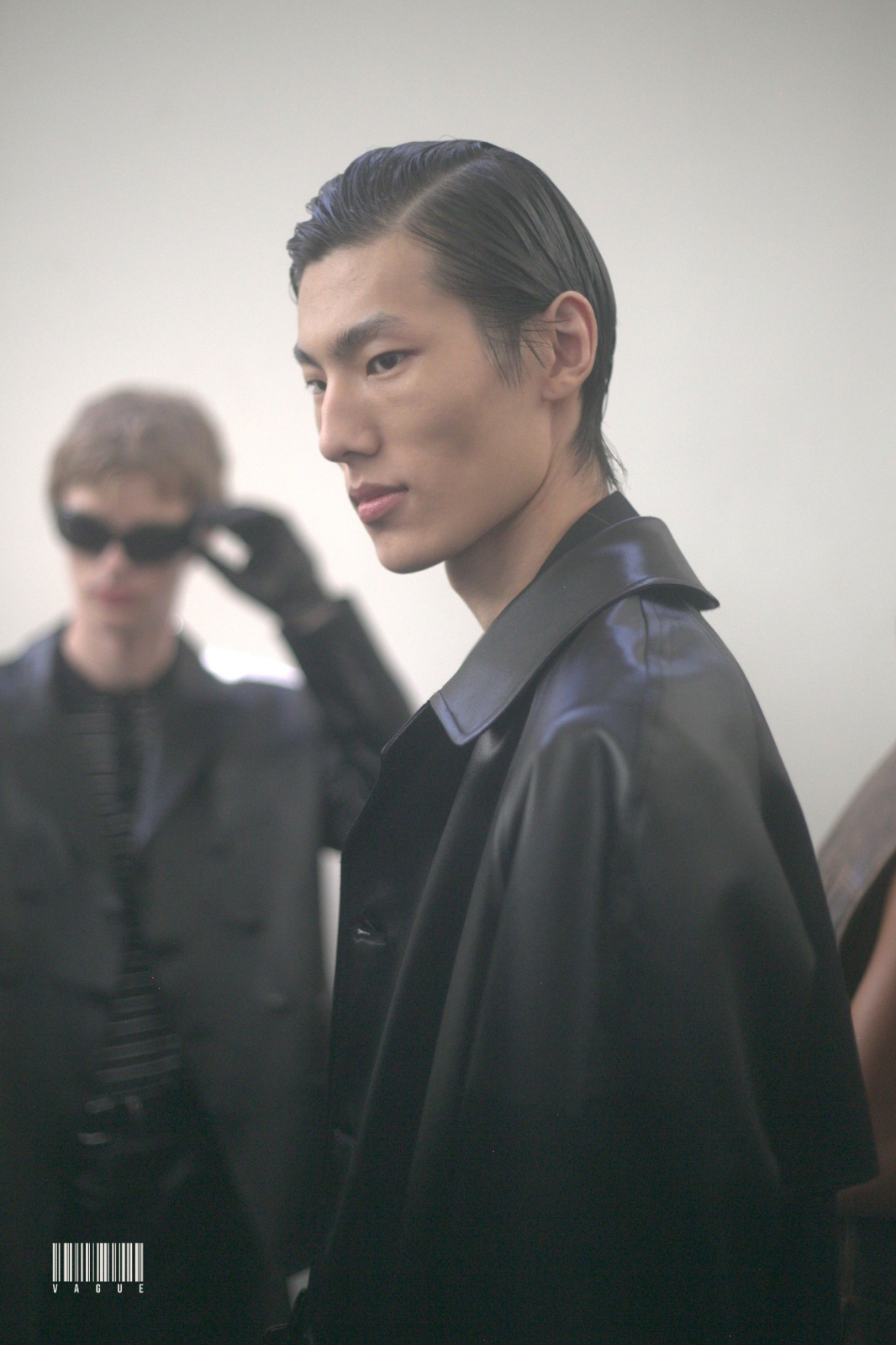
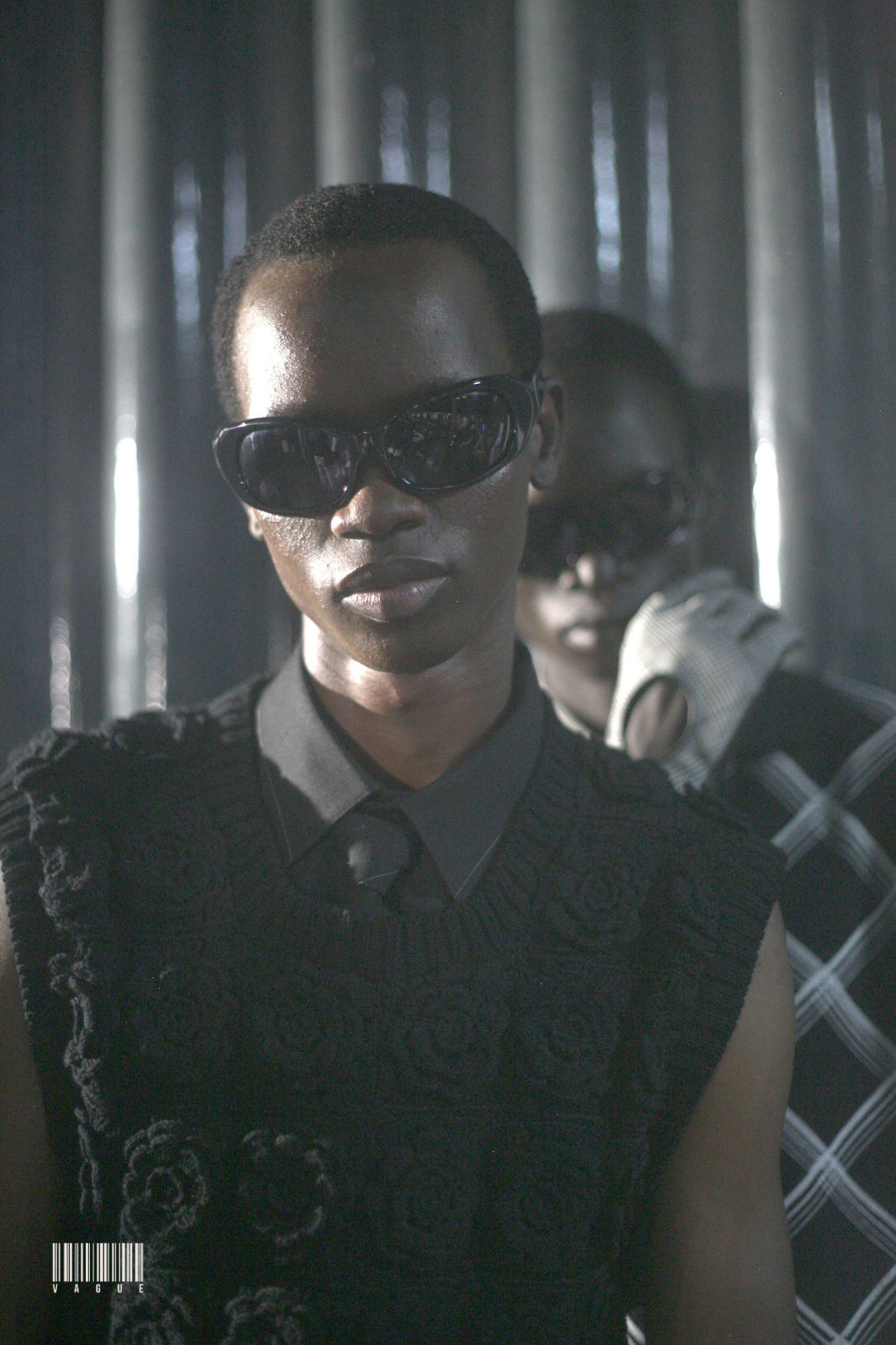
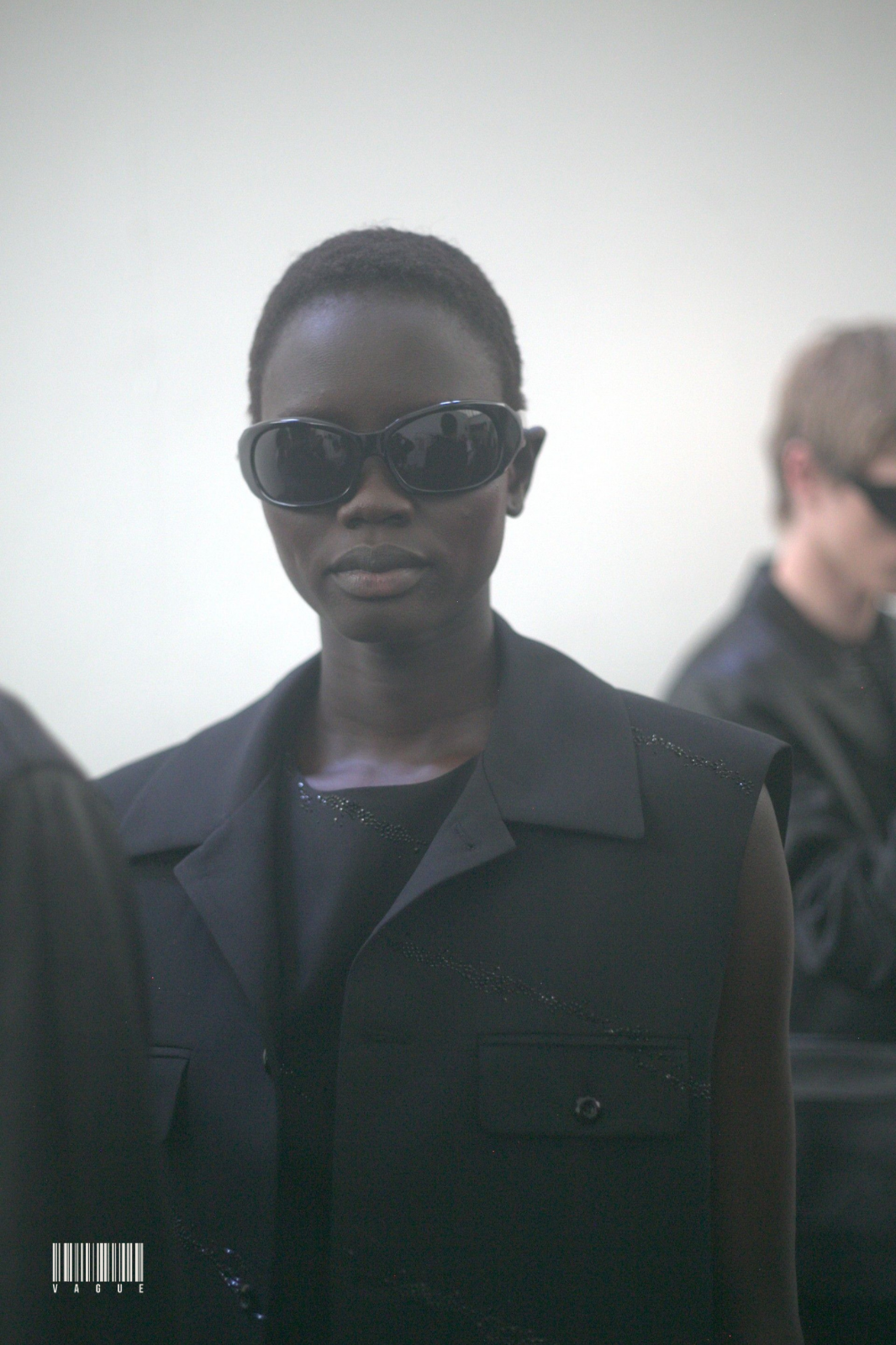
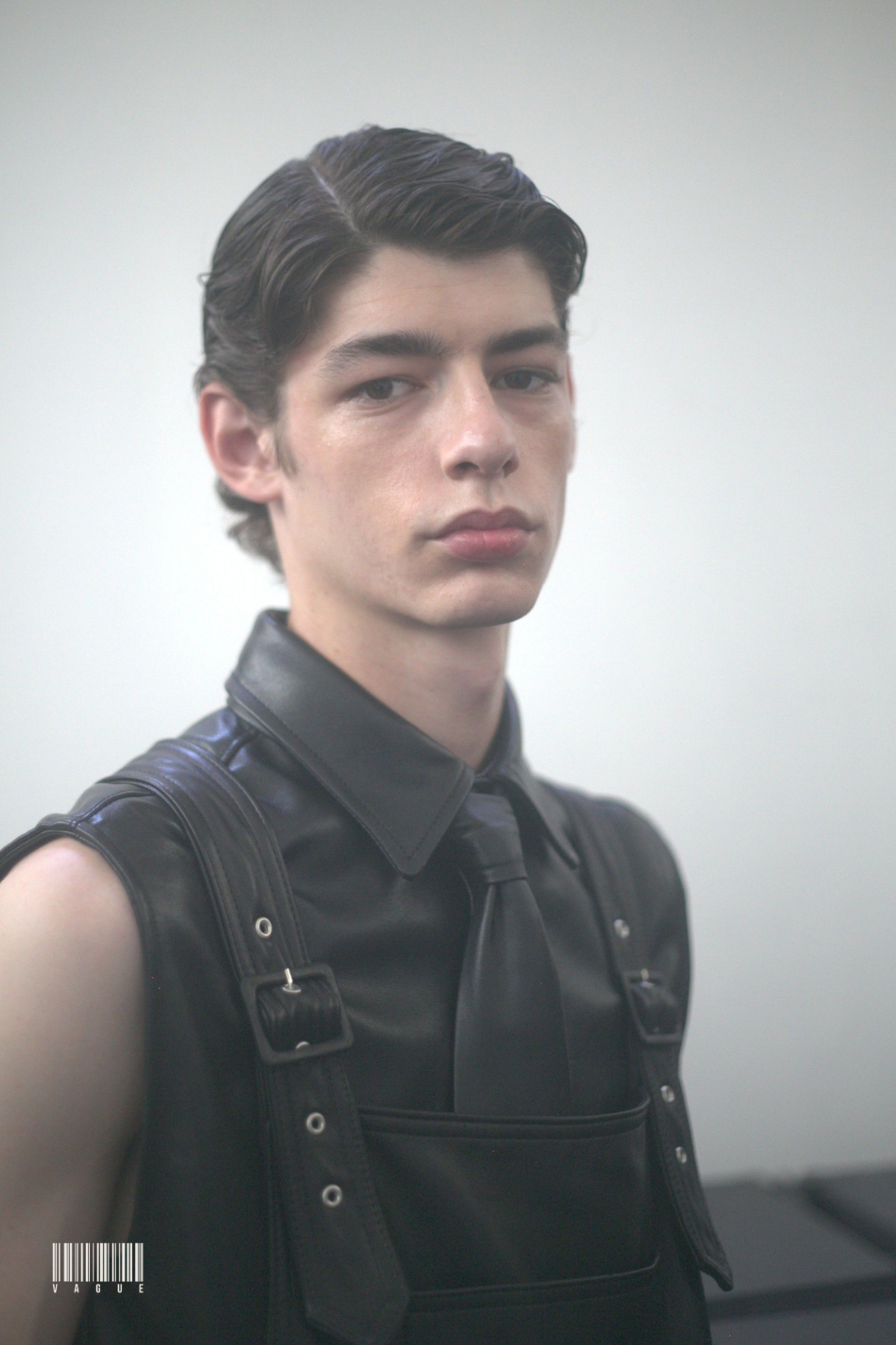
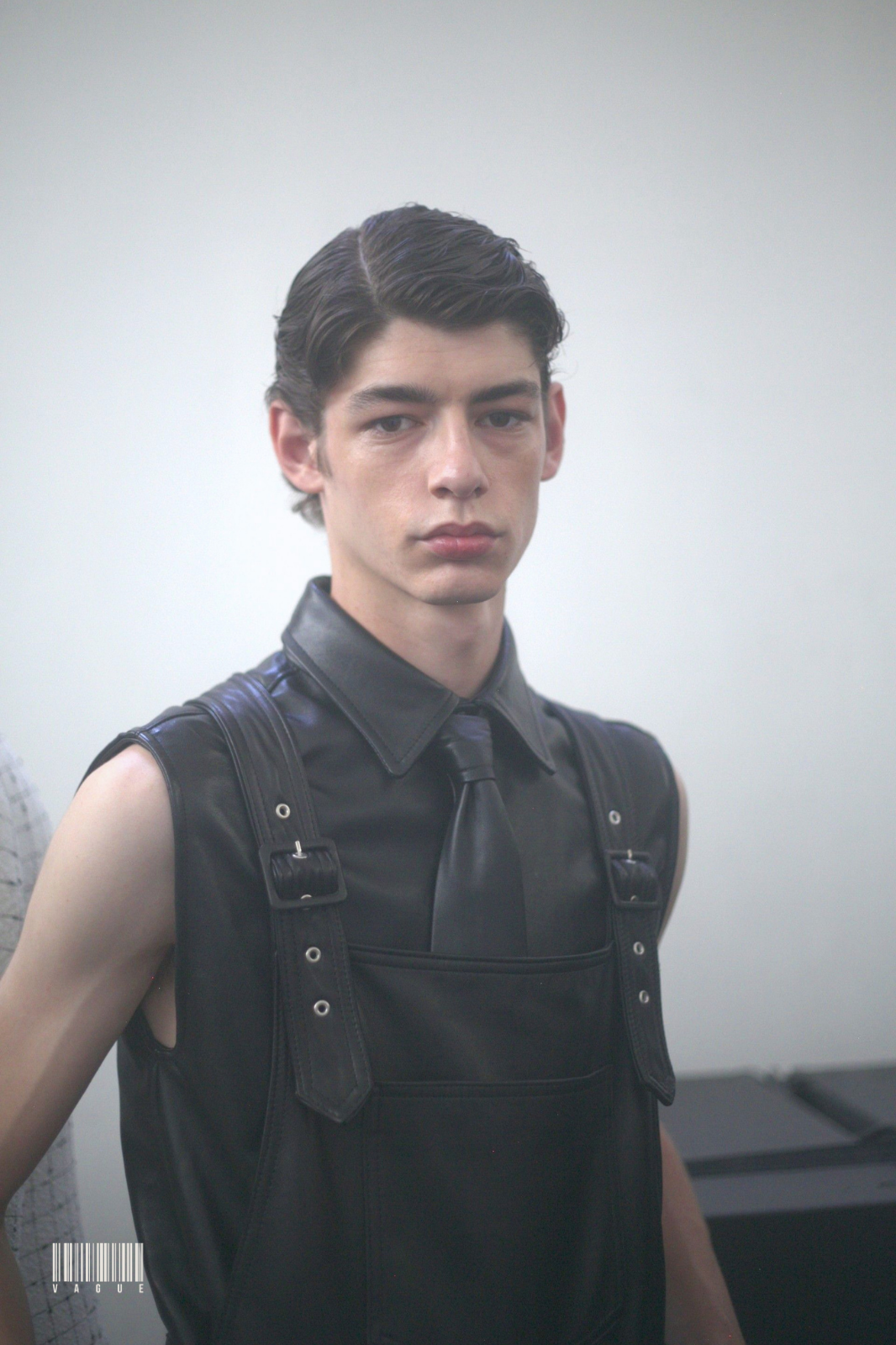
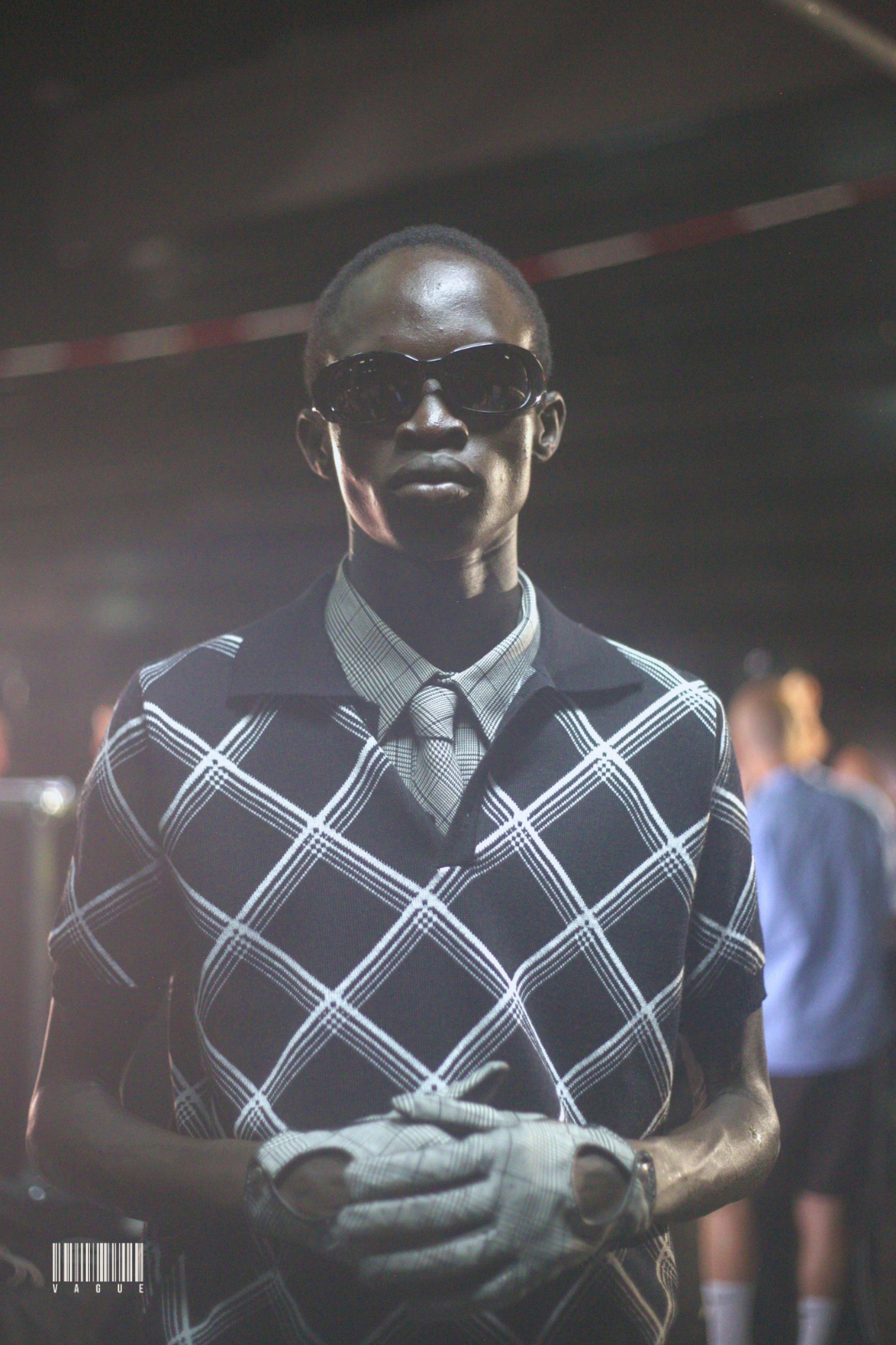
Amorim and Baker have described their practice as aspiring toward a “contemporary classicness,” a phrase that could easily be dismissed as brand-speak but here, it functions as a genuine design parameter. If the brown check is the season’s baseline, the rose blossom gives it a rhythm; one of a flower that opens slowly, petal by petal, patiently revealing its structure to an enthused audience. What makes the metaphor work in garment terms is that the collection moves the reference beyond illustration and into application. Sleeveless tailored jackets strip a familiar silhouette back to its geometry. A black knitted vest worn with driving gloves adds motility to an otherwise cautious formula. The clothes reveal themselves through movement and proximity in ways that a single runway pass does only partial justice compared to our closer inspection backstage before the show.
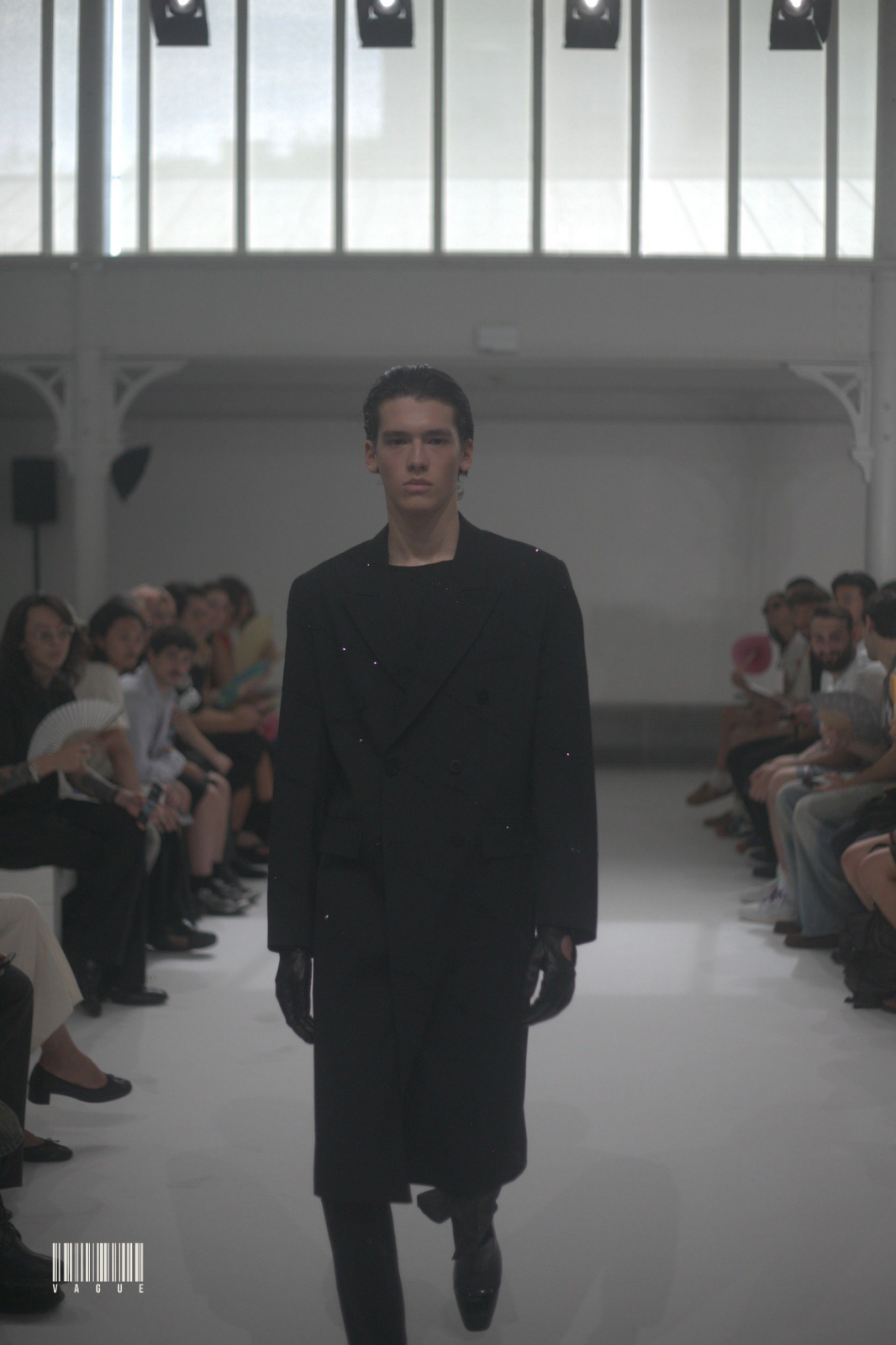
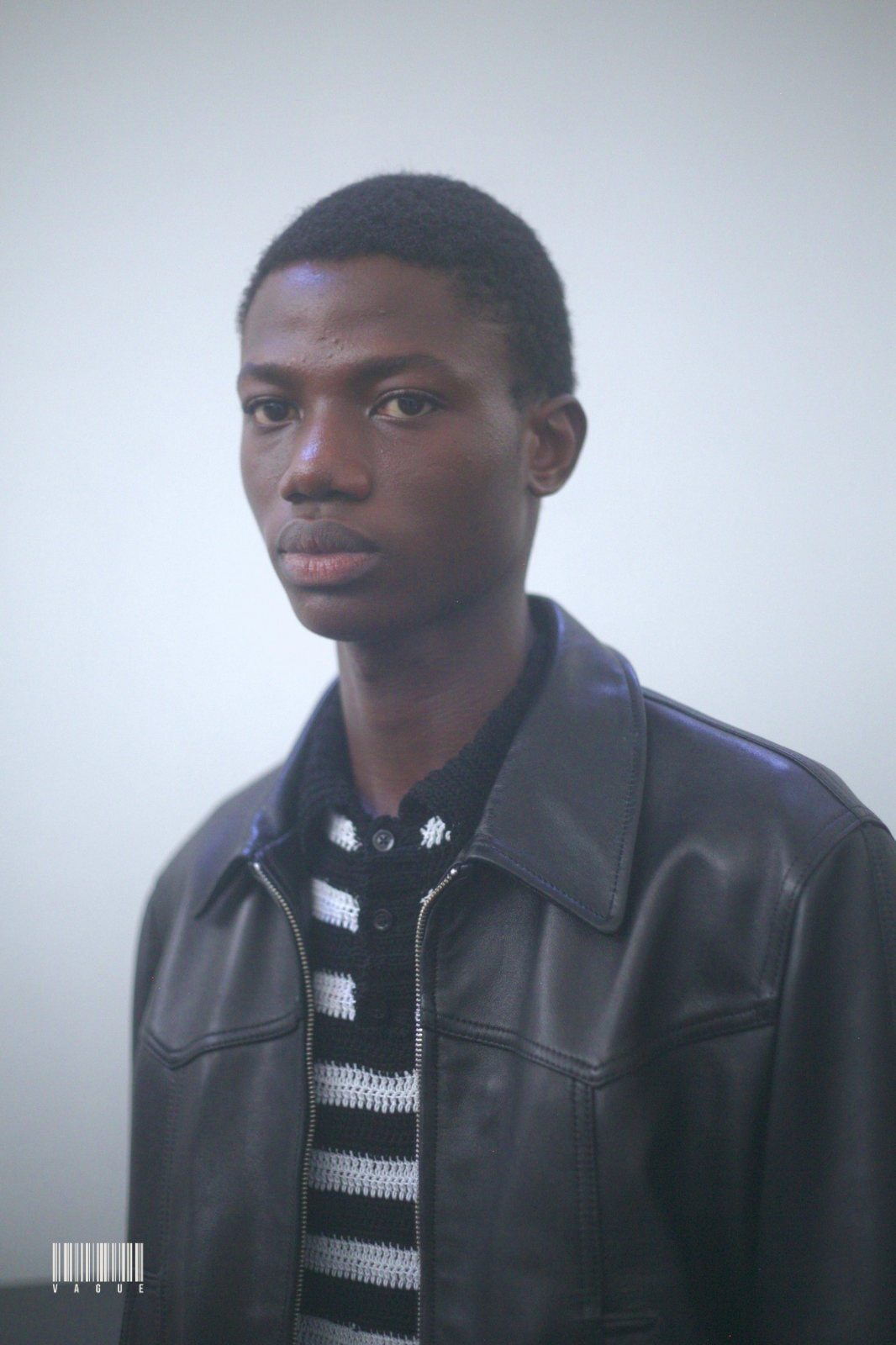
Craft then gives the collection its emotional infrastructure. Crochet knitwear introduces visible handwork as evidence of time and touch baked directly into the fabric. Swarovski embellishment appear without breaking the collection's sense of restraint, placed with enough precision that the reflections read as material detail rather than decorative. Portuguese braided leather fishing shoes connect the collection to inherited manufacturing traditions, grounding the inspiration borrowed from Ernest W. Baker the man in the heritage of one of the brand’s designers.
That dual-heritage dynamic — Amorim's more artisanal Portuguese formation, Baker's more utilitarian American one — is a structural fact of the brand that this collection embodies fully but without foregrounding, echoing the tension within a marriage of design philosophies forged from these two cultural dichotomies. “I mean, we're also a couple and we're married so yeah, there’s disagreements,” Baker laughs backstage. This European elegance and American rawness that FHCM identifies as the brand's opposing poles are not resolved by SS27 but in a way that feels productive, deliberate even: there's a cinematic quality to the silhouettes that look American at first glance but with a precision in the finishing that reads as continental. “I think at this point, the brand is sort of one unified brain [and] because we're so comfortable with each other, it's easy to say no, it's easy to mould and adapt to vision.” Neither wins, neither loses. The brown check, the rose, the light all belong to neither tradition and to both.
What's most interesting about Ernest W. Baker the brand, season after season, is the way it handles the question of audience. When we asked who the collection is for — the people who lived the references or the people like us who imagine them — Baker was characteristically undogmatic. “Anybody [with whom] what we do resonates. It's not that we're trying to force it on anybody. If it resonates with you, we're happy.” That openness is a coherent argument for the brand’s position on how clothing actually works: not as a message delivered to a predetermined receiver but as an object that finds its meaning on contact with whoever picks it up, just as the references did with the man who inspired them. Ernest W. Baker doesn't need you to know who Ernest was. It just needs you to feel like you could.
production
faces — ajoung abraham, ambre roumeau, artem dubikin, arthur vaughan, arvid kaldo, baptiste vivo, beatriz santos, bruklin lecaj, chol khan, david waldorf, devonte obi, echo zhao, emese nyiro, lammy ajibola, lander zaman, leander cowie, lena hardt, logan liebel, marcelo mendez, max stenzel, nanne groenewegen, romeo burel, sun junhui, thon mading, timur saryyev, valentijn gebbinck
creative direction — ines amorim, reid baker
styling — mauricio nardi
hair — michael delmas
make-up — anthony preel
casting — franziska bachofen echt, liv tendlarz
credits
words — karina so.
photography — karina so.
design — gloria ukoh
media production — VAGUE