Dreaming of Spring with Feng Chen Wang SS27
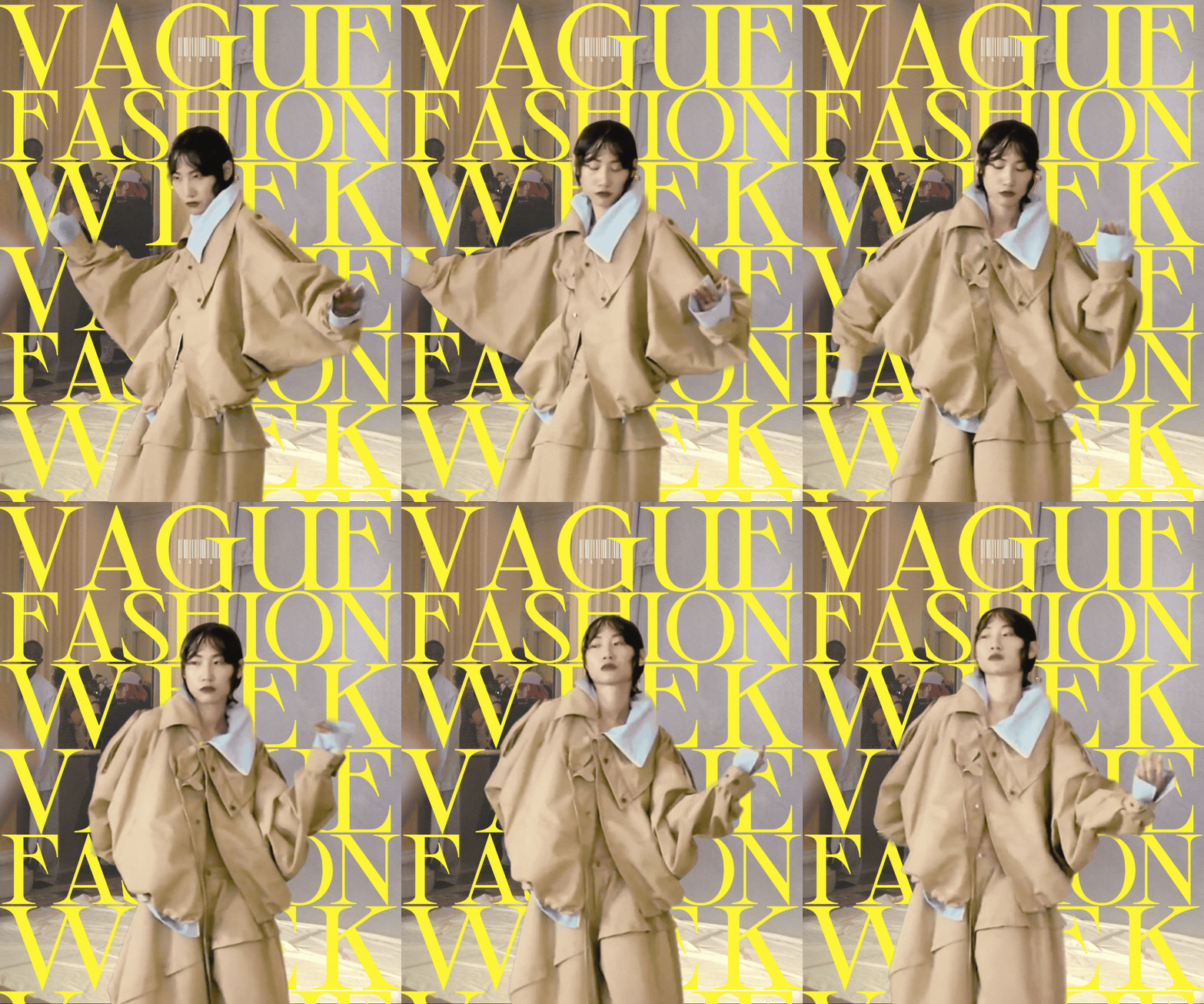
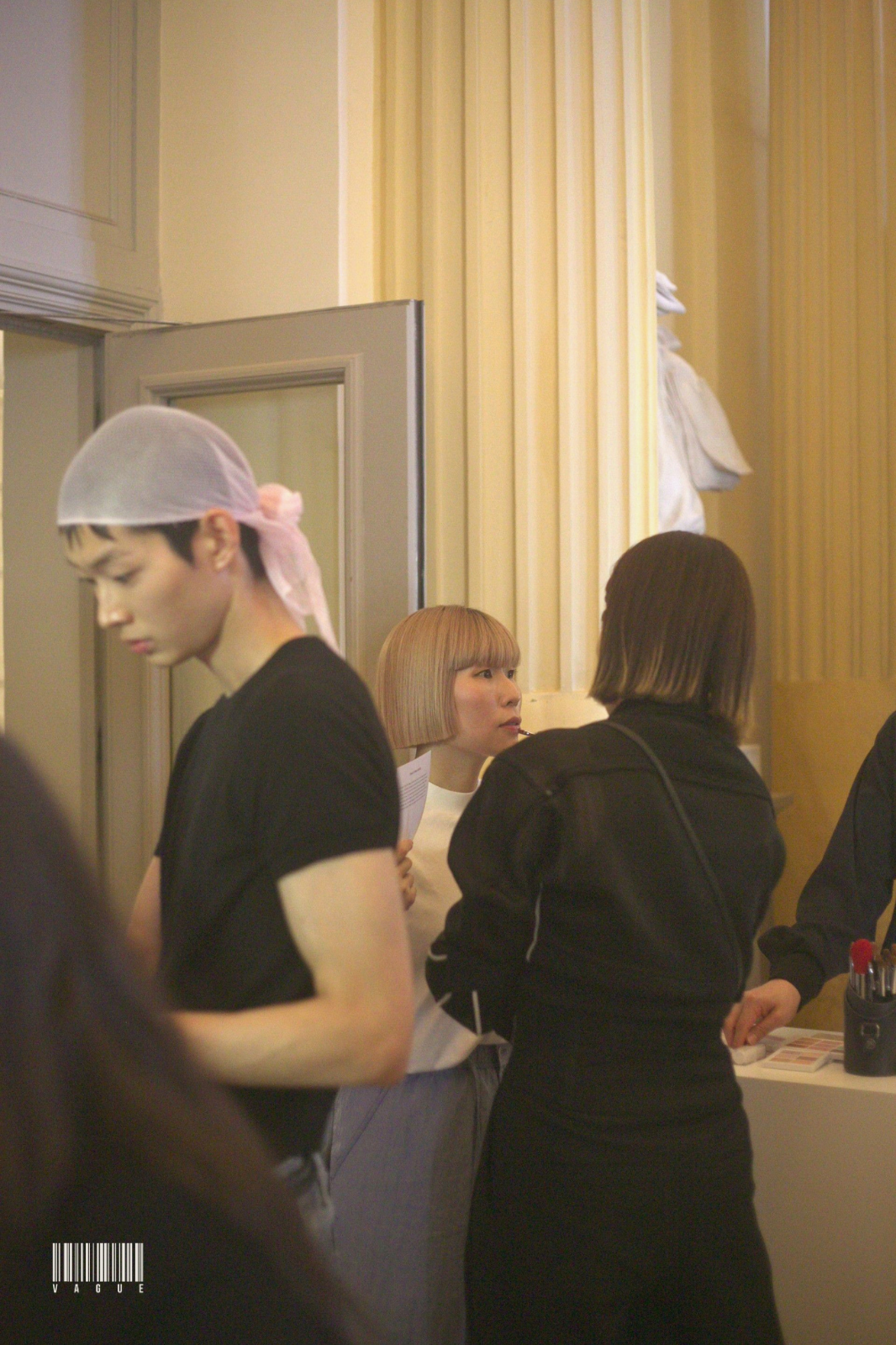
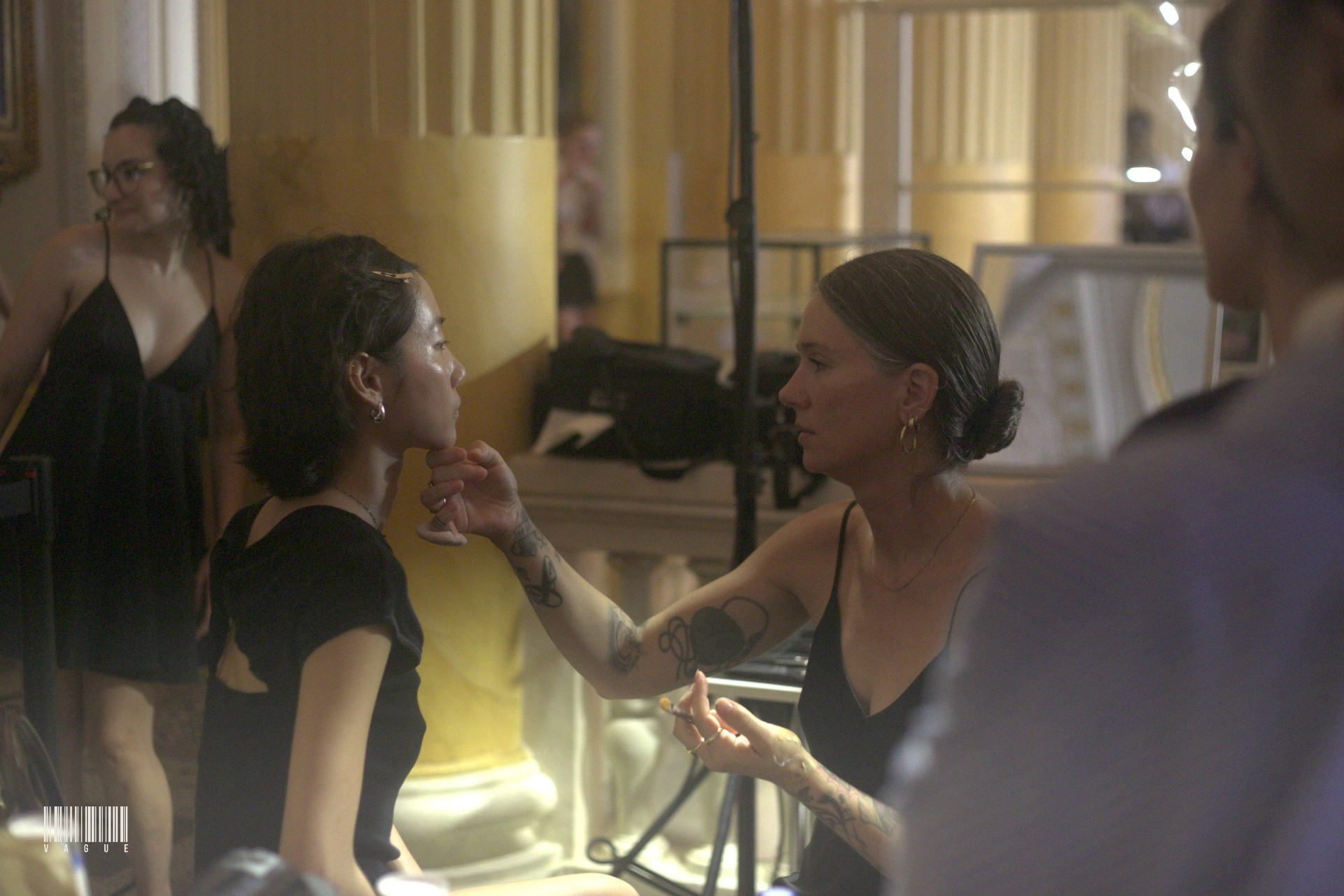
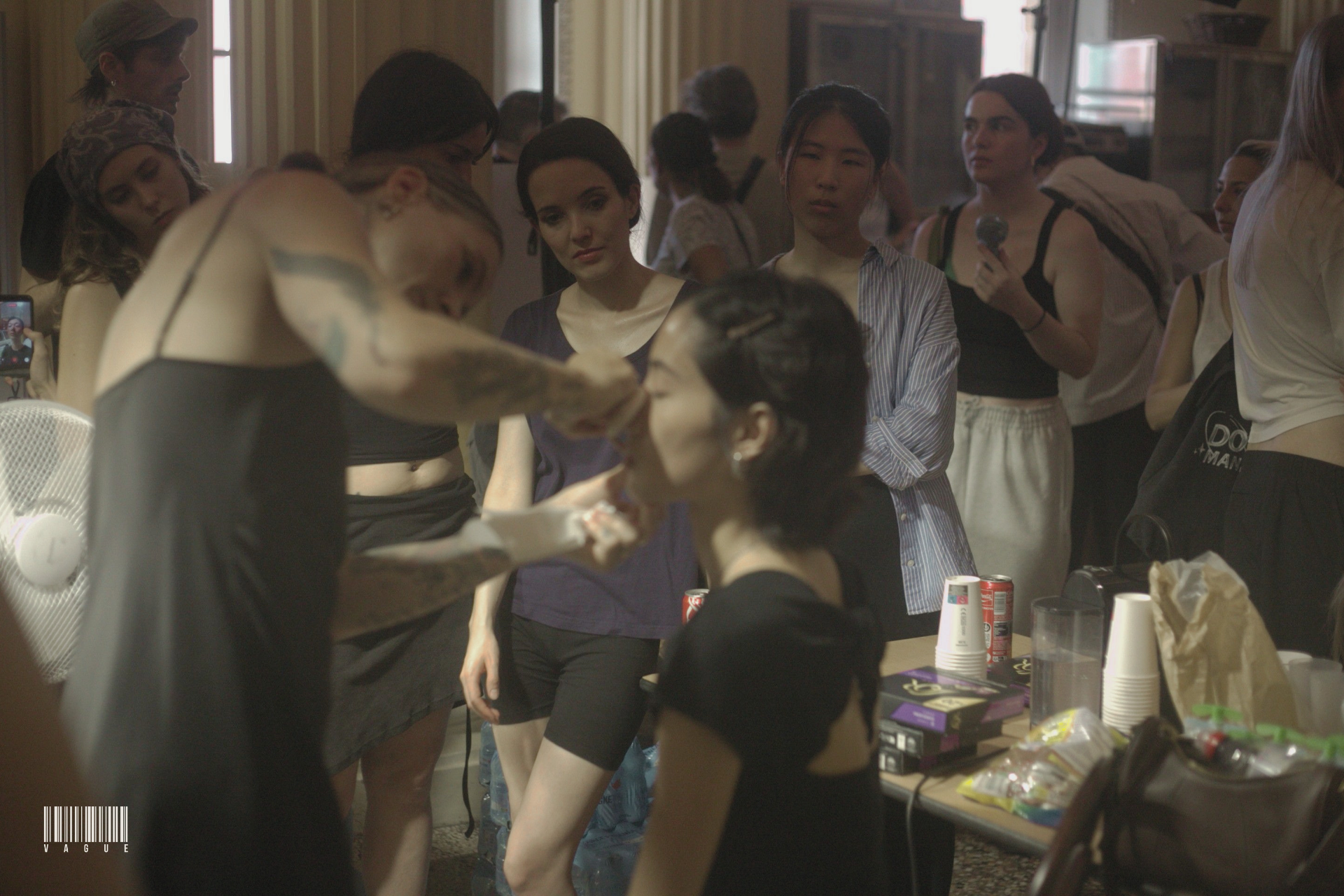
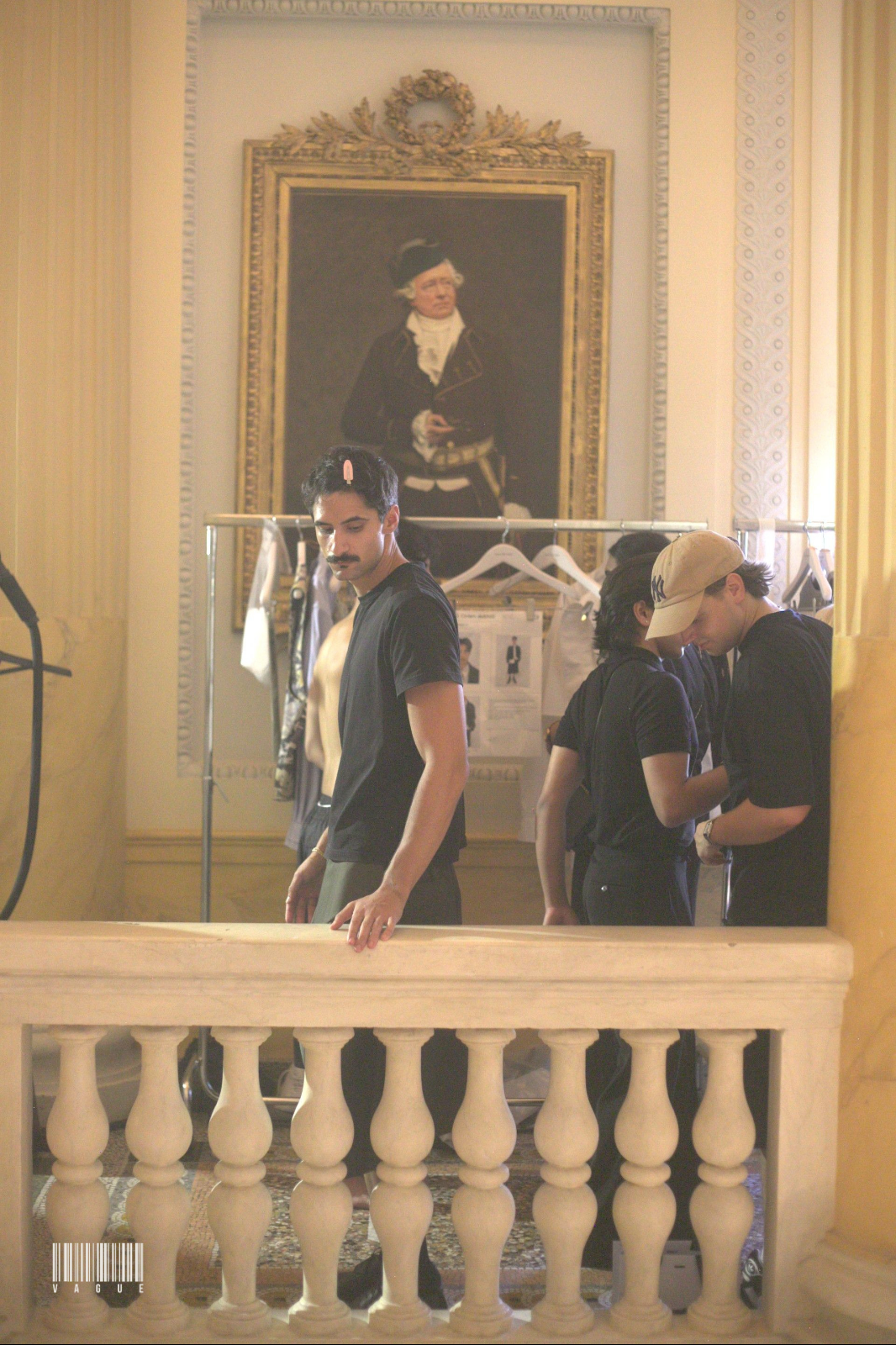
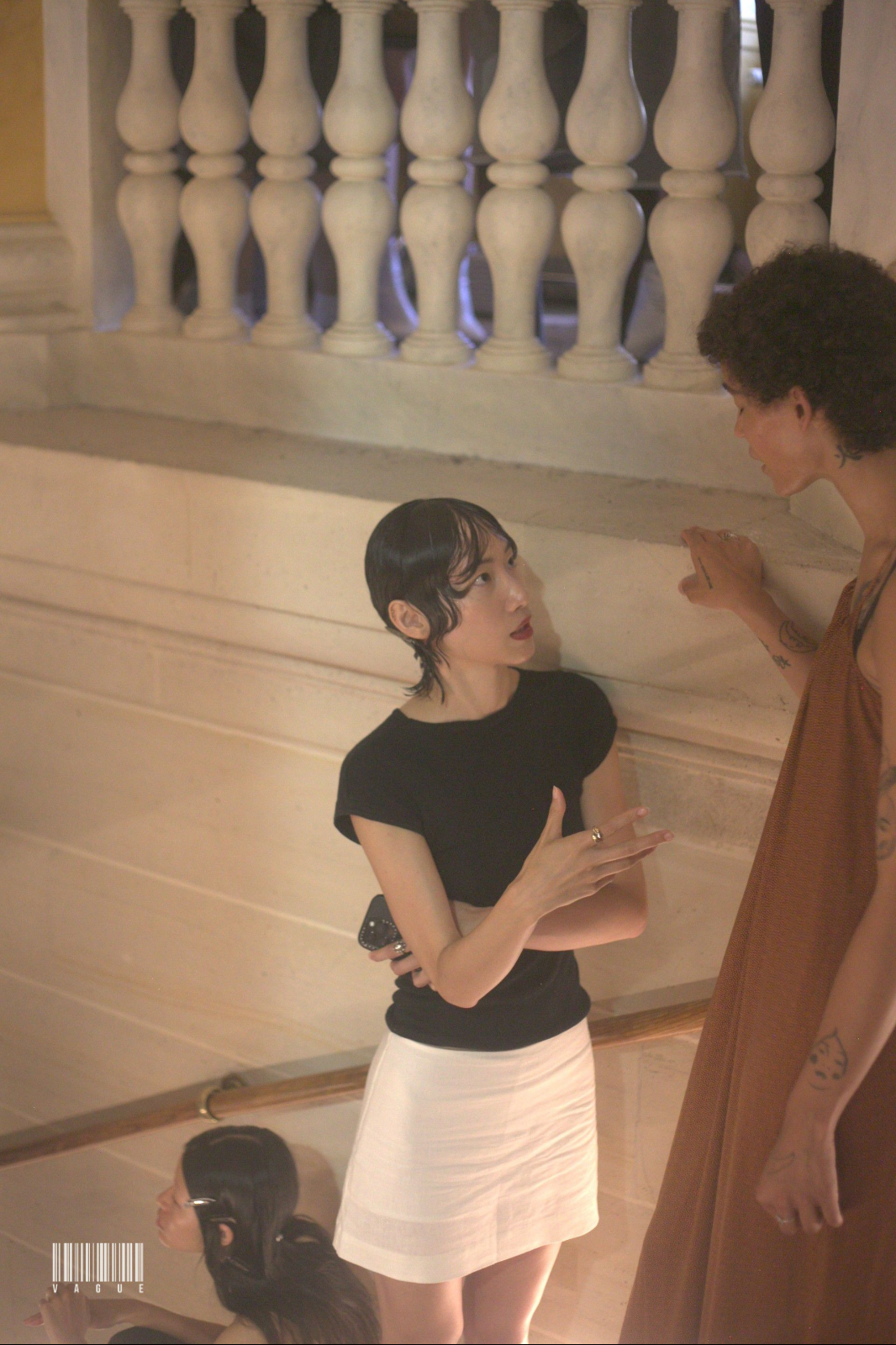
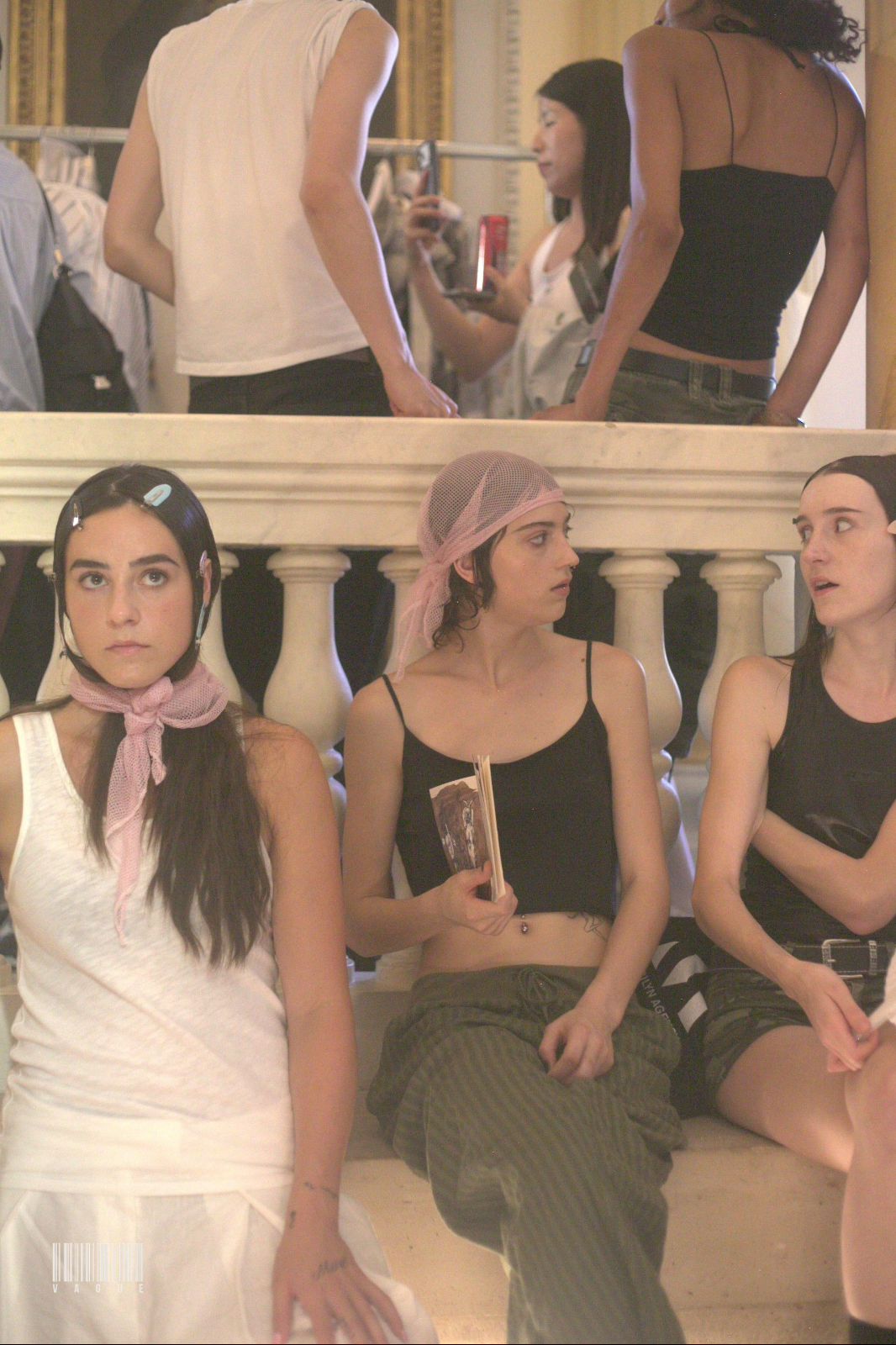
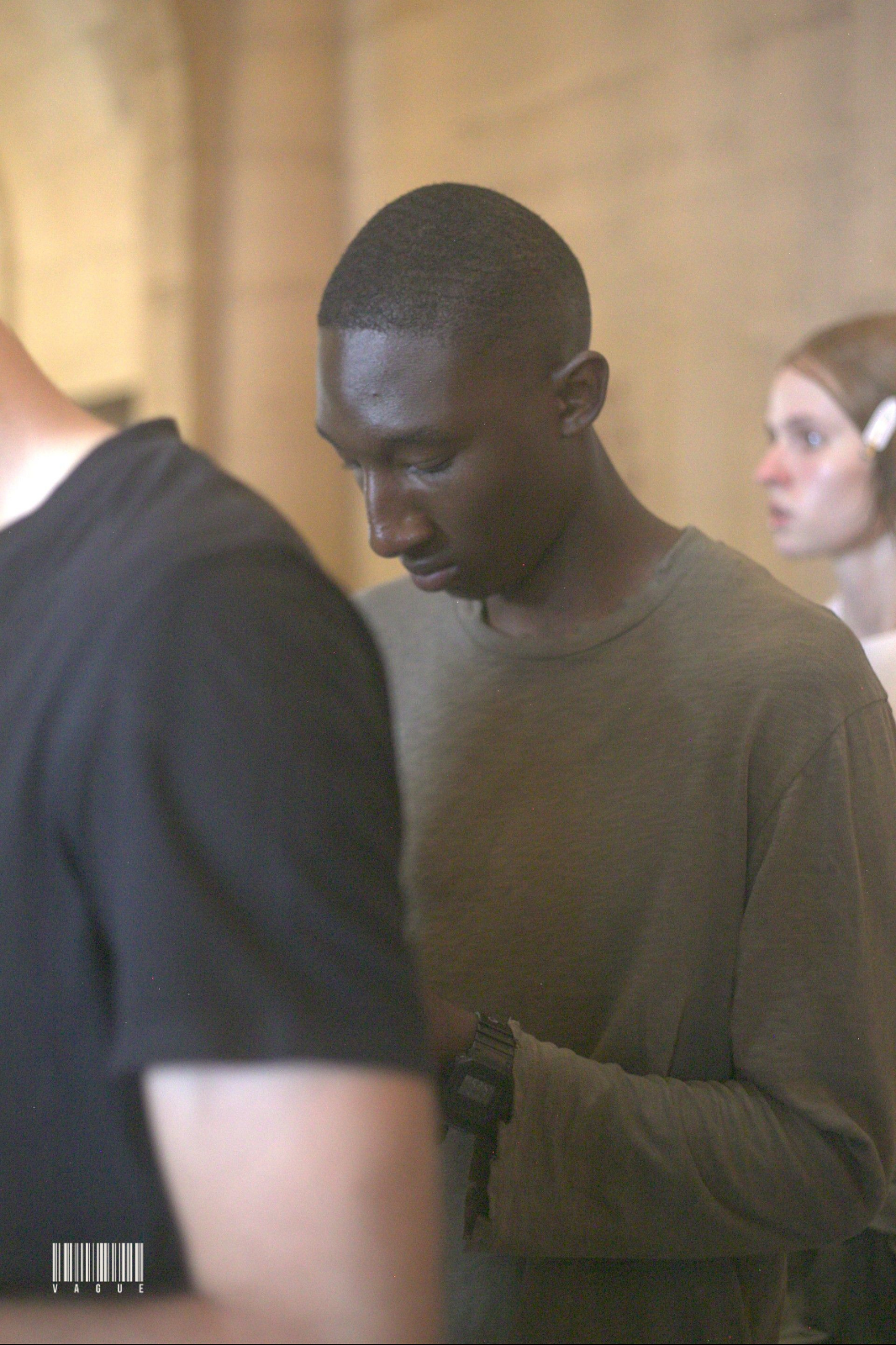
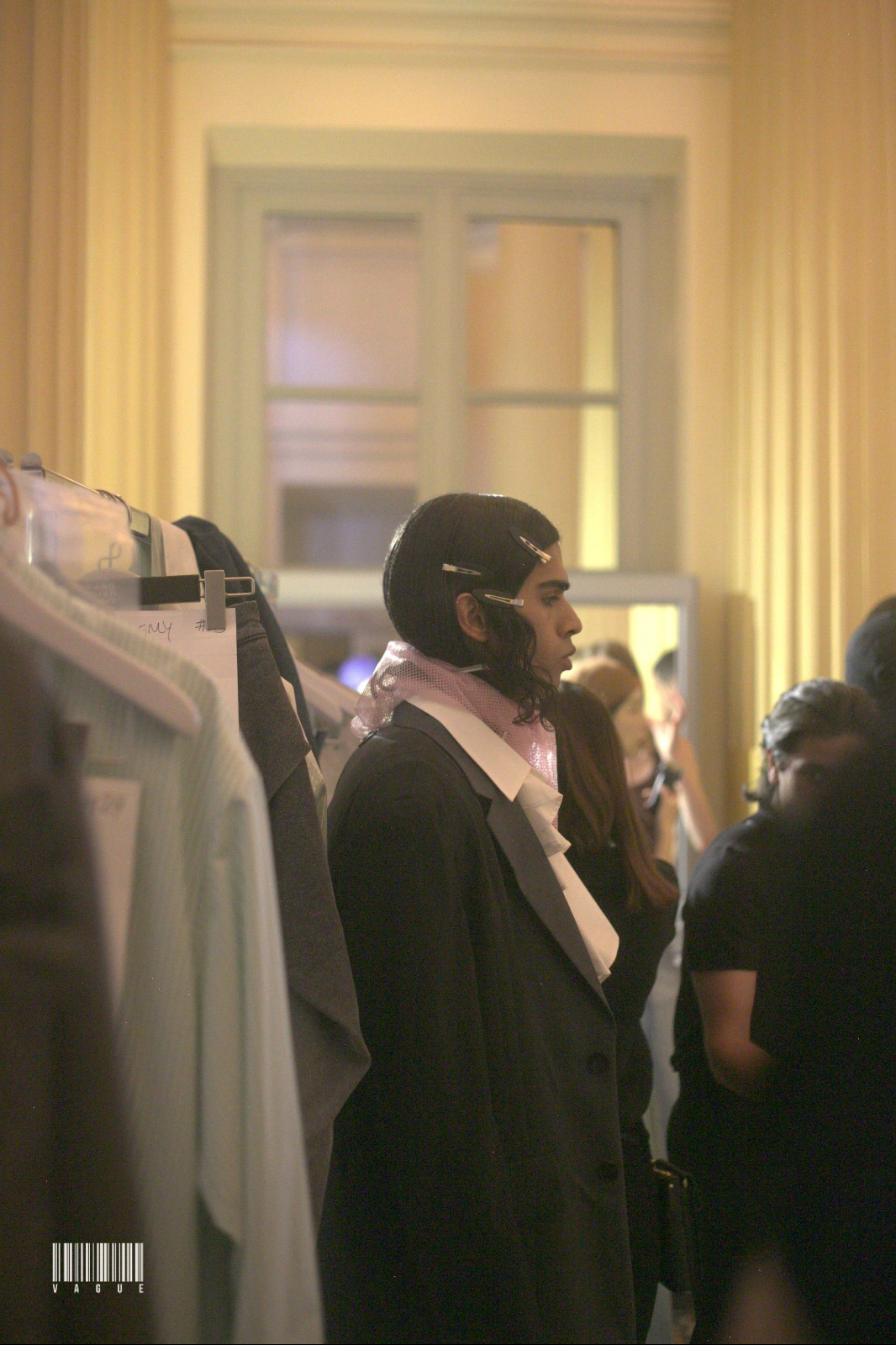
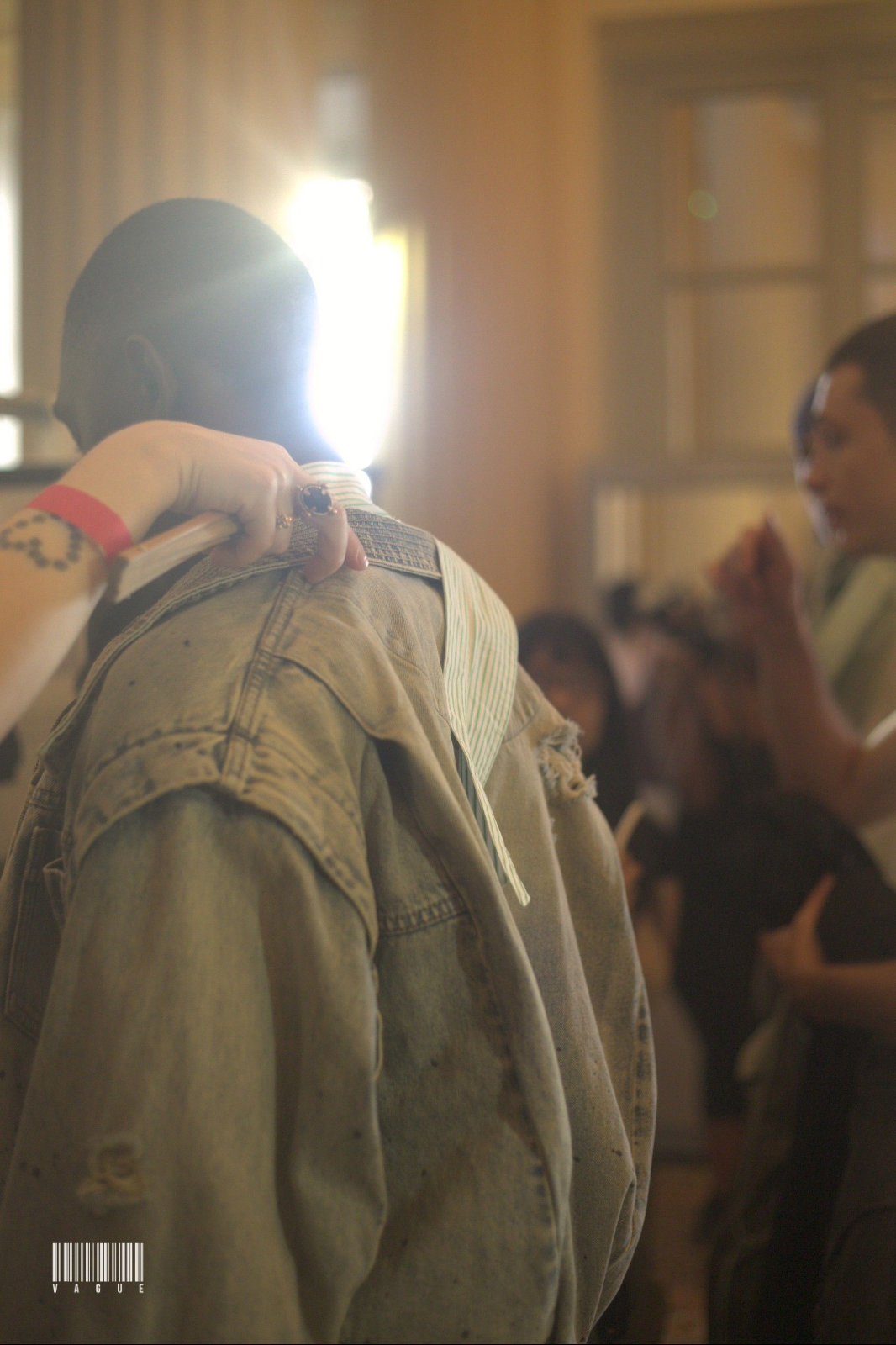
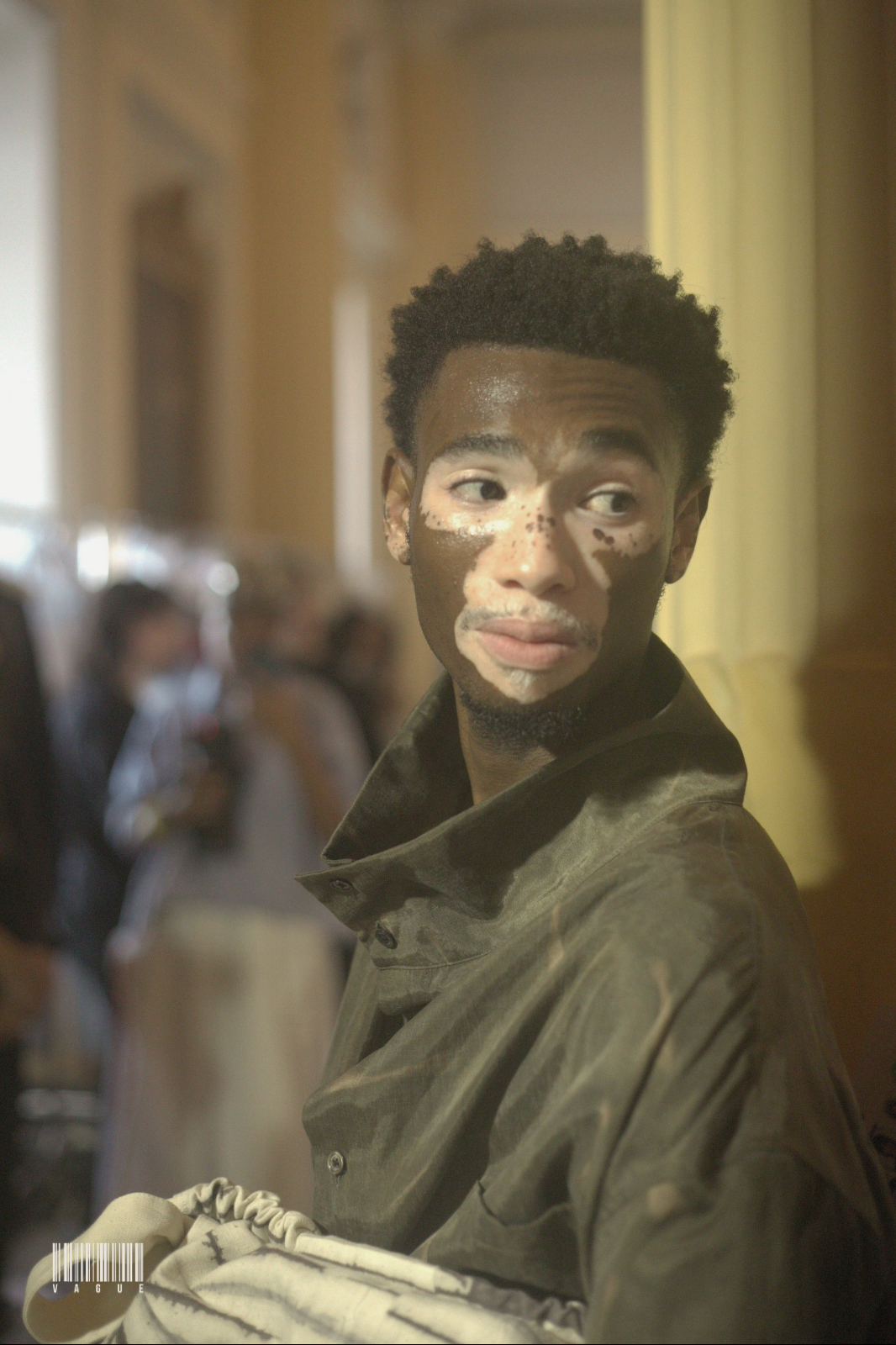
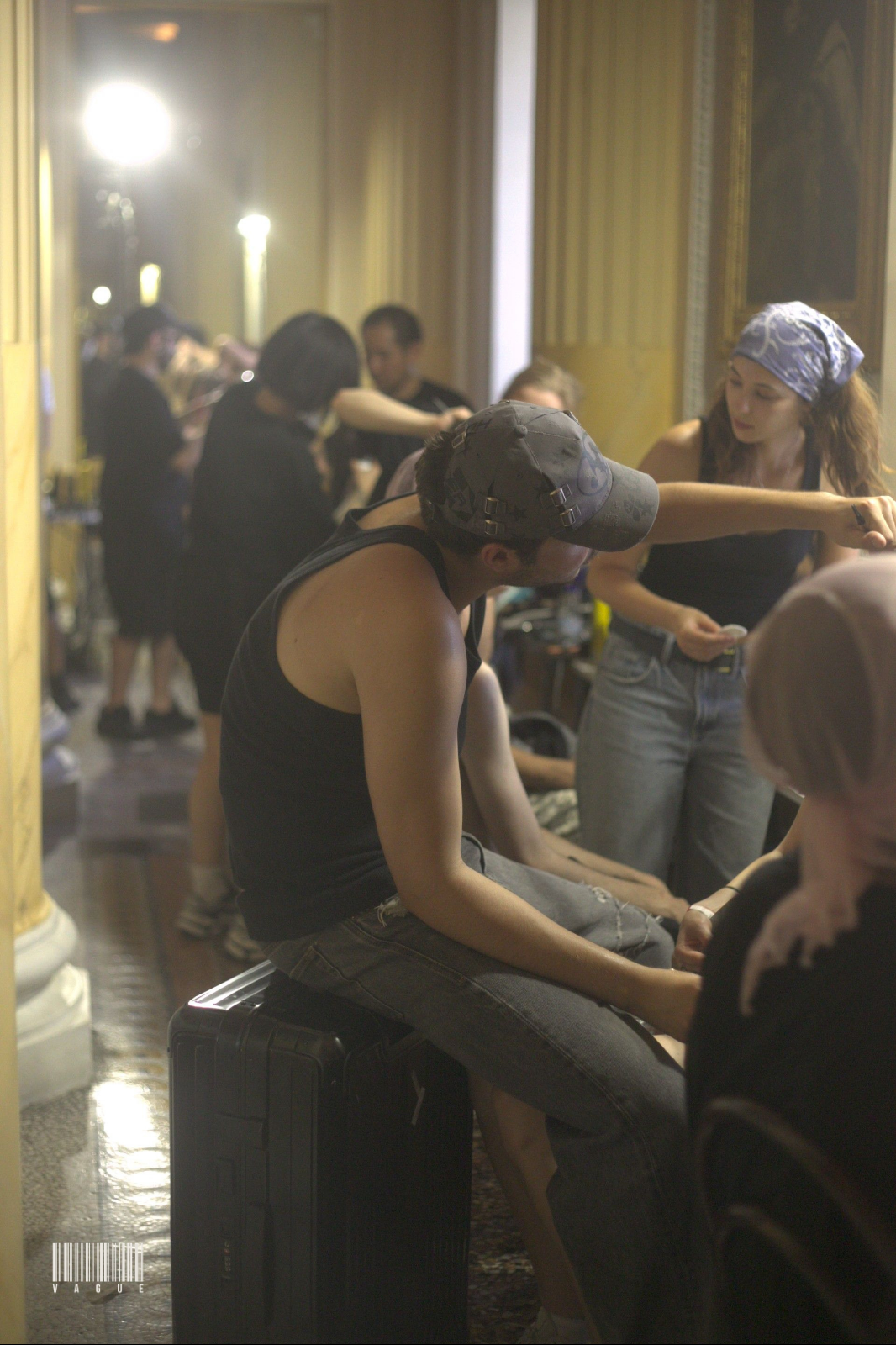
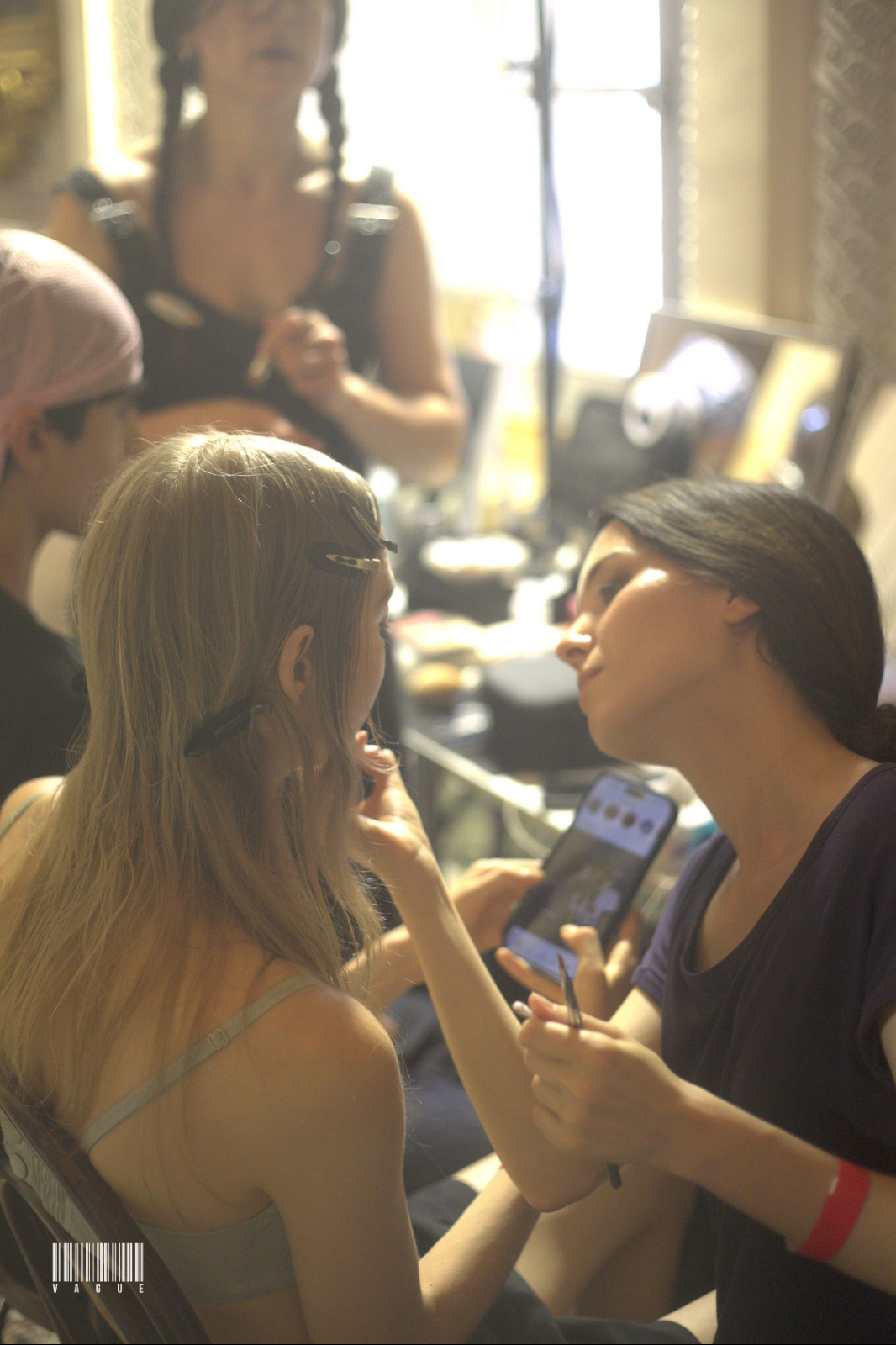
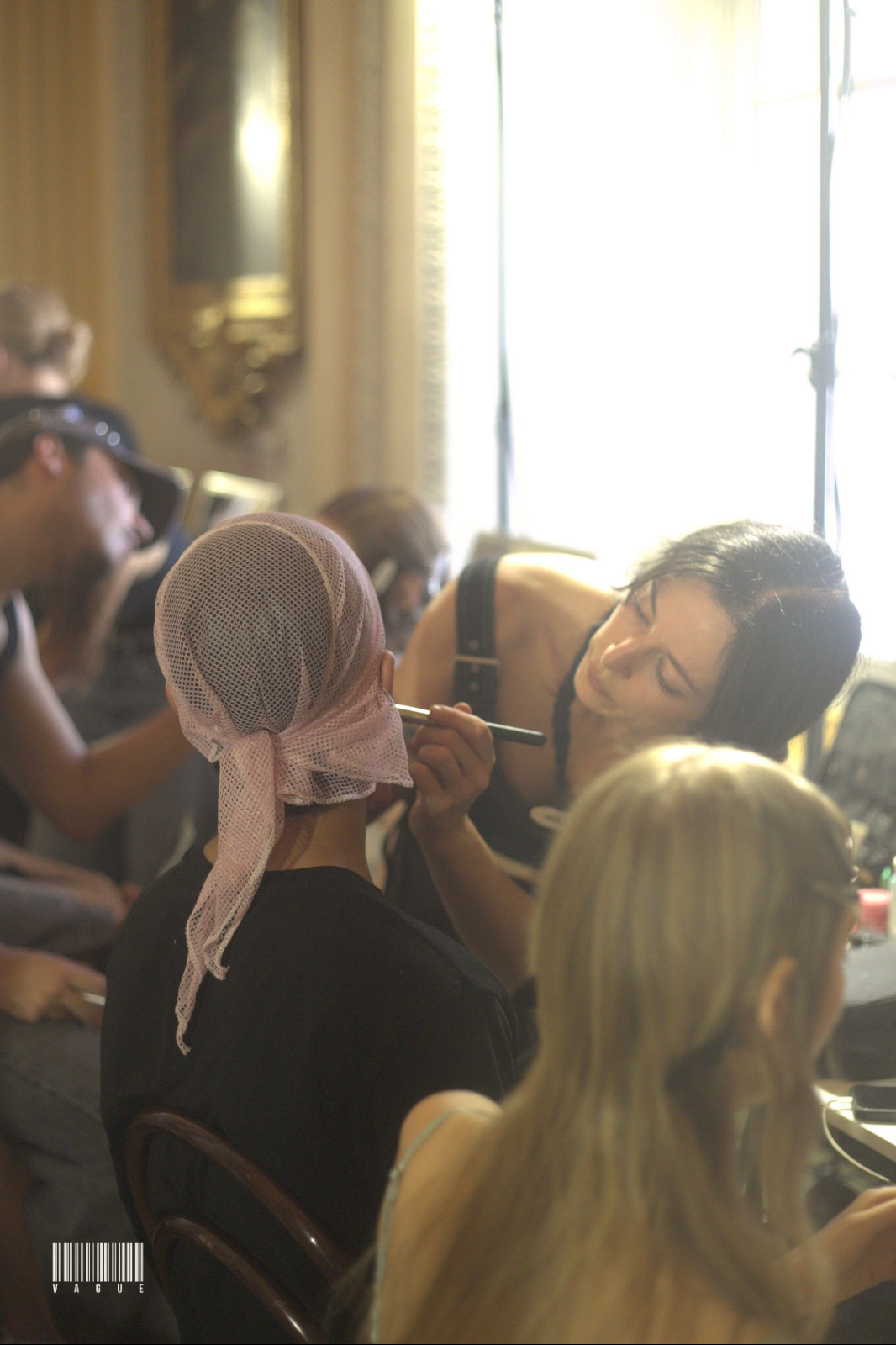
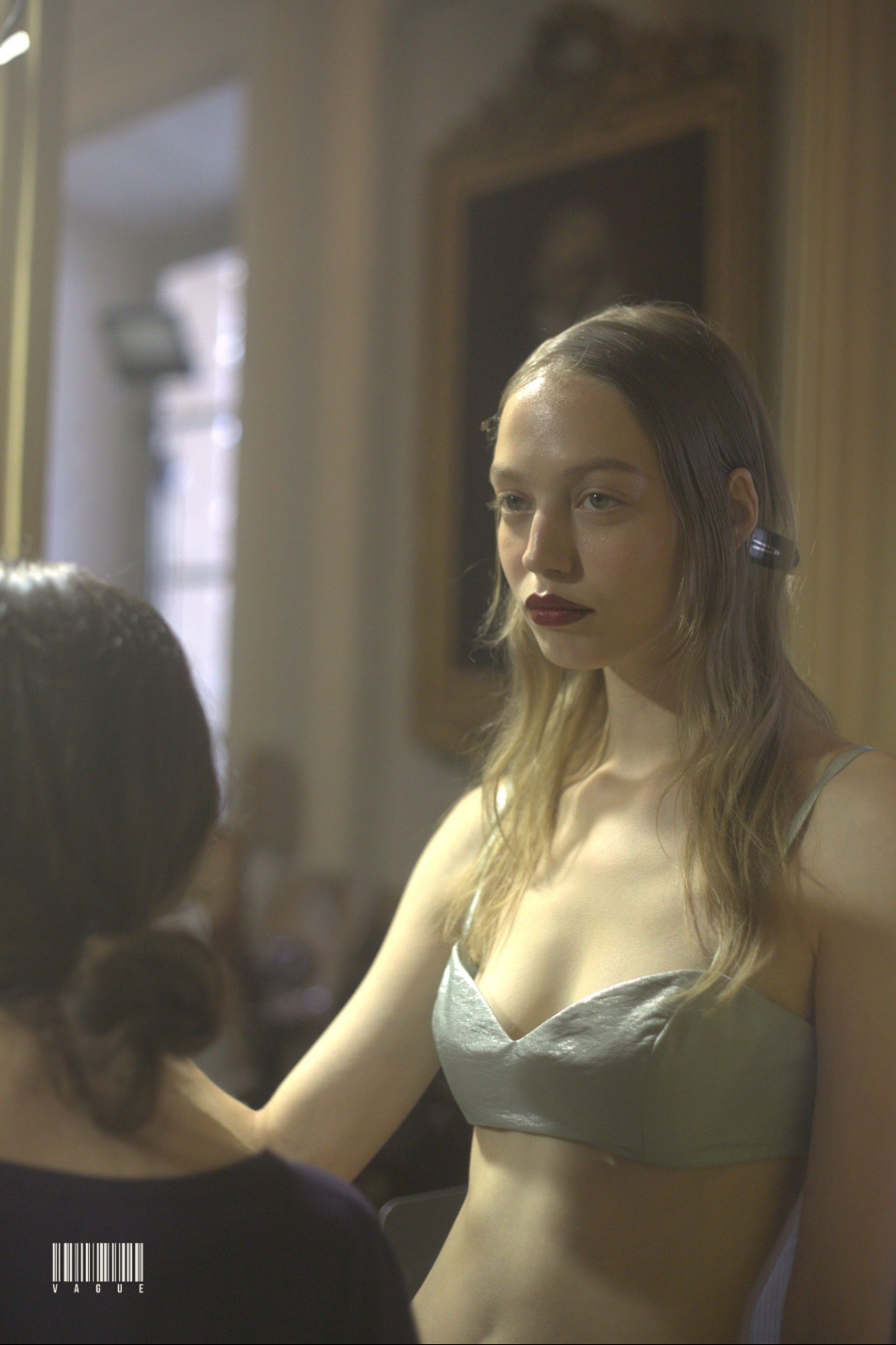
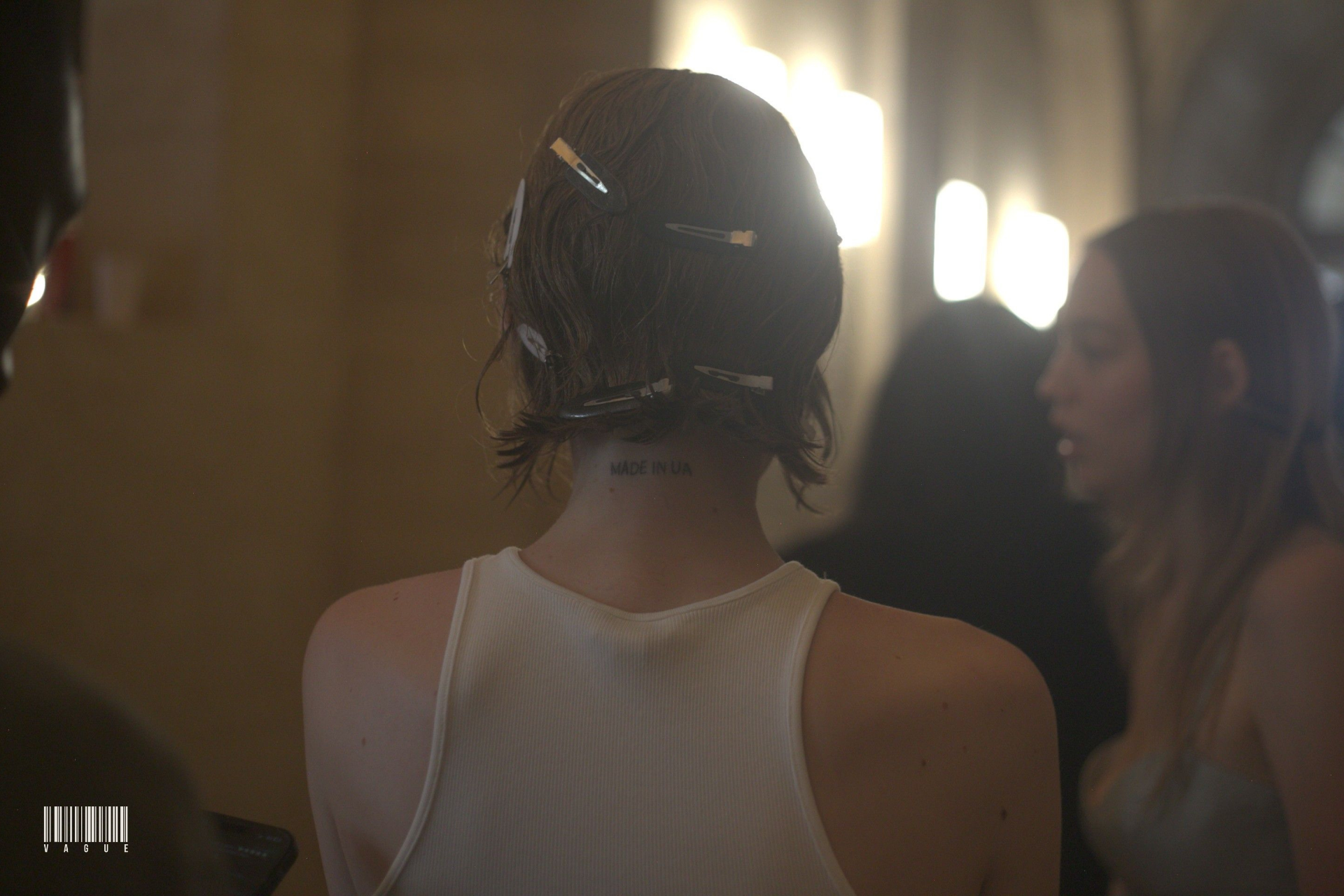
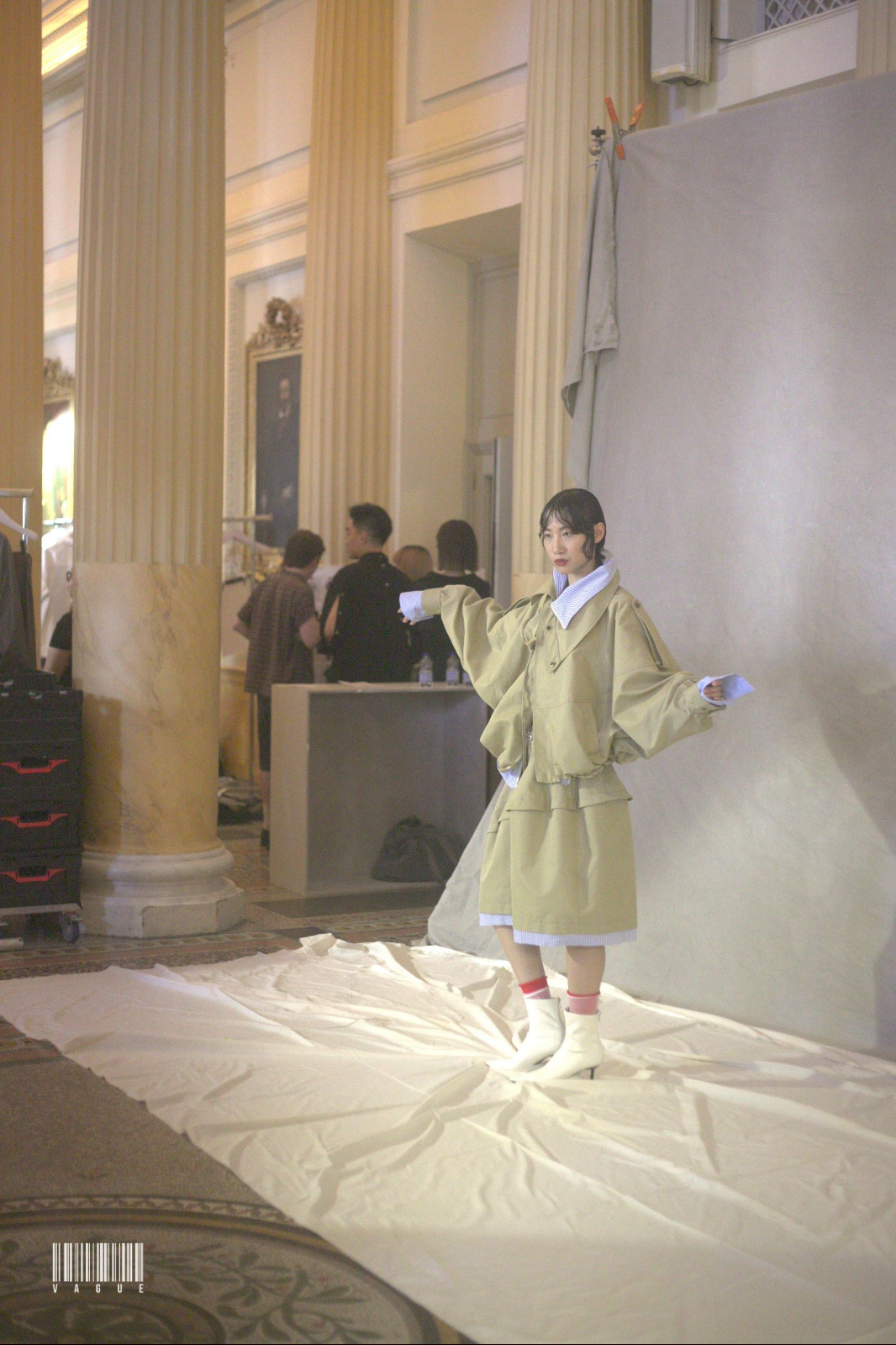
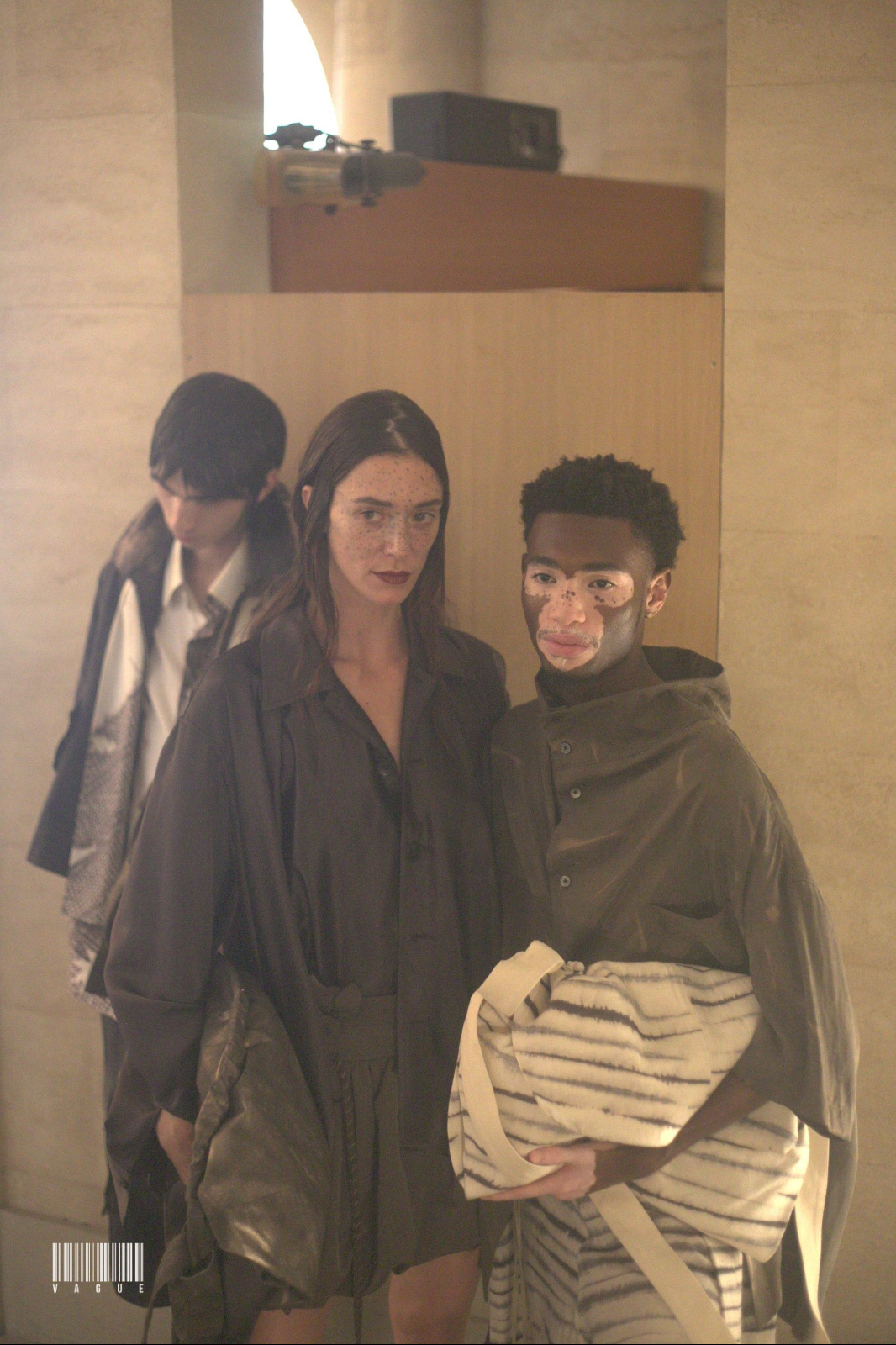
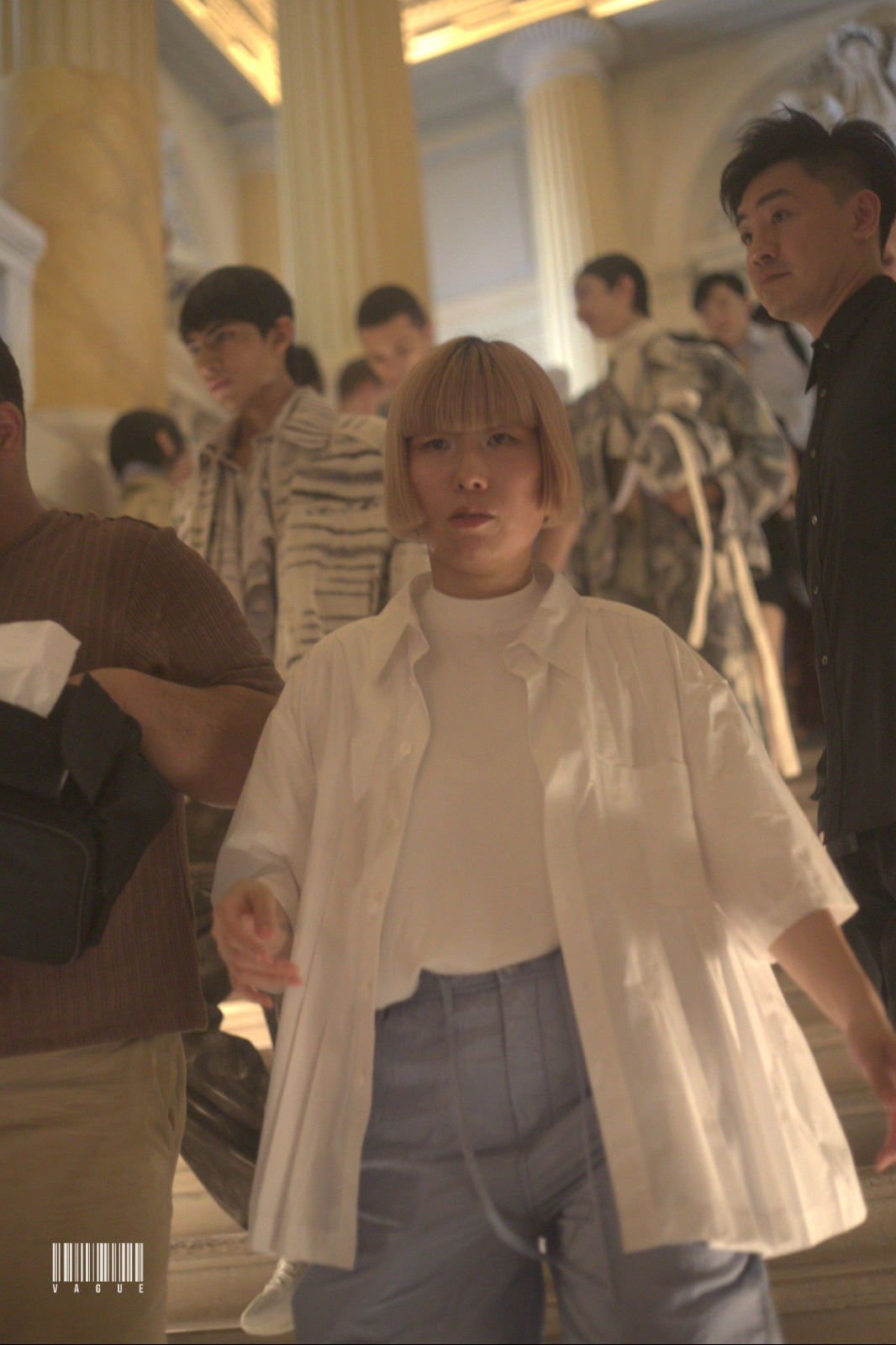
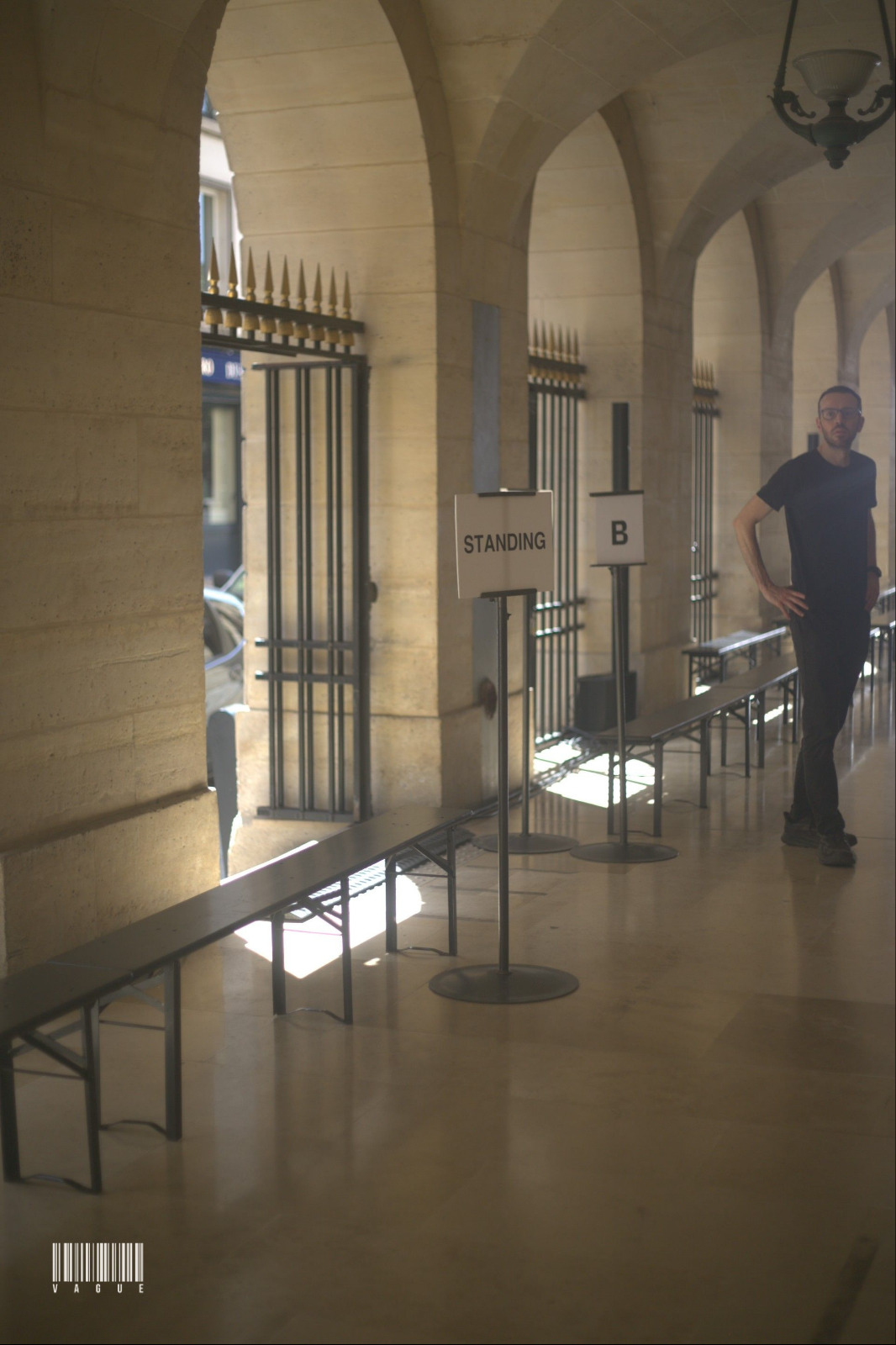
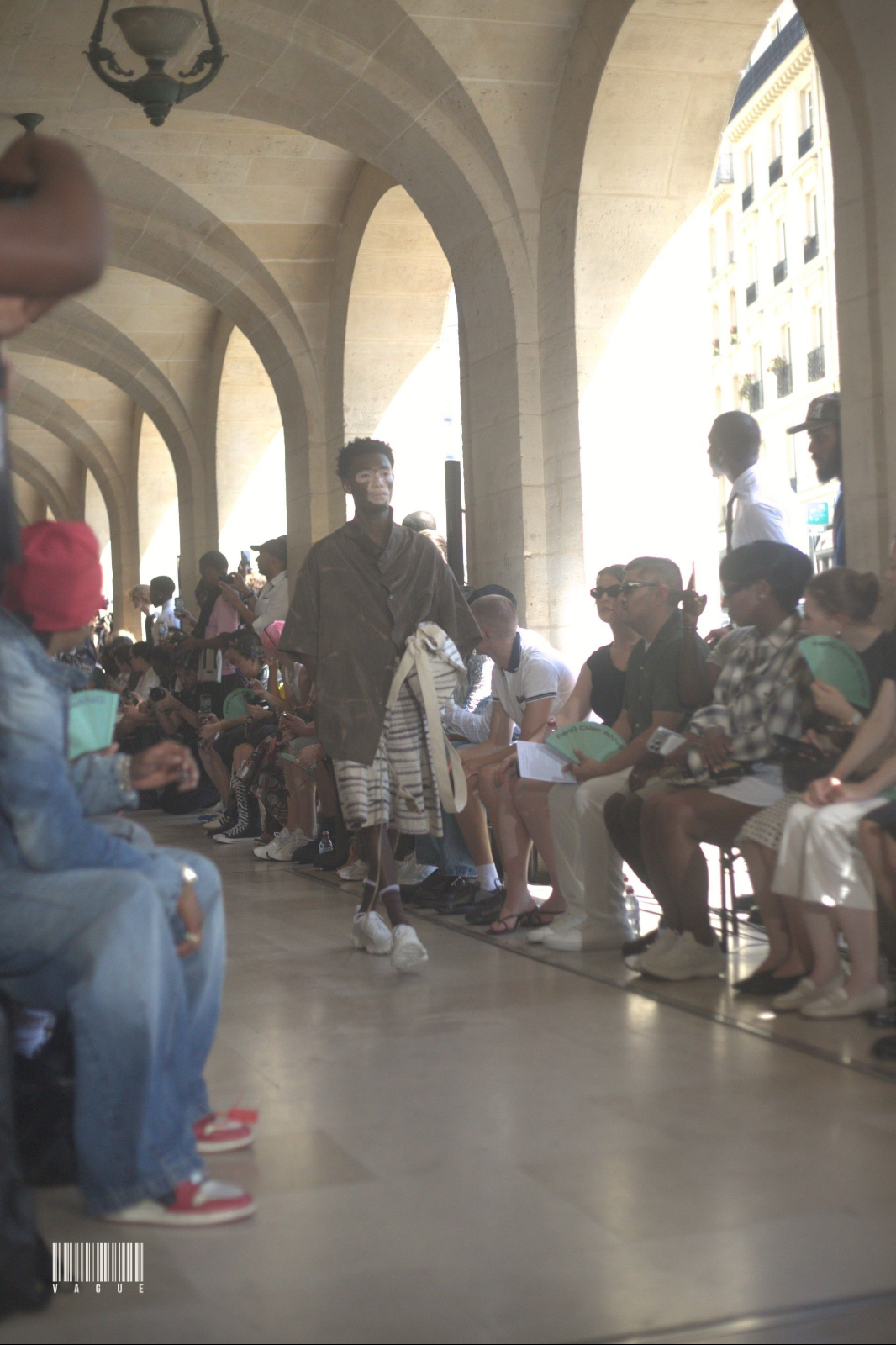
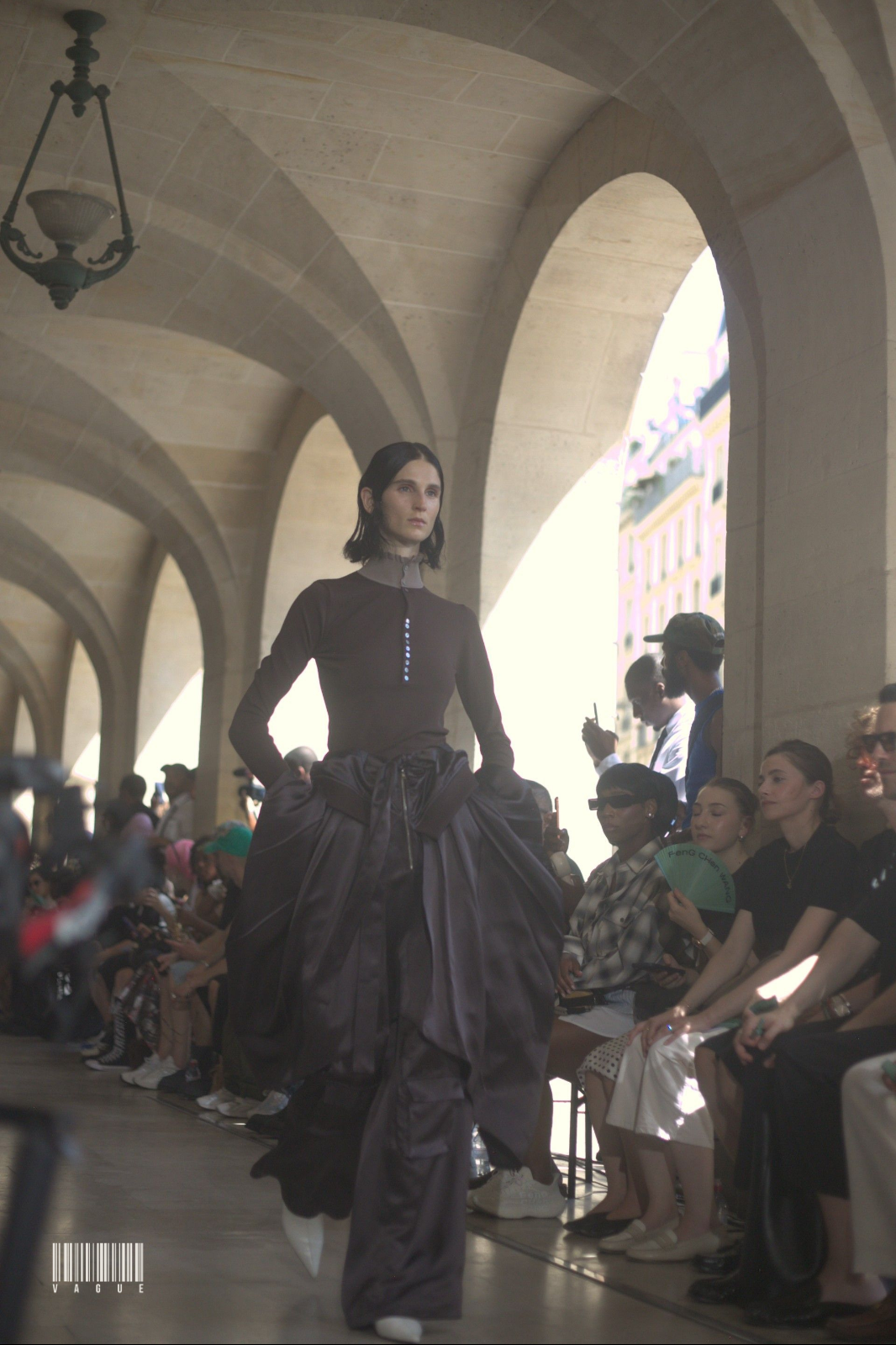
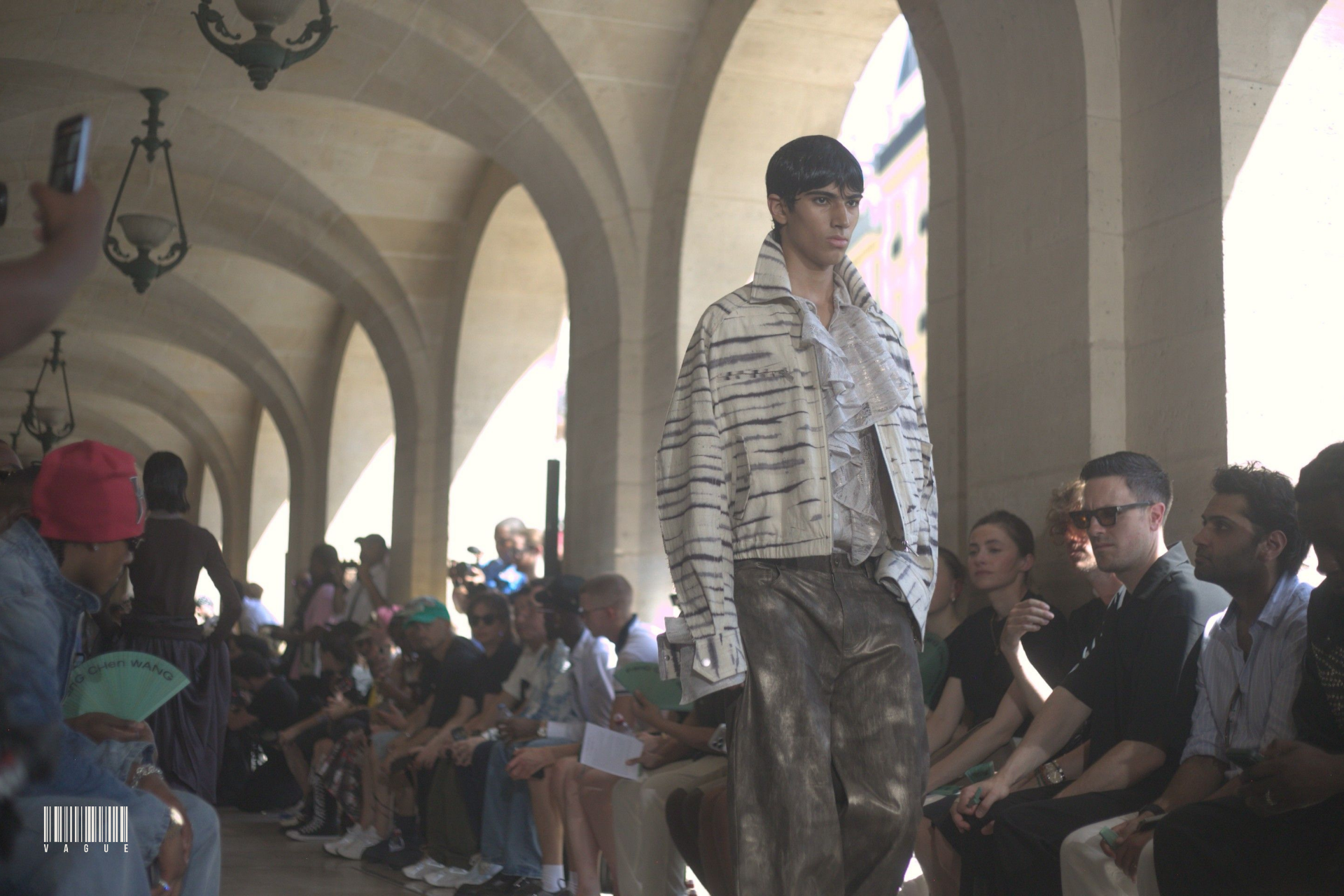
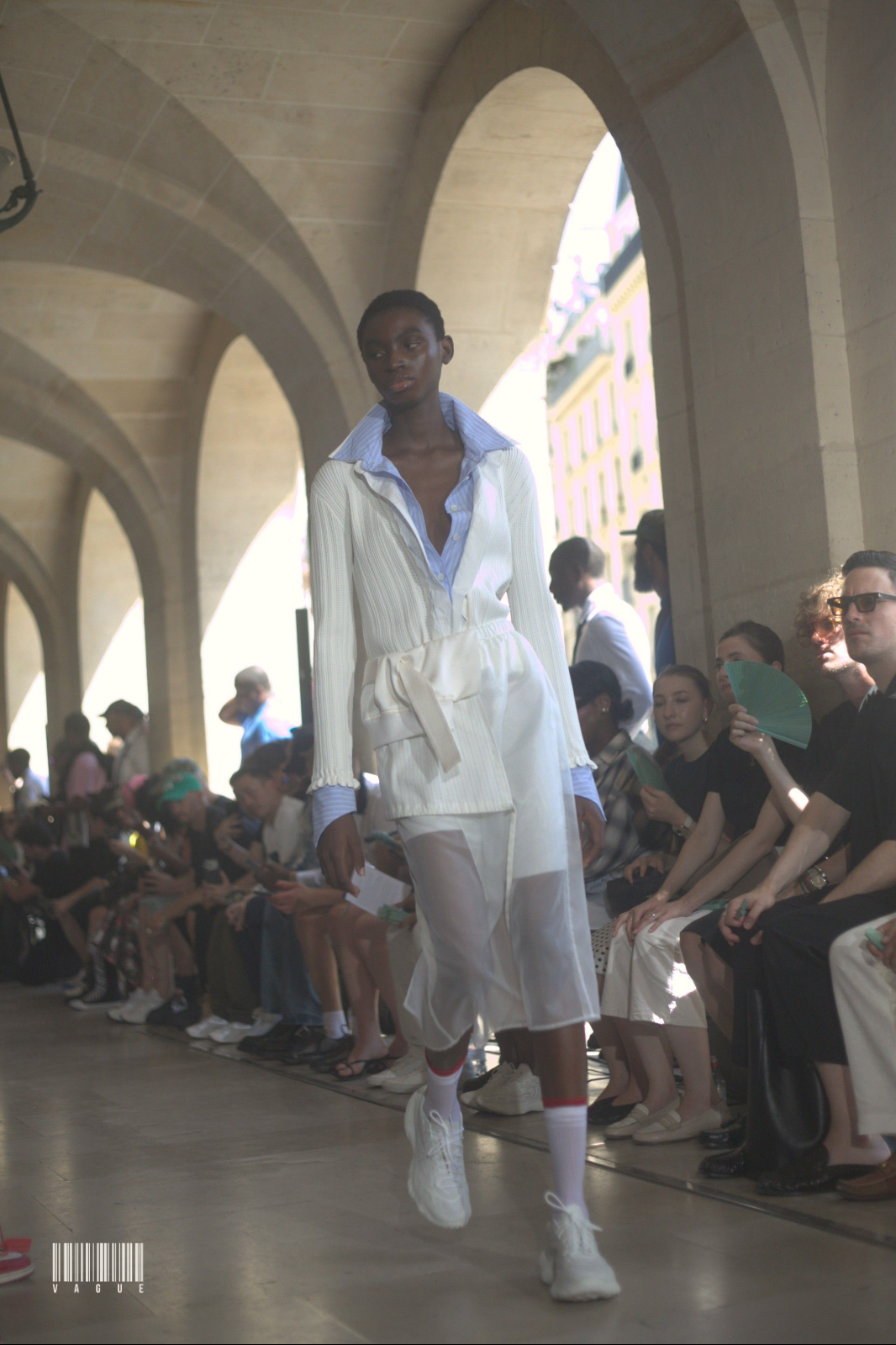
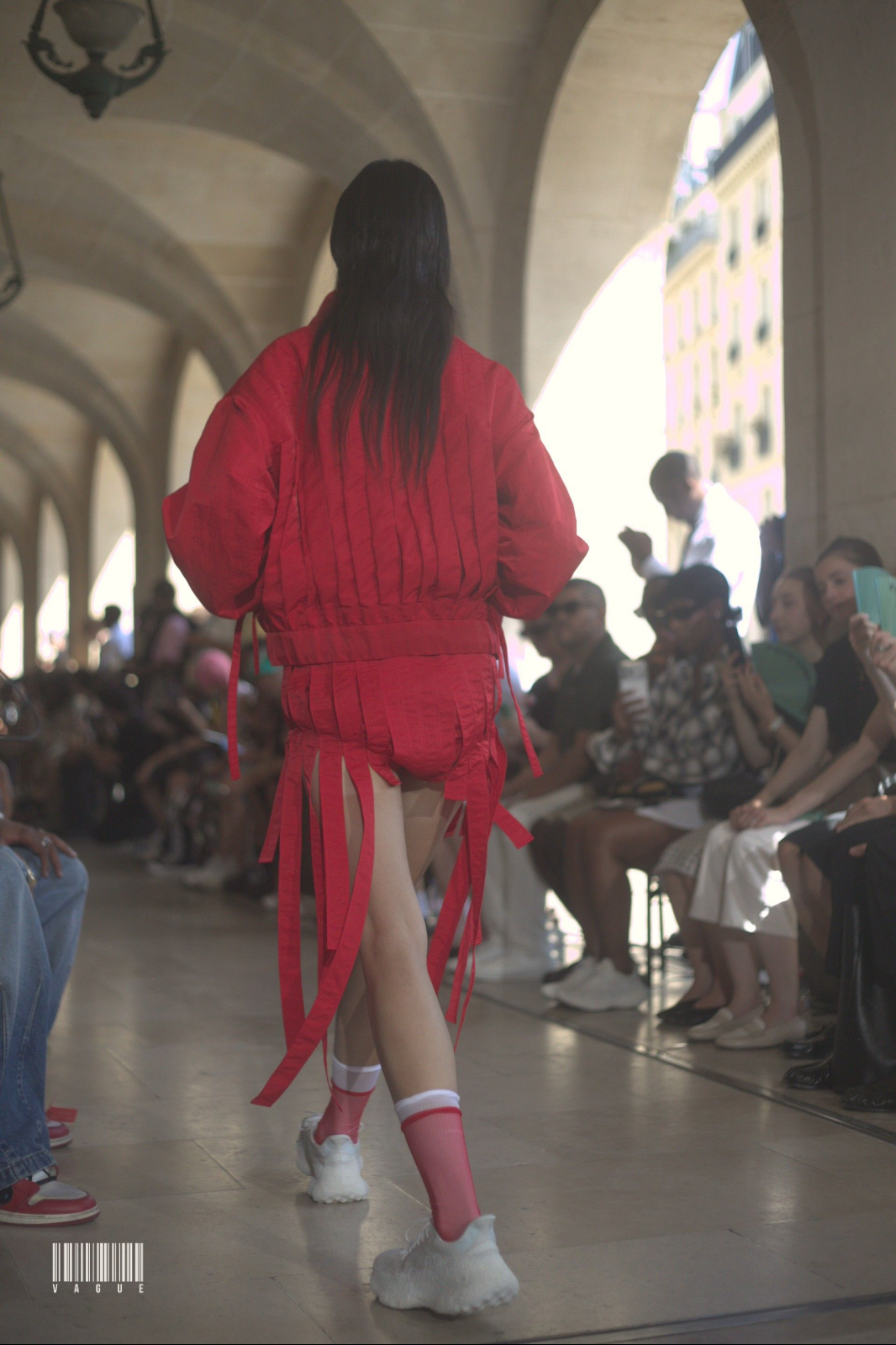
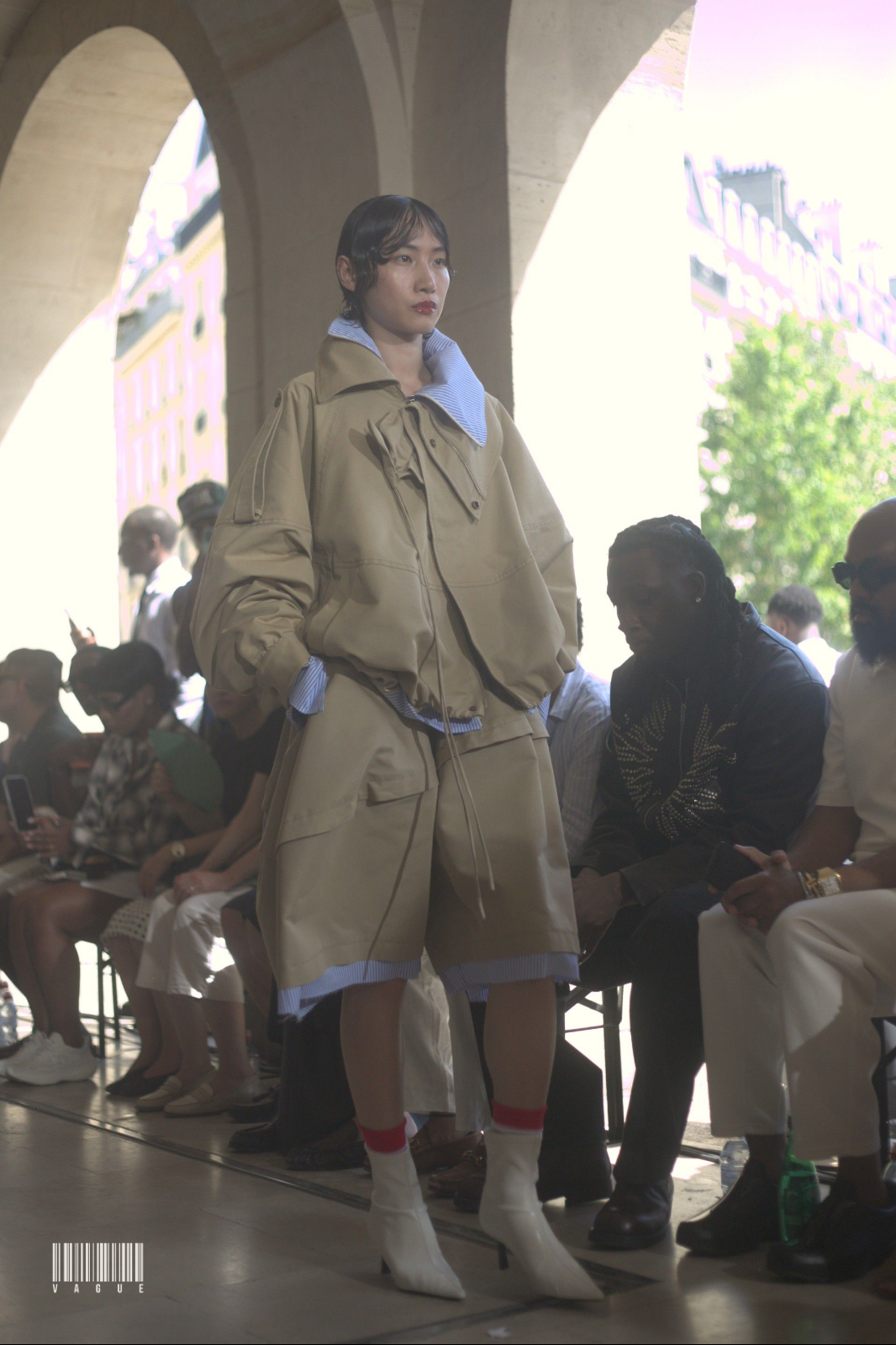
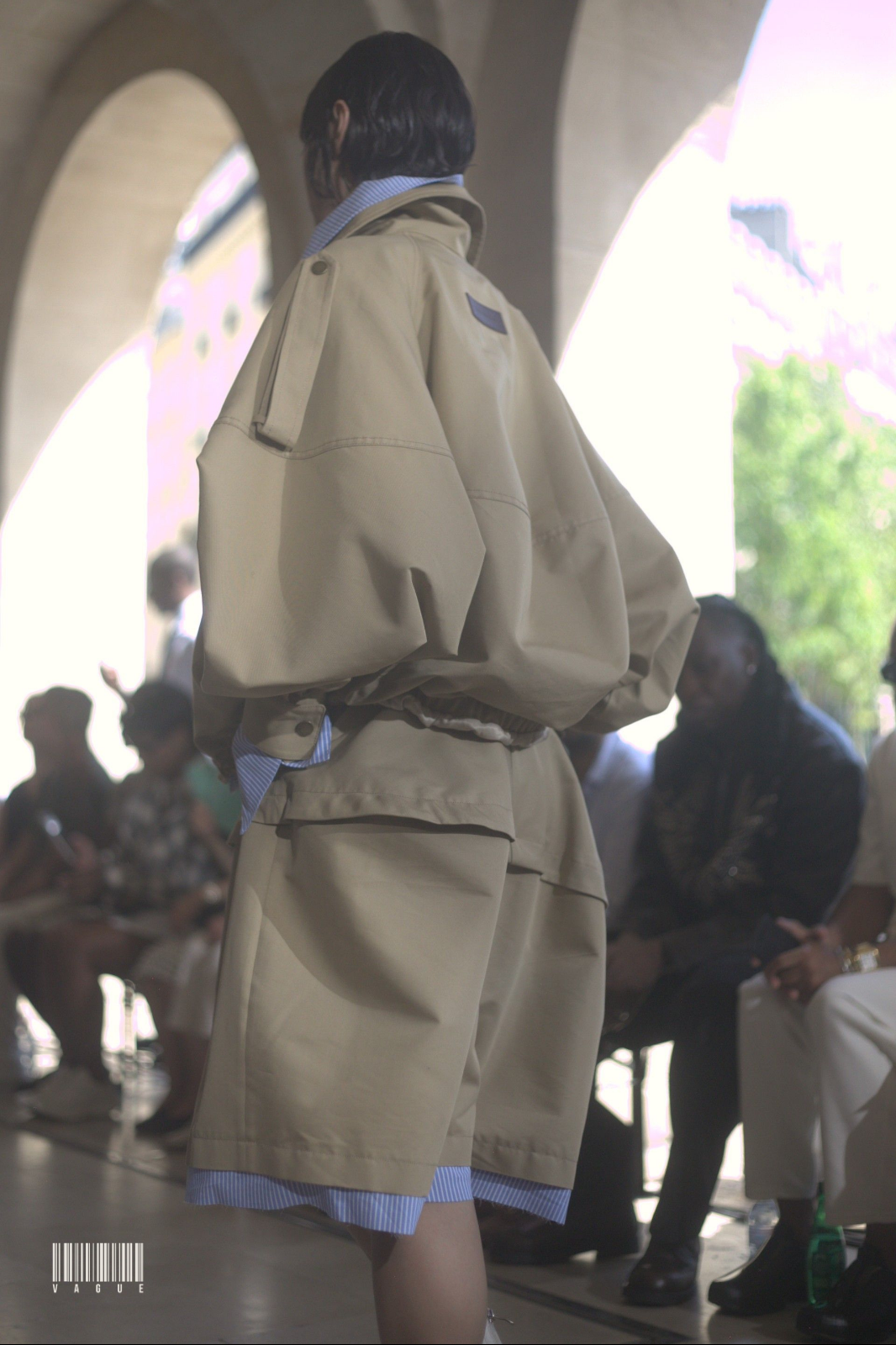
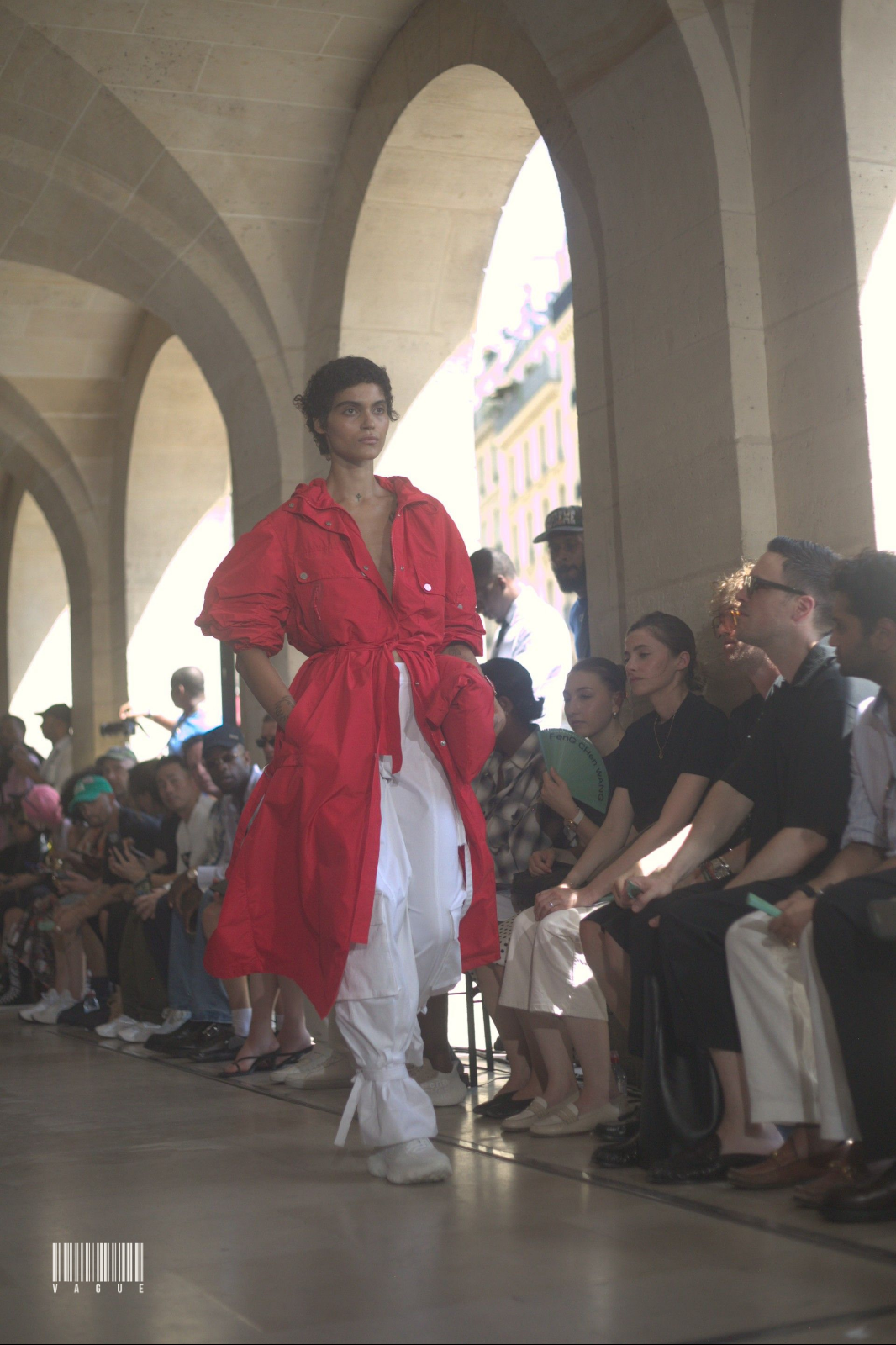
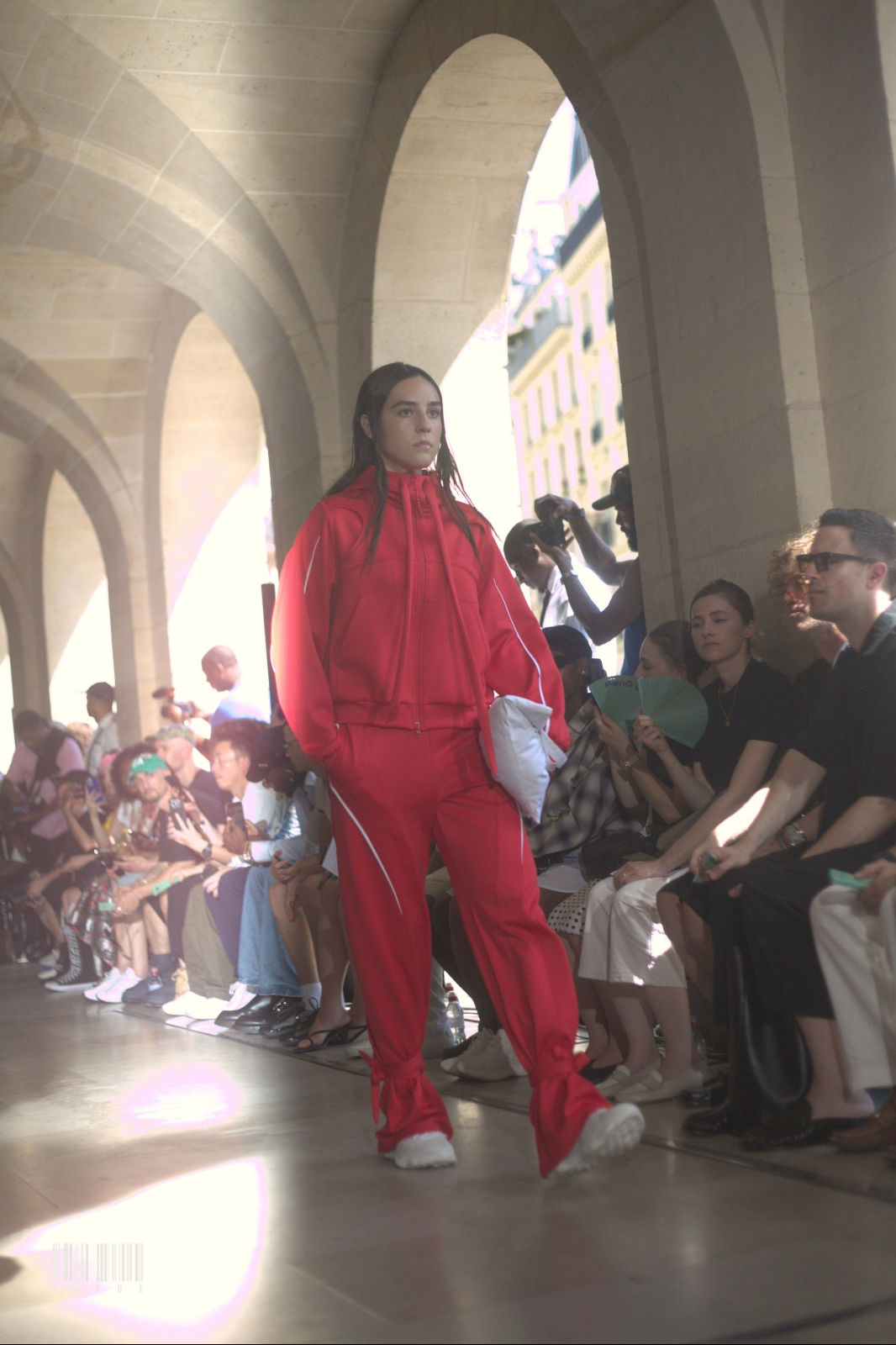
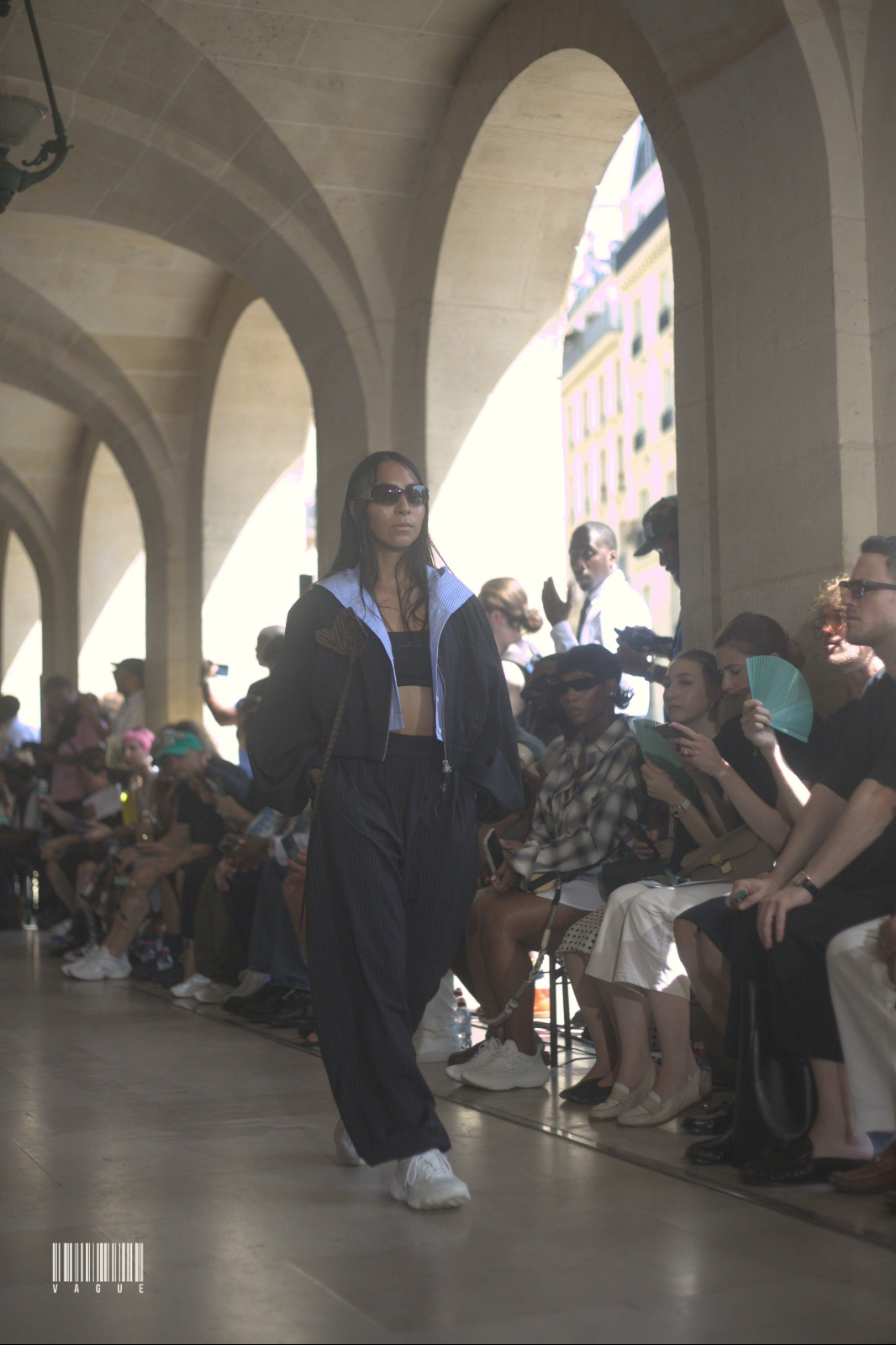
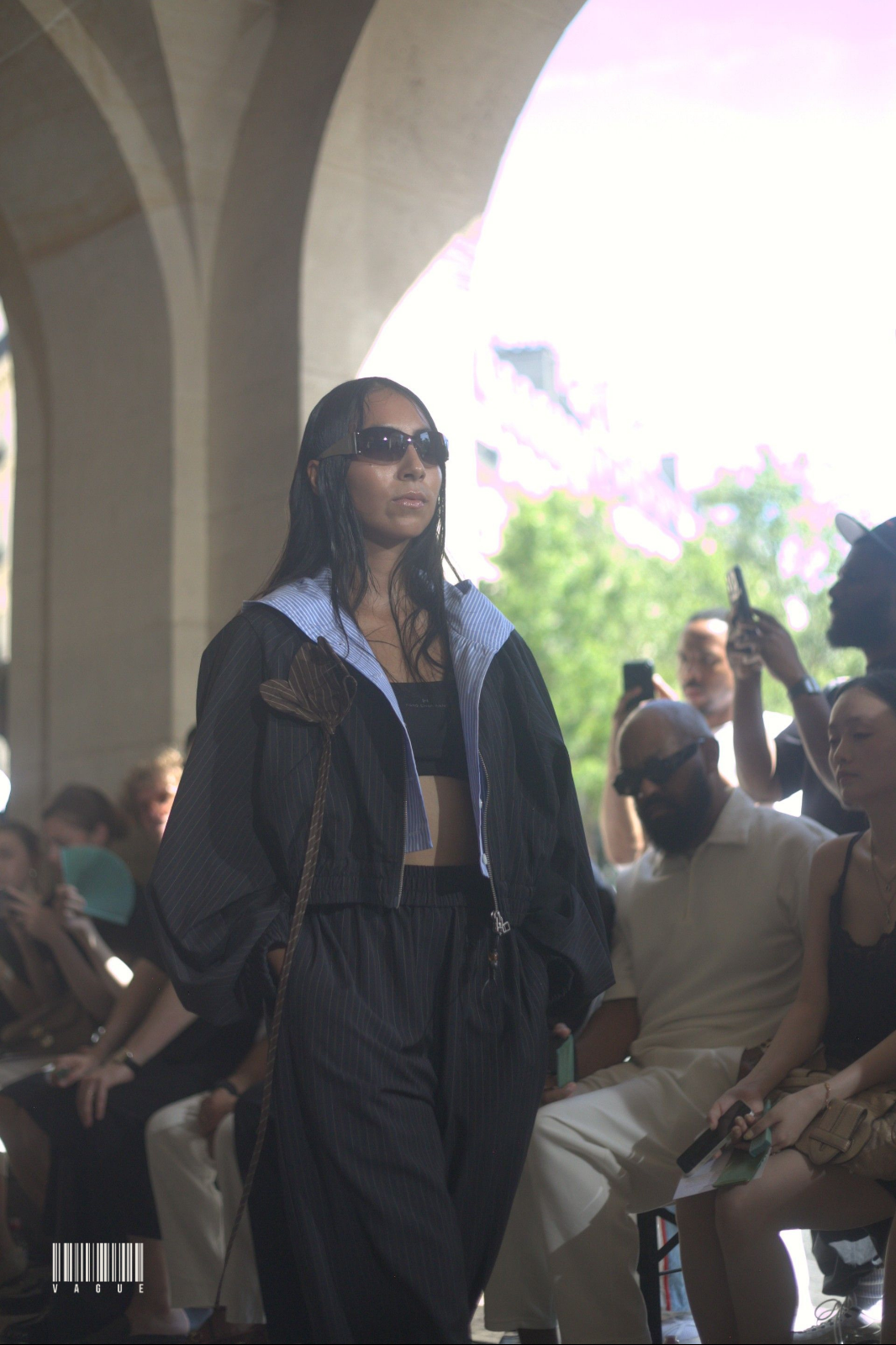
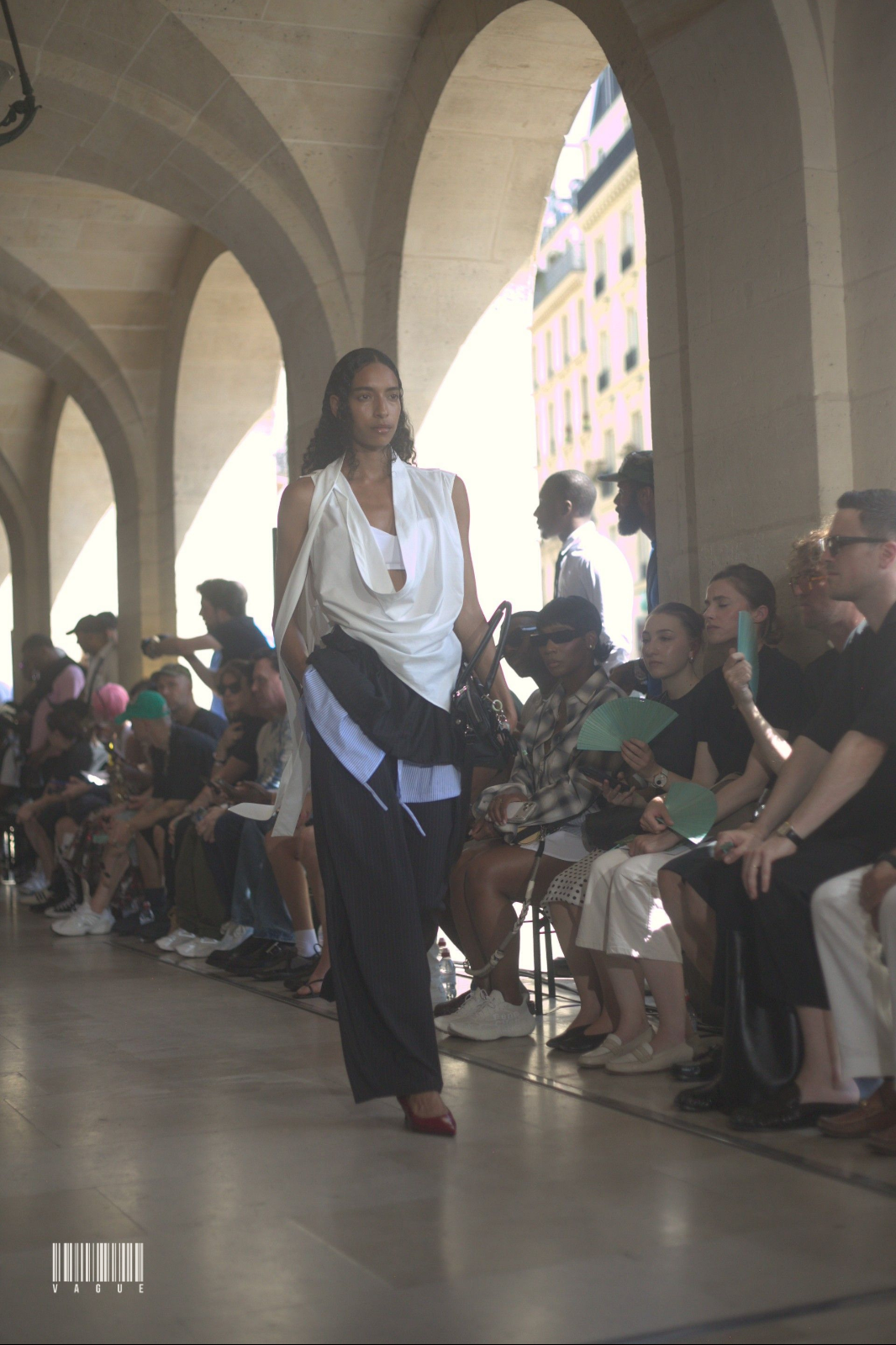
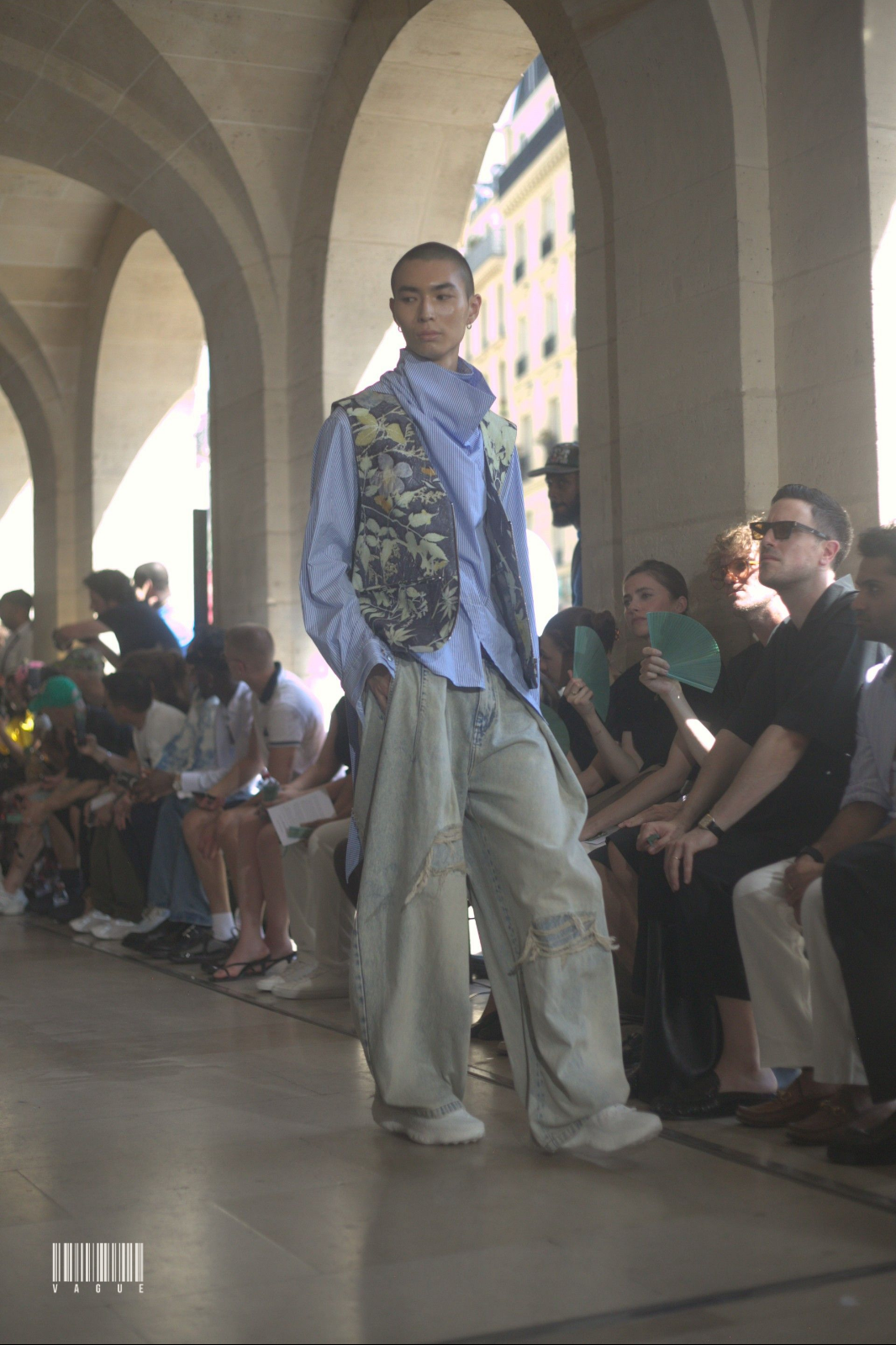
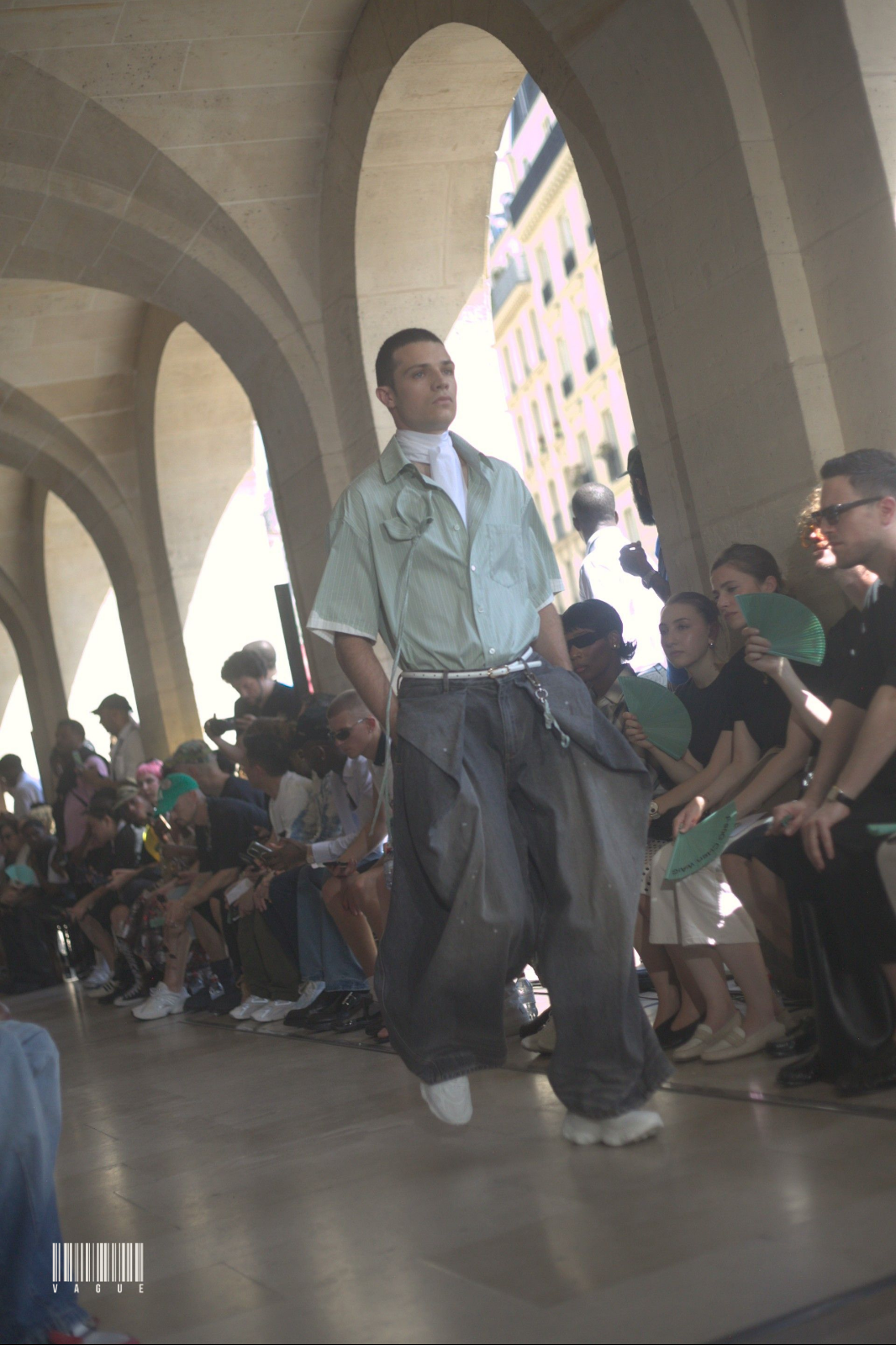
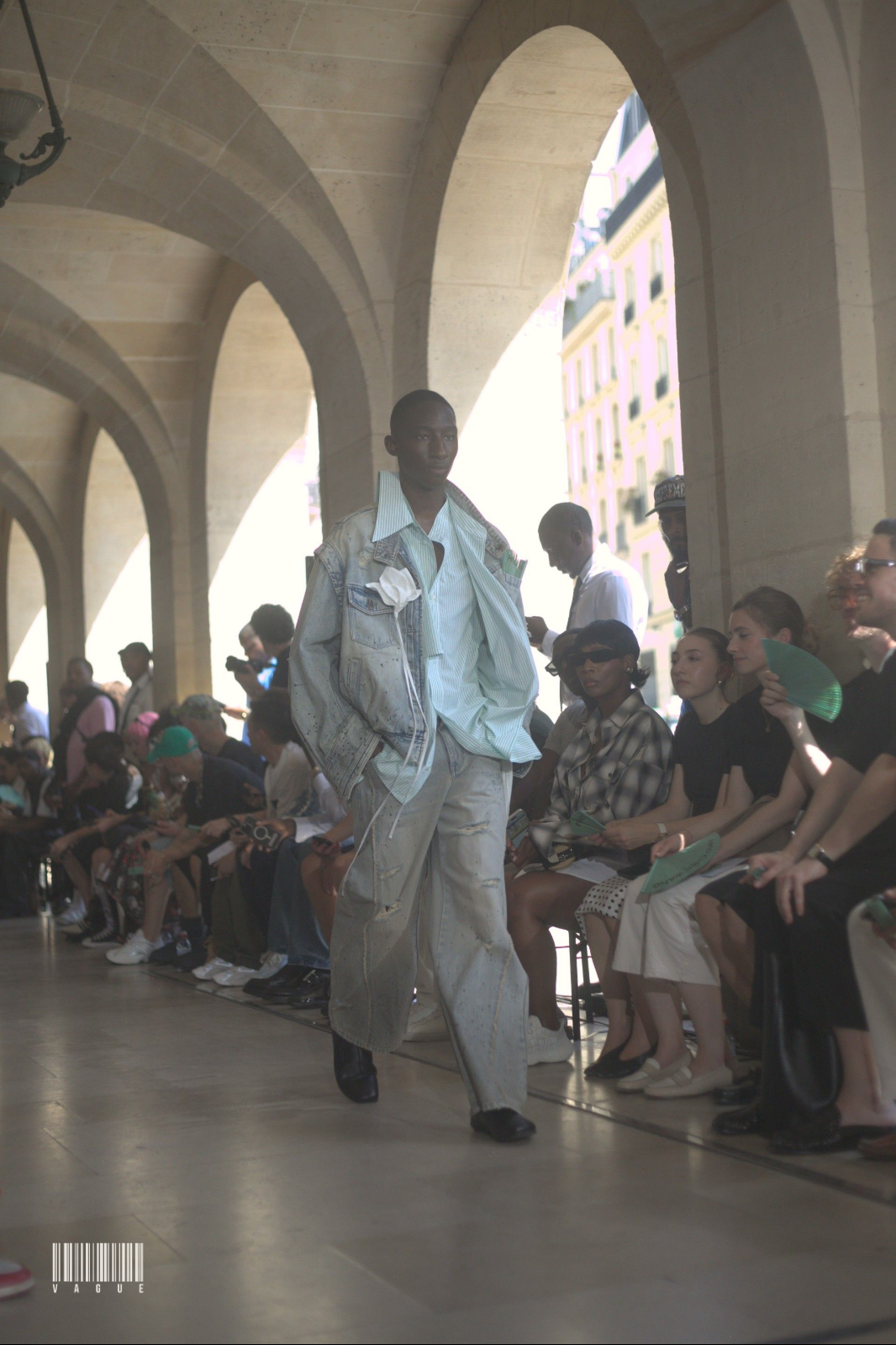
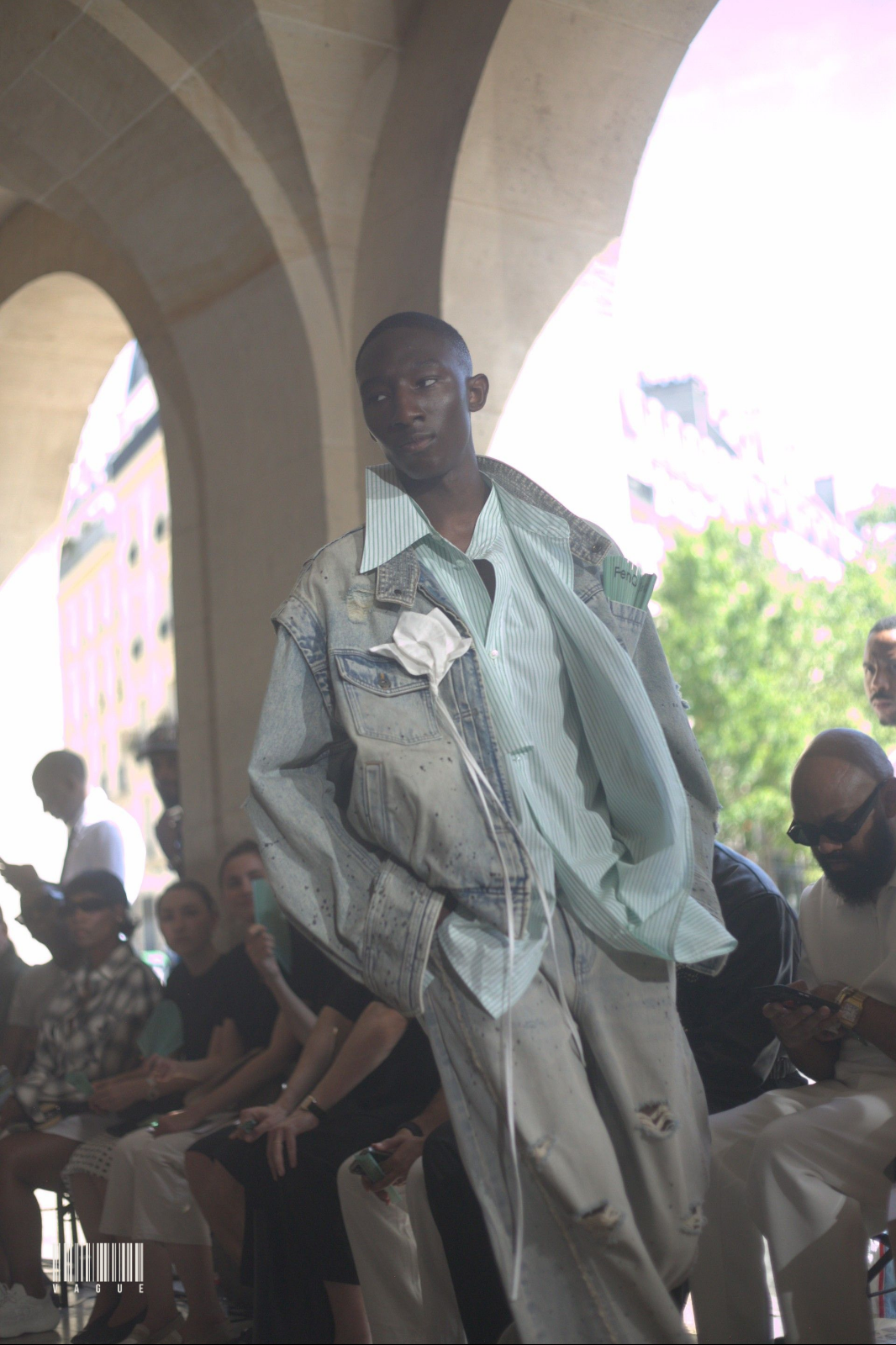
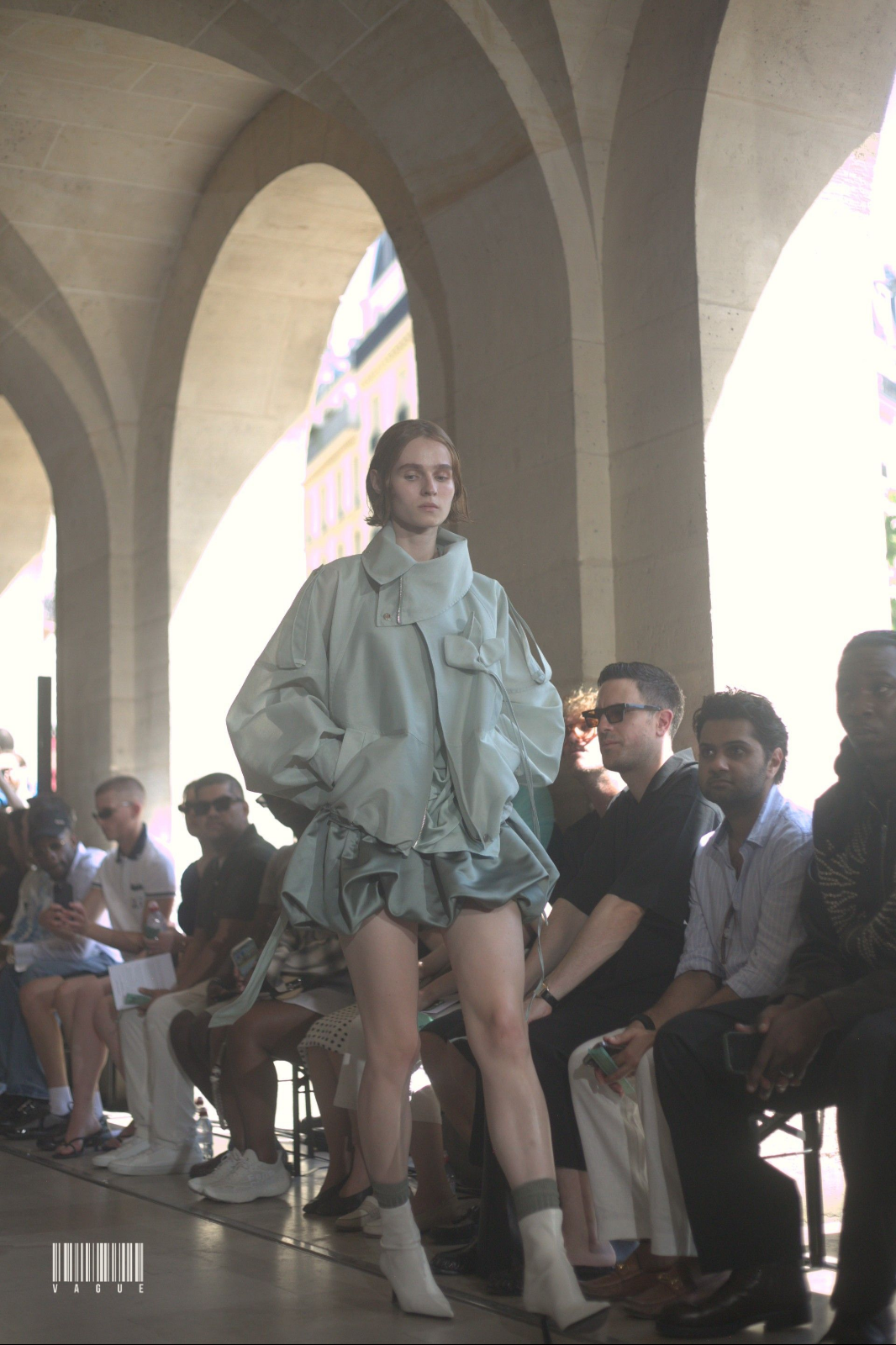
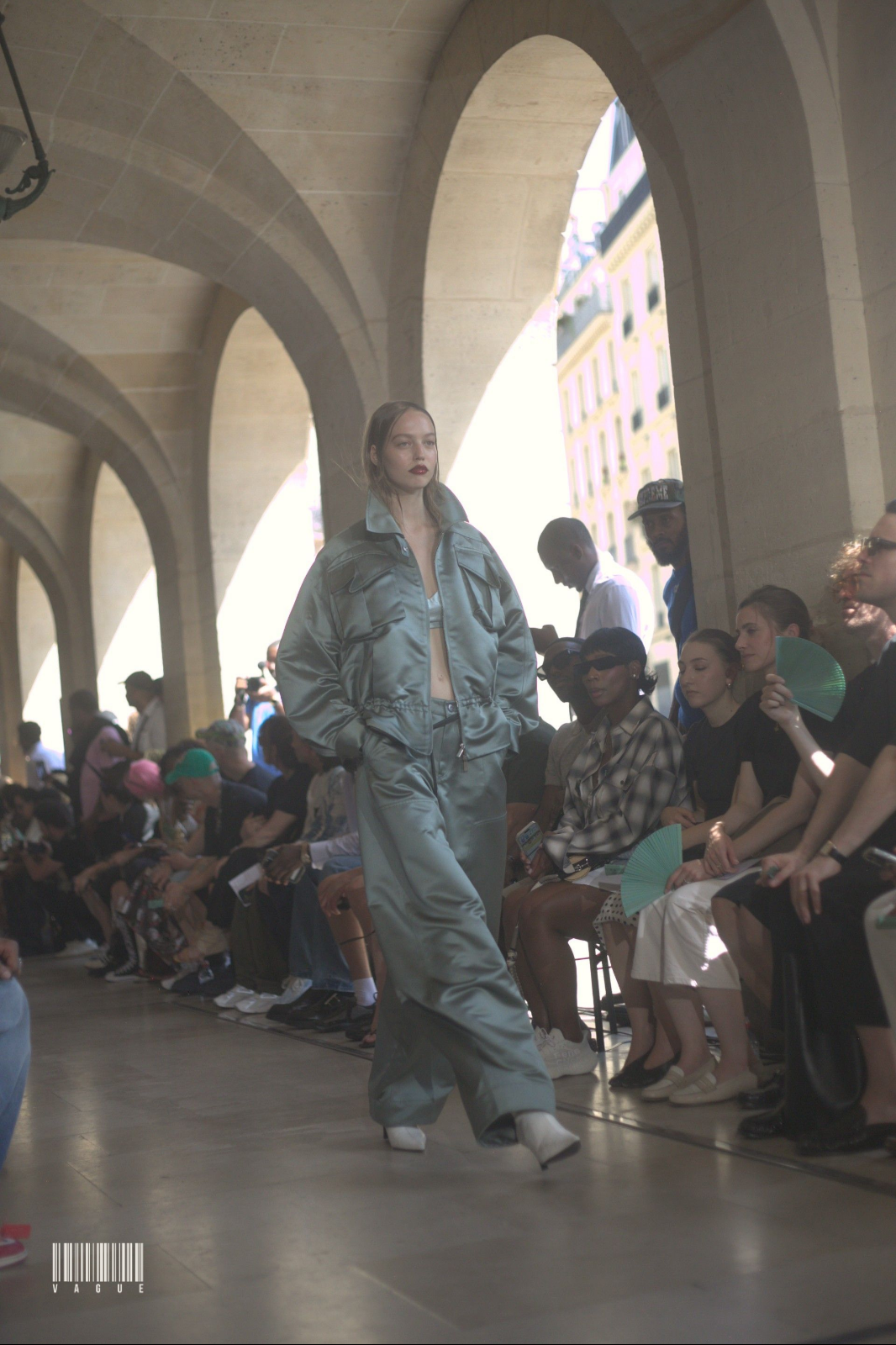
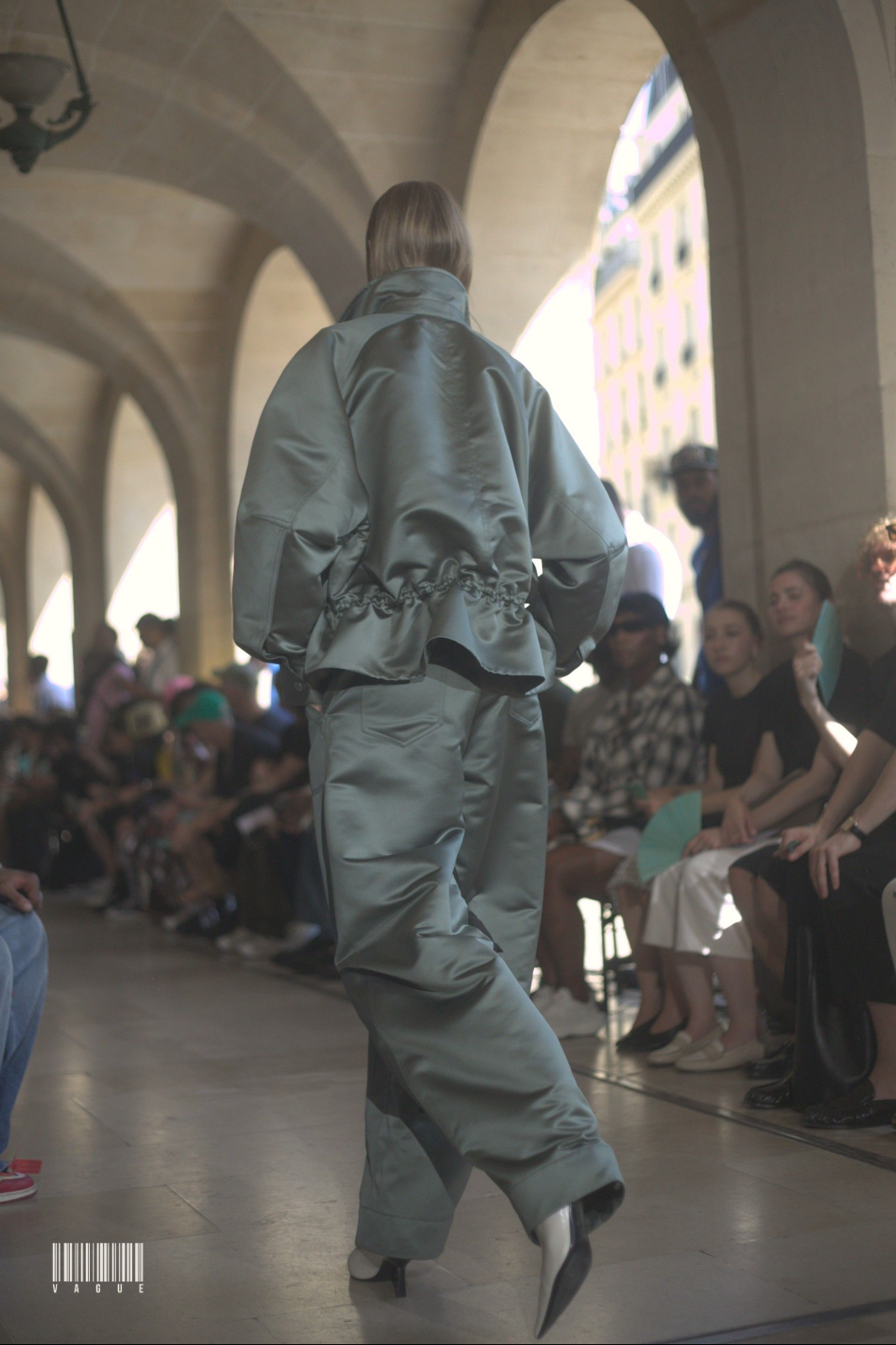
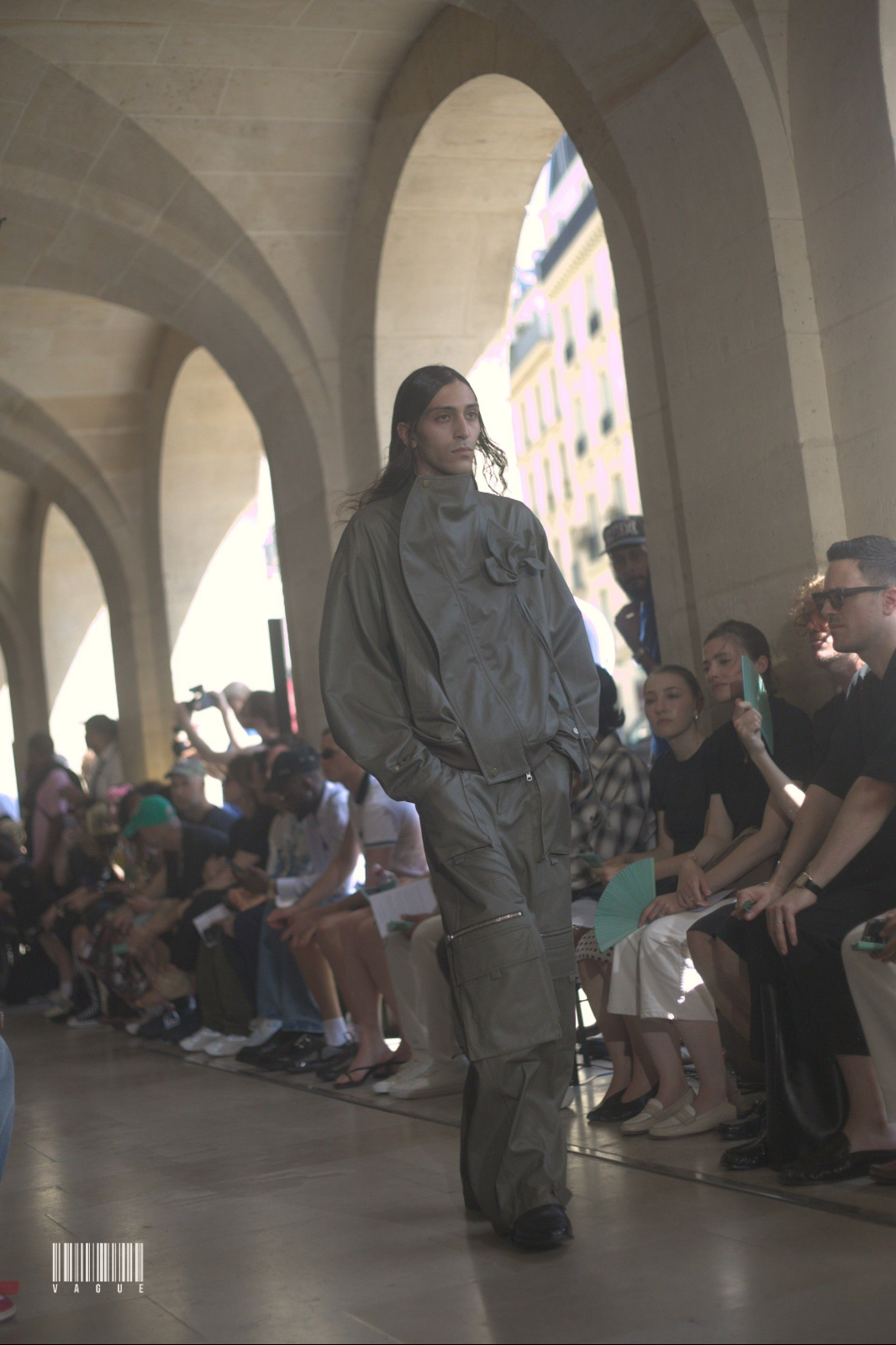
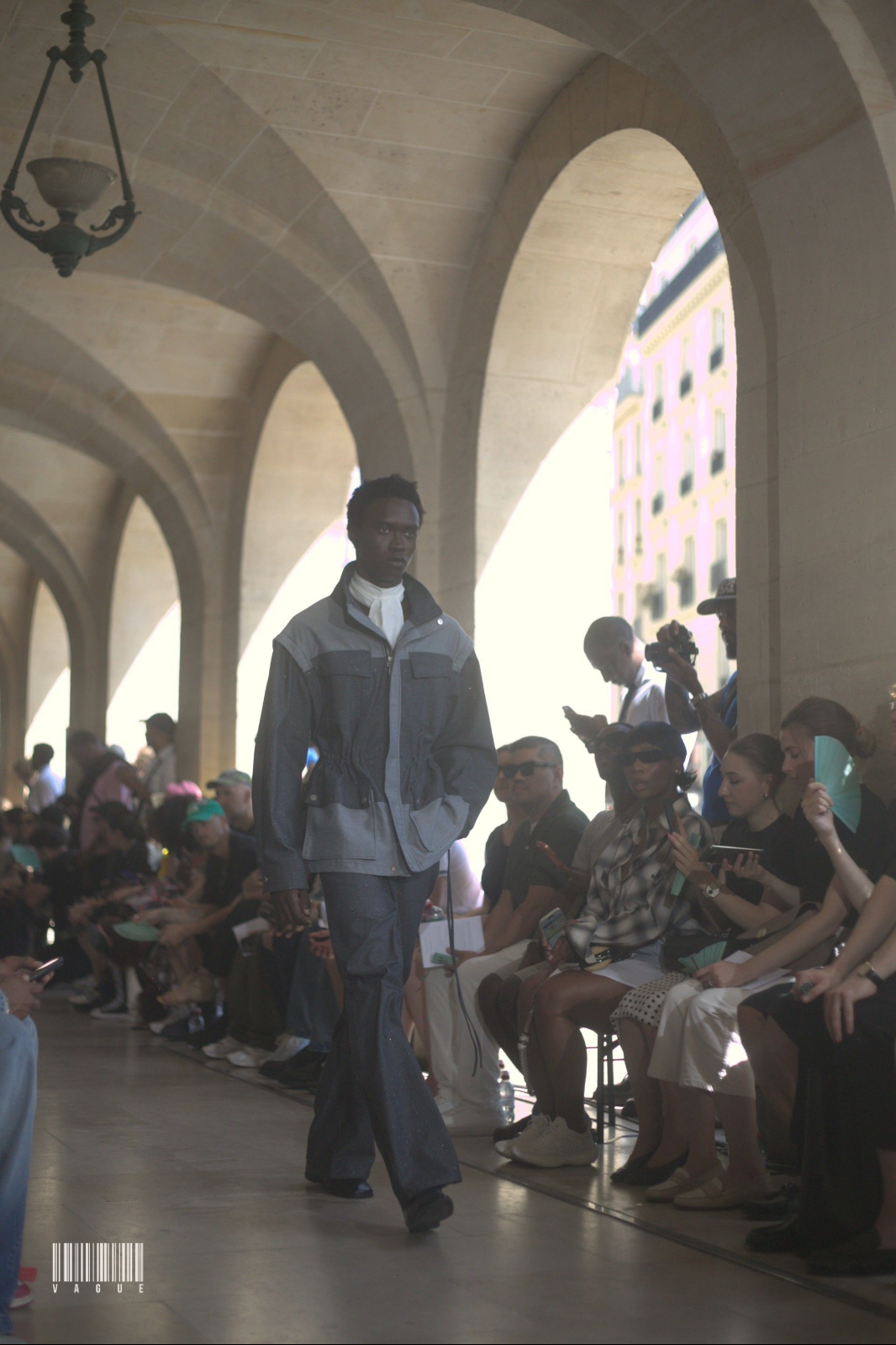
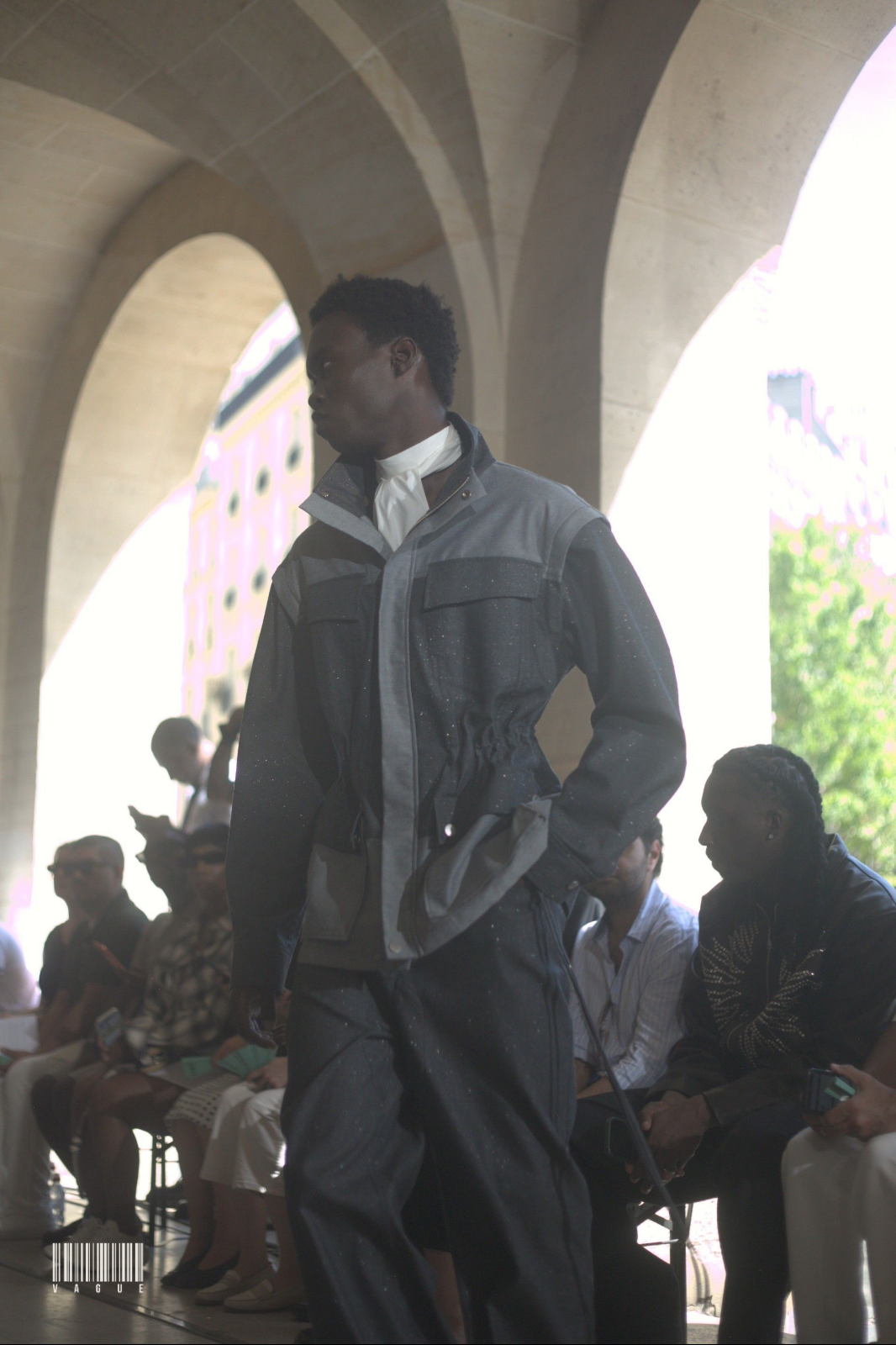
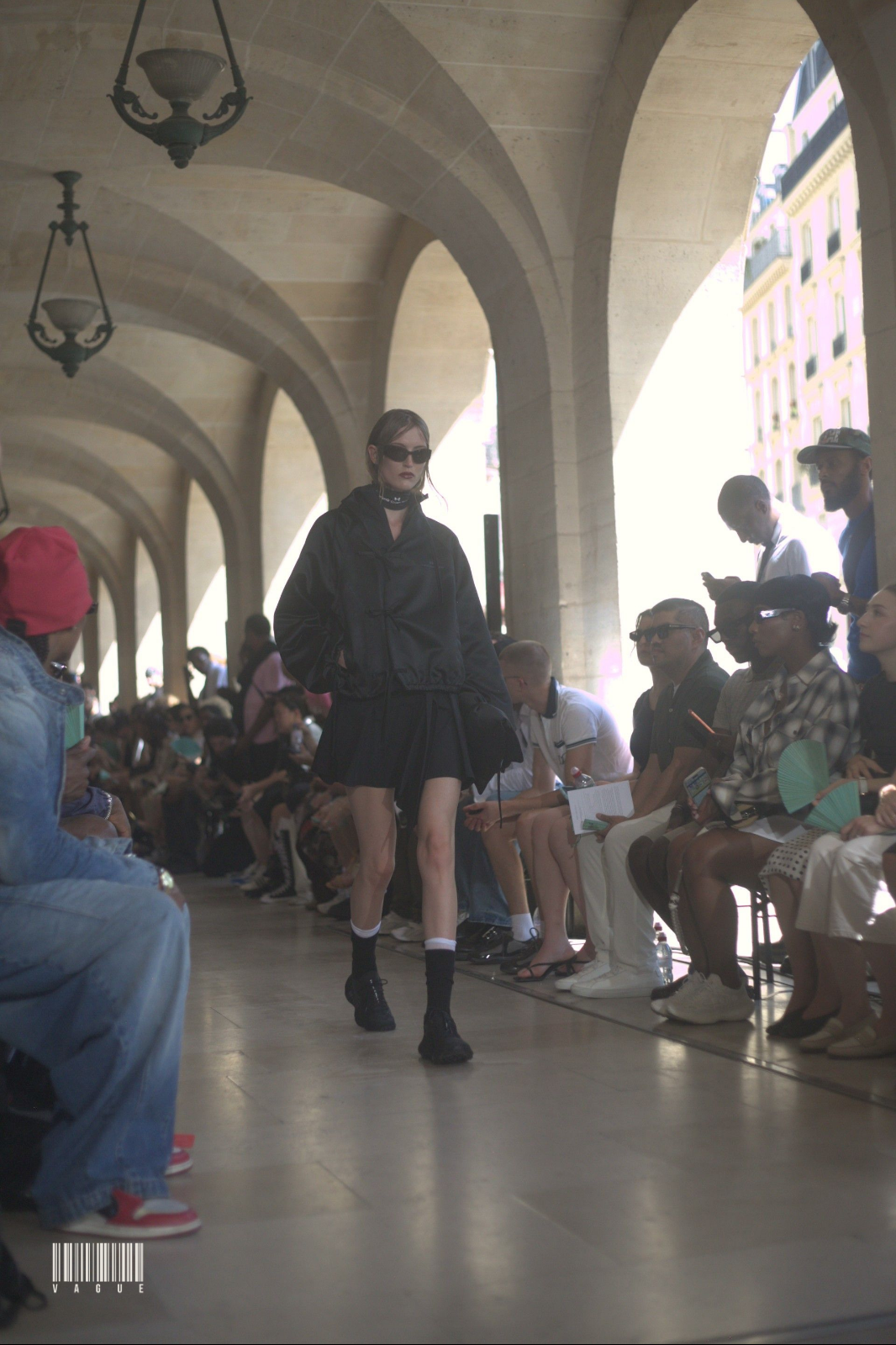
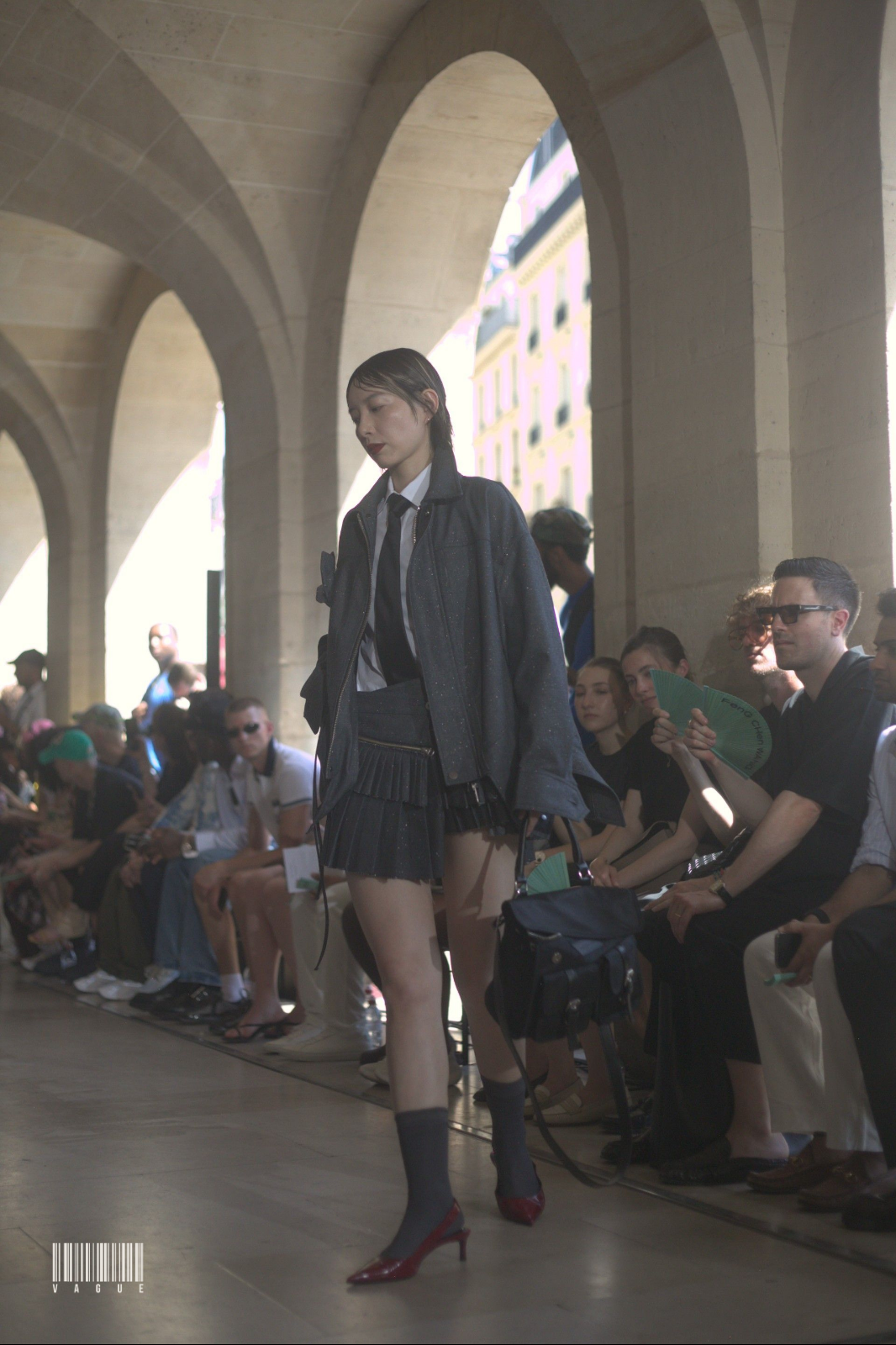
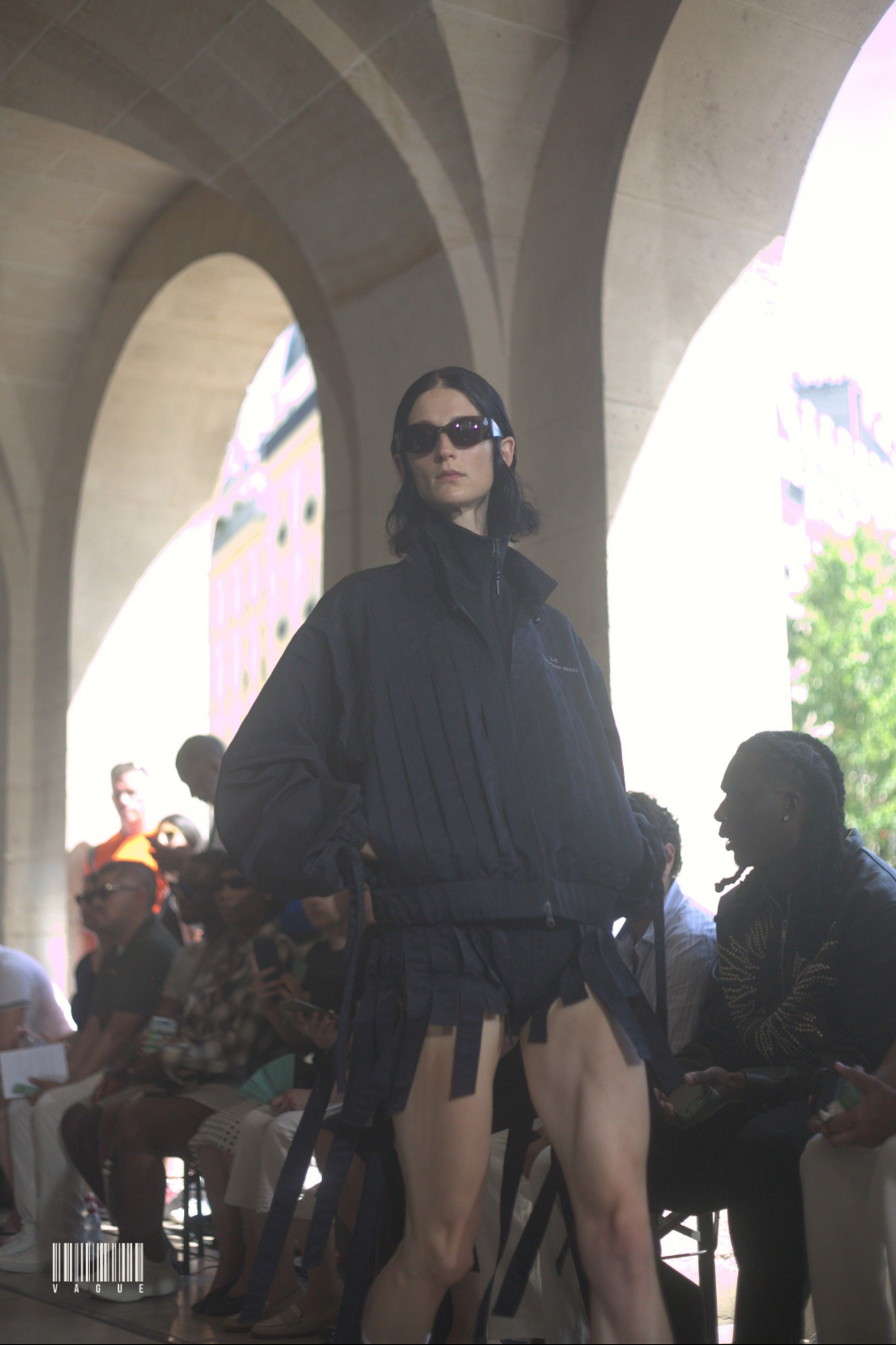
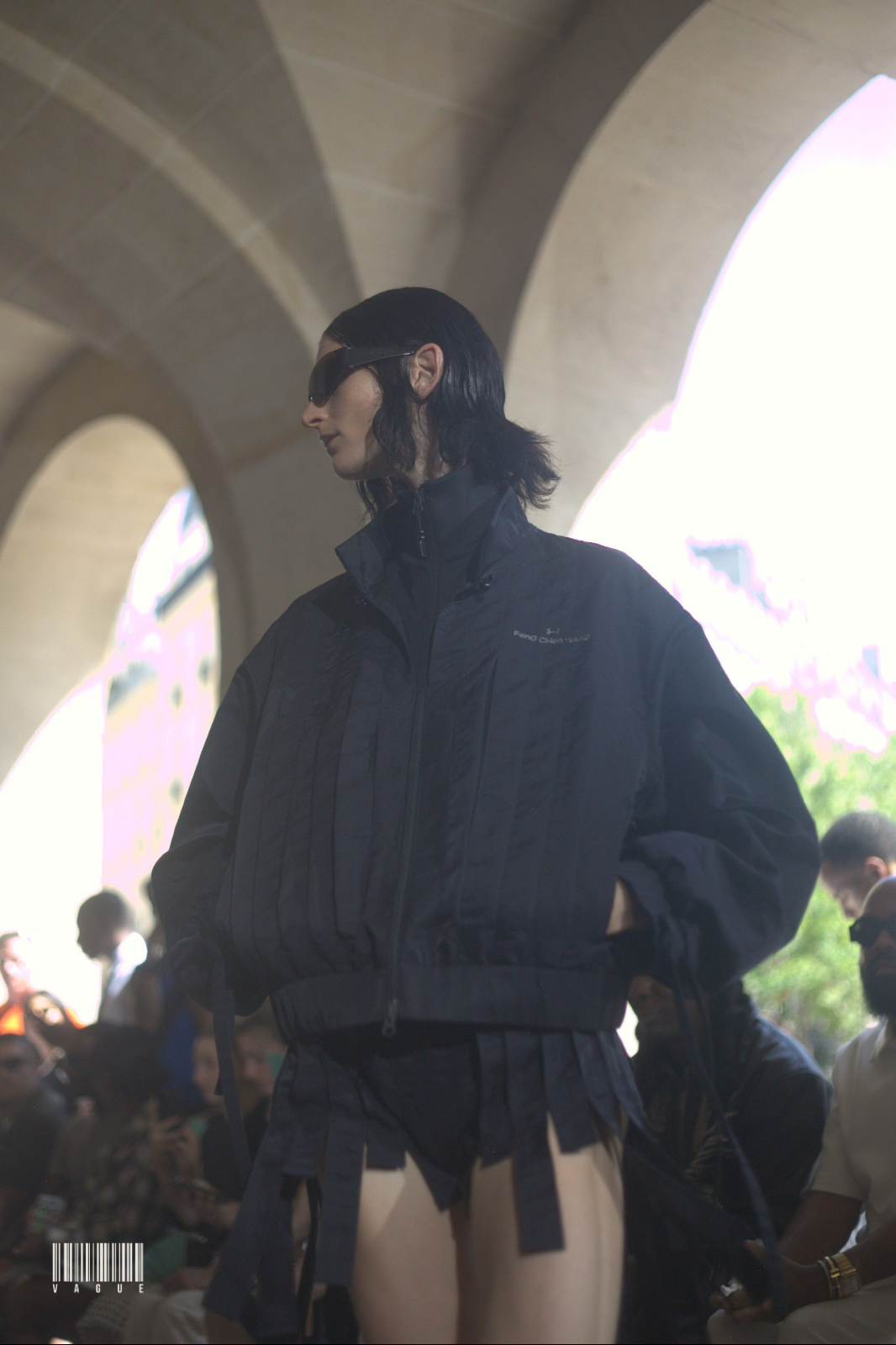
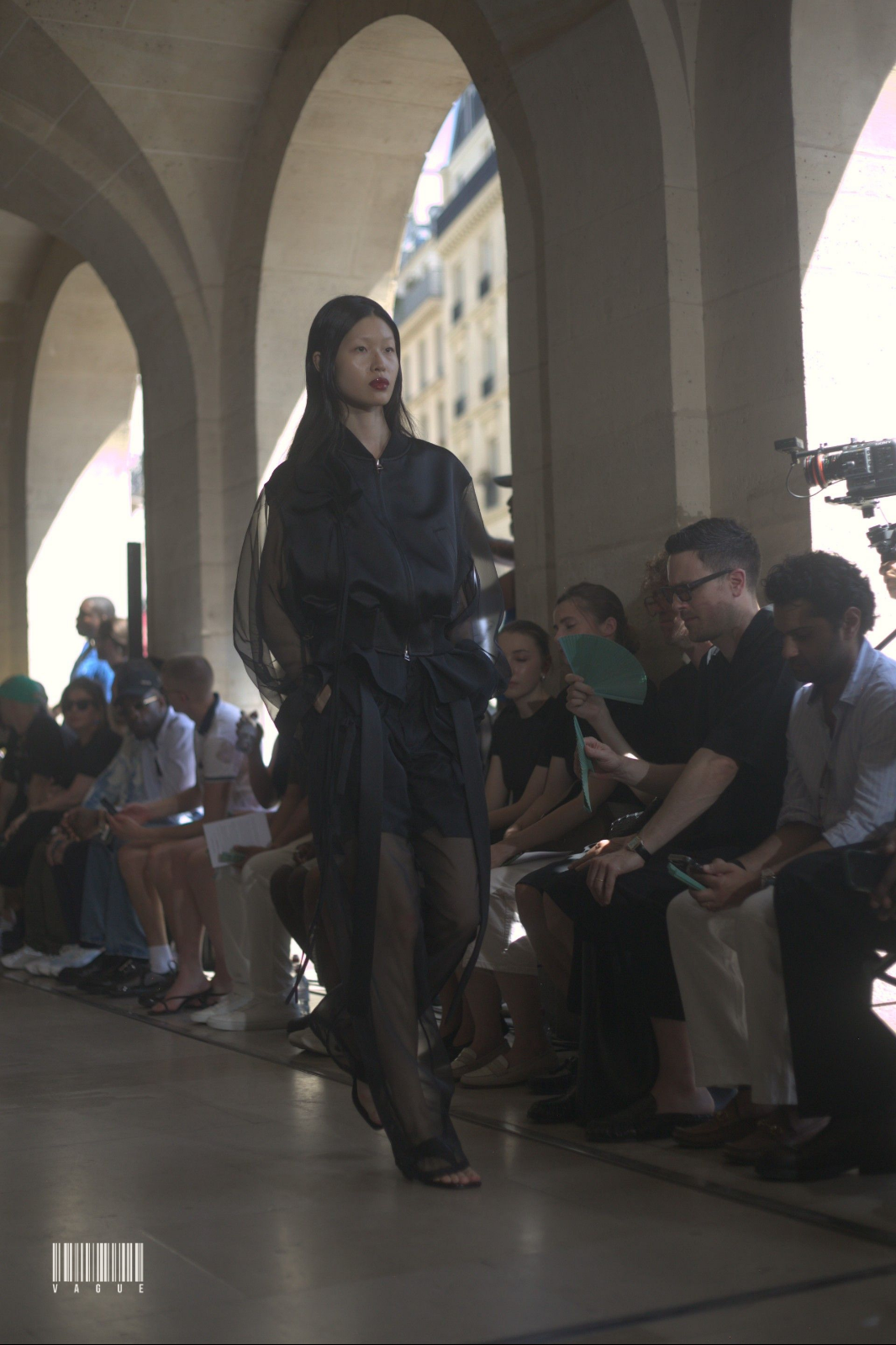
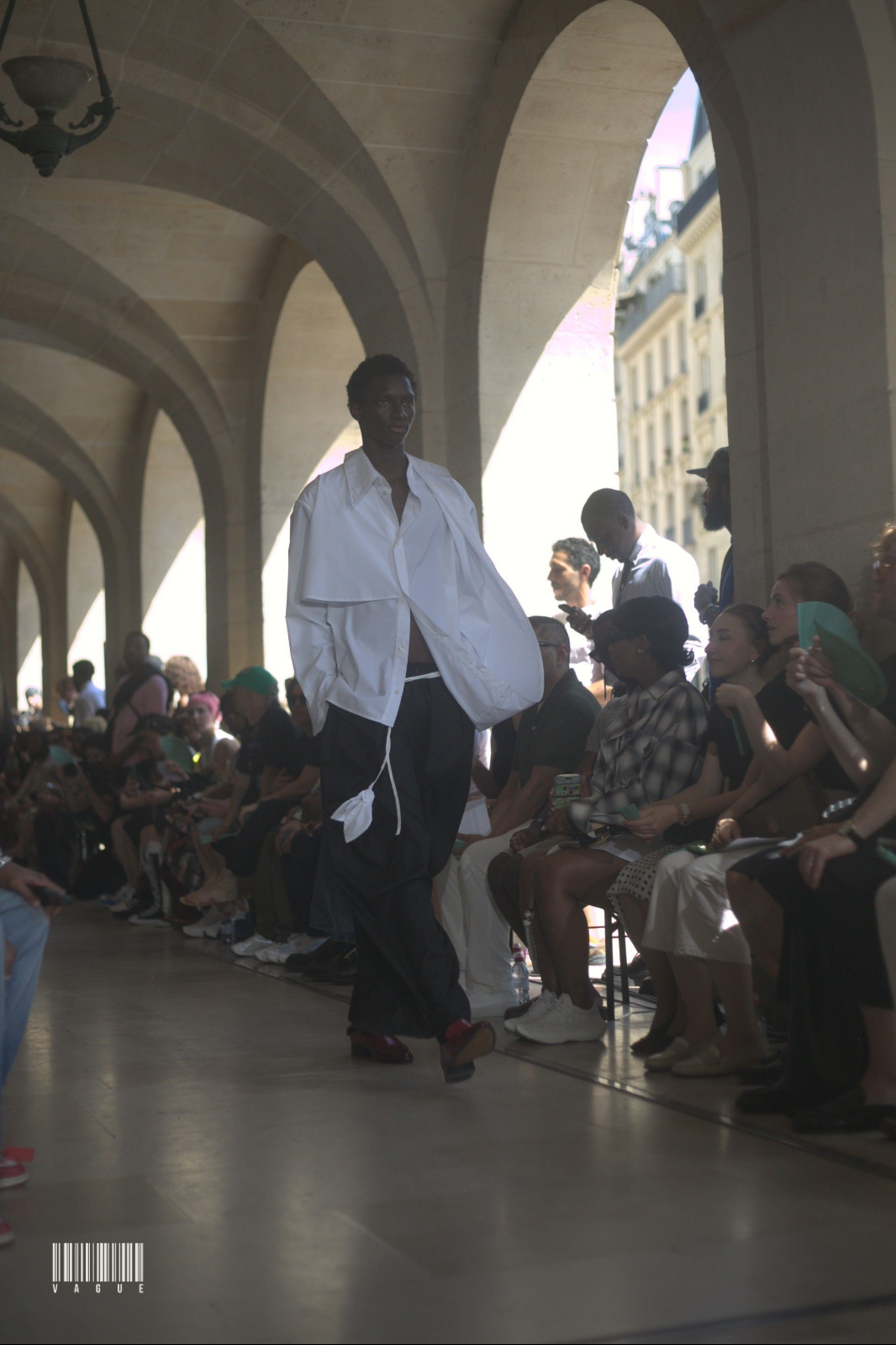
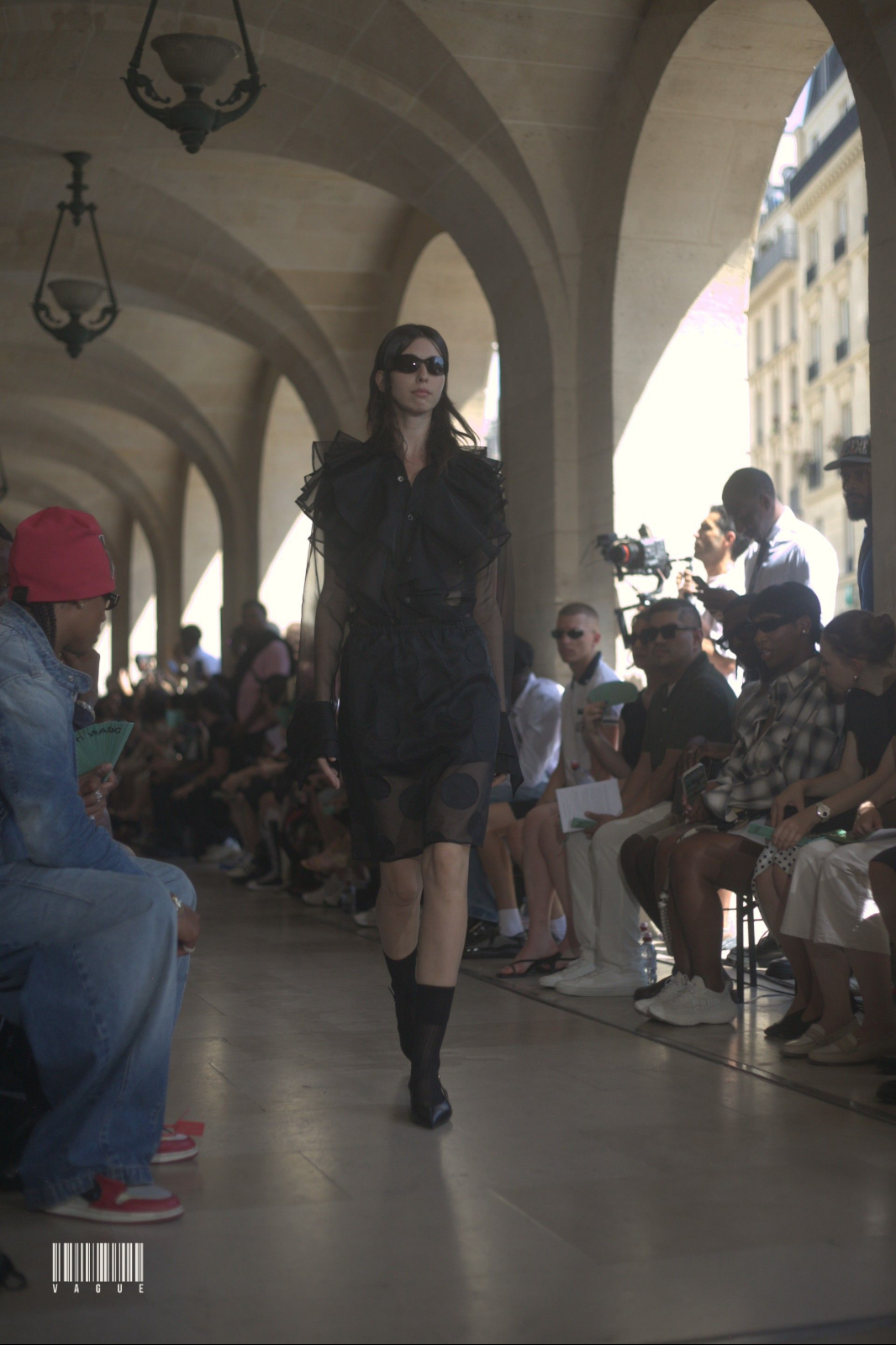
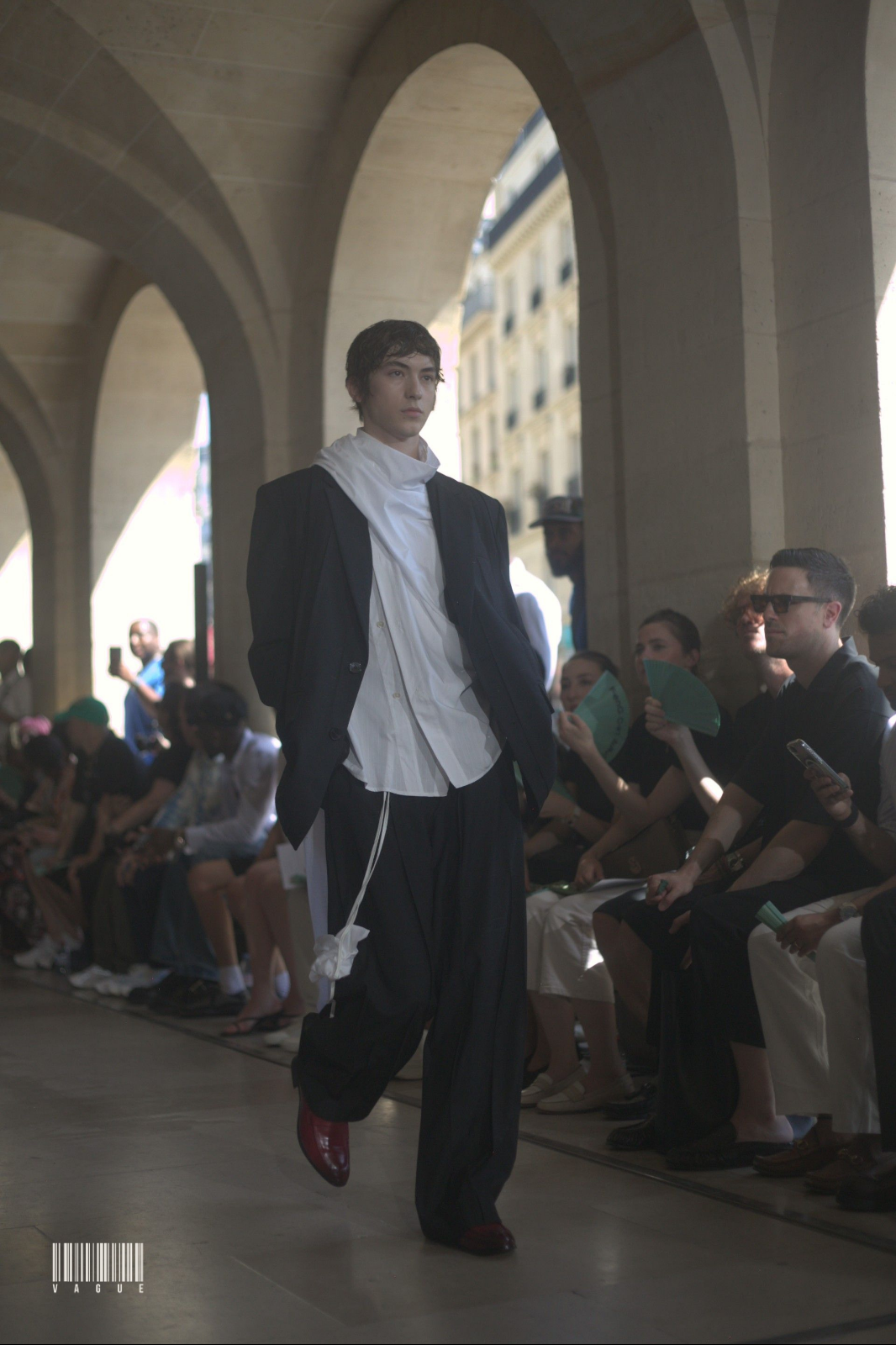
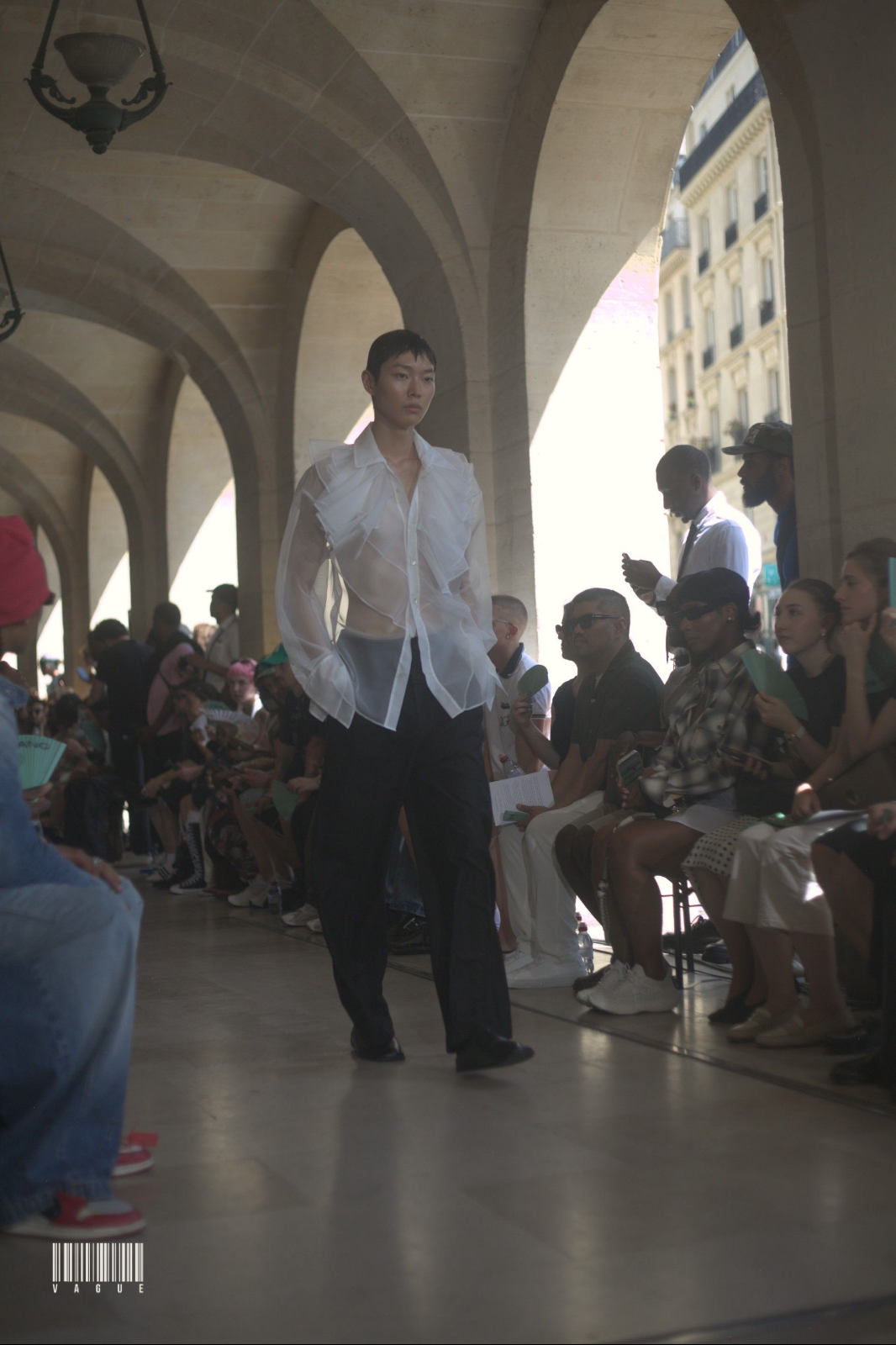
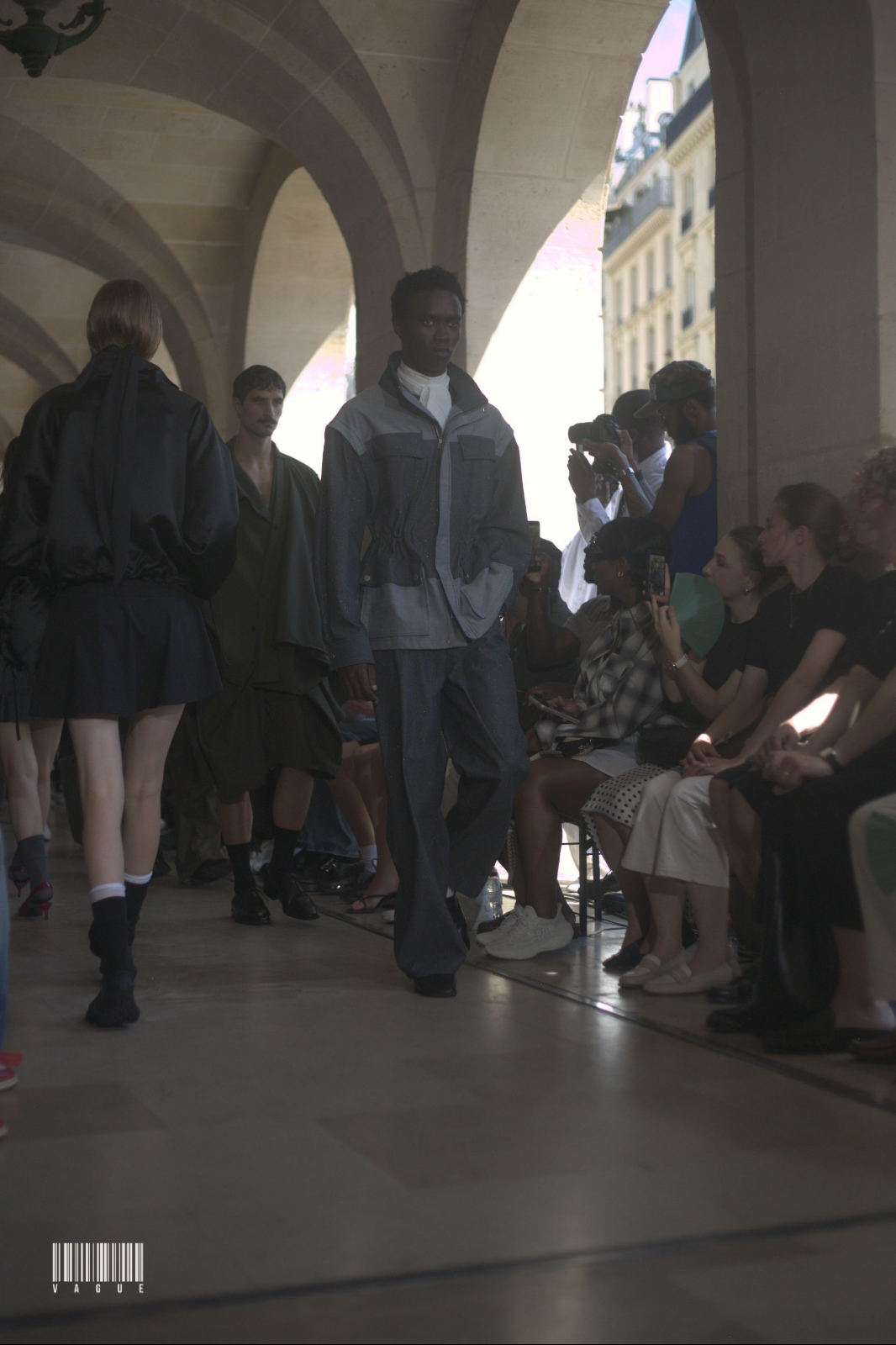
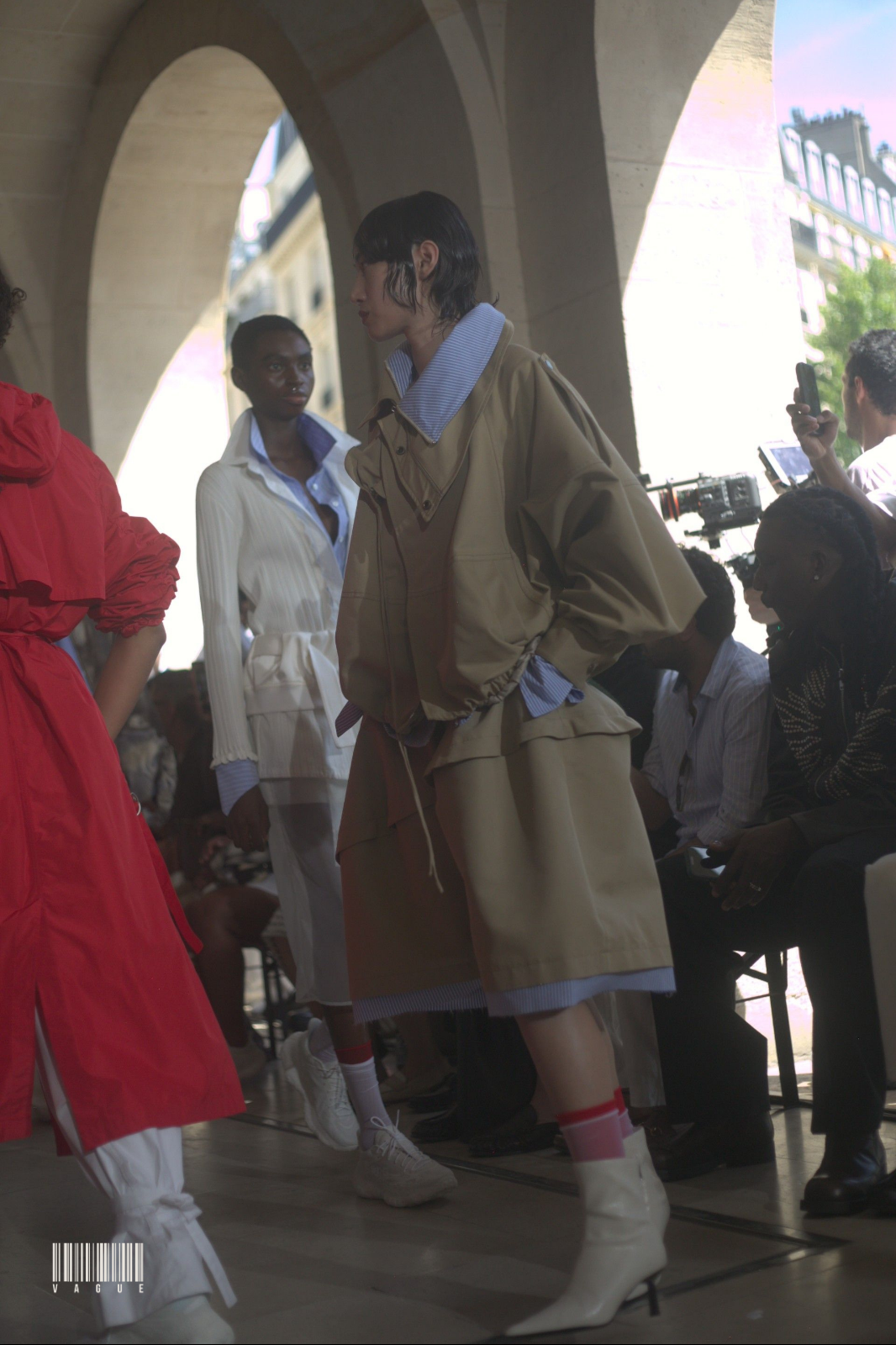
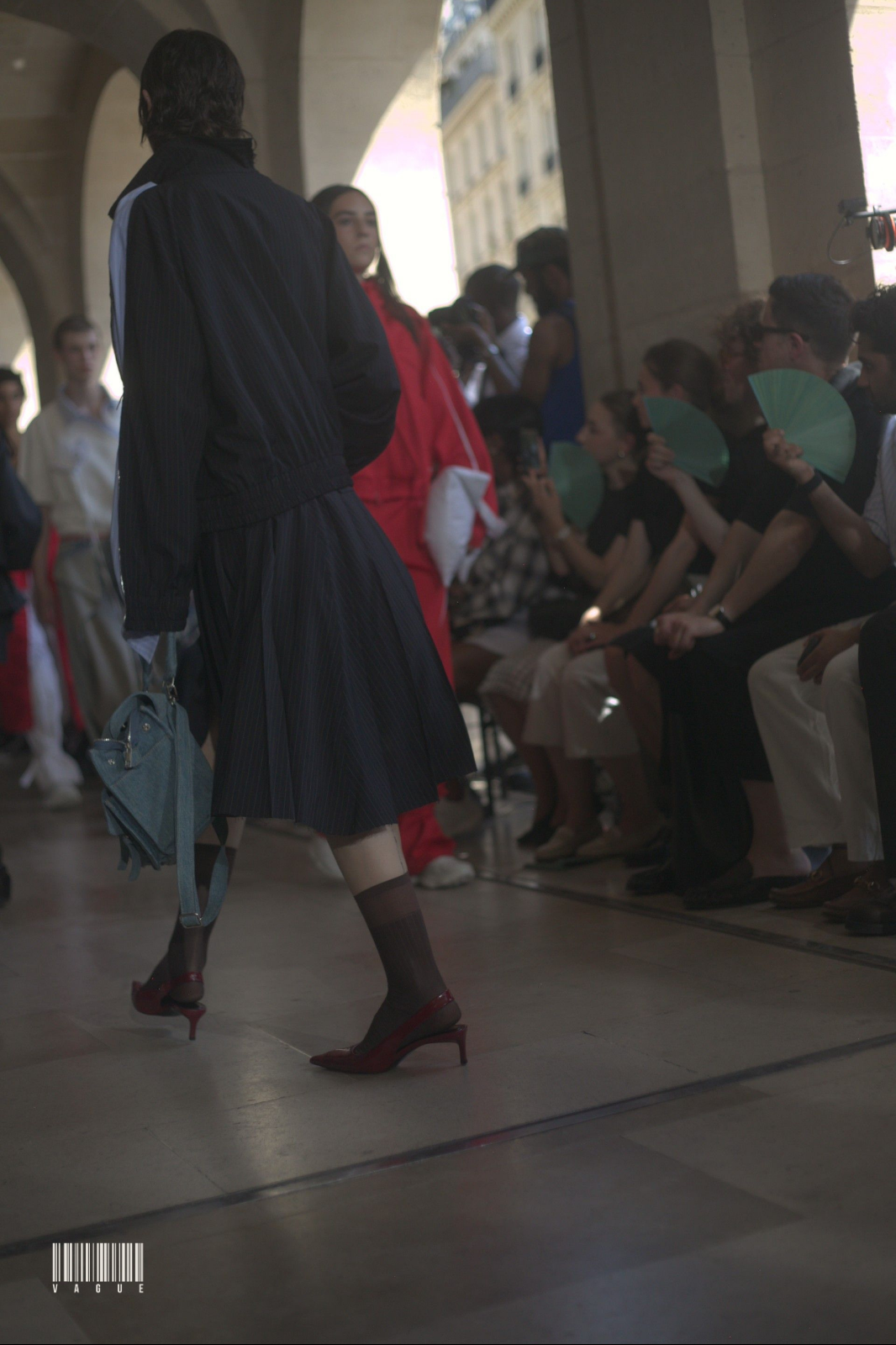
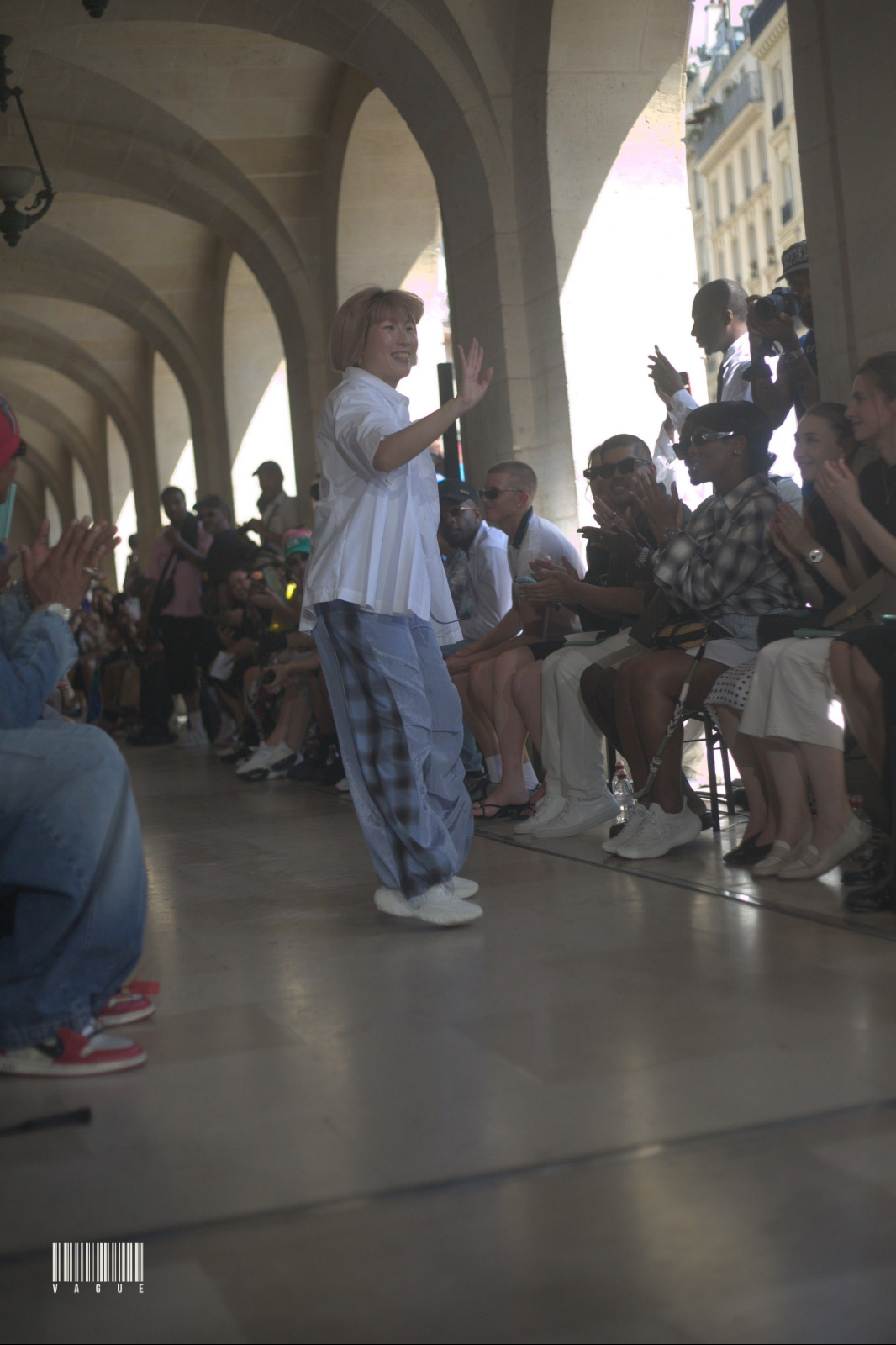
Baking in the June heatwave, Feng Chen Wang used her latest menswear collection to paint a picture of two cultures sharing a mutual haunting. The result arrived in sporting silhouettes coated in the scarlet red of the Five-Star Red Flag, scholarly robes slashed open at the seam with athletic venting and black cropped jackets closed with pankou fastenings. Scanning through the racks backstage ahead of the show — thankfully staged out in the colonnade of the Odeon-Theatre de l’Europe — this traditional Chinese pankou loop-and-knot clasp in particular was doing a lot of quiet, insistent work against the sportswear vernacular surrounding it.
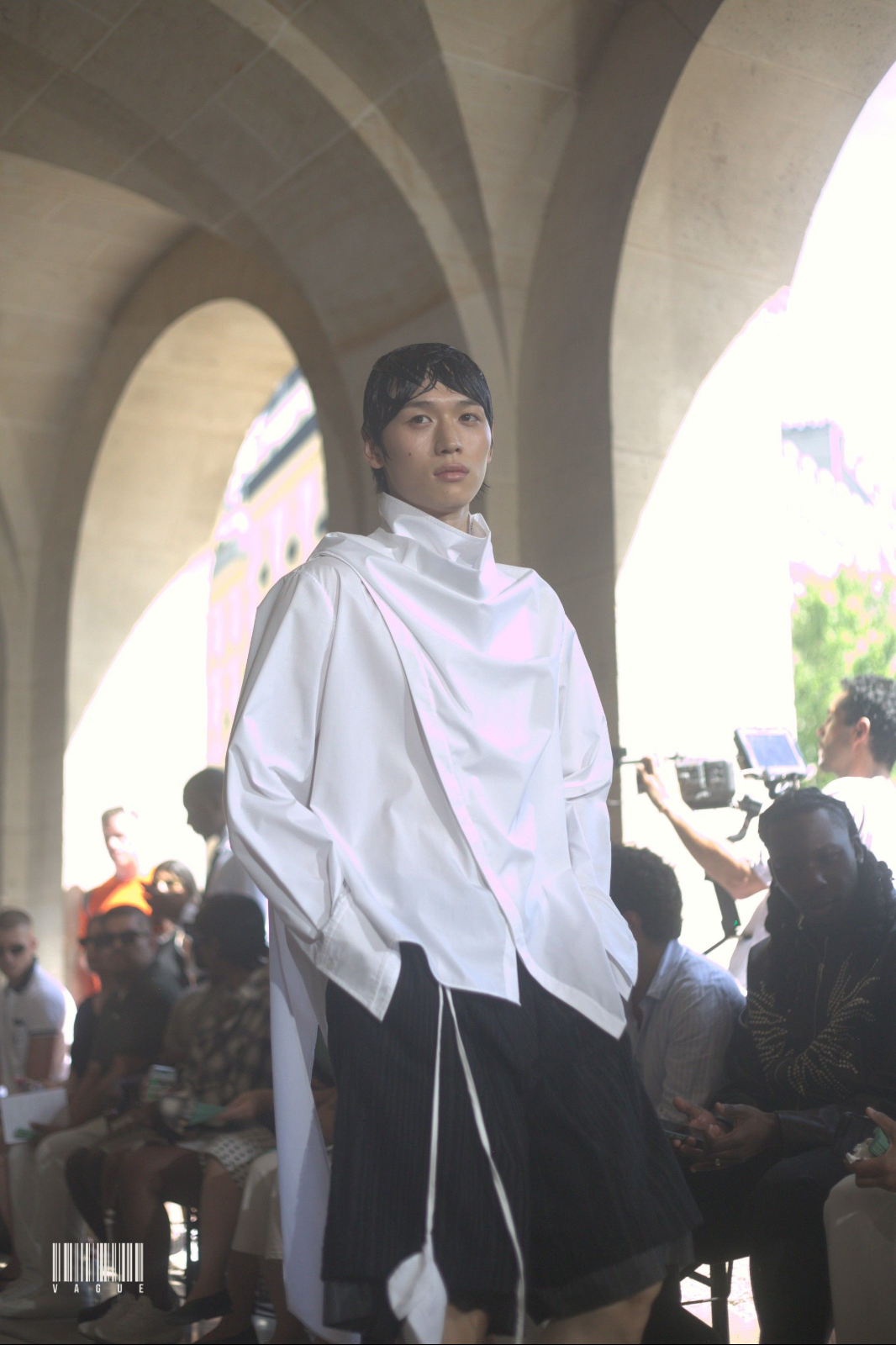
The collection, titled Dreaming of Spring, takes its conceit quite literally. Wang says it came to her in a dream one night as an image of the Seven Sages of the Bamboo Grove — the 3rd-century Wei and Jin dynasty scholars who gathered beneath the bamboo canopies of Henan to drink, debate and challenge political compromise — overlaid onto Botticelli’s Primavera painting of perpetual spring where nymphs and goddesses drift through a forest that exists outside the confines of time. Two arcadias, centuries and realities apart, collapsed into a single dreamscape. On paper, it’s a concept that risks becoming too academic for its purpose. But on the body, something considerably more interesting transpires.
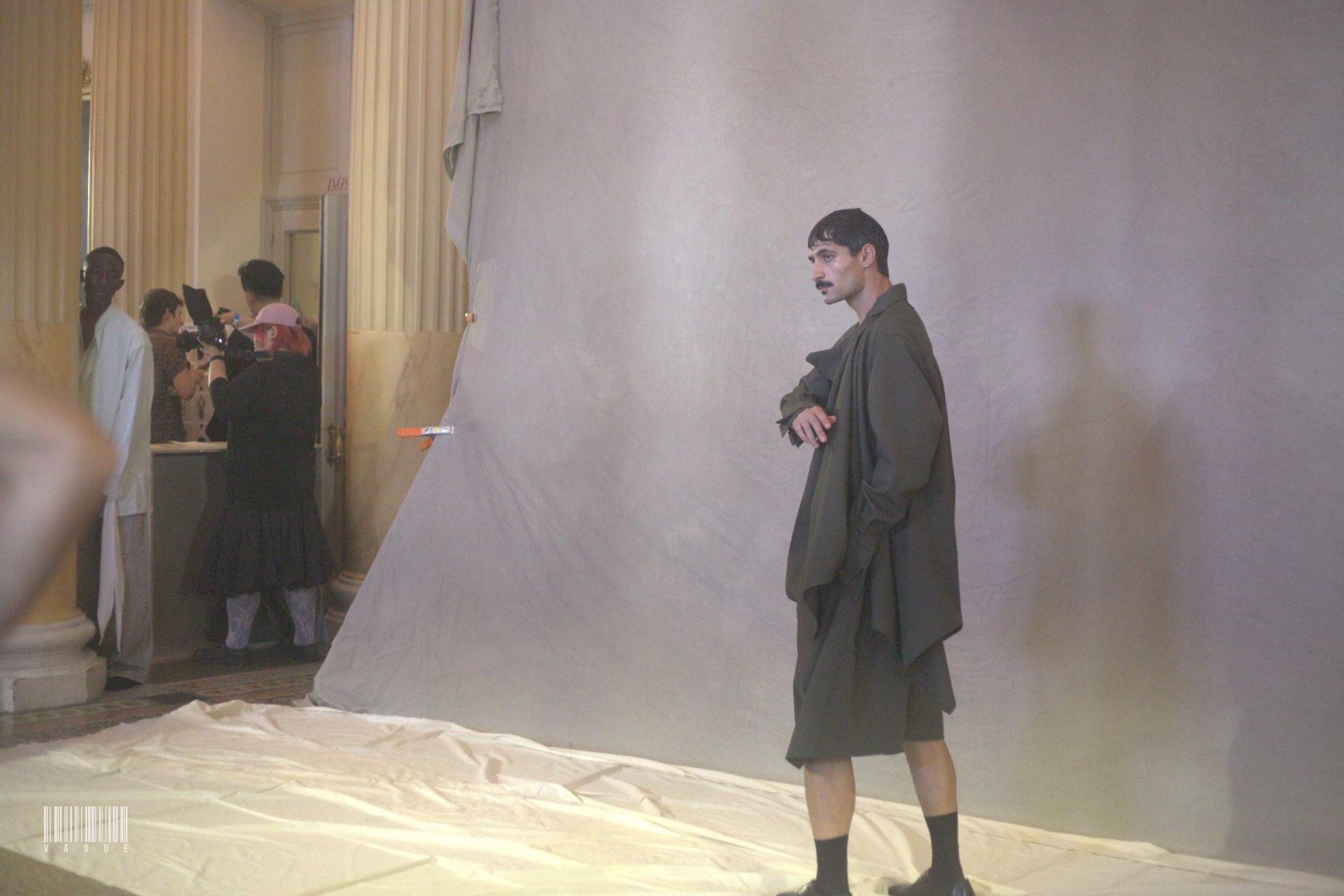
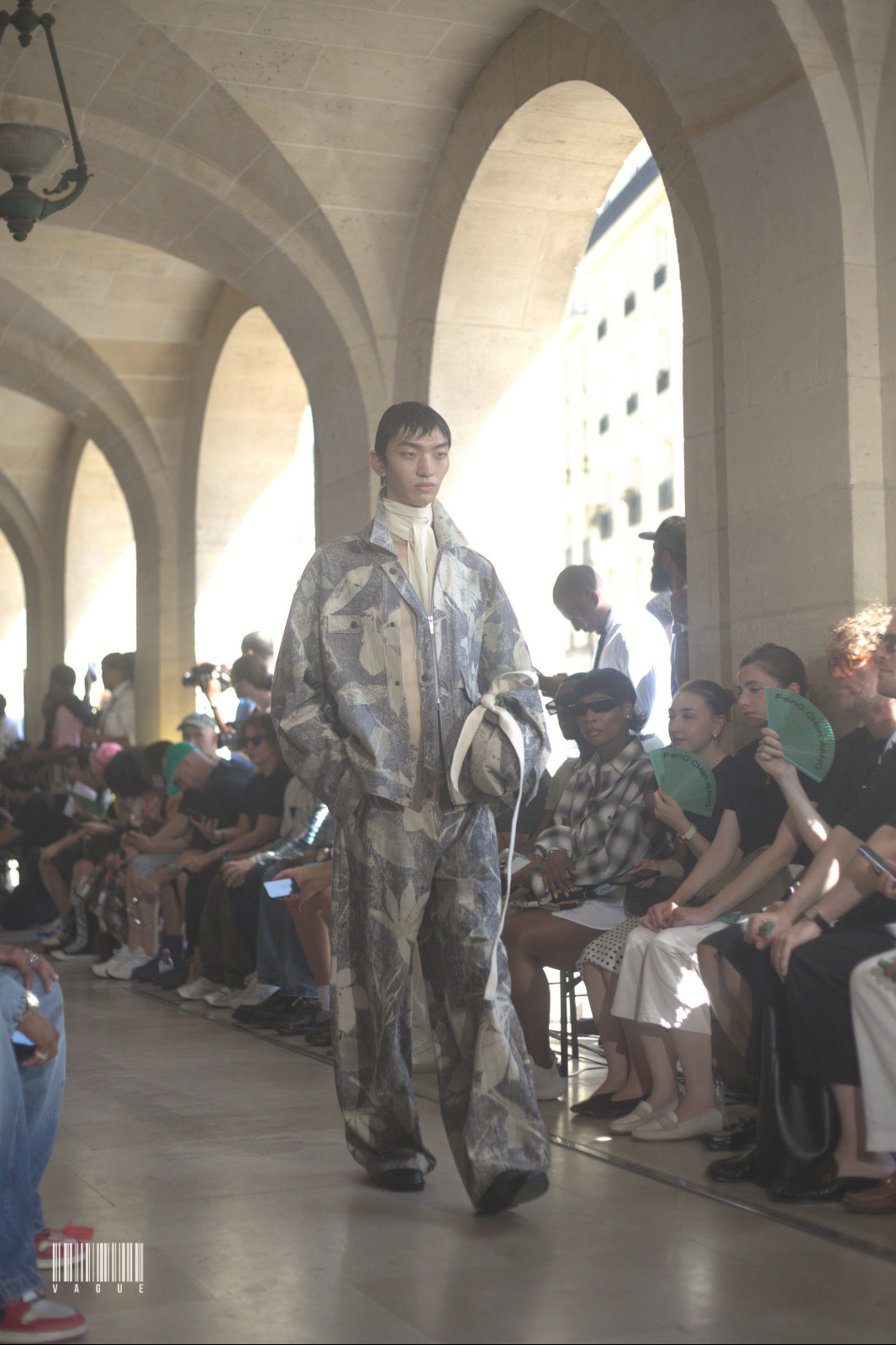
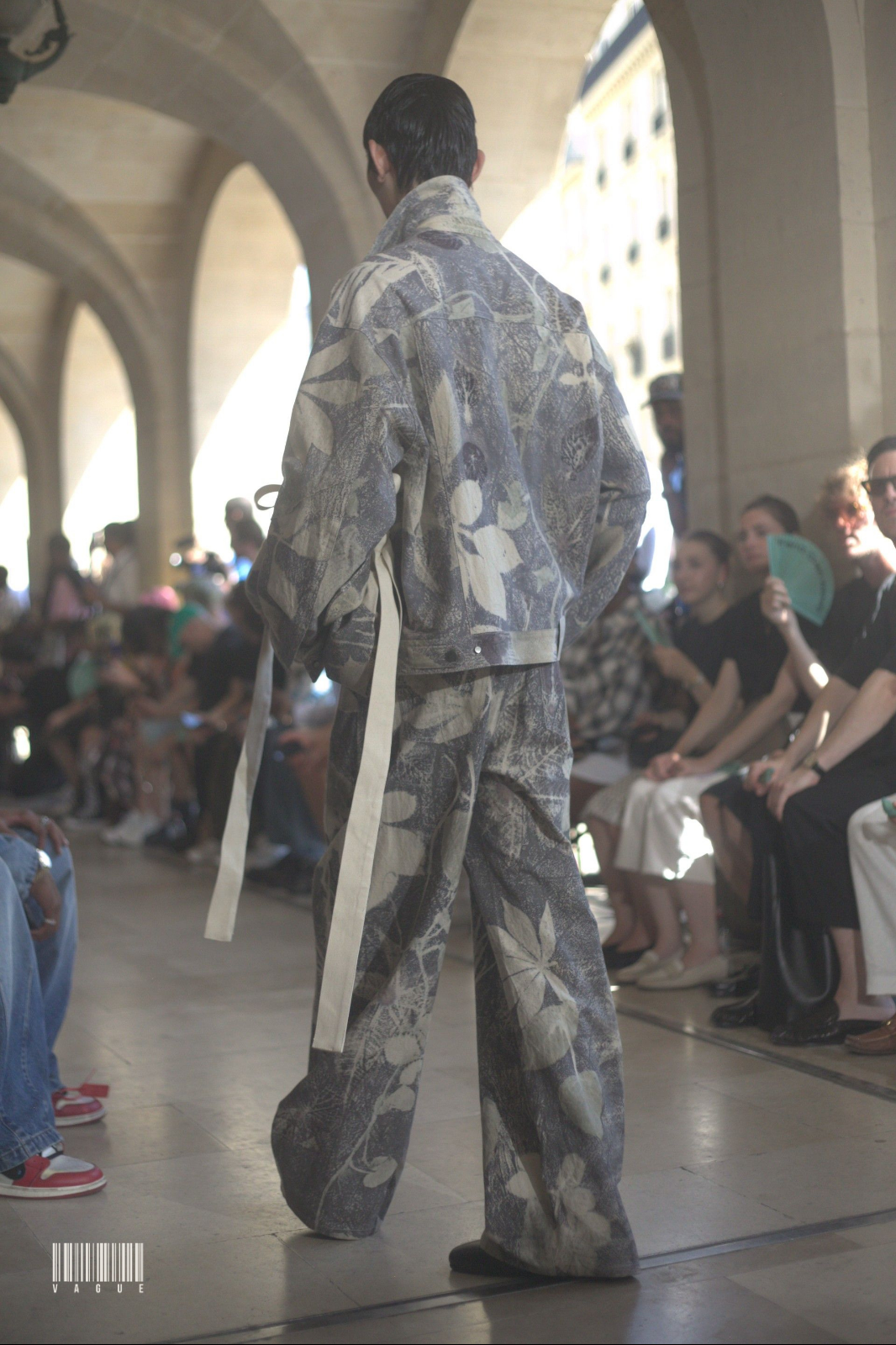
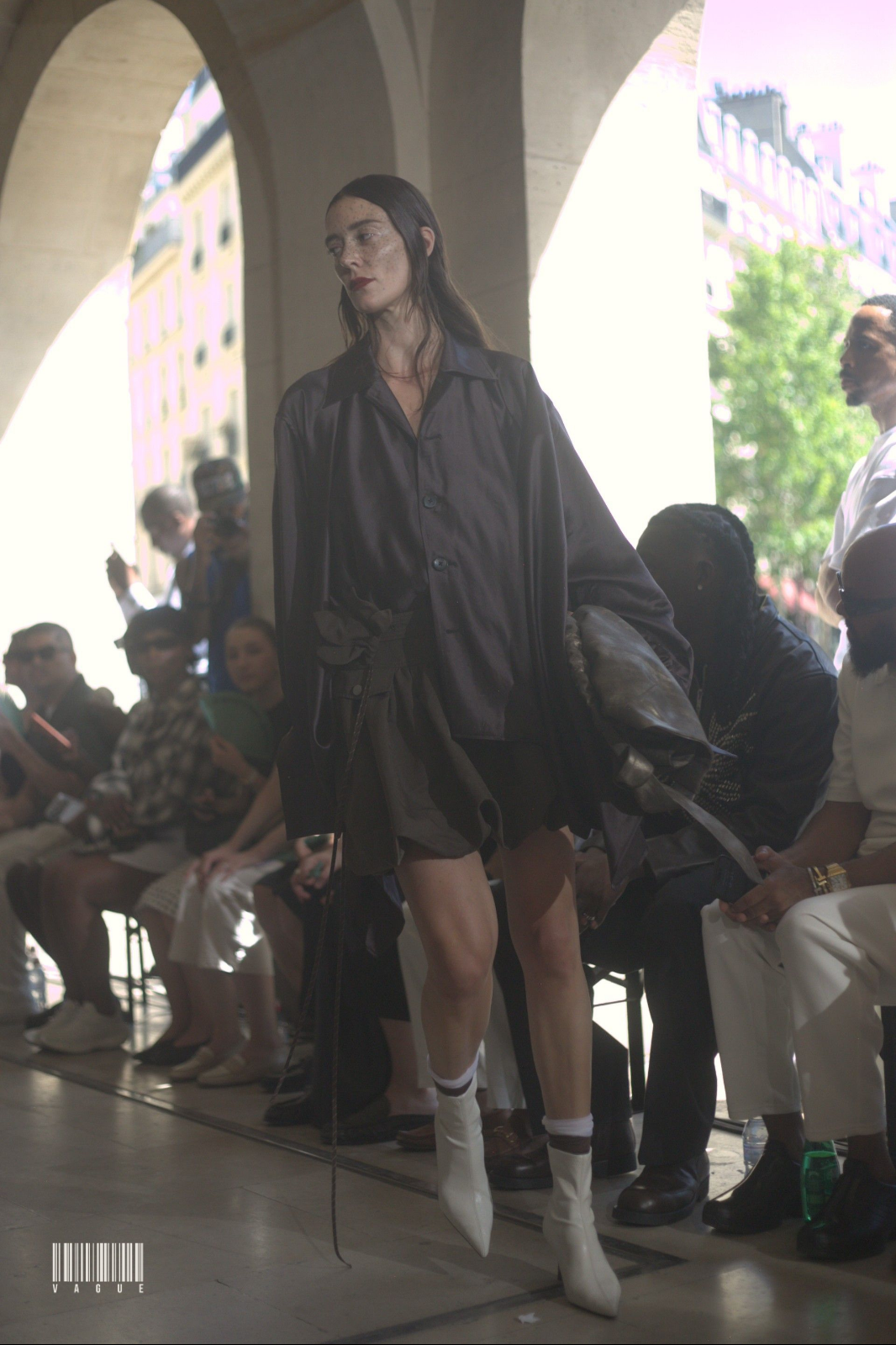
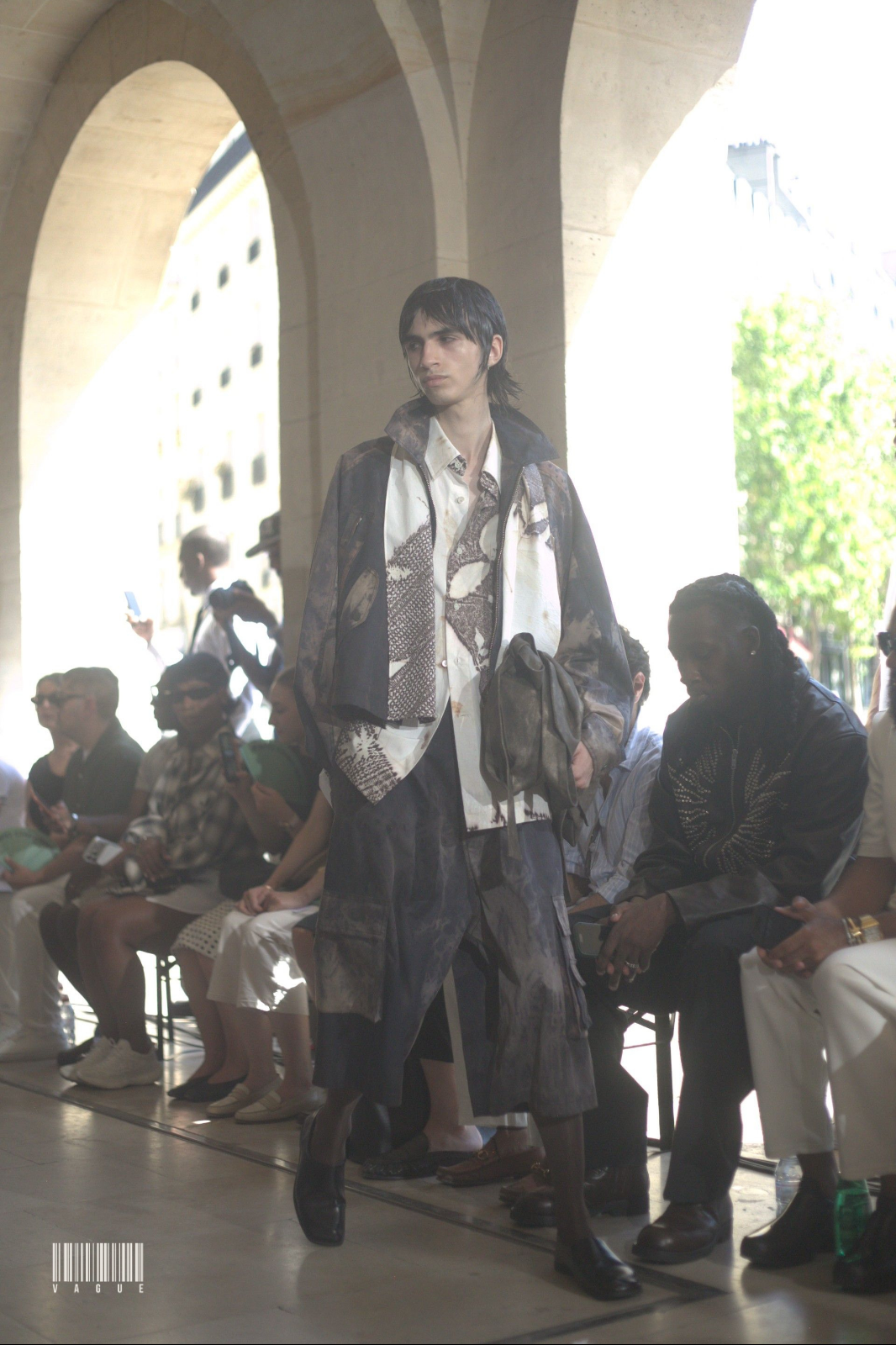
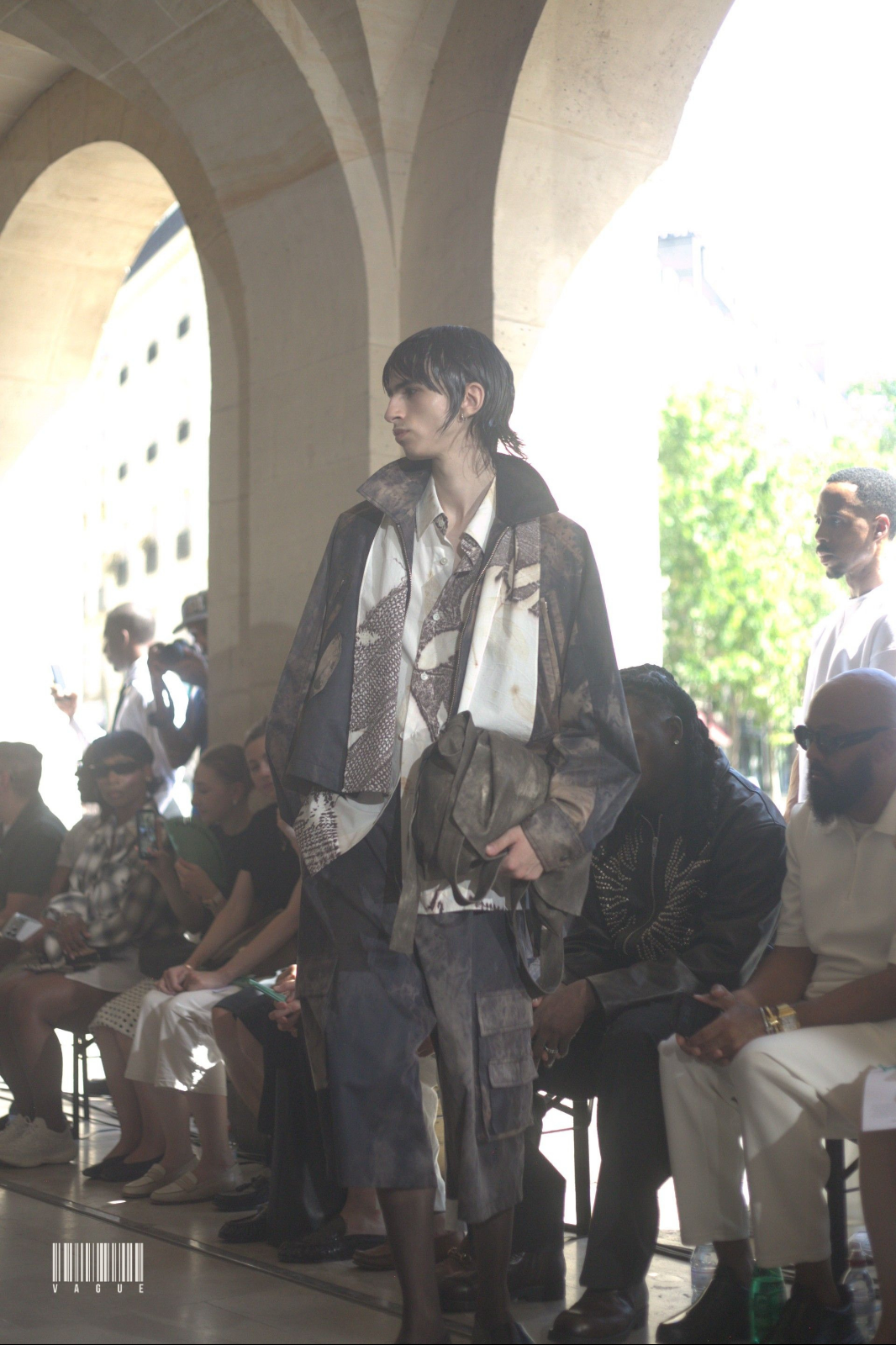
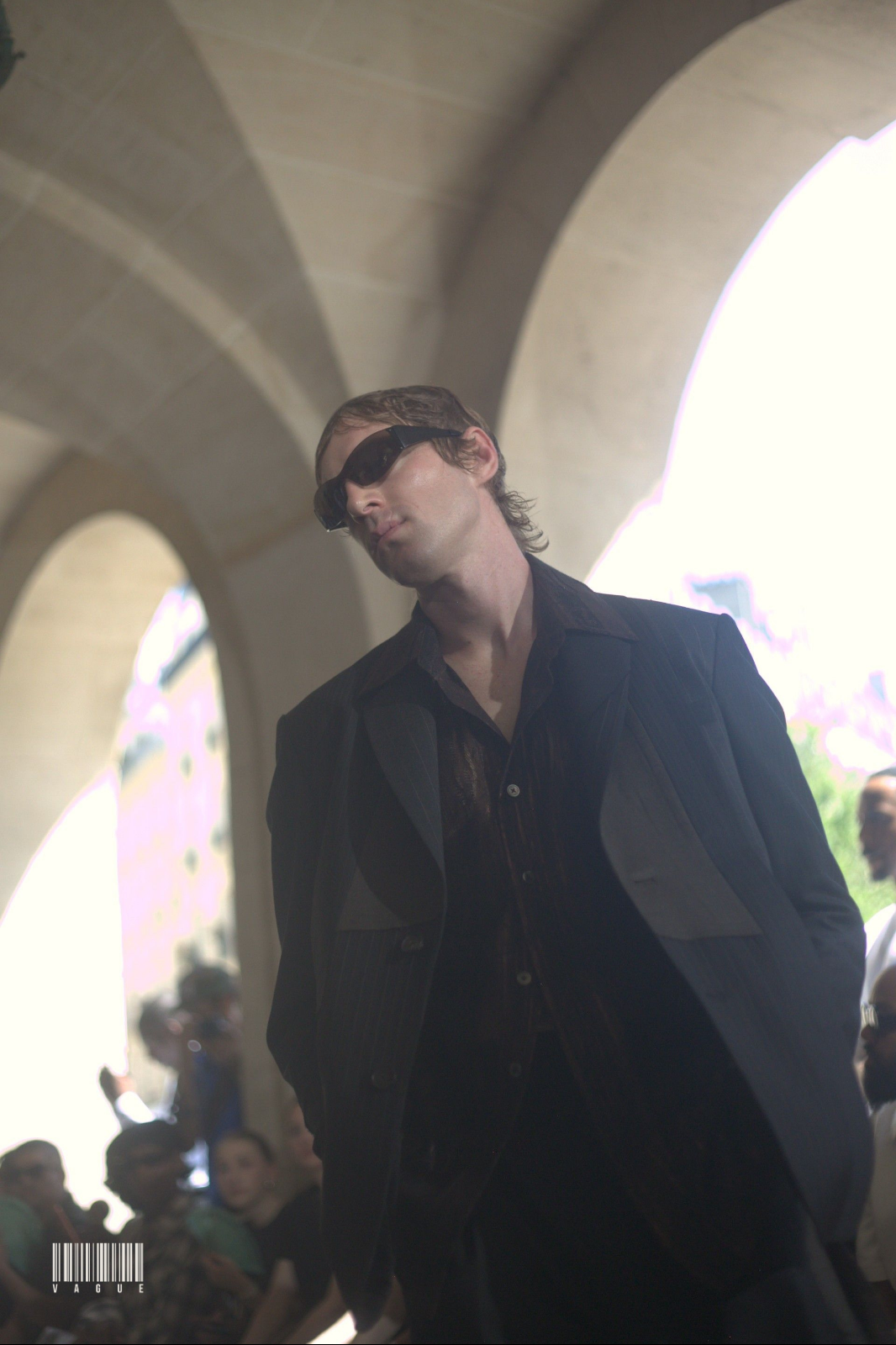
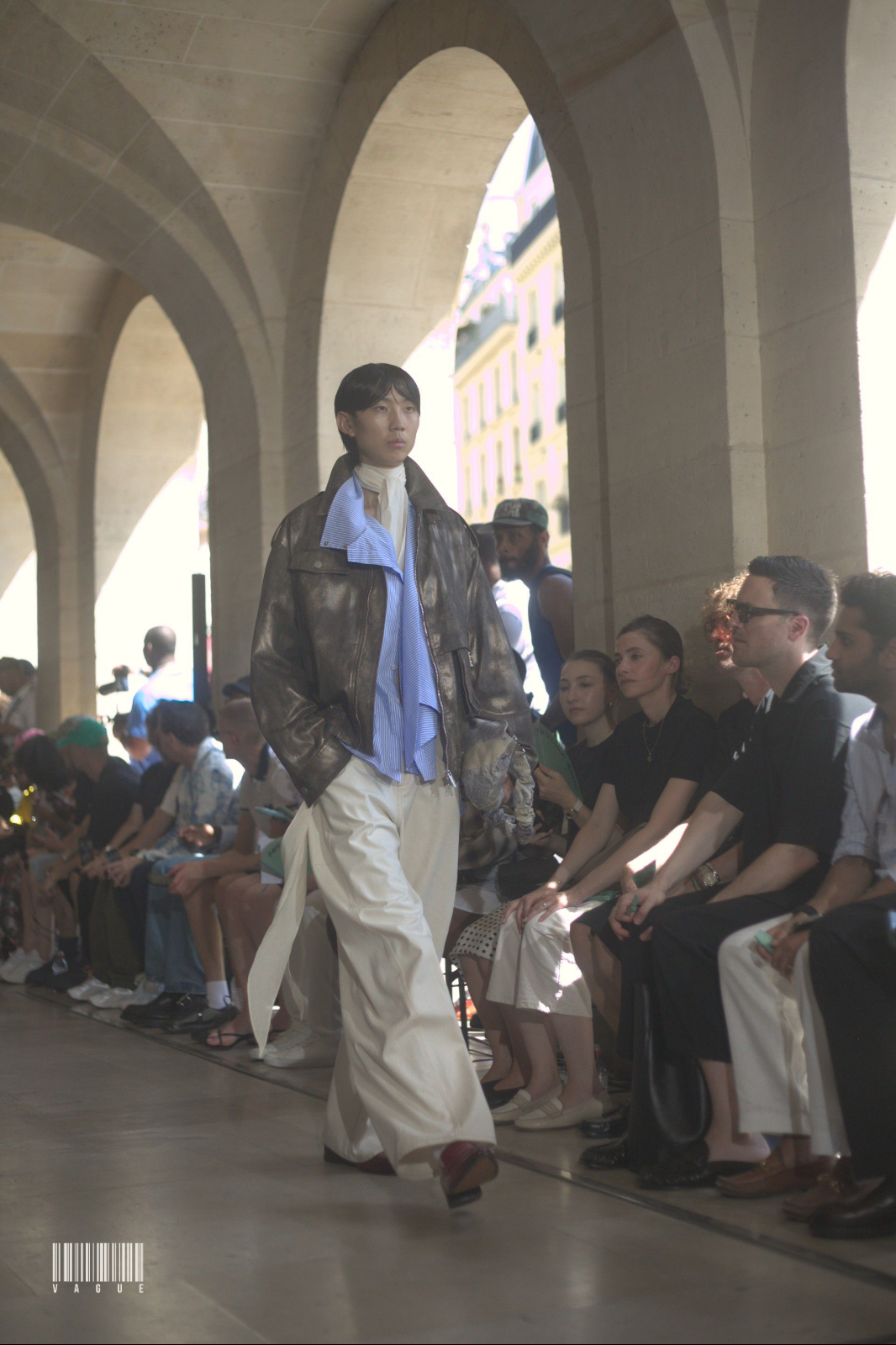
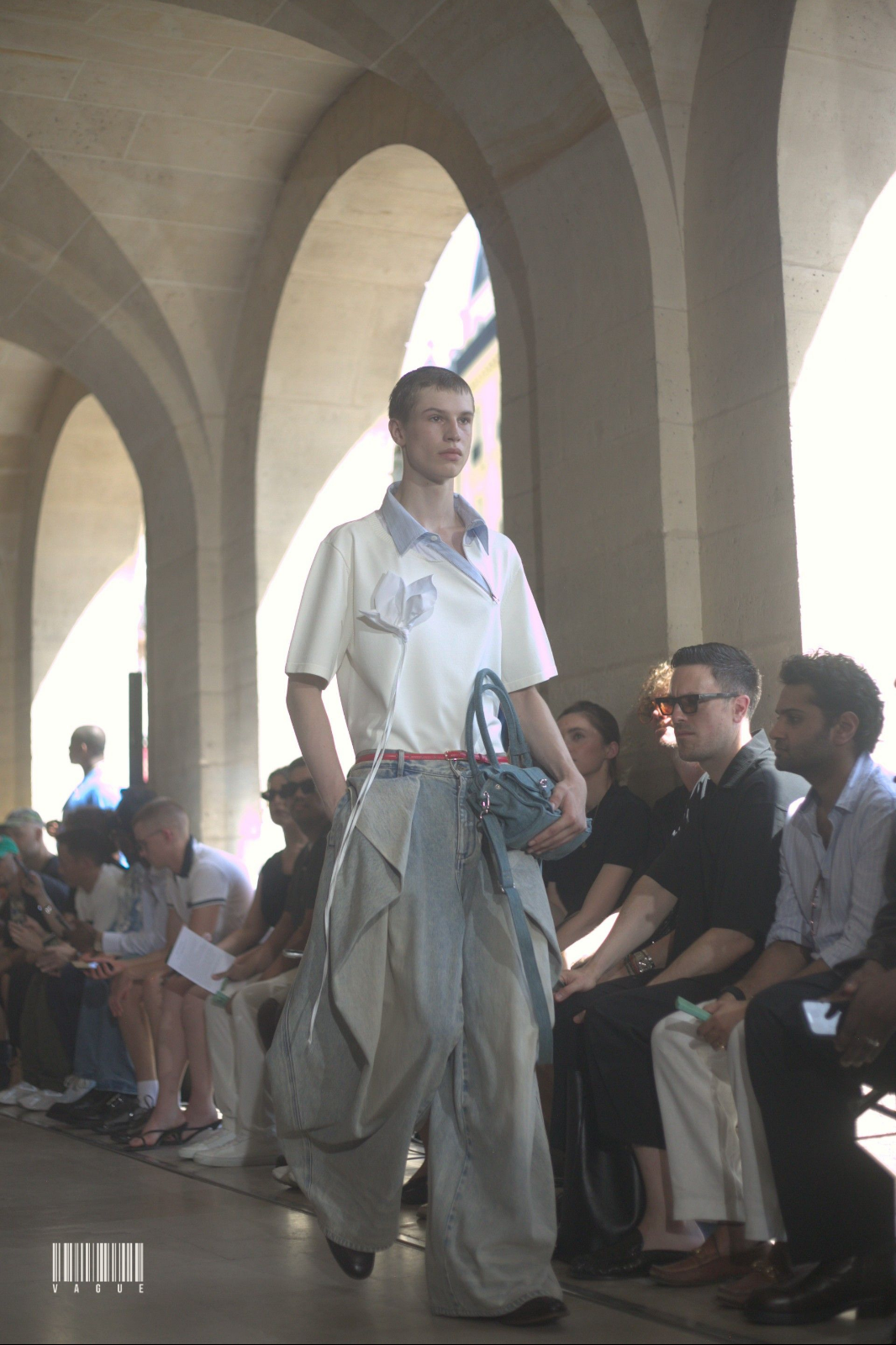
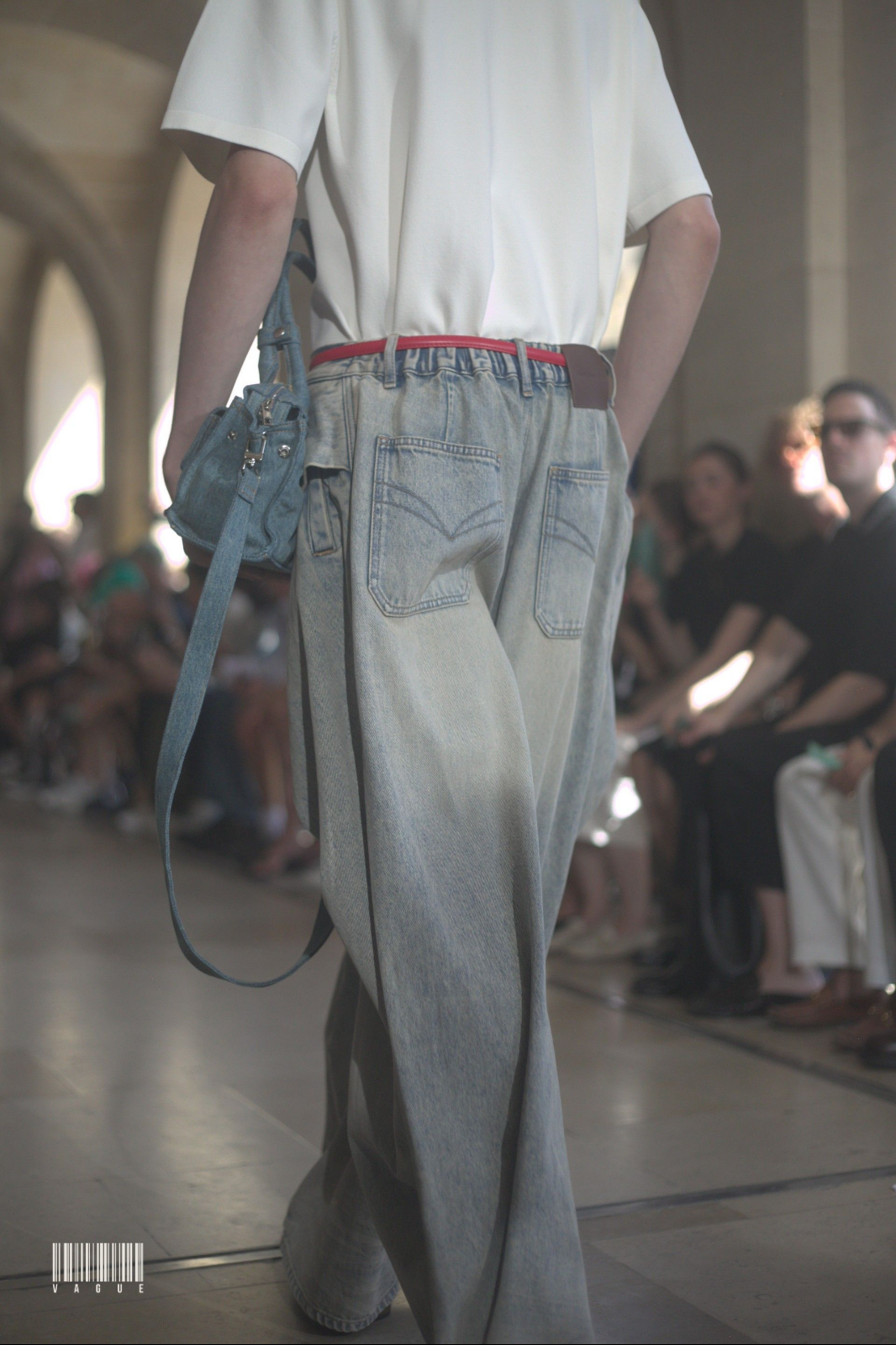
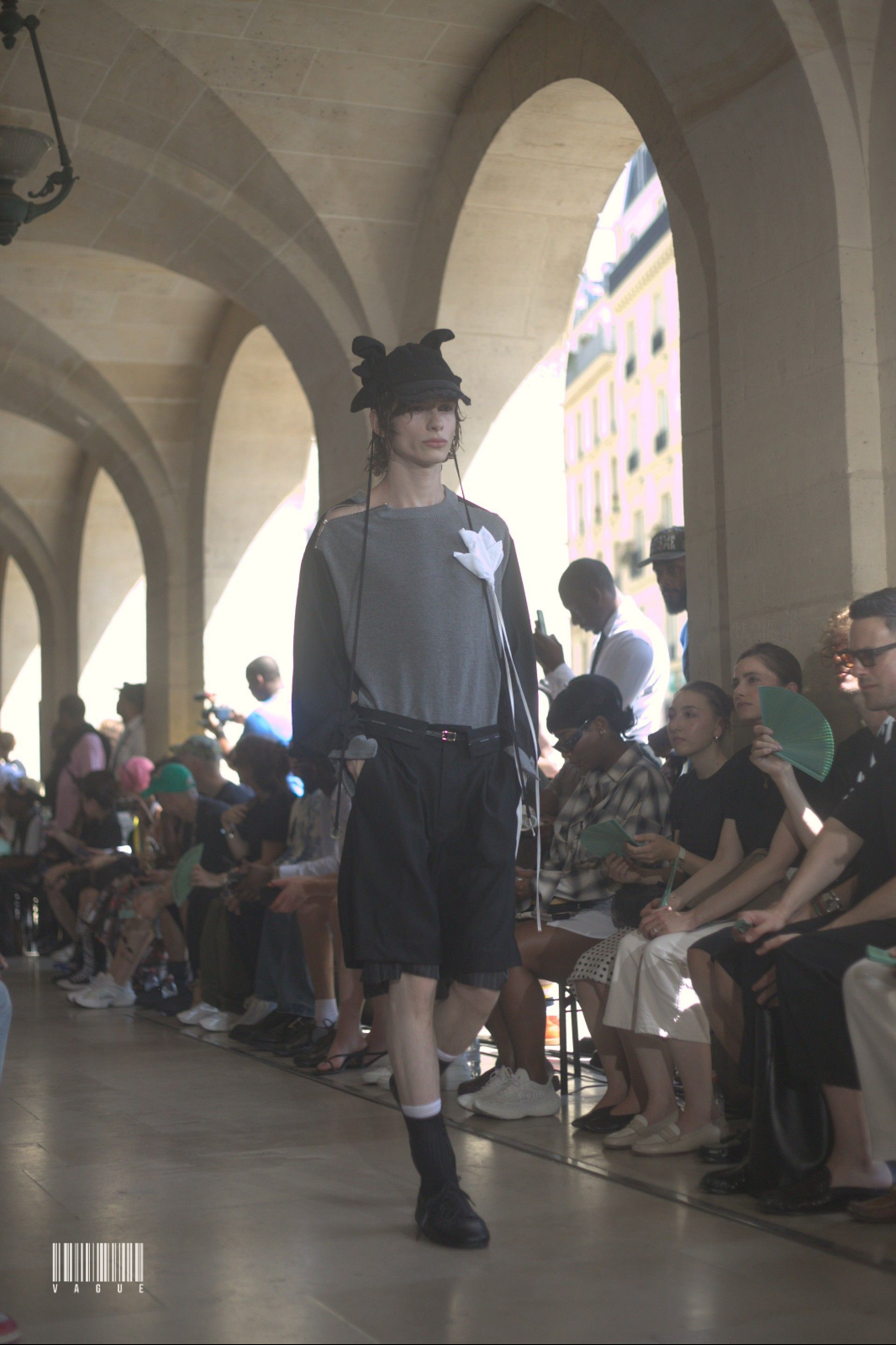
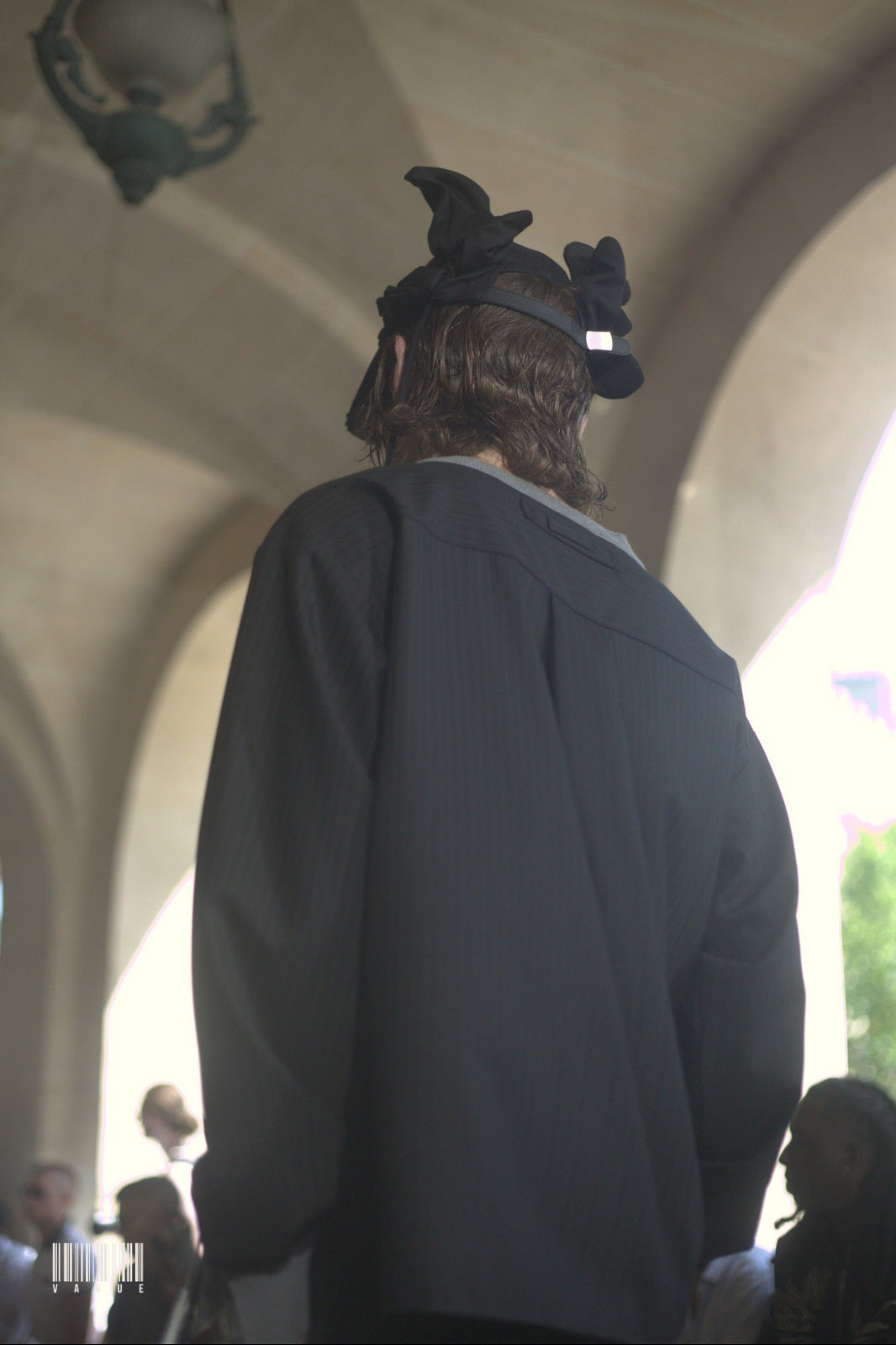
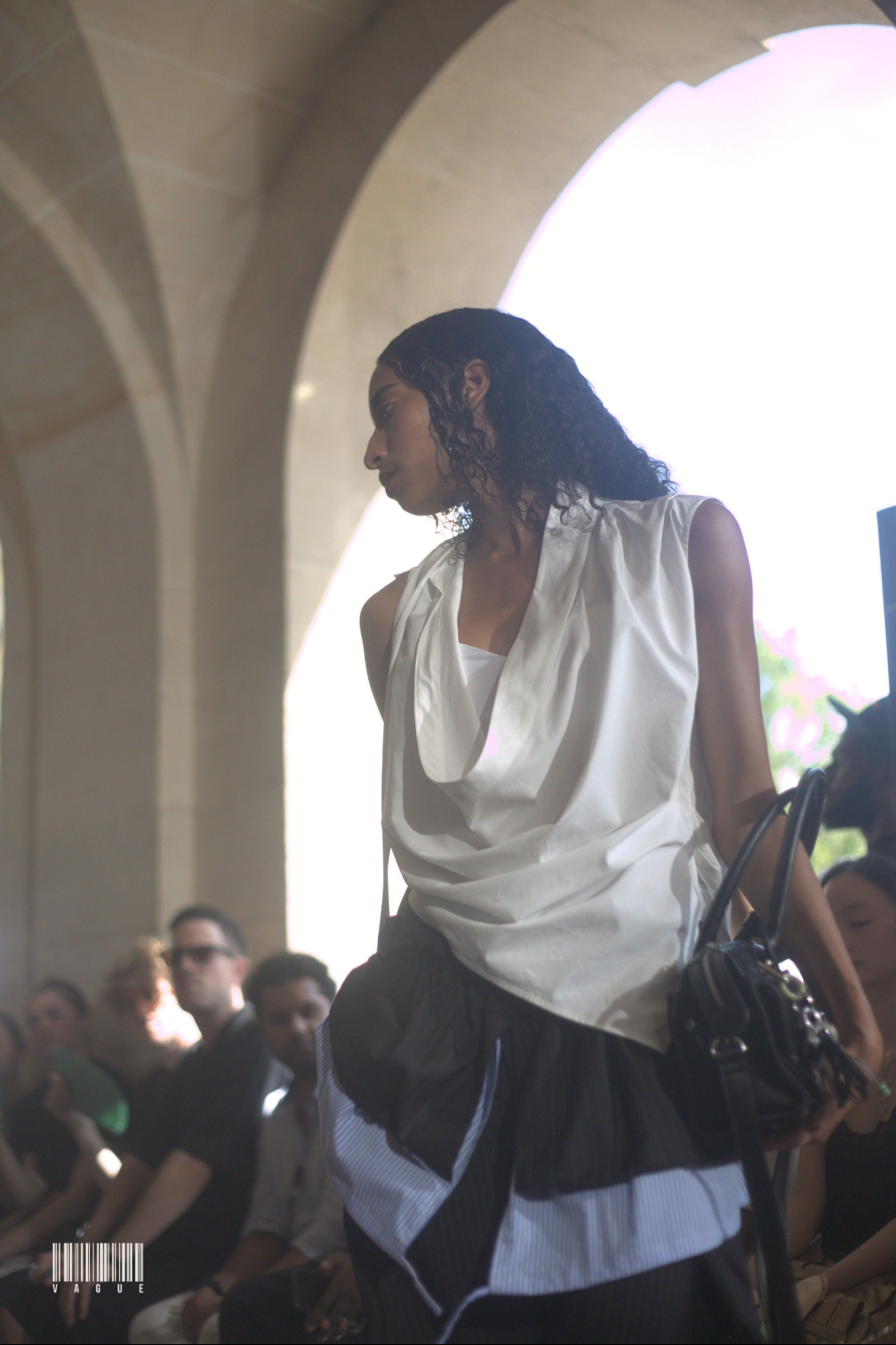
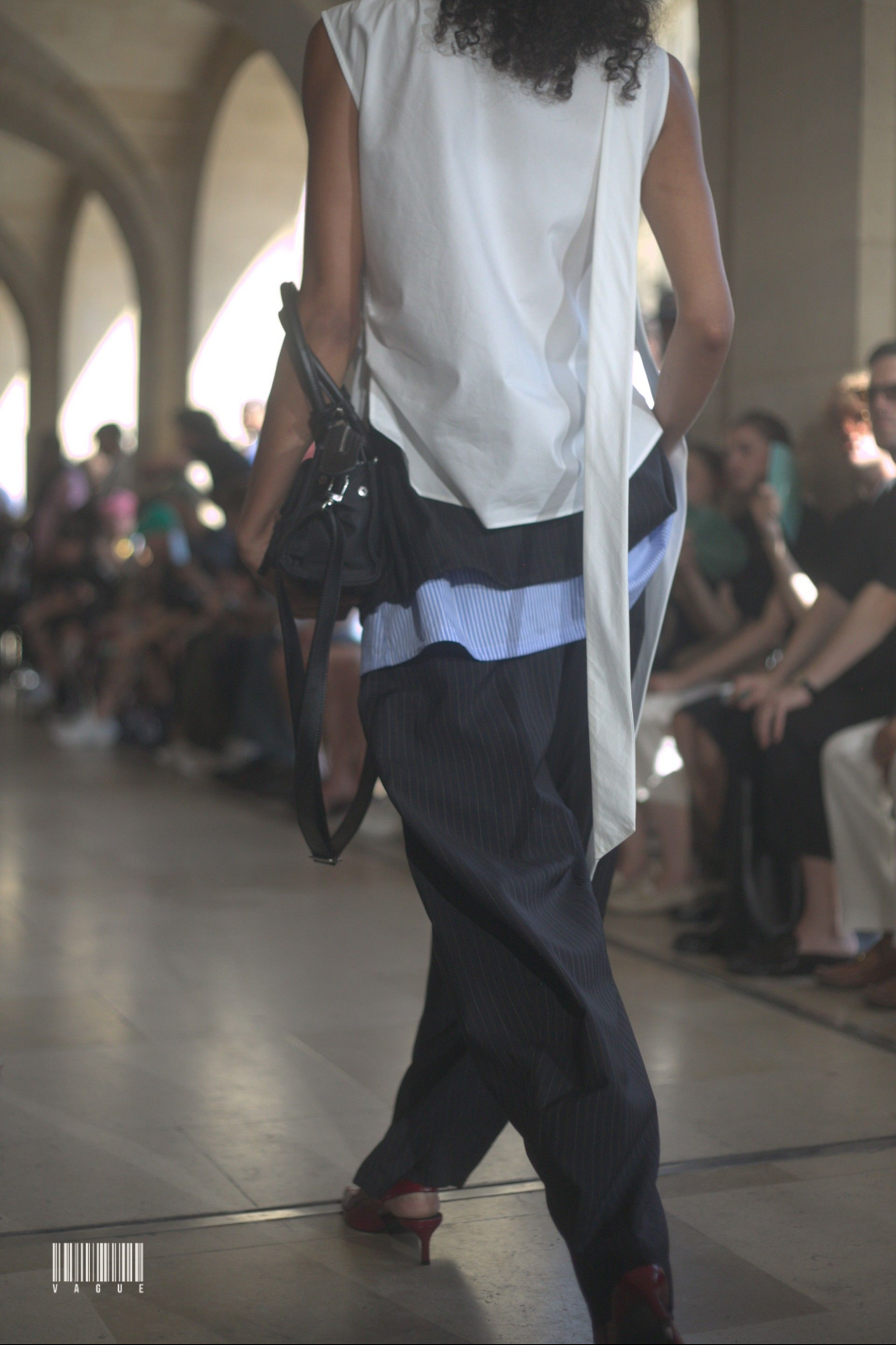
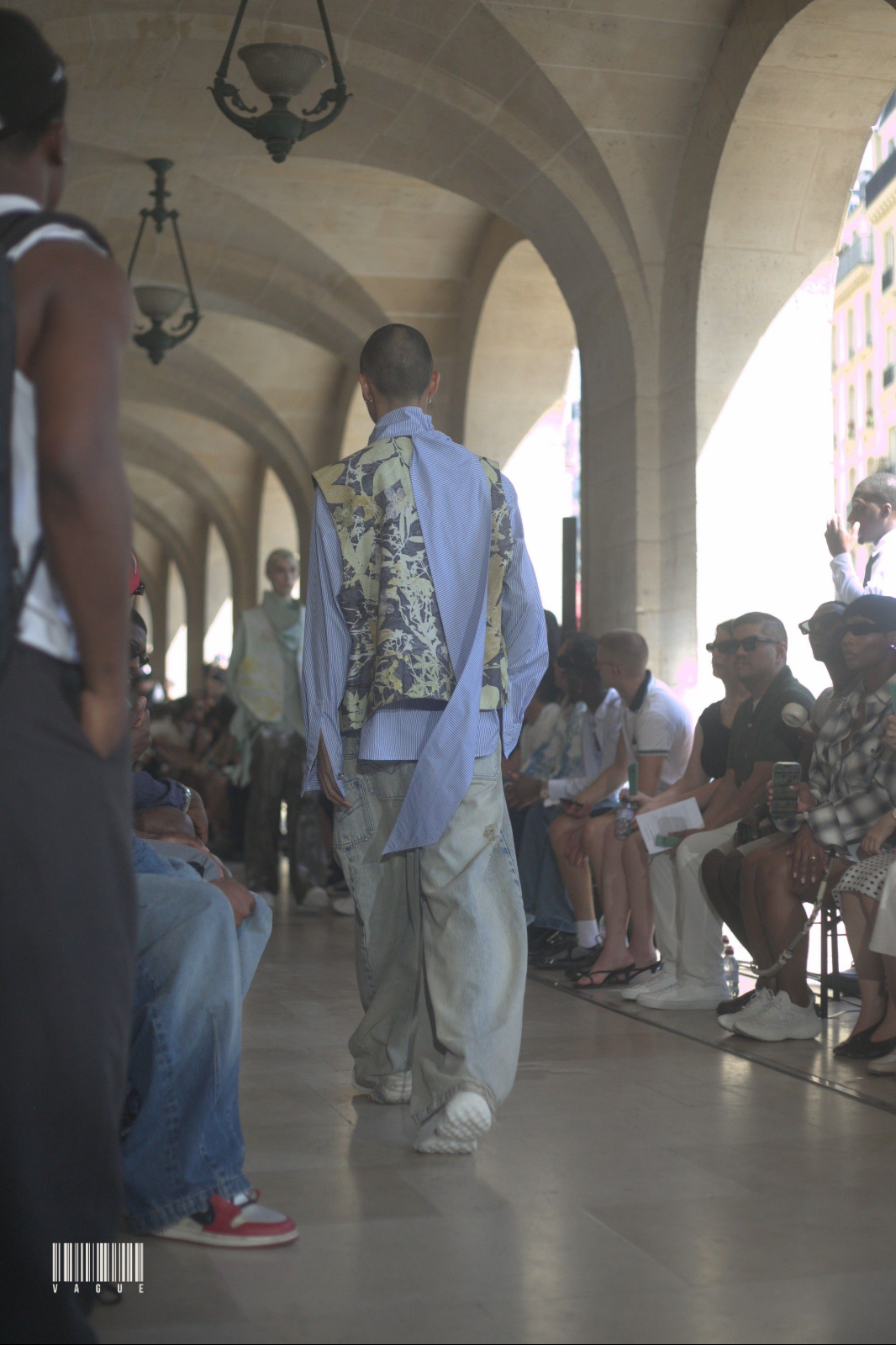
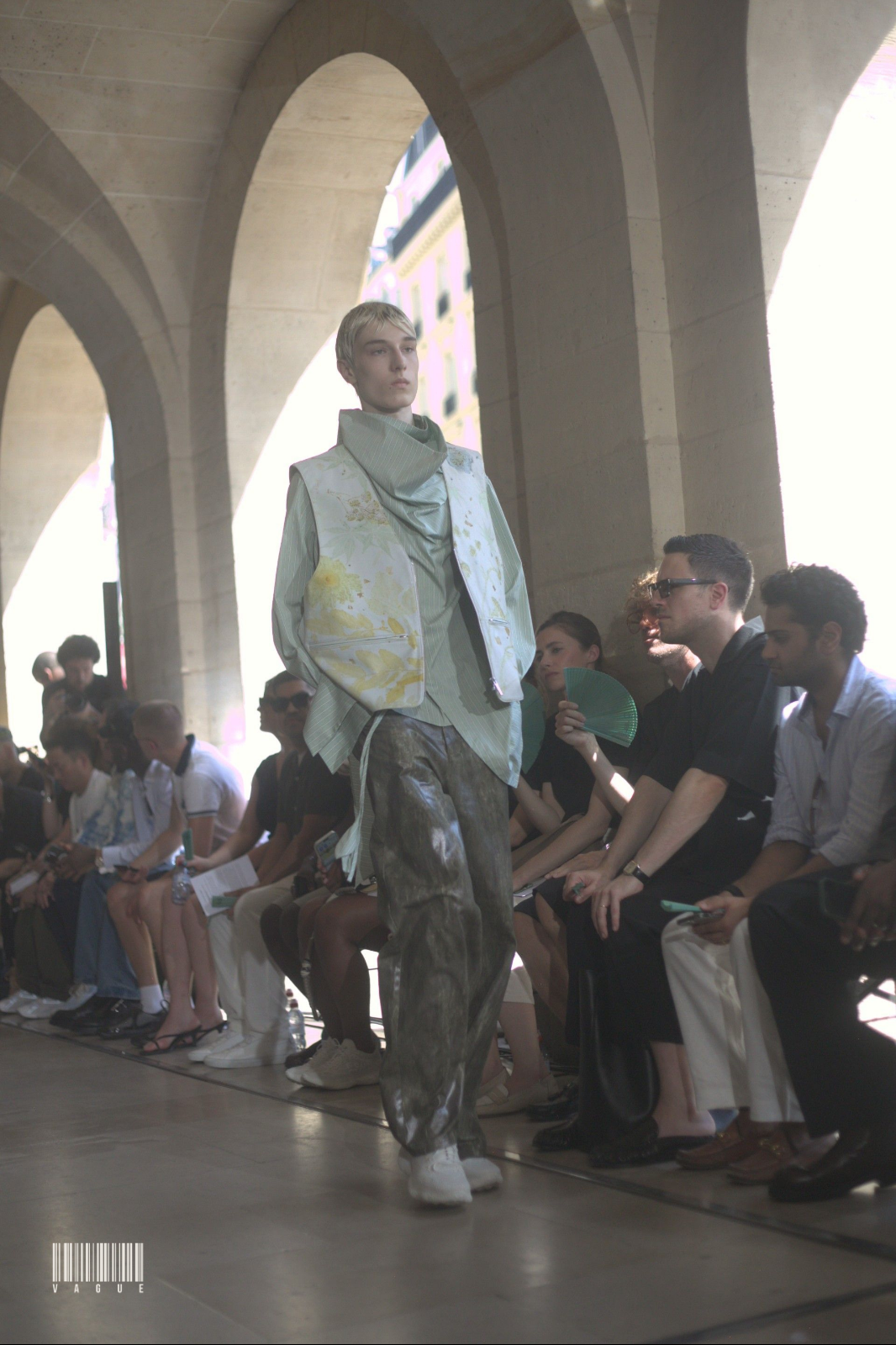
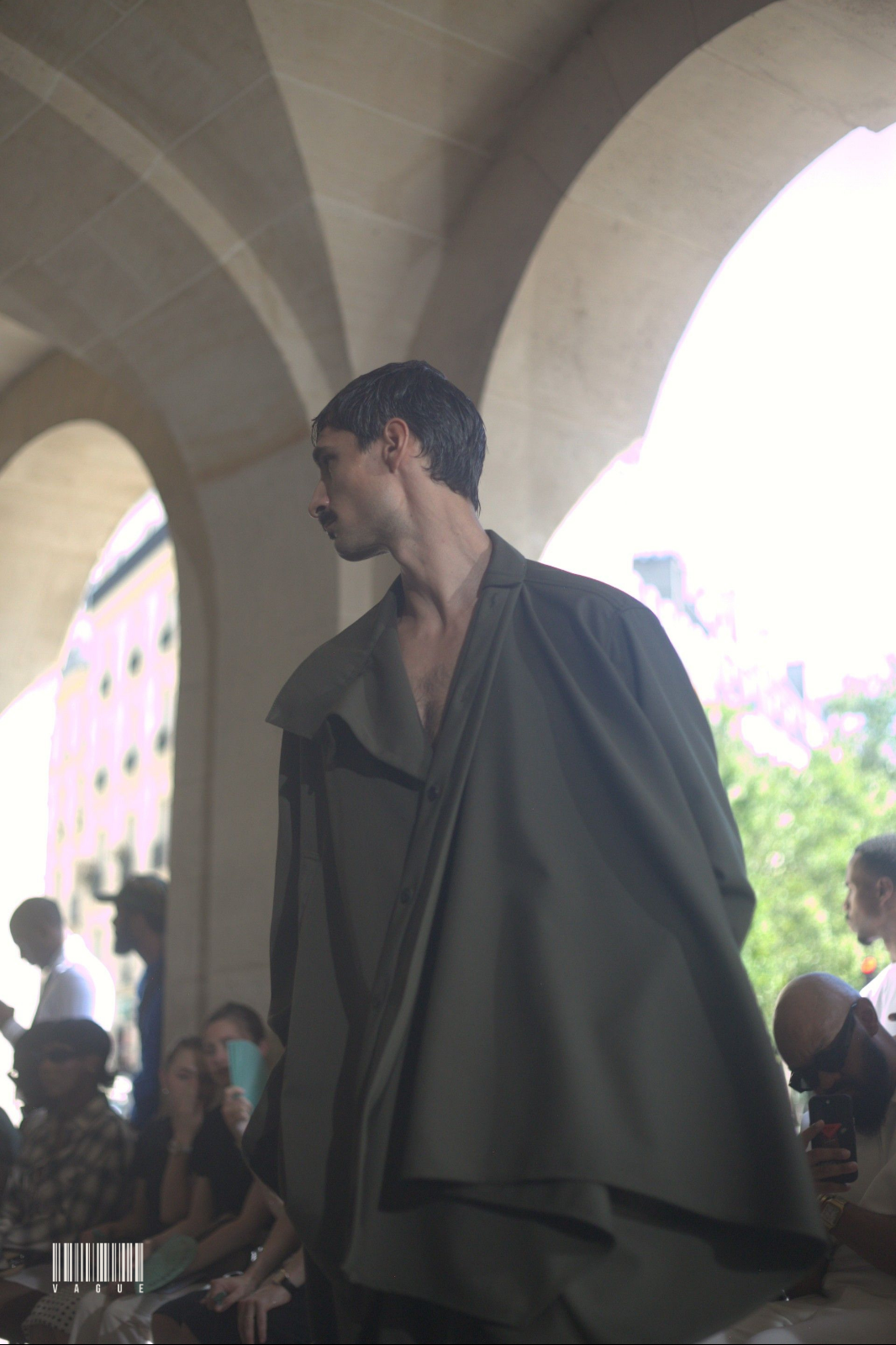
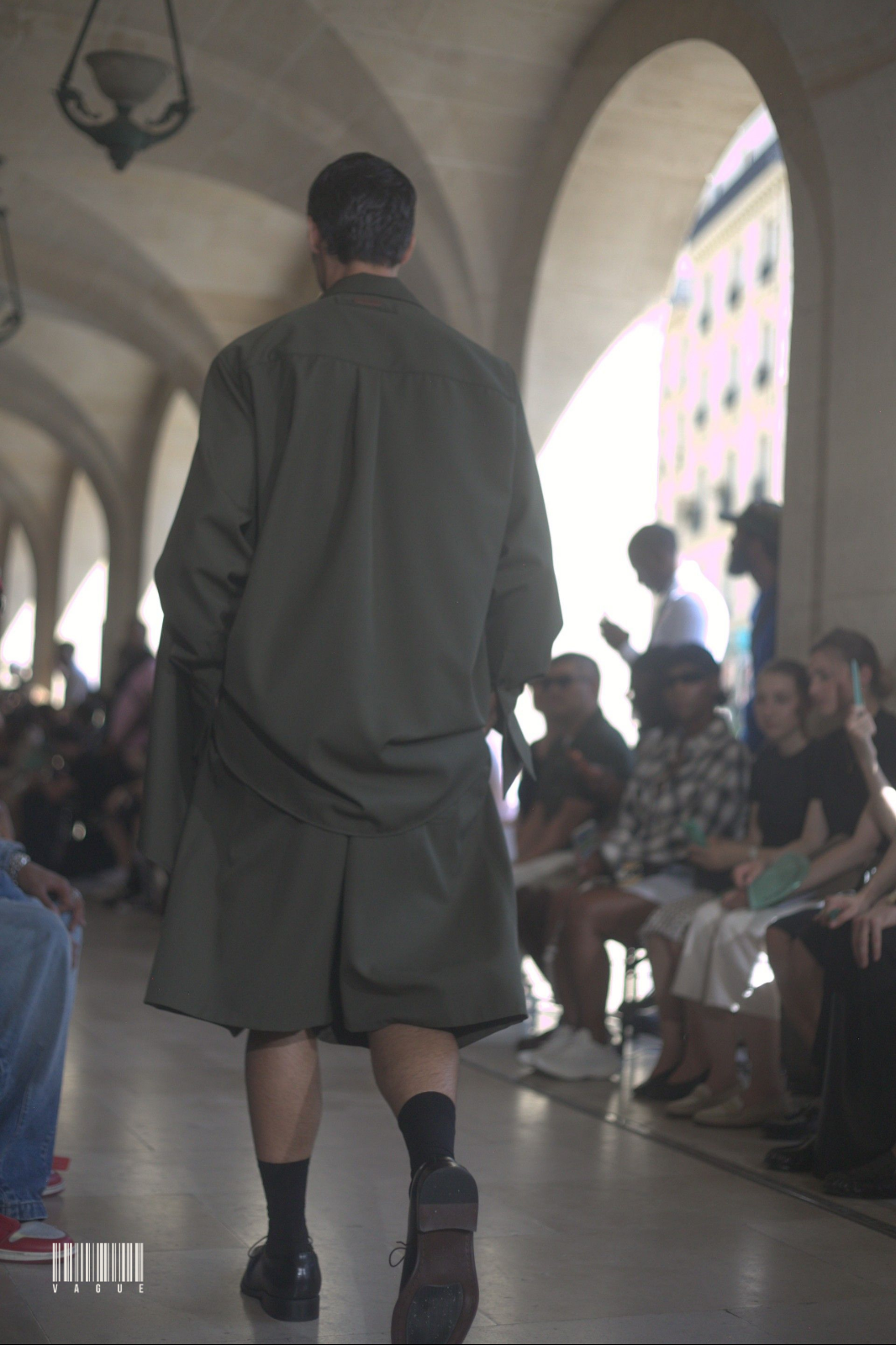
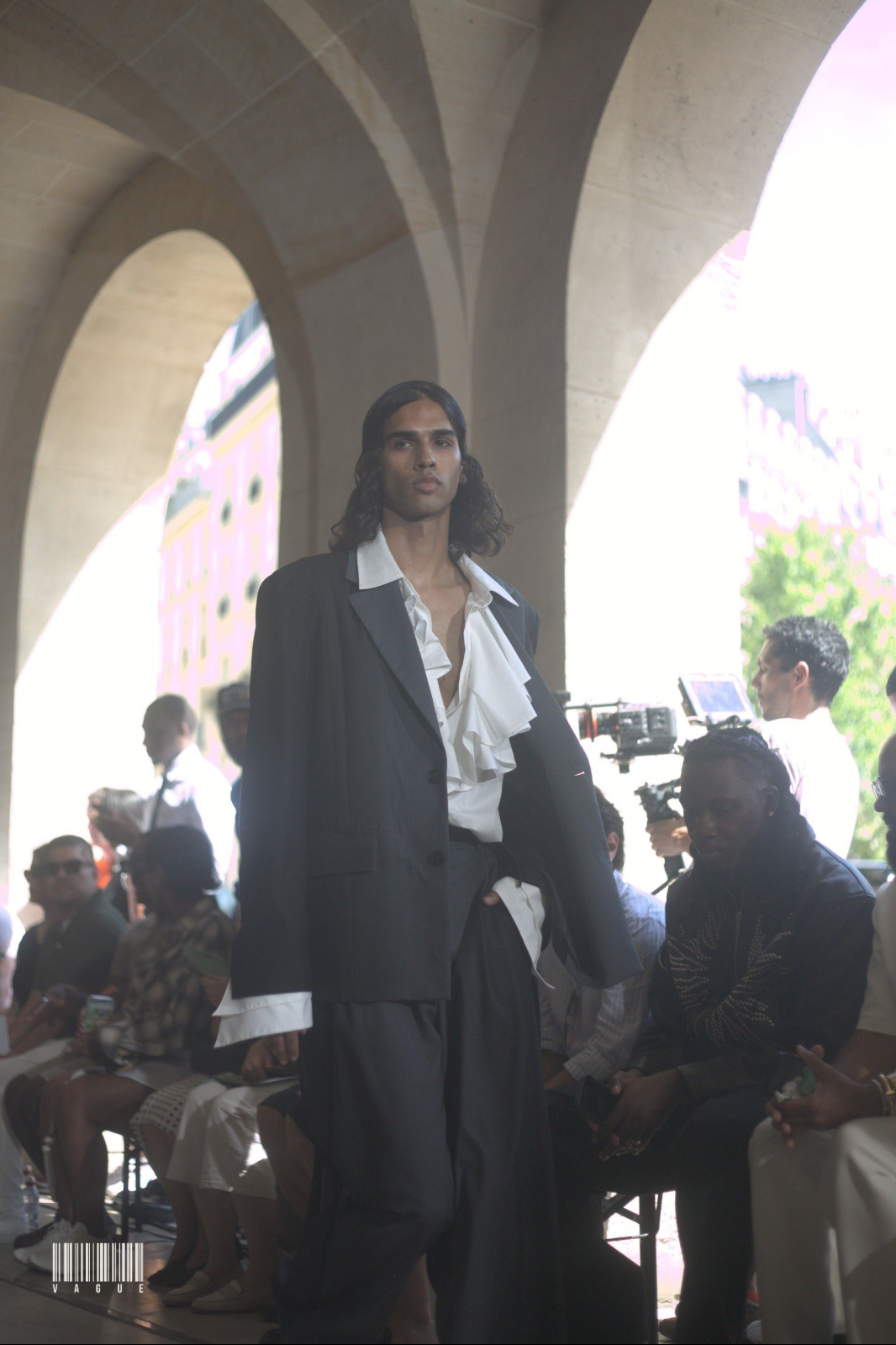
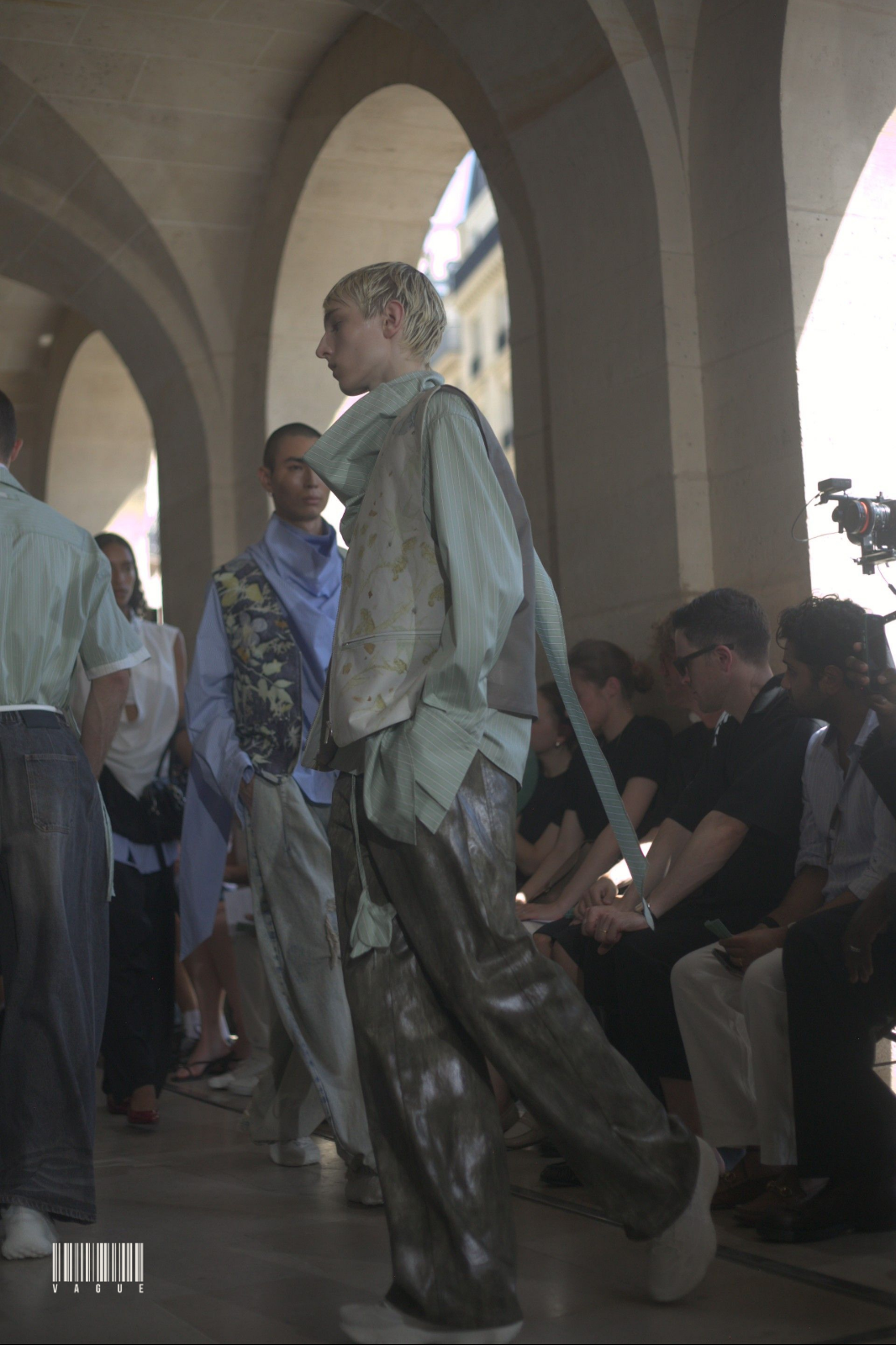
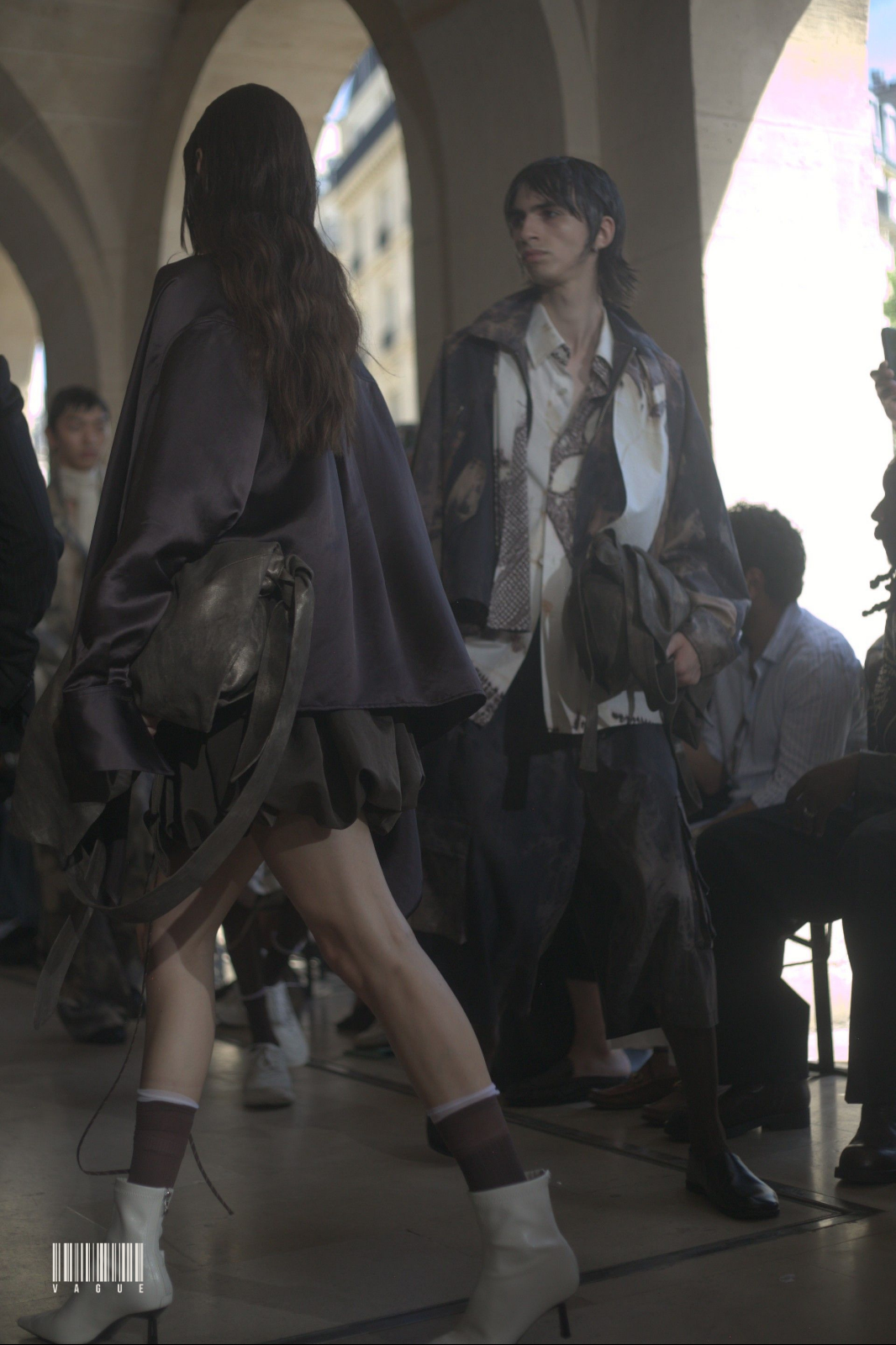
Wang’s practice has always occupied the intersection between her Royal College of Art education and the Chinese design tradition she steadfastly carries forward. But what makes her one of the more exciting propositions on the Parisian schedule is that she refuses to resolve these somewhat opposing forces into a comfortable synthesis. A jacket cut from shiny black fabric may close with pankou, but the silhouette is cropped and contemporary. Robes with the relaxed volume of ancient scholarly dress are slashed, twisted and reimagined in contemporary fabrications, shifting the historical reference firmly away from costume territory. Raw hems and softly unfurling ties gesture toward incompleteness as a design principle as well as a finishing detail. Floral motifs bloom throughout the collection, suspended in a state of becoming.
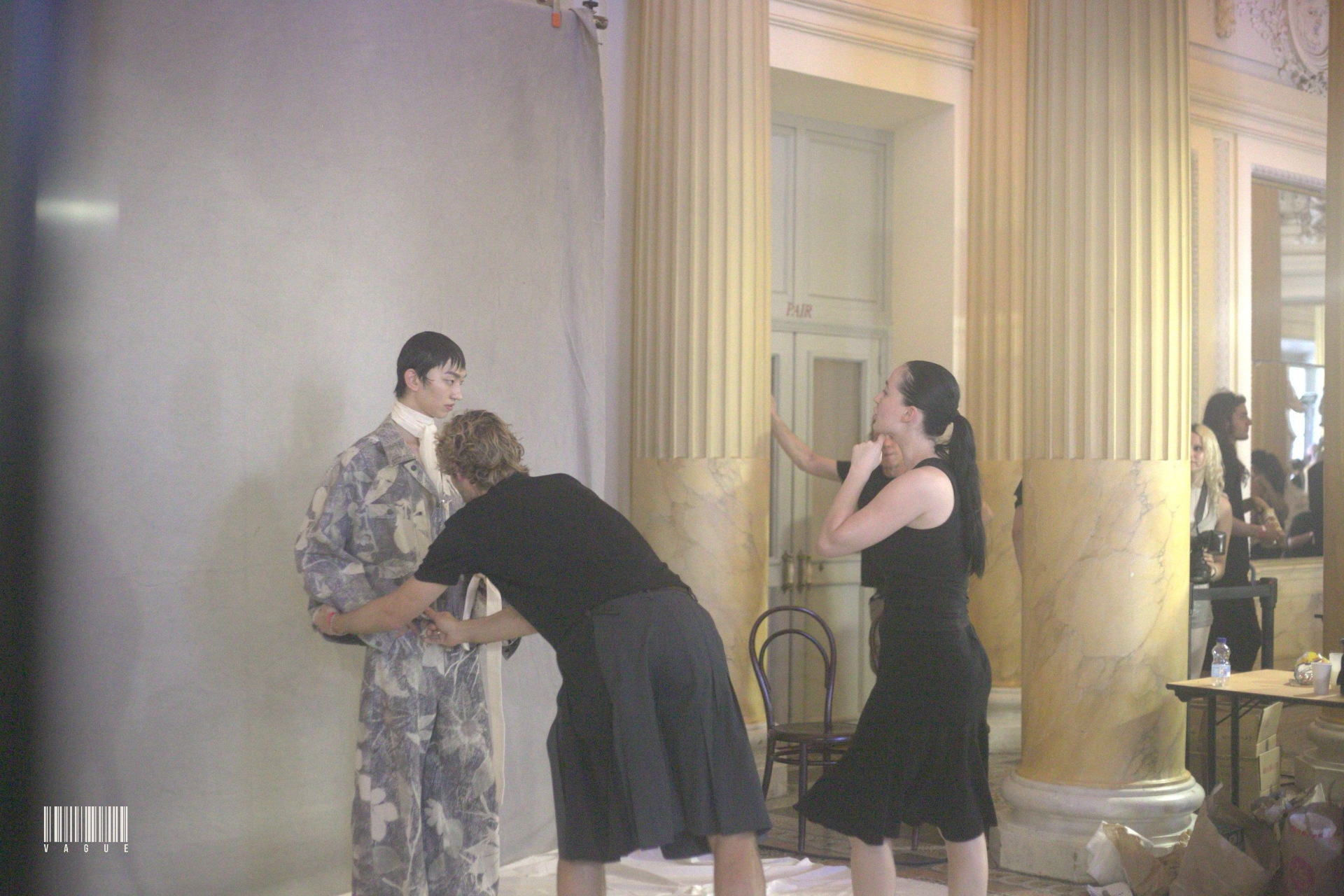
Shirts resembling fencing uniforms introduced another axis: the controlled sport of two bodies duelling in proximity, the physical precision therein dressed up in ceremony, which hit differently given what else was announced that very same afternoon. The botanical contact printing technique continues from her previous collection in the form of fresh leaves pressed onto handwoven cotton at high temperature, leaving a ghostly imprint that makes each piece unique and unrepeatable. But this season, Wang extends it to leather, an expansion that opens new territory in the technique’s relationship with permanence. This question of what an impression costs the surfaces it’s pressed into permeates the whole collection.
This question becomes harder to ignore given her expanding Under Armour partnership. The collaboration began at her AW26 show in Shanghai — also her tenth anniversary, marked by her first full womenswear collection after a decade working almost exclusively in menswear. For Spring / Summer 2027, Wang debuted pieces from her newly minted role as Long-Term Creative Partner to Under Armour’s Rebel Daughter womenswear initiative, notably the brand’s first long-term partnership with a Chinese-born designer.
Wang is known for using her platform to cast real people, reflecting the multi-dimensional, personal and human inspiration behind her structured streetwear designs and this season was no different. In the spirit of this new relationship, WNBA point guard Nika Muhl and Mexico Women’s National Flag Football captain Diana Flores — both Under Armour brand ambassadors — walked as part of her cast of models, continuing a casting legacy that, at AW26, featured Chinese-Hungarian Olympic short-track speed skaters Liu Shaolin and Liu Shaoang.
The American sportswear company has spent years cycling through womenswear strategies with limited success — athleisure pivots, creative director departures, revenue declines — so the Wang partnership feels like a bid for cultural credibility in both luxury-adjacent fashion and the APAC market, where the brand has been contracting until recently. But Wang’s true value to them is her genuine pedigree: a decade of definitive influence in menswear, an RCA education, a practice that has earned earlier collaborations with Nike, Crocs and Canada Goose, all without appearing to be shaped by them. Whether that credibility survives long-term exposure to the machinery of a struggling sportswear brand navigating shareholder pressure and strategic pivots remains to be seen.
If this collection is anything to go by, the integration does appear to go far beyond commercial convenience. The bright red tracksuits and technical fabrications of the collaborative capsule drop weren’t grafted onto her ready-to-wear collection; they emerged from the exact same logic, birthing clothes that move between contexts without belonging wholly to any one of them. The very same tightrope Wang has always walked between British art education and Chinese tradition, between menswear and womenswear, between luxury and performance. Much like the Seven Sages who chose withdrawal from traditional culture over participation on terms they couldn’t accept, Wang’s work finds in these gaps a new kind of sartorial intelligence that resists belonging to either one of those frameworks completely.
But while the Sages drank wine, played music, wrote poetry and philosophised outside the court’s reach, Botticelli's Primavera was commissioned by the powerful Medici Family for the townhouse of Lorenzo di Pierfrancesco, trading wealth and idealism in the same transaction. Giving the East-meets-West rhetoric new dimension, Wang brought these polarizing concepts to a head at the Odeon, with a sportswear giant’s athletes walking the runway amidst her core collection, an announcement about commercial partnership waiting in the wings as we celebrate her latest leather printing innovation. The garments remained honest about being caught between tradition, markets, a decade of independence and whatever is to come in the next. This is a much harder thing to pull off than Wang makes it look, and it's the reason her practice rises to the top of the cultural conversation when so much else on the Paris schedule recedes into seasonal platitudes.
The question Dreaming of Spring doesn't answer is what Wang's work looks like when the partnership has run long enough to leave its own imprint on culture. Leather, after all, remembers what presses up against it. So does a brand.
credits
words — karina so.
photography — karina so.
design — karina so.
media production — VAGUE