Kiko Kostadinov AW26
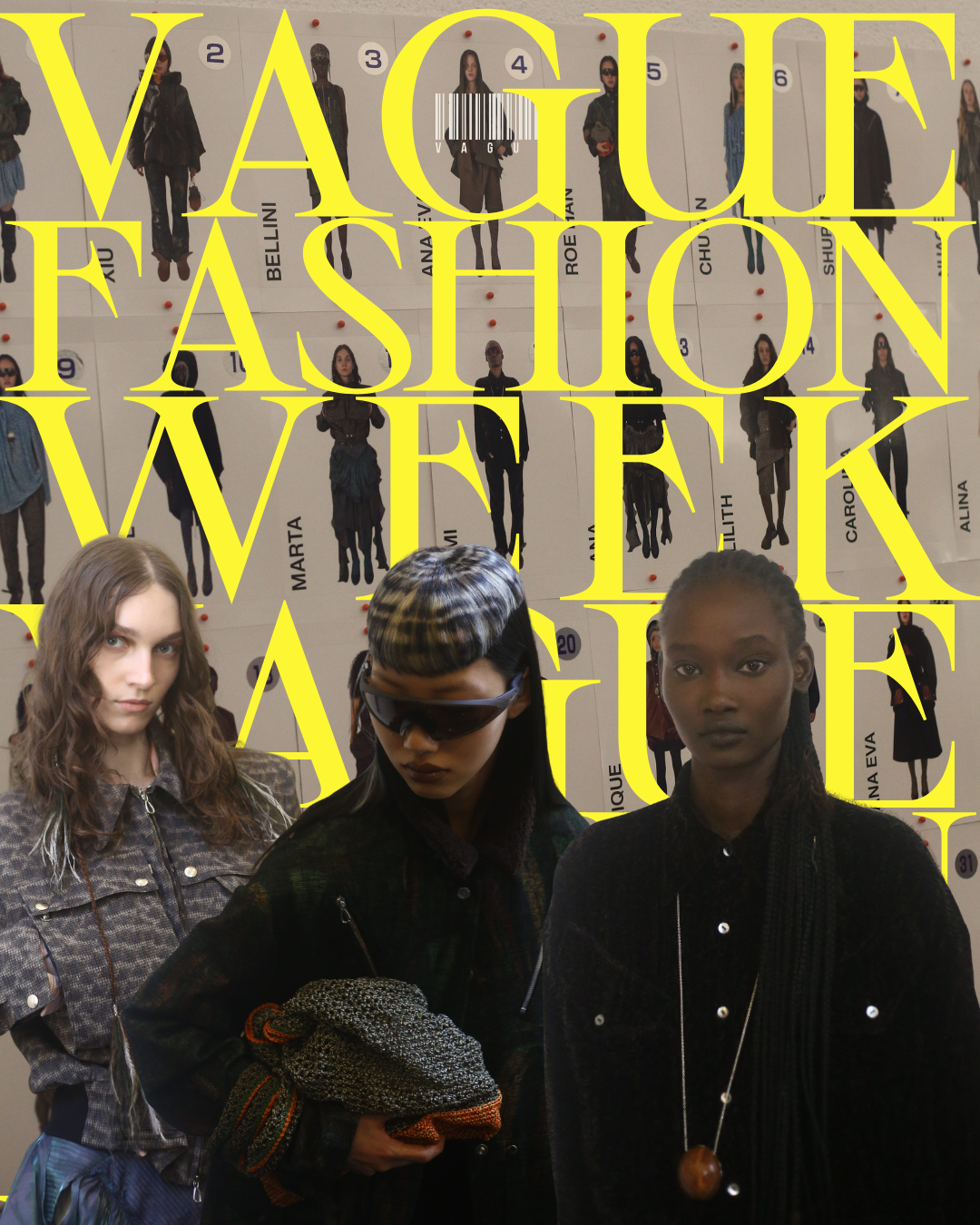
Kiko Kostadinov AW26 & the Politics of Looking
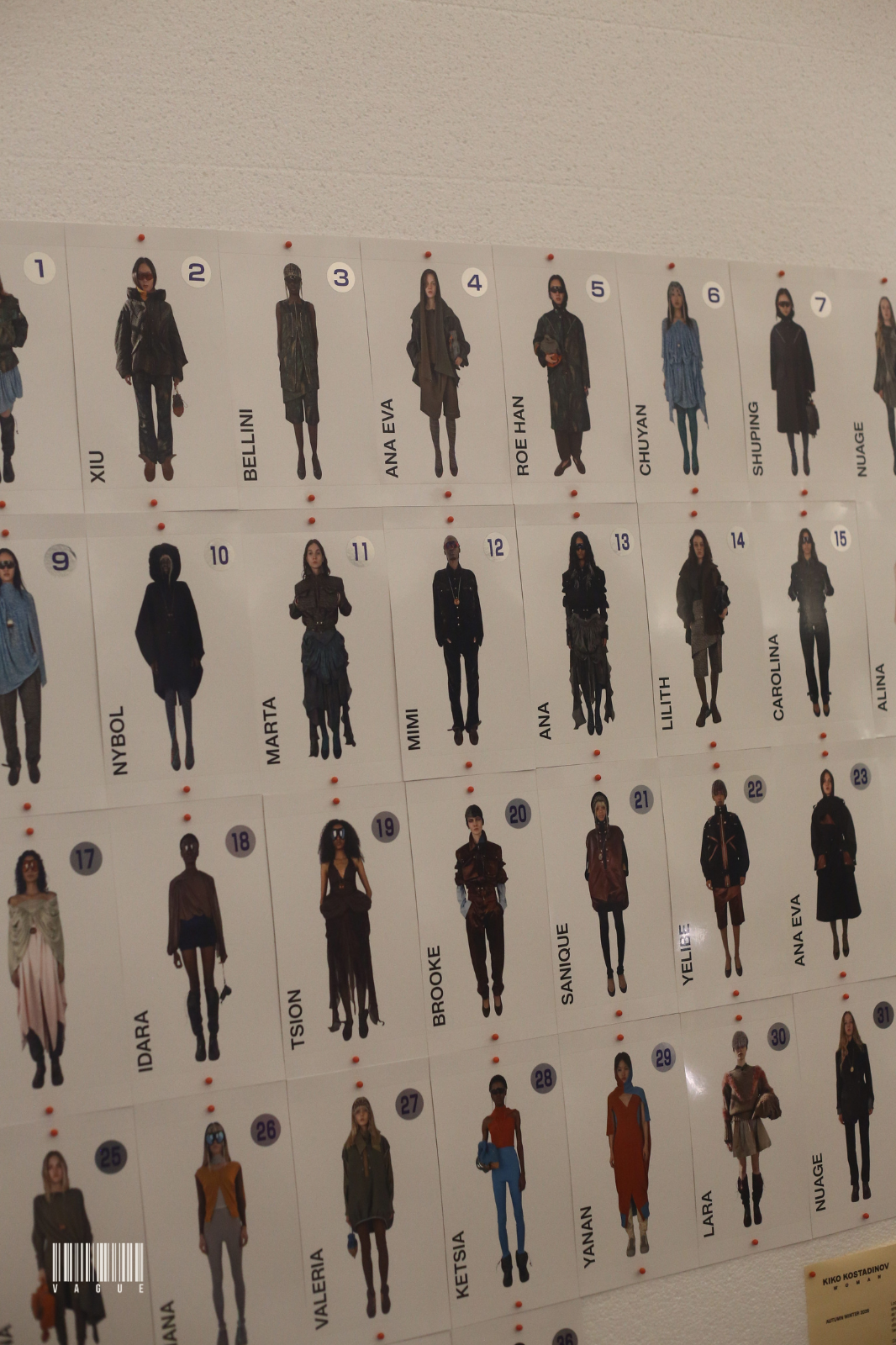
At Paris Fashion Week, Kiko Kostadinov’s womenswear line has steadily developed into one of the city’s more intellectually curious propositions. Designed by sisters Laura and Deanna Fanning (aka the other Fanning sisters, the label’s Autumn/Winter 2026 collection explored a deceptively simple premise about what it means “to see and to be seen.” Indeed, there is much to compare between the women that the sisters design for and the birds that inspired their creative direction for this collection. Communal by nature, both tend to fleet between visibility and concealment, support and survival; their safety dependent on how they navigate the gaze of others.
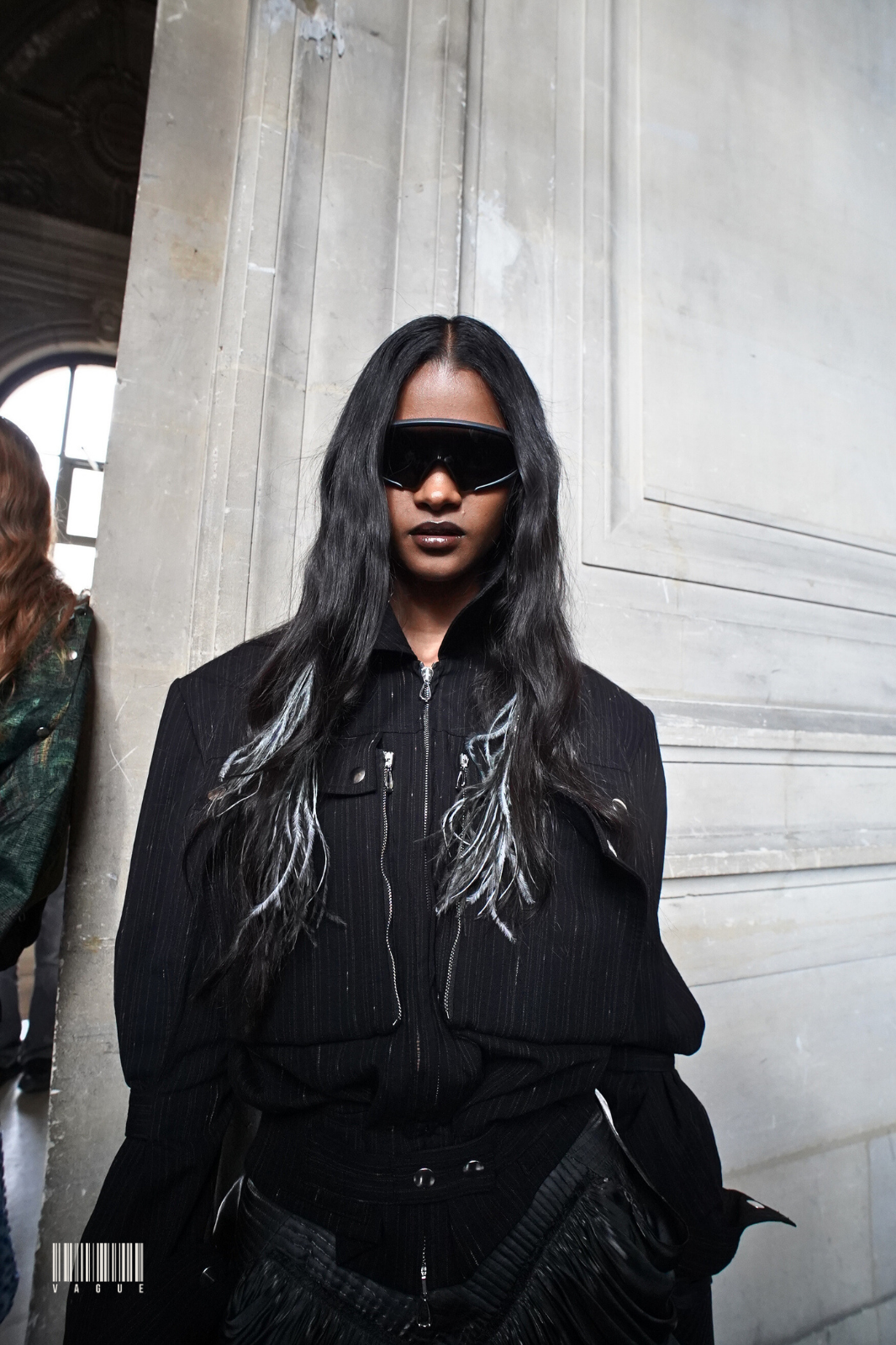
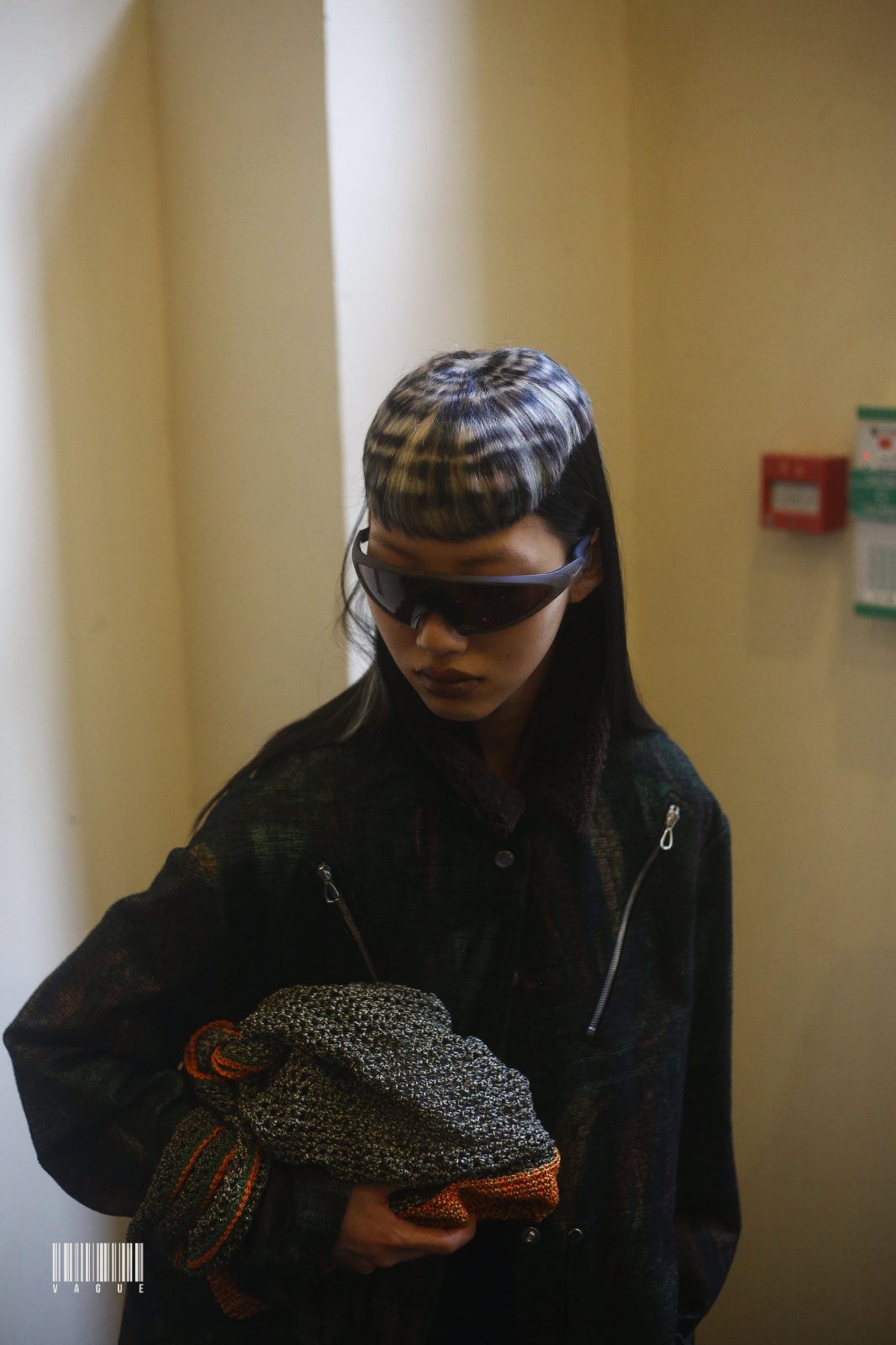
In practice, that concept translated into garments built around observation itself. Utility trousers appeared with tool-like pockets capable of holding notebooks or small instruments, while jackets concealed compartments that suggested the quiet rituals of fieldwork. The reference point was not traditional workwear so much as the uniform of the watcher: part naturalist, part urban observer moving through the city with attention sharpened to small details.
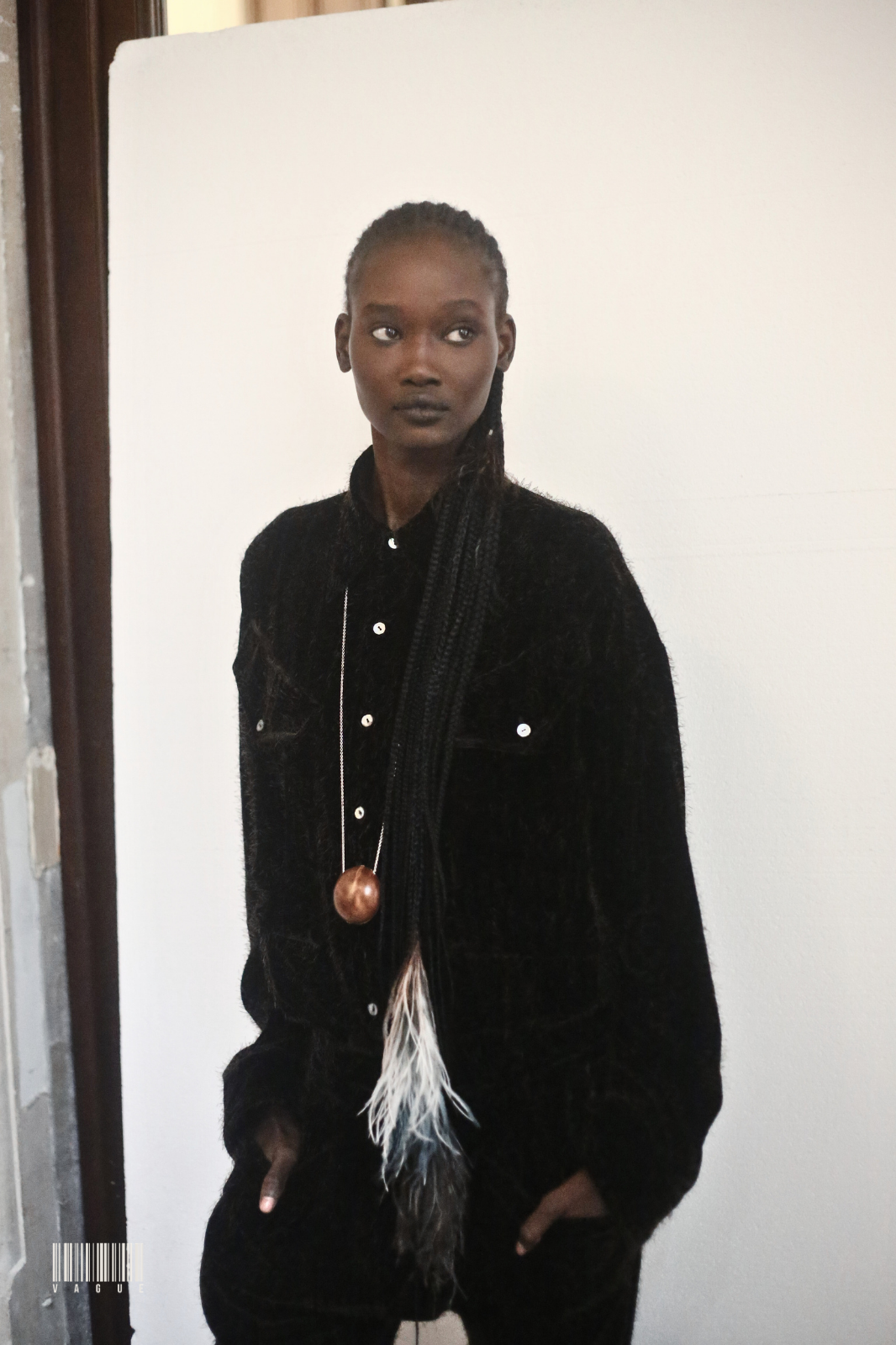
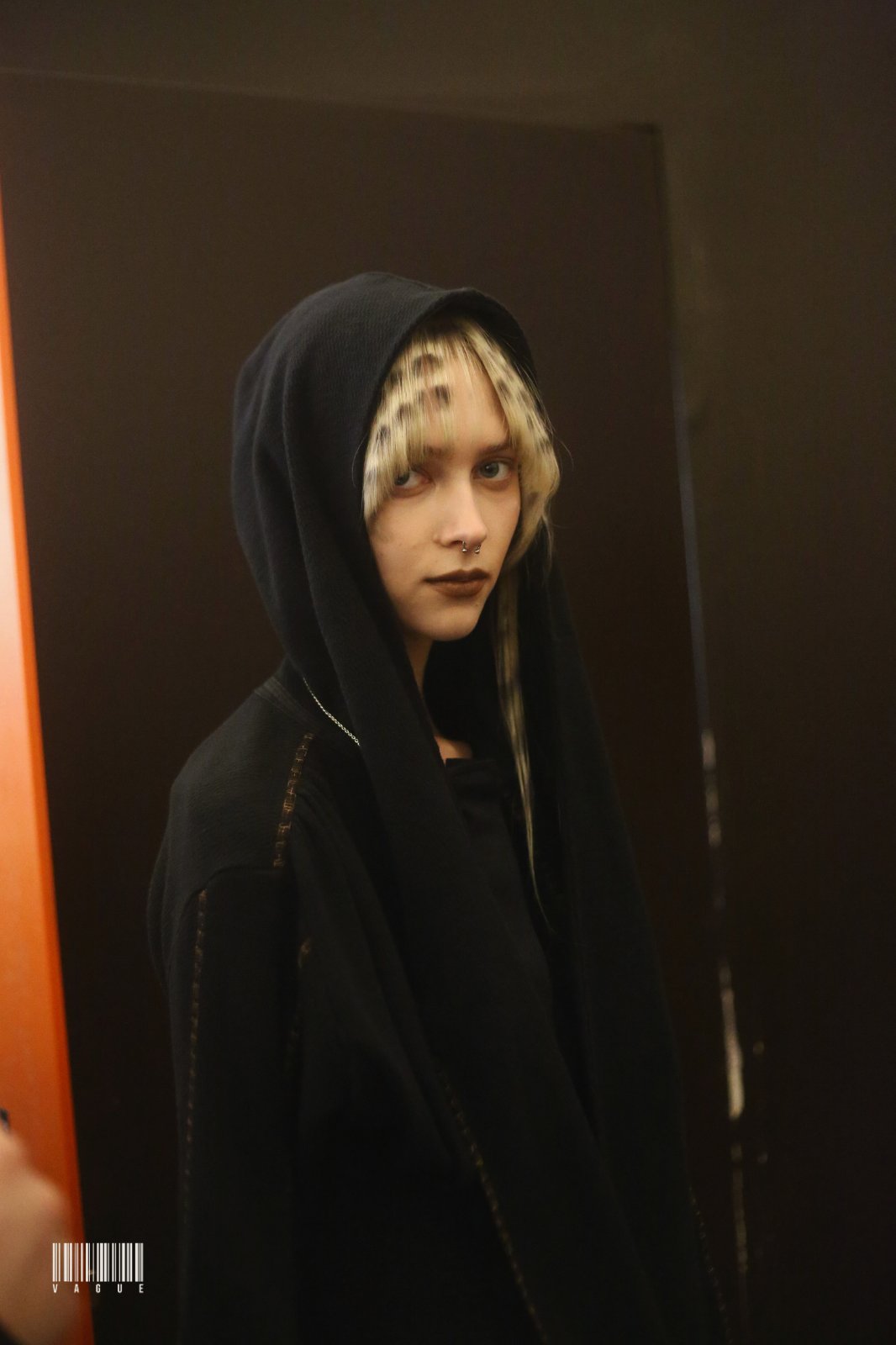
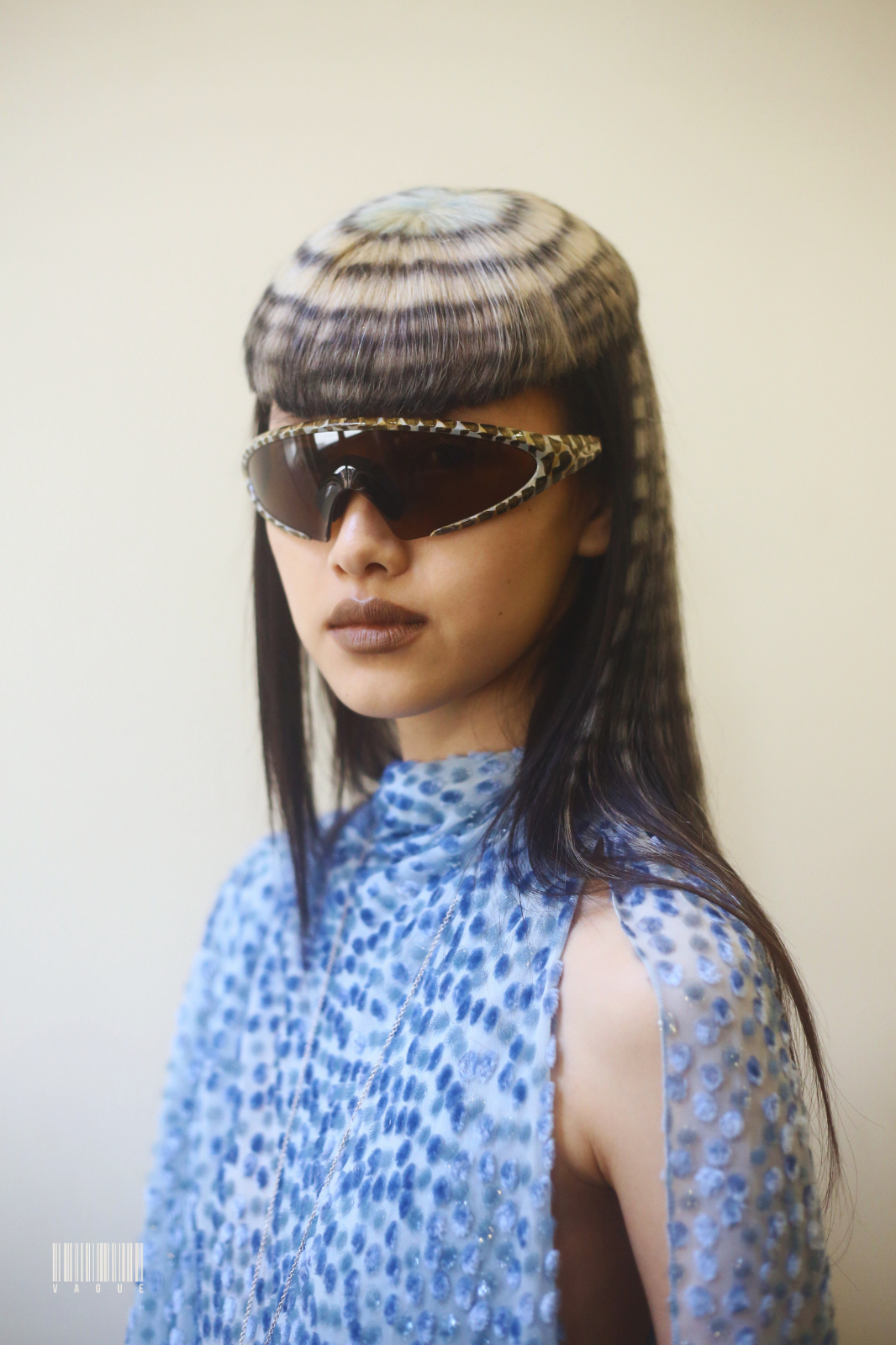
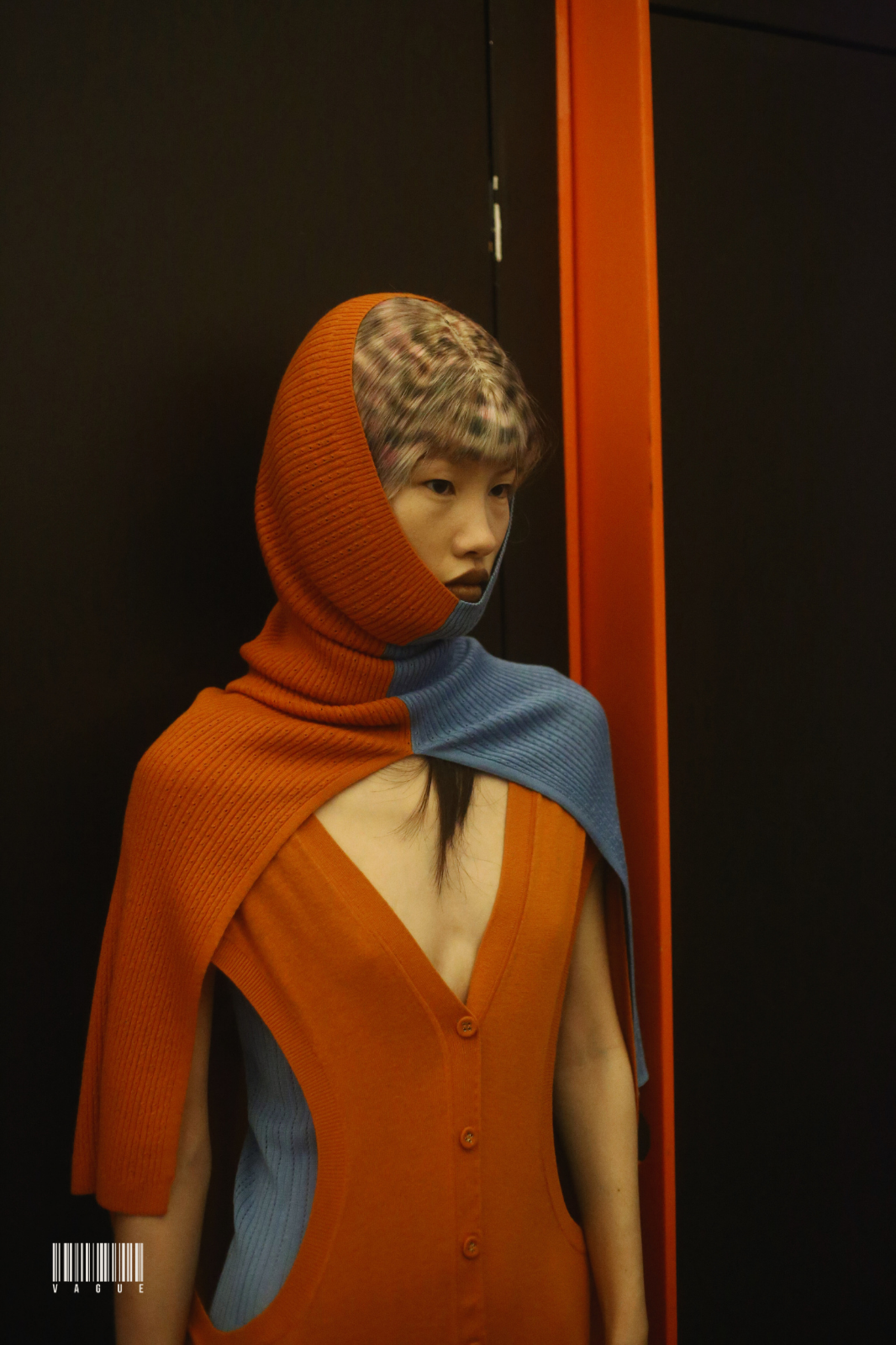
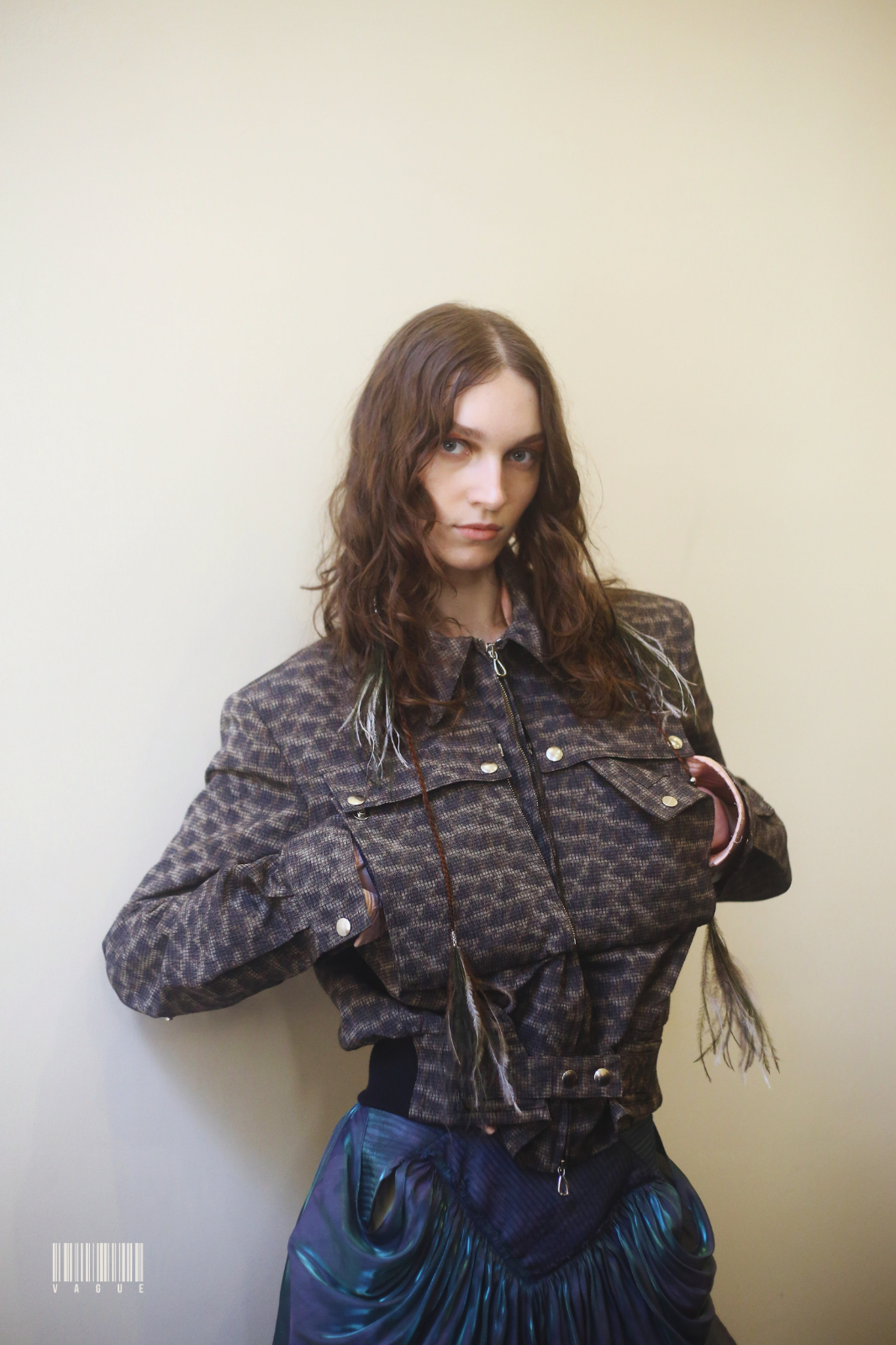
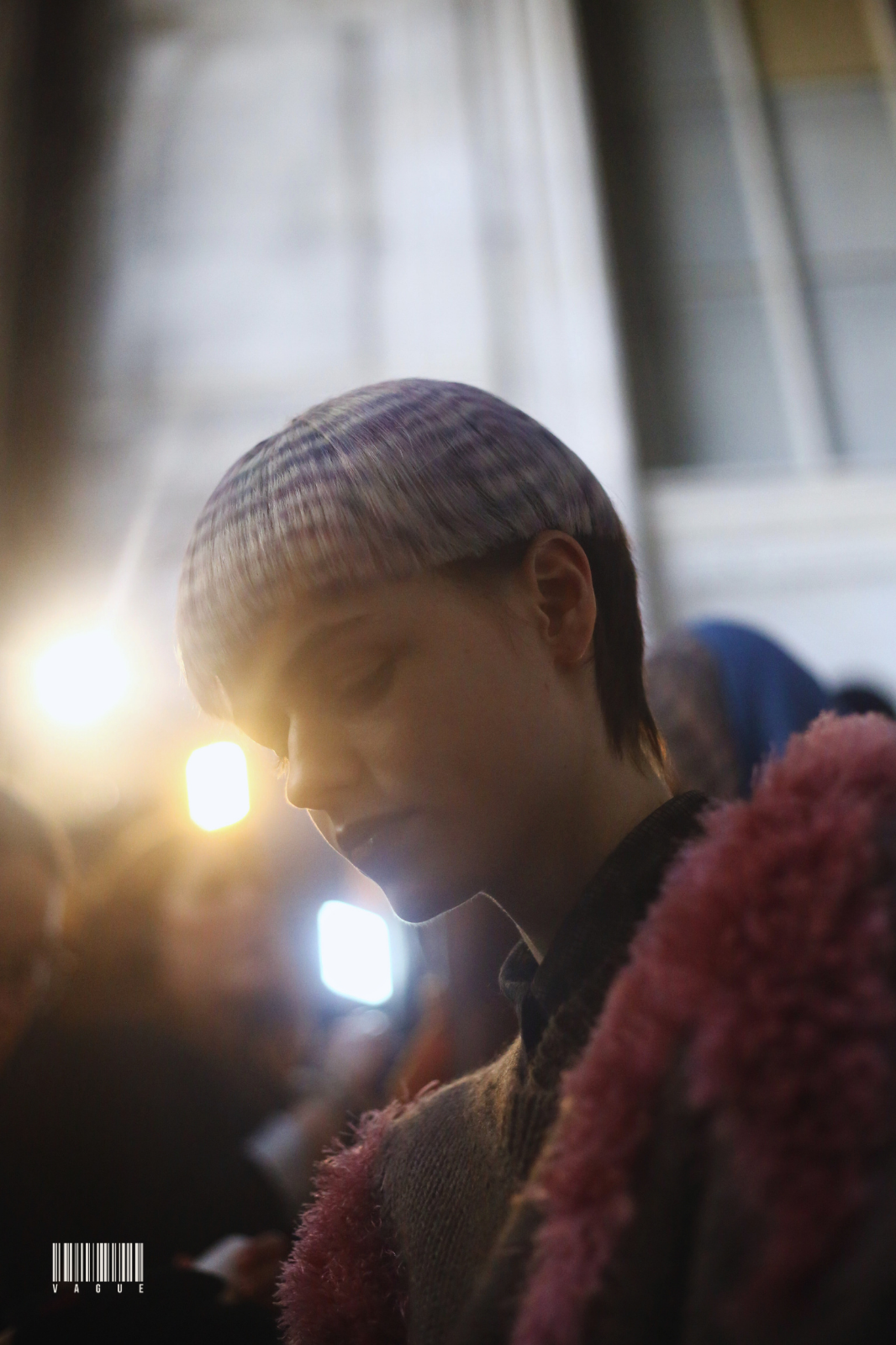
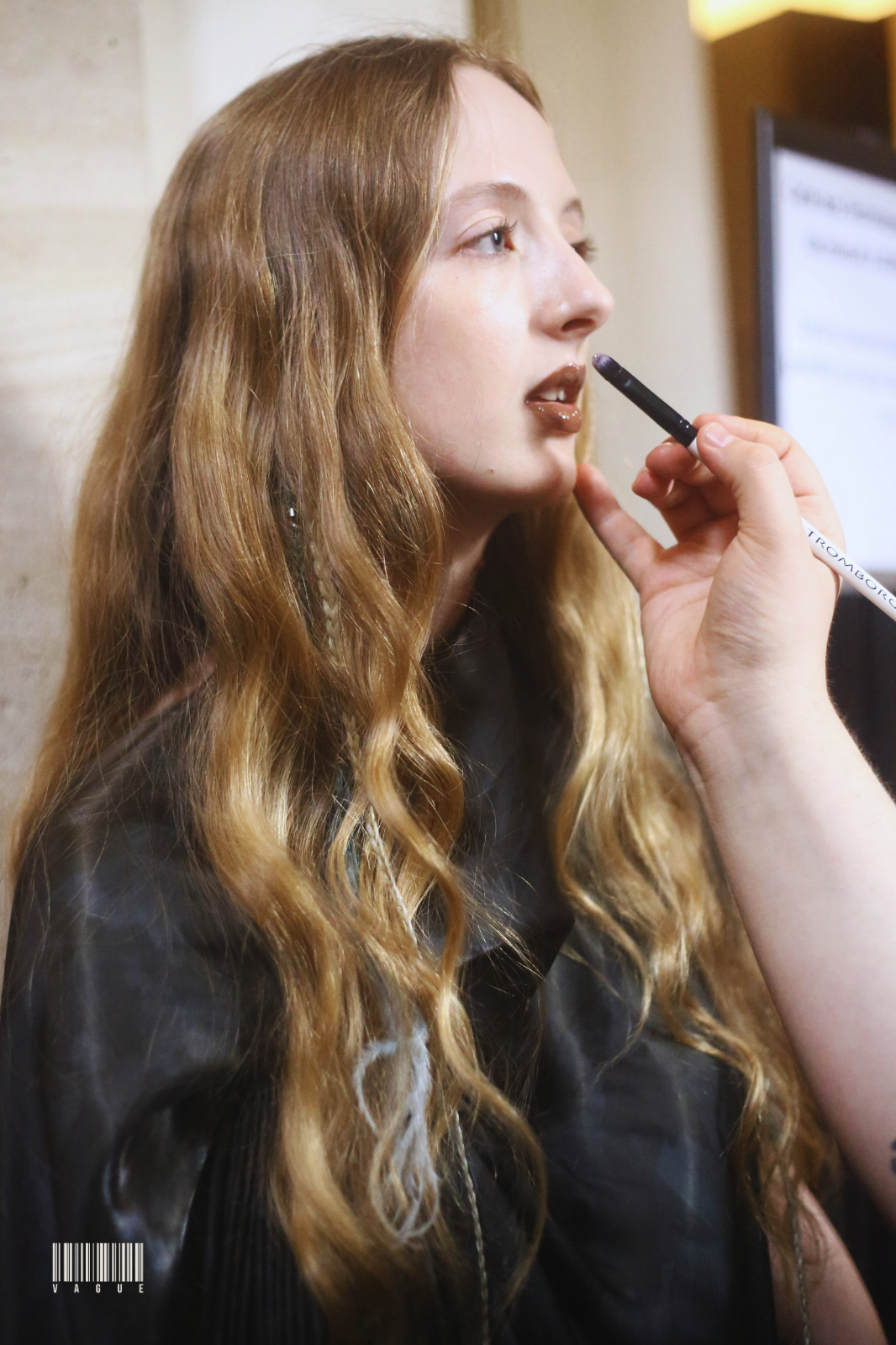
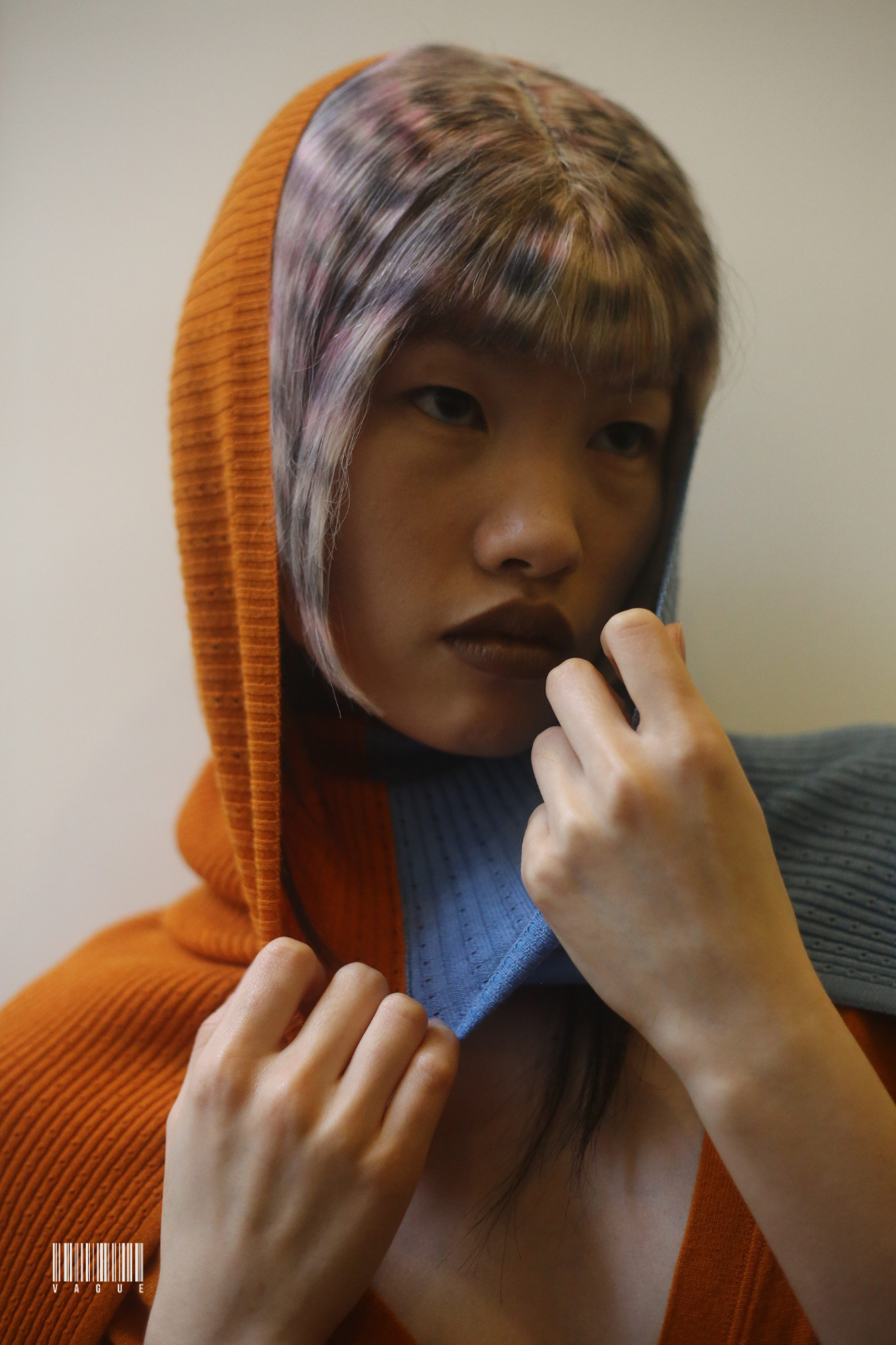
This idea resonated in a season where fashion seems unusually preoccupied with acts of seeing. Across Paris, designers repeatedly turned to hair as a visual device for decoration or symbolism. At Kimhekim, hair extensions became surreal adornments integrated into garments to tickle visual curiosity as much as physical, while at grounds, ghostlike strands framed the face like spectral veils between worlds. The Kiko Kostadinov approach was subtler but part of the same conversation: hair evolving past common beauty styling into conceptual gestures, herein reinforcing the theme of perception and presence.
The looks ranged from pragmatic tailoring to expressive volume, with menswear-influenced jackets grounding the collection in a kind of sober functionality later offset by the softer pieces that shimmered and shifted with movement. Dresses in iridescent fabrics caught the light in ways that recalled plumage, their surfaces alive with colour even as the overall palette remained controlled — a delicate negotiation between restraint and iridescence, camouflage and display as featherlike textiles and glimmering surfaces suggested the visual drama of birds without resorting to costume.
The designers also expanded the Kiko silhouette vocabulary through experimental sleeves and outerwear that expanded outward before gathering back toward the body, forming egg-like cocoons. Other voluminous coats and ballooning forms created the sense that garments were inflating with air, only to contract again through strategic tailoring as if beckoning to the wind. But even the more sculptural pieces retained a sense of everyday usability, resisted the theatrical excess often associated with conceptual fashion for a practical observation of how the body itself also alternately magnifies and contracts as it moves through space. Because fashion, after all, is built on the act of looking.
credits
words — karina so.
photography — karina so.
design — karina so.
media production — VAGUE