MYL Berlin Proves Community is the Cornerstone of Modern Fashion
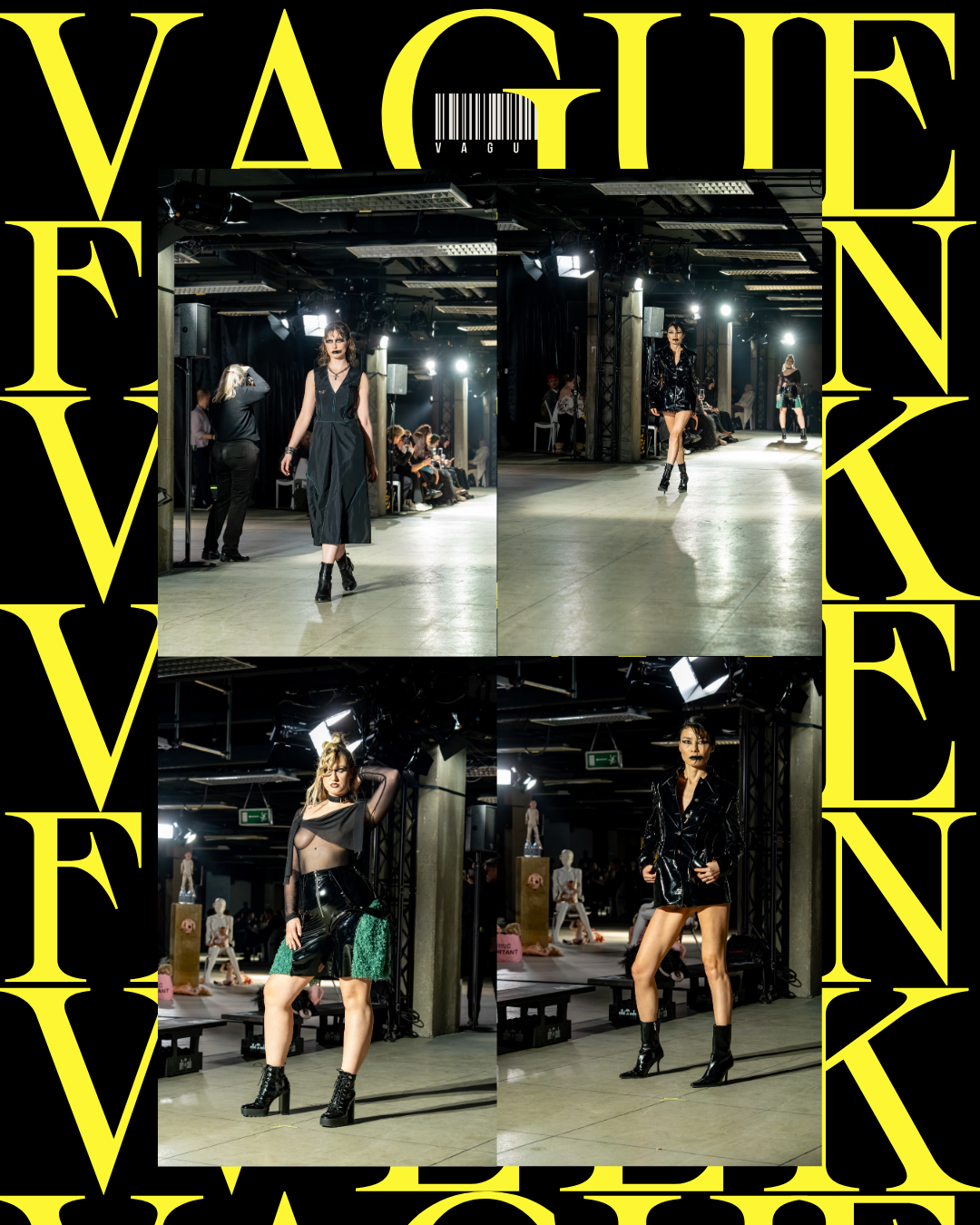
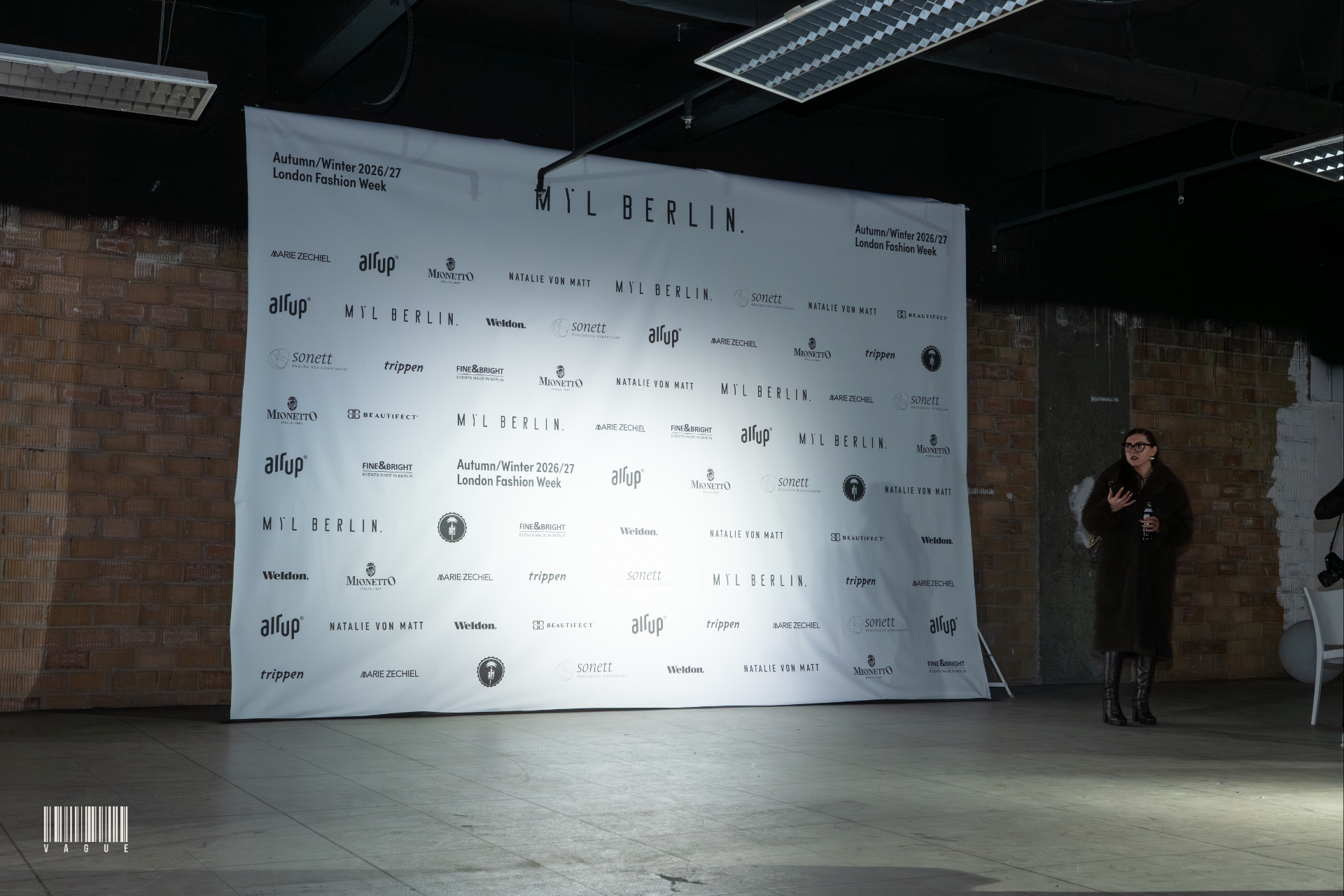
With London Fashion Week doubling down on its mission as a proving ground for emerging talent, MYL Berlin’s on-schedule feature offered a creative case study in reversing the city’s brain drain to Paris and Milan. Titled BROKEN ENOUGH? THE OATH., this virtual import was set to collapse London’s institutional spotlight into Berlin’s underground resilience.
But when faced with the typical choice between minimalist endurance and maximalist theatrics, their latest collection instead, foregrounded a casting and creative ecosystem that made diversity feel integral, not just to its brand communications but to every facet of the brand’s DNA. While some (many, so many) labels use inclusivity as an aesthetic gesture at best or a tick box exercise at worst, MYL understands it as the foundation. So what does it mean to transport a brand built on community into one of the industry’s most legacy-saturated arenas?
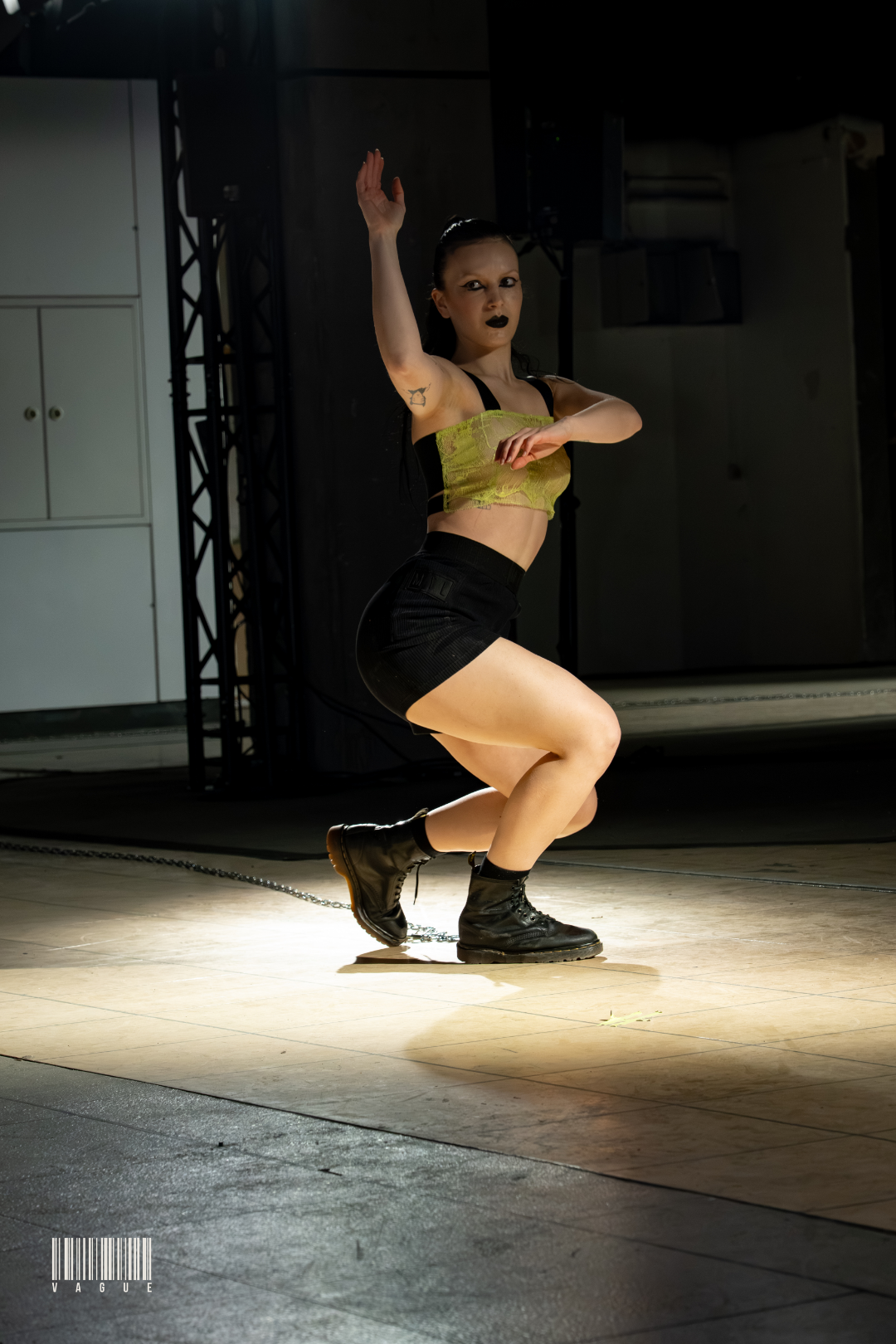
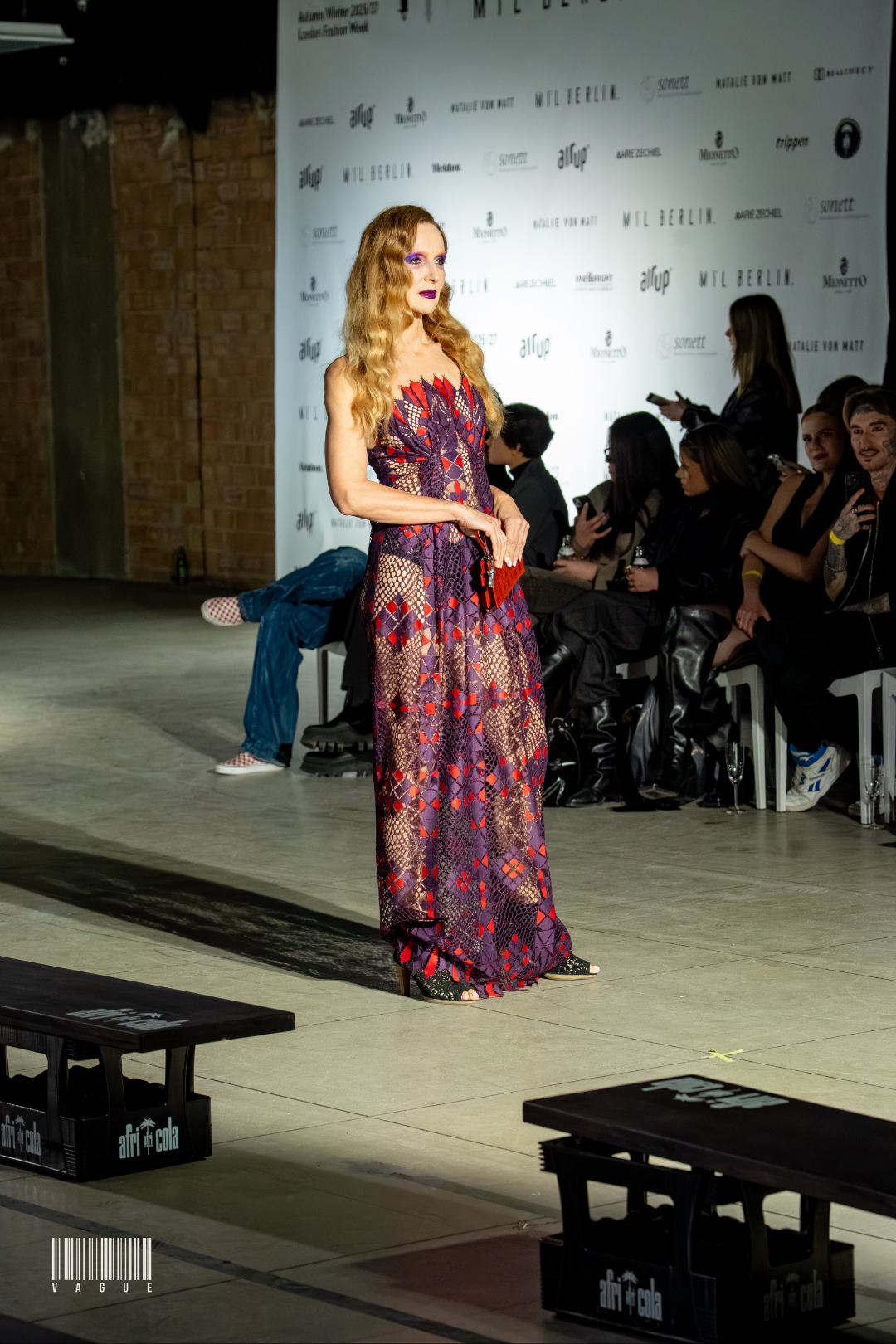
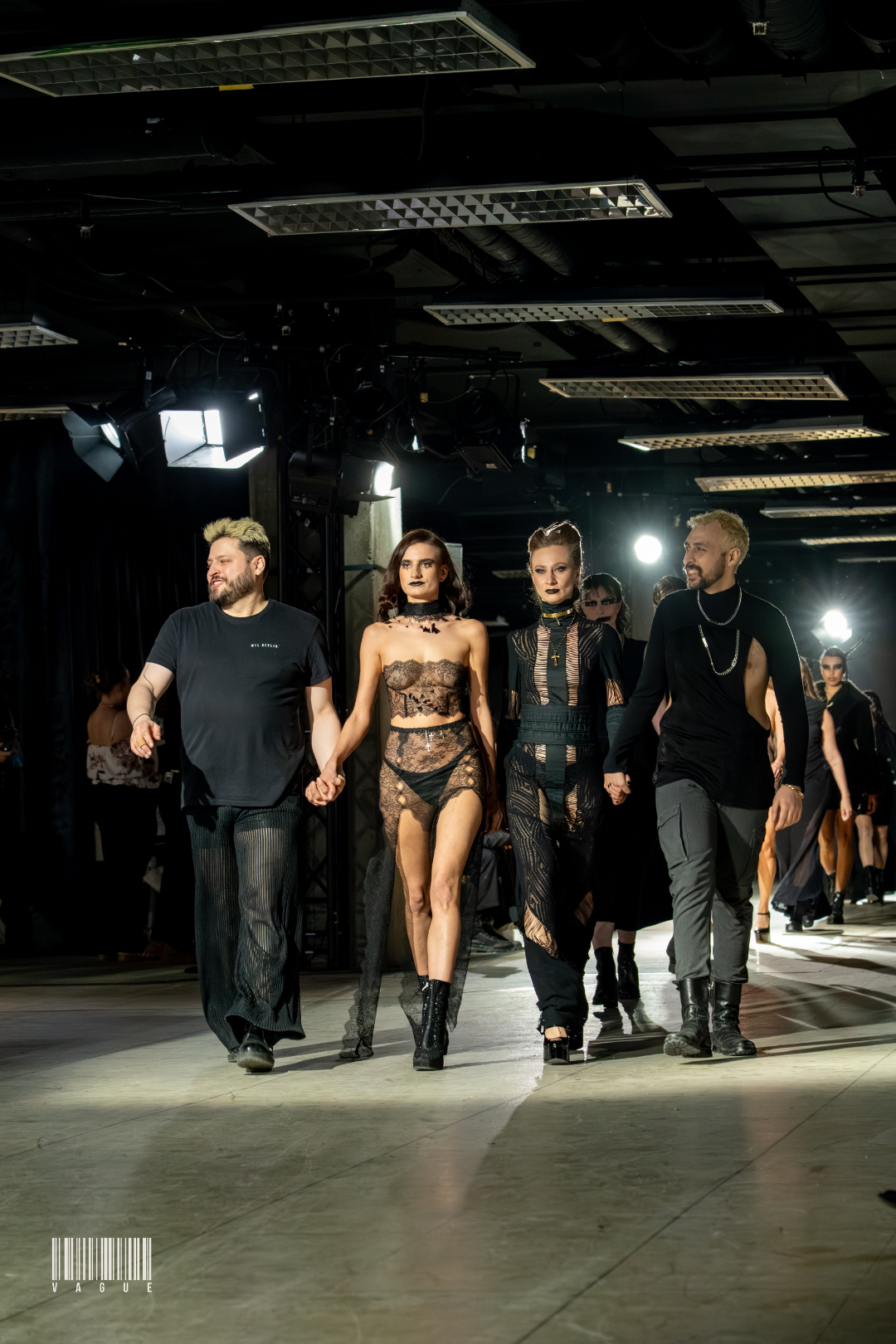
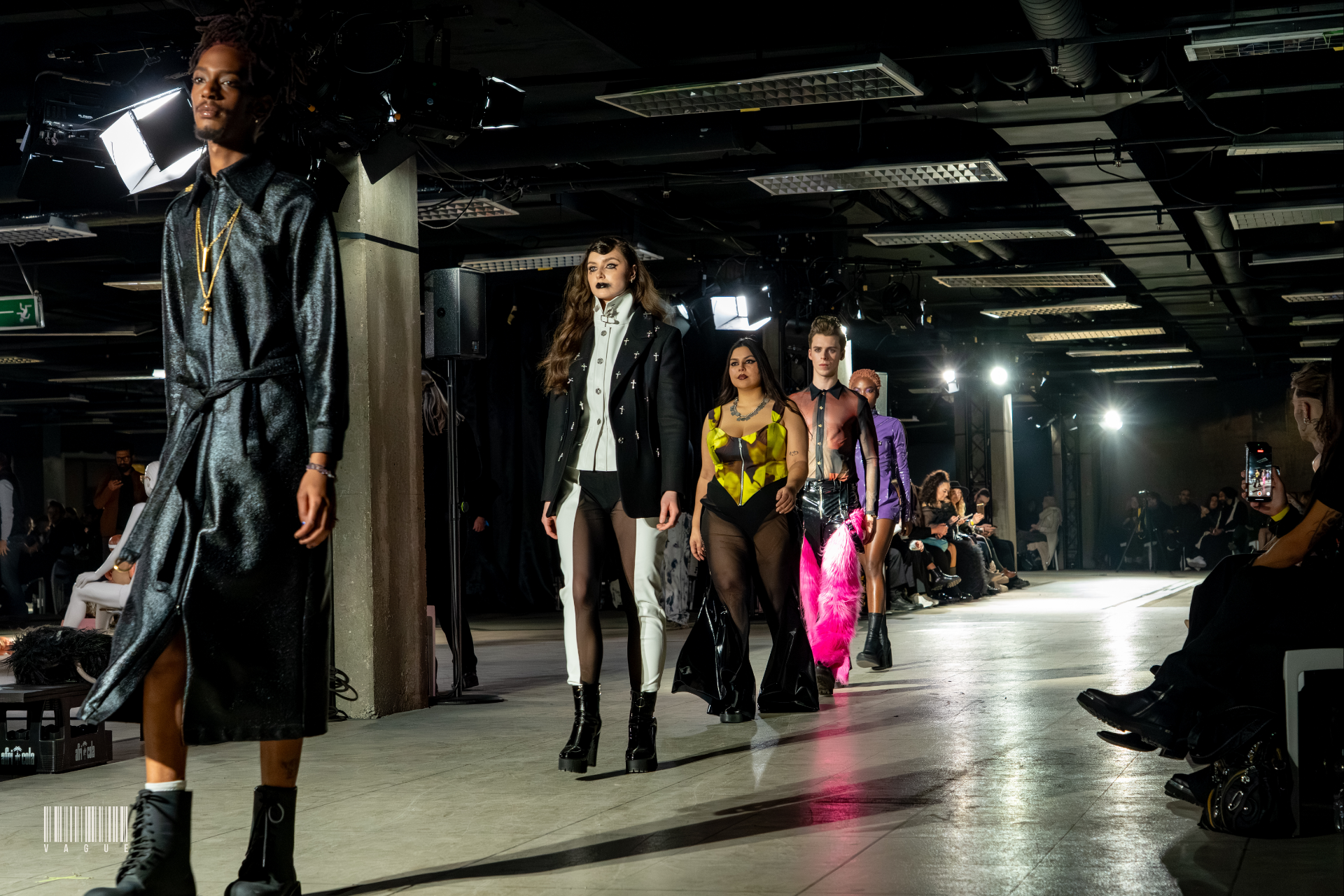
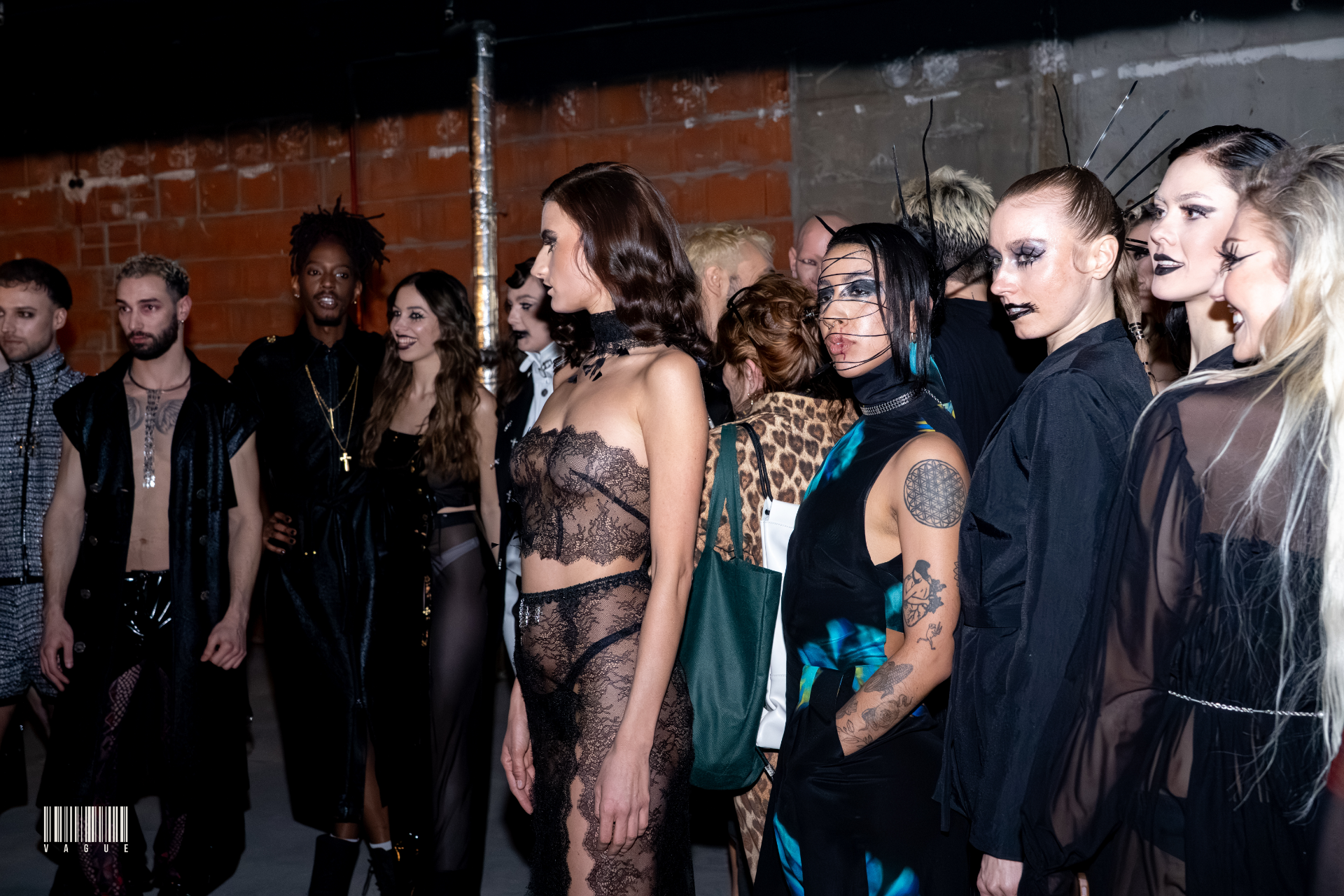
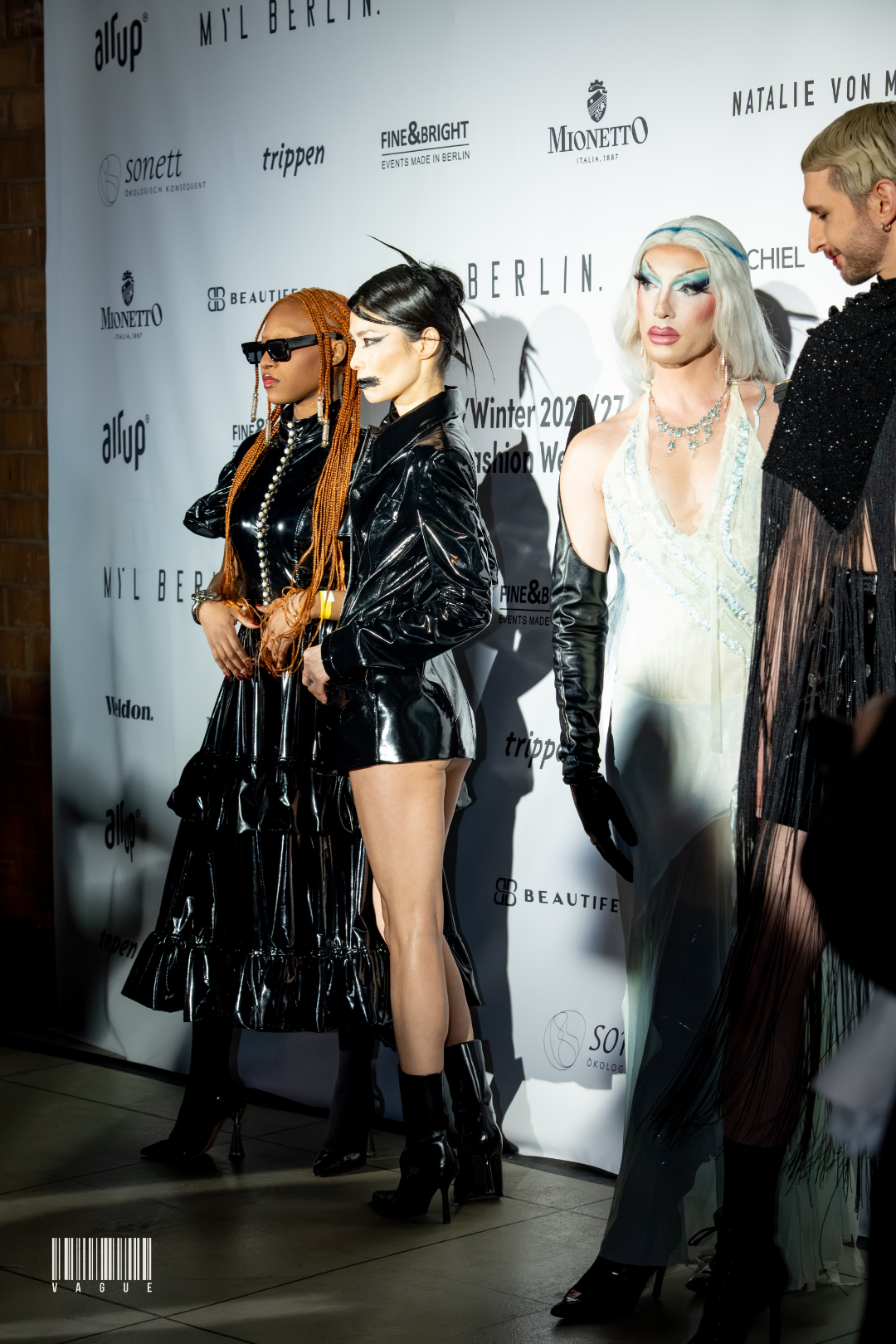
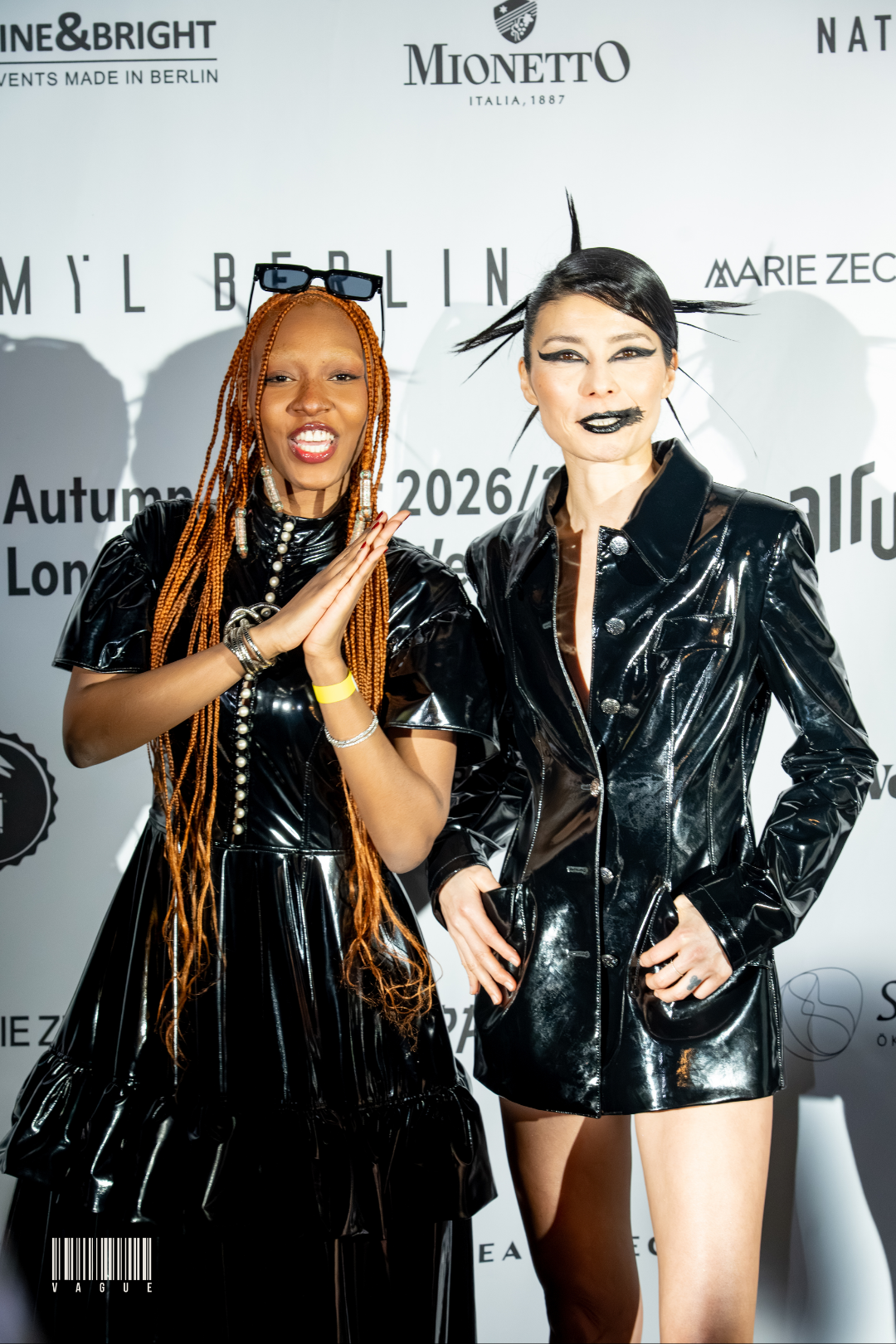
Founded in Berlin and shaped by the city’s layered diasporas, MYL has consistently framed itself as a community platform rather than a designer monologue. This positioning perfectly reflects the city’s own fashion identity as a counterpoint to Parisian polish and Milanese solemnity, prioritizing subculture, collectivity and political awareness over luxury gloss and house legacies. Looking back on our Berlin Fashion Week reporting earlier this month, nowhere was this more obvious than at MYL’s AW26 presentation. Ignoring the typical hierarchical display, the show felt more like a gathering, with models and staff drawing from varied racial, gender and size backgrounds — all individuals with lived texture — coming together to produce a landmark event for the brand they felt equally entrenched in.
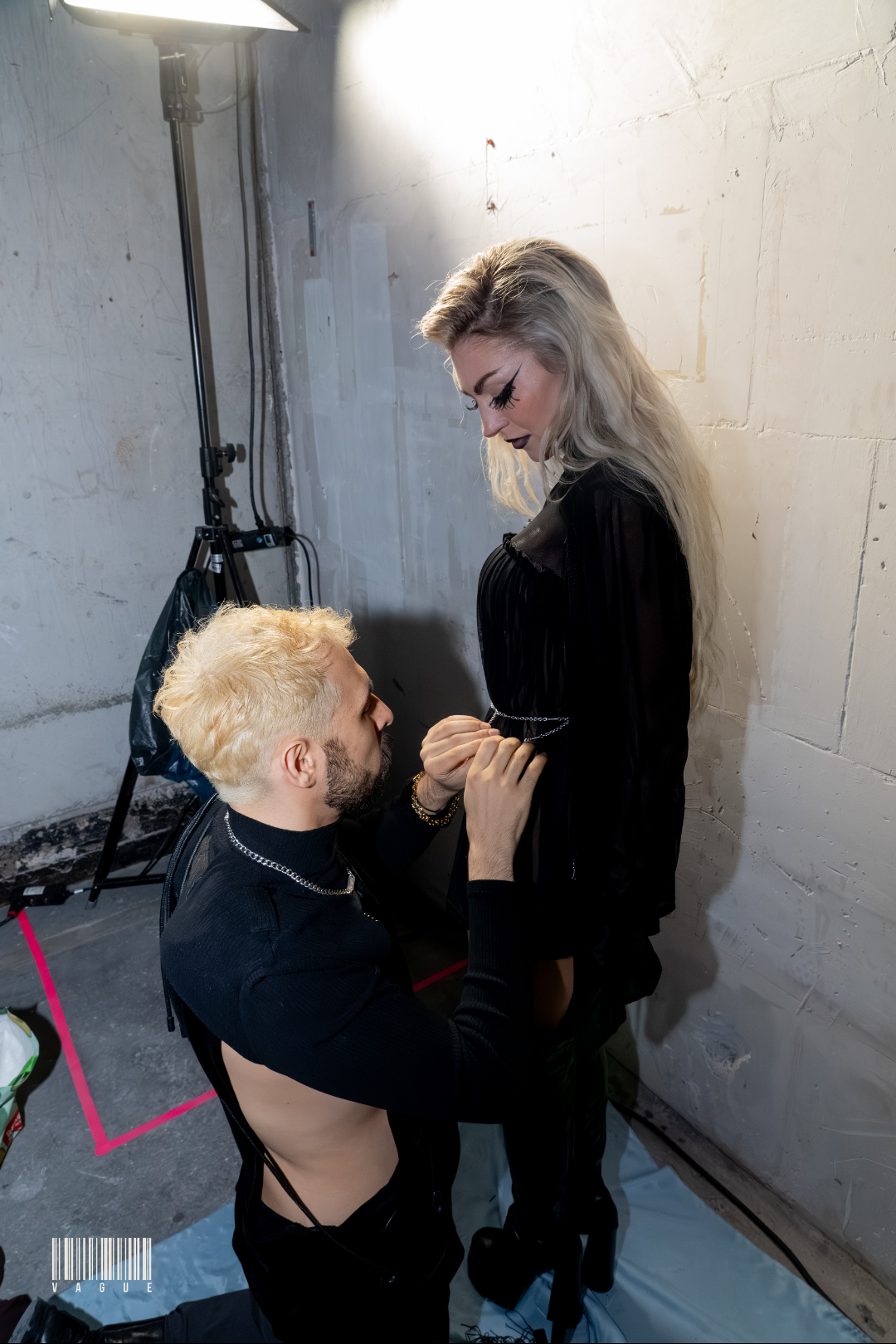
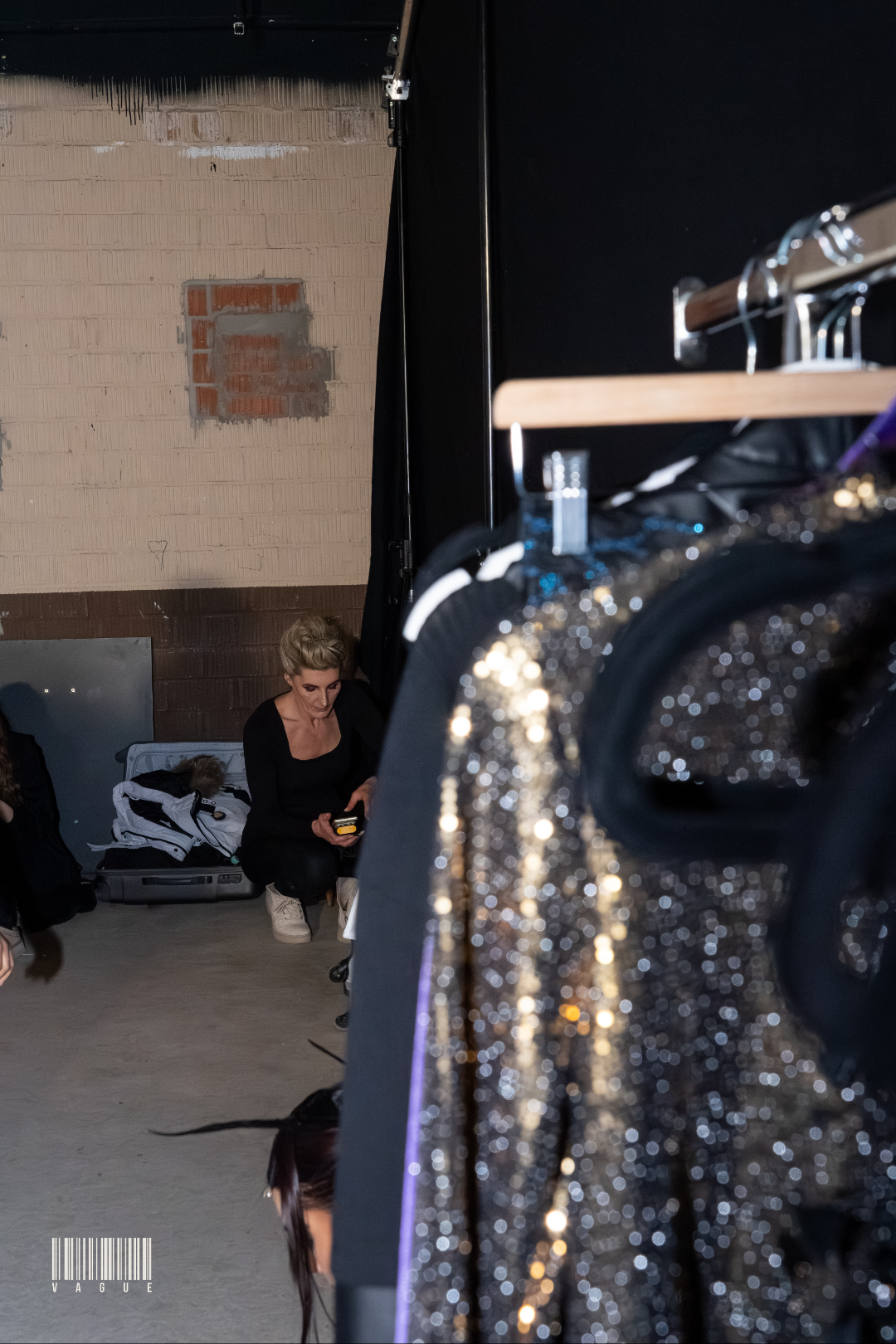
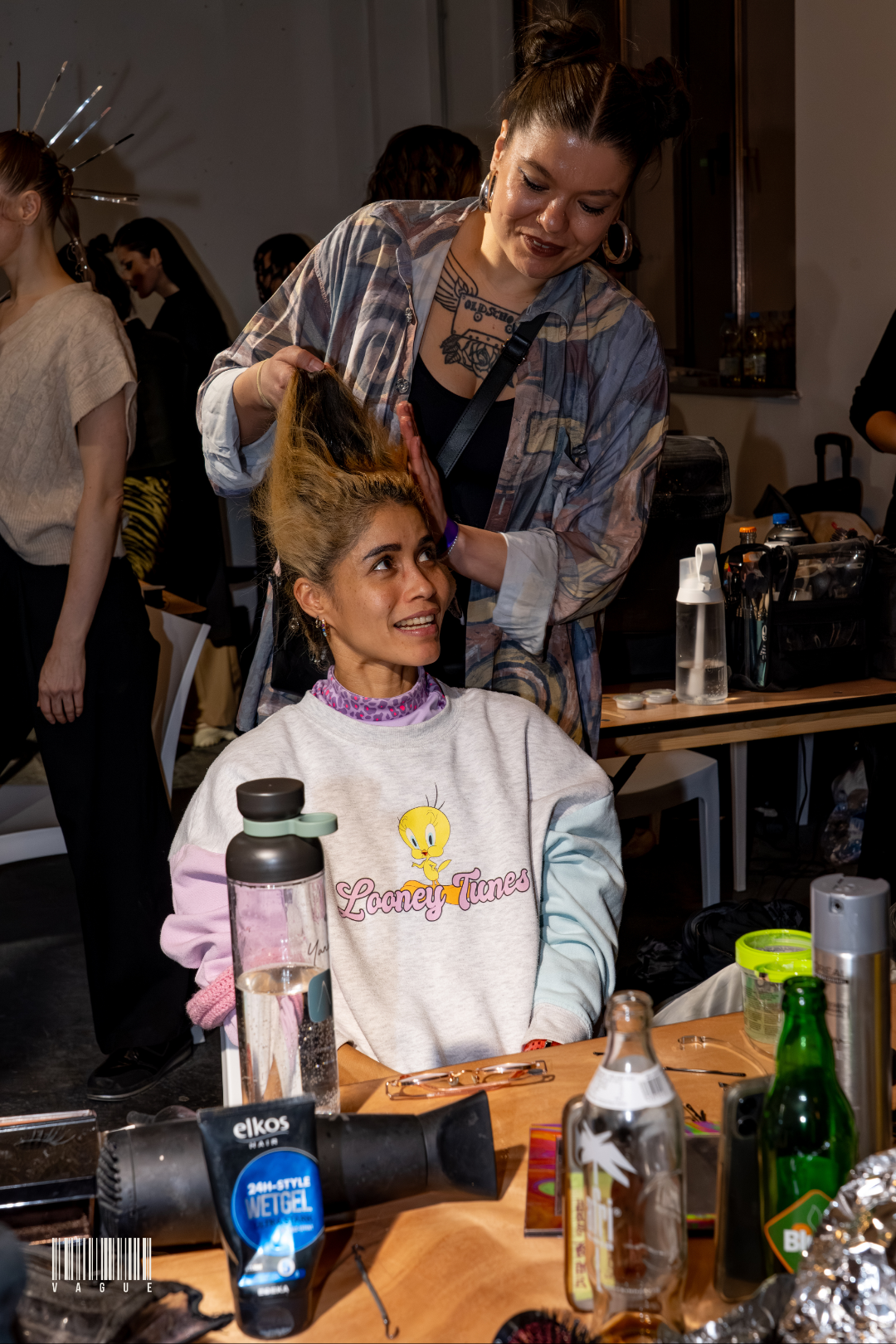
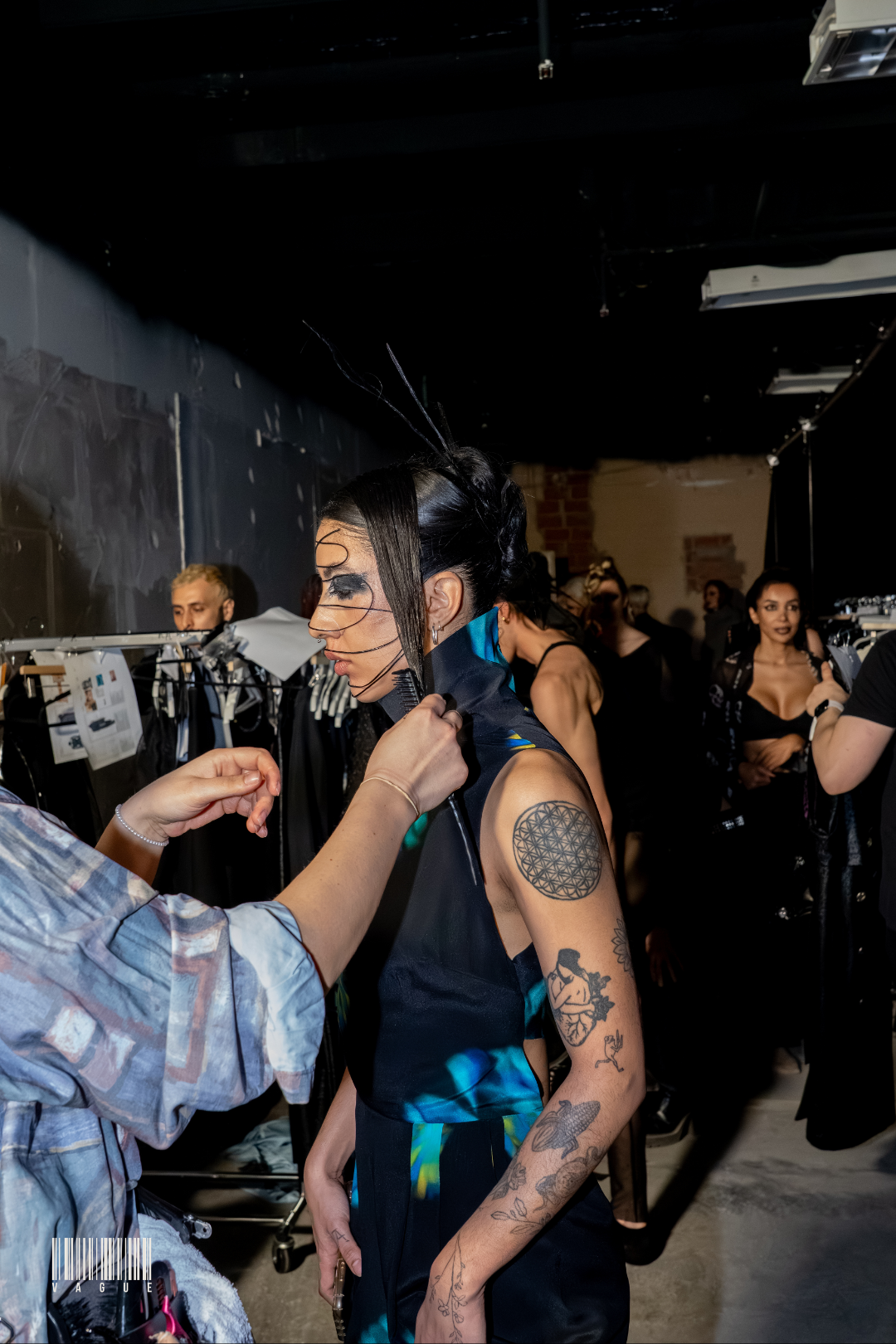
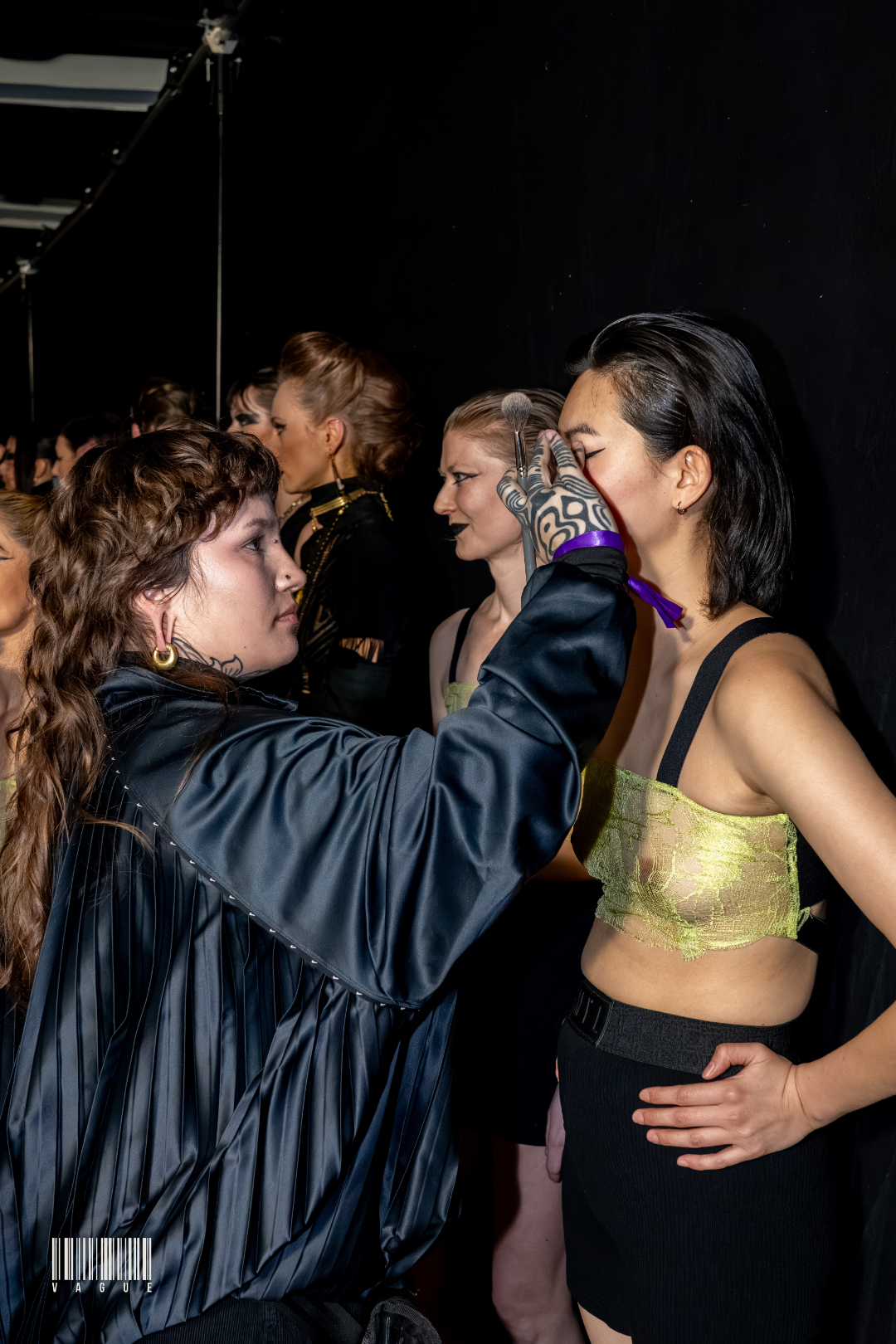
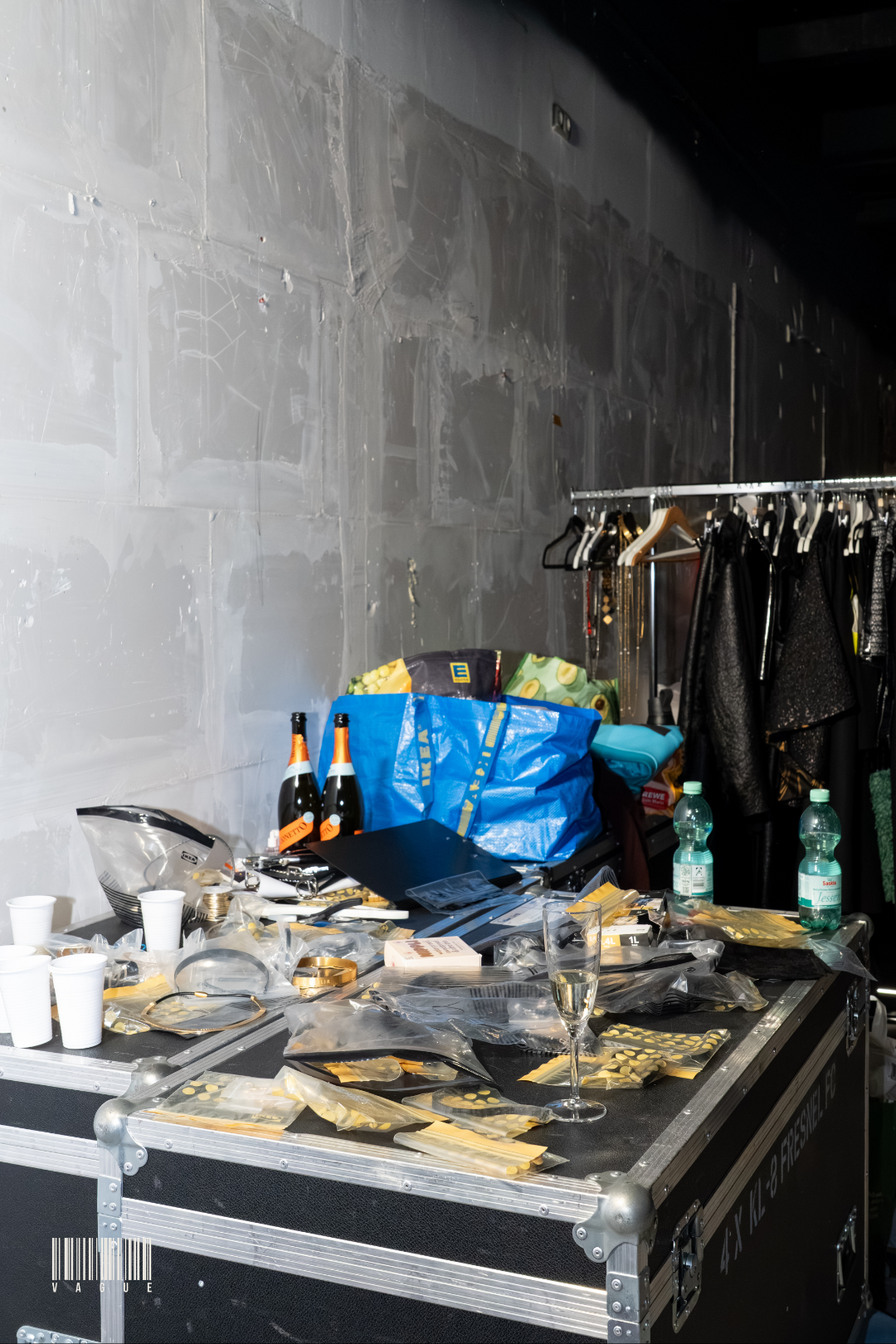
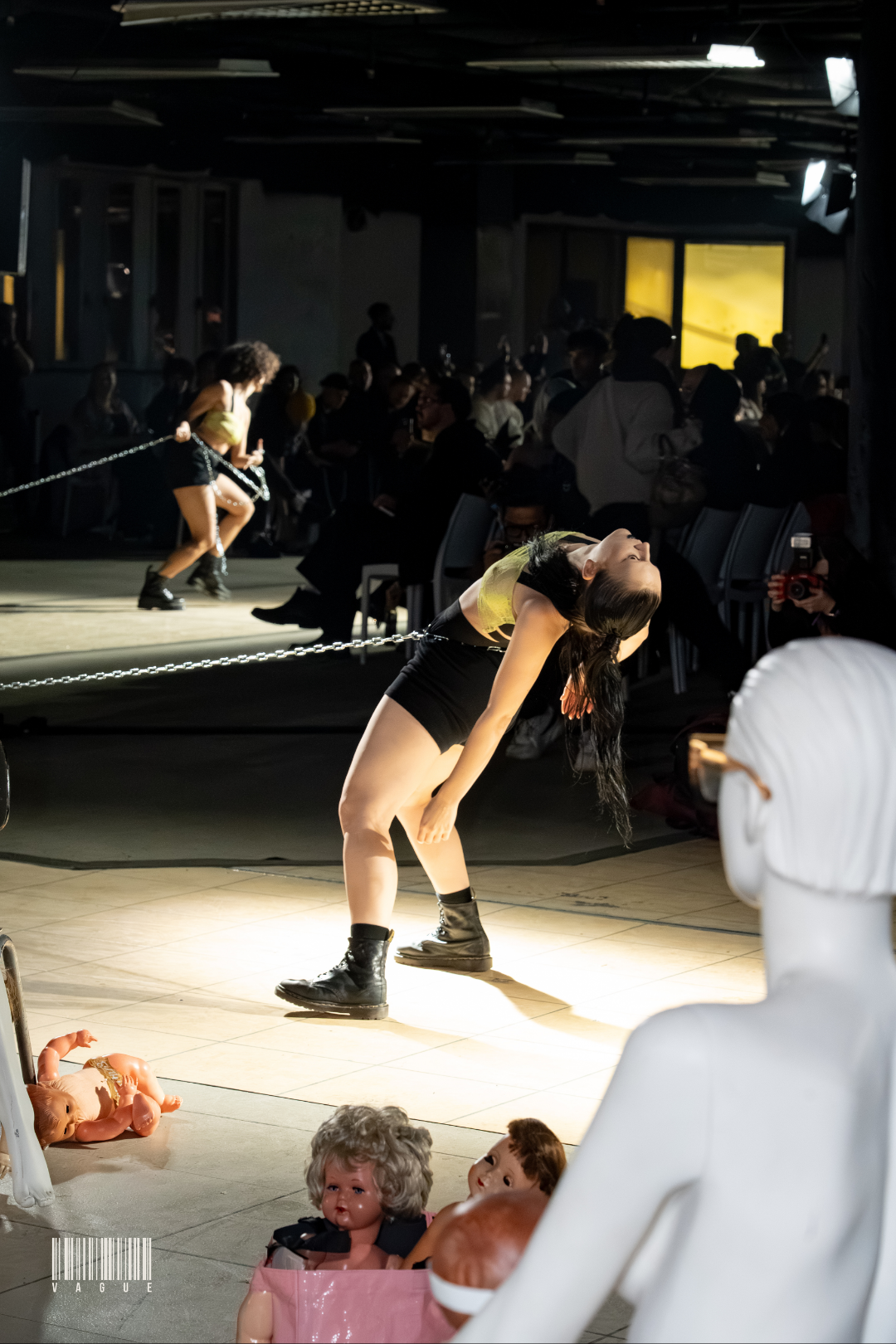
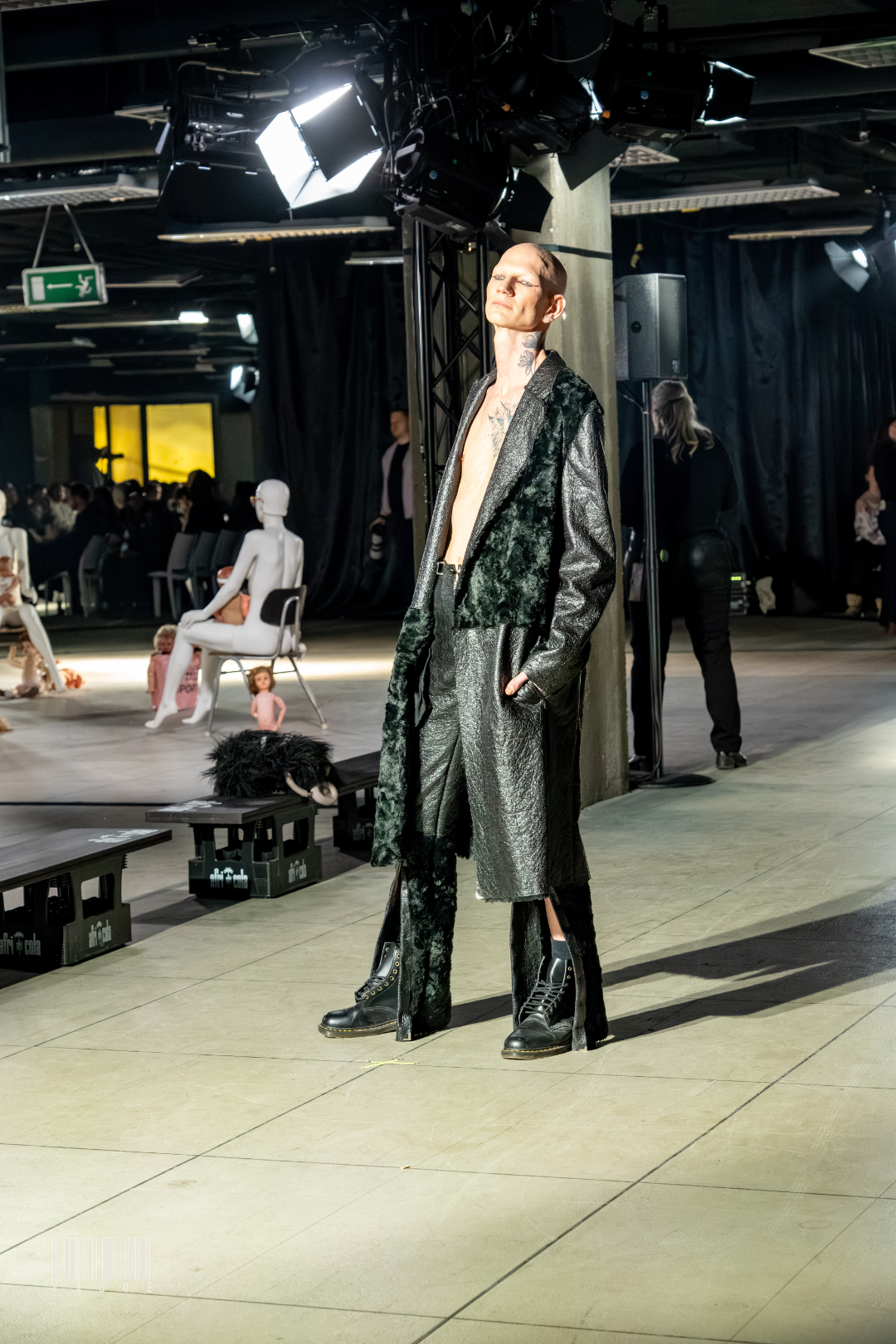
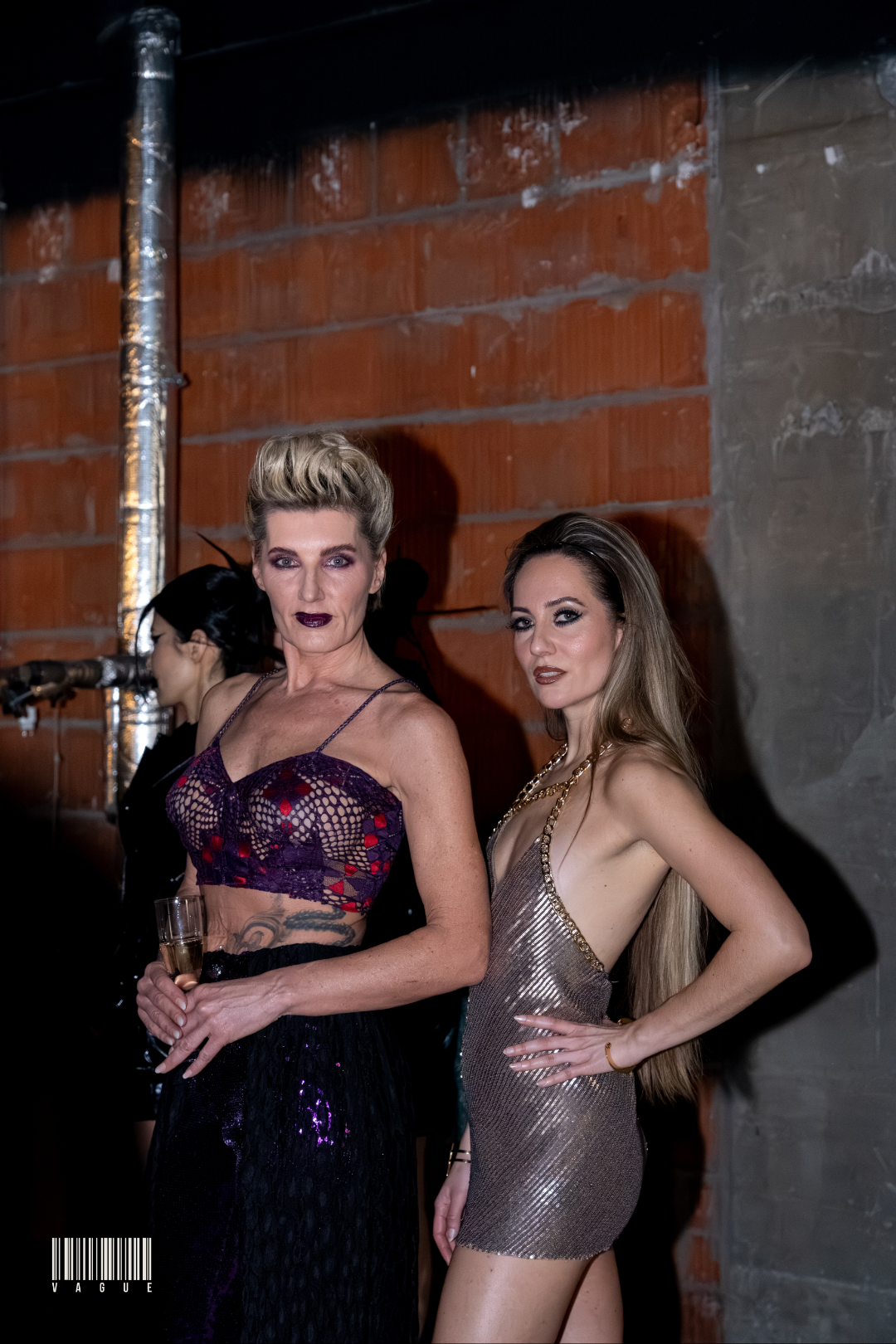
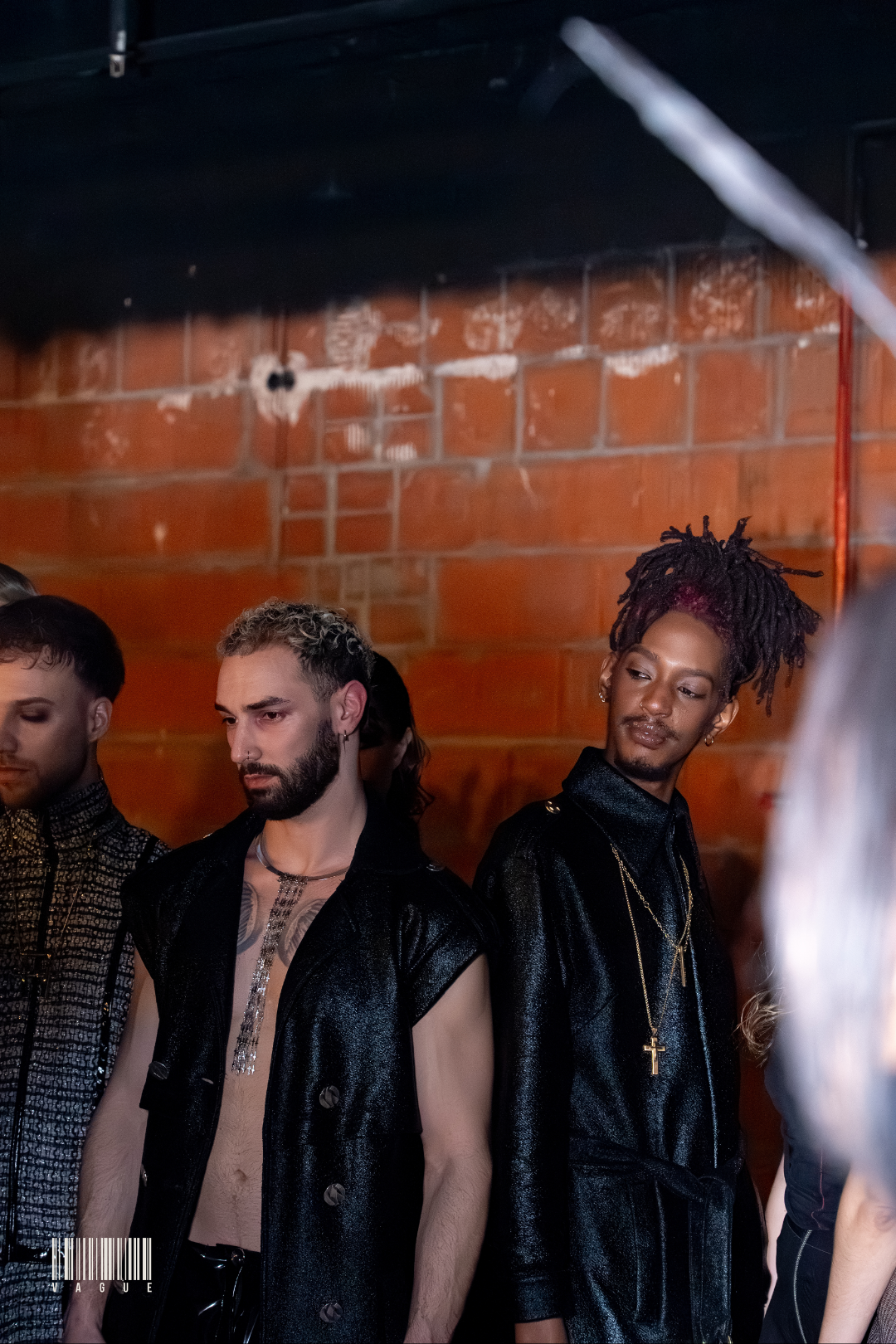
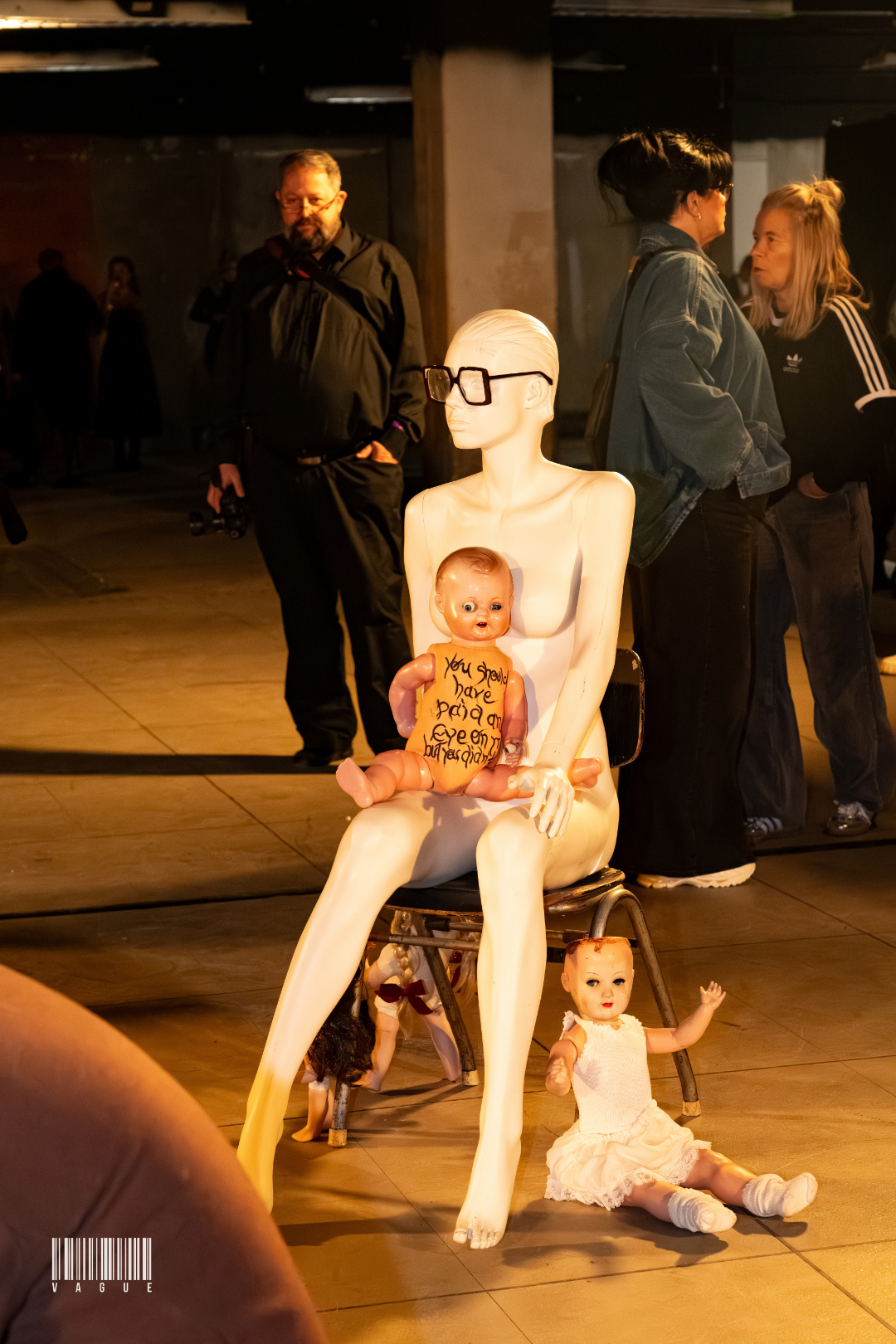
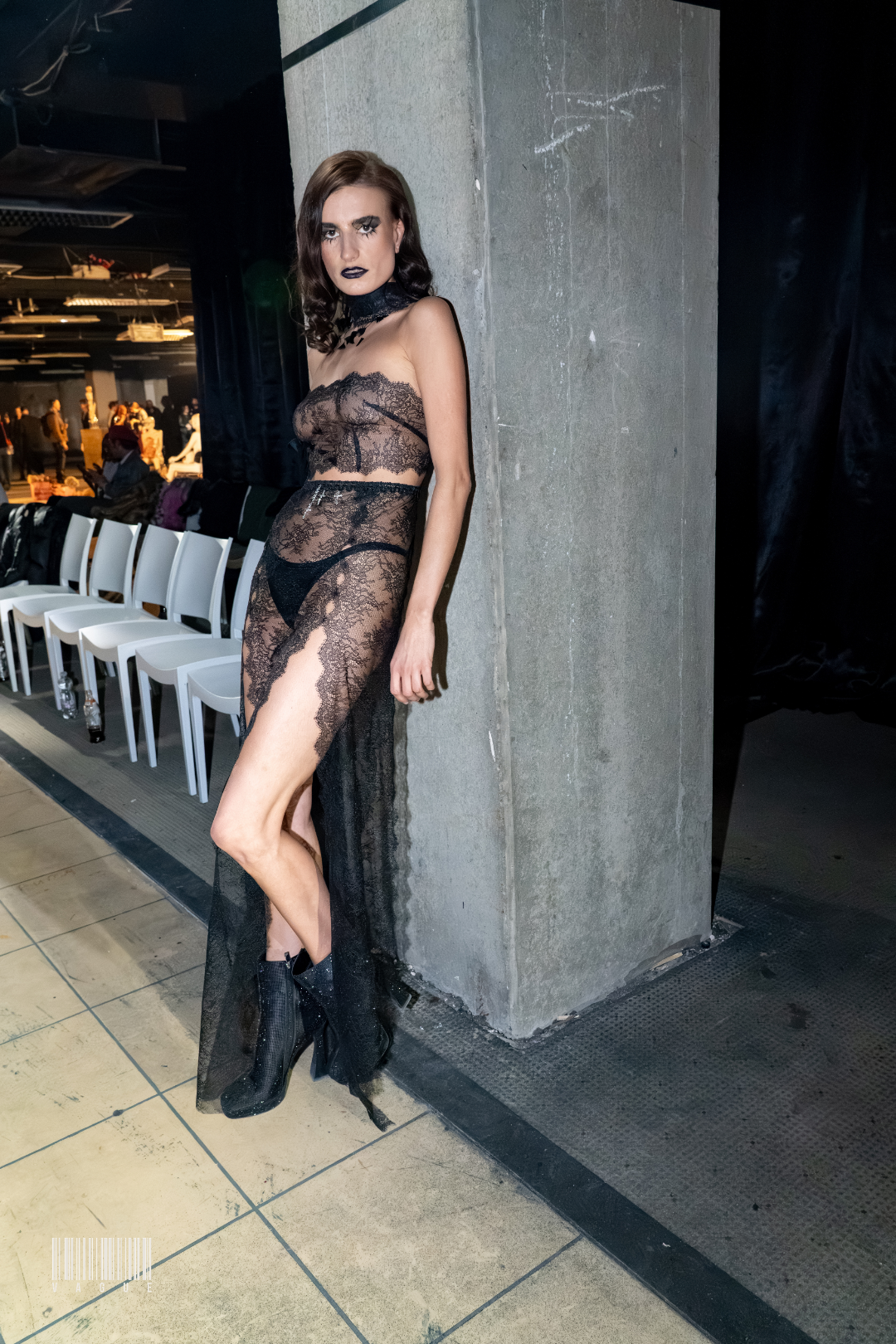
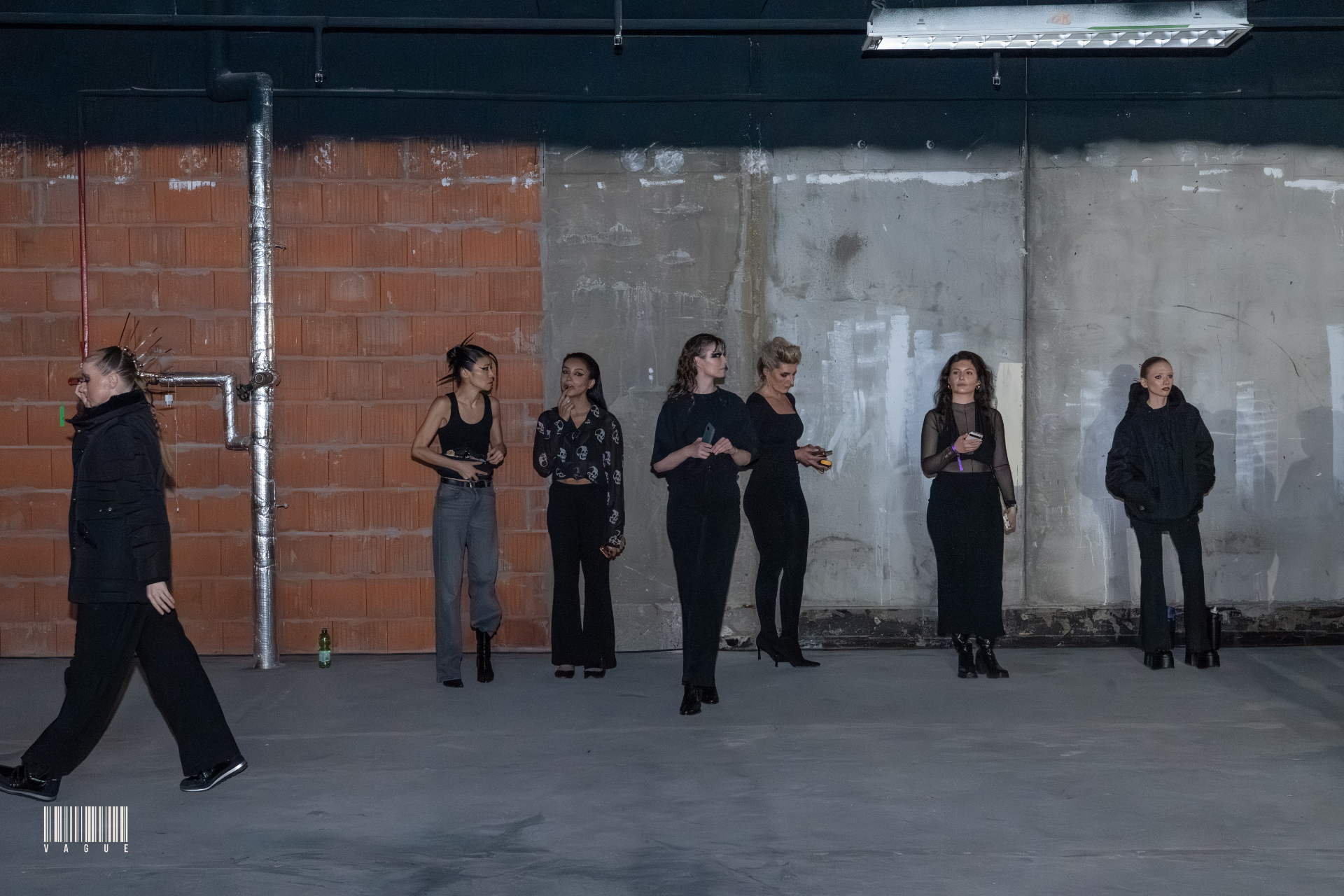
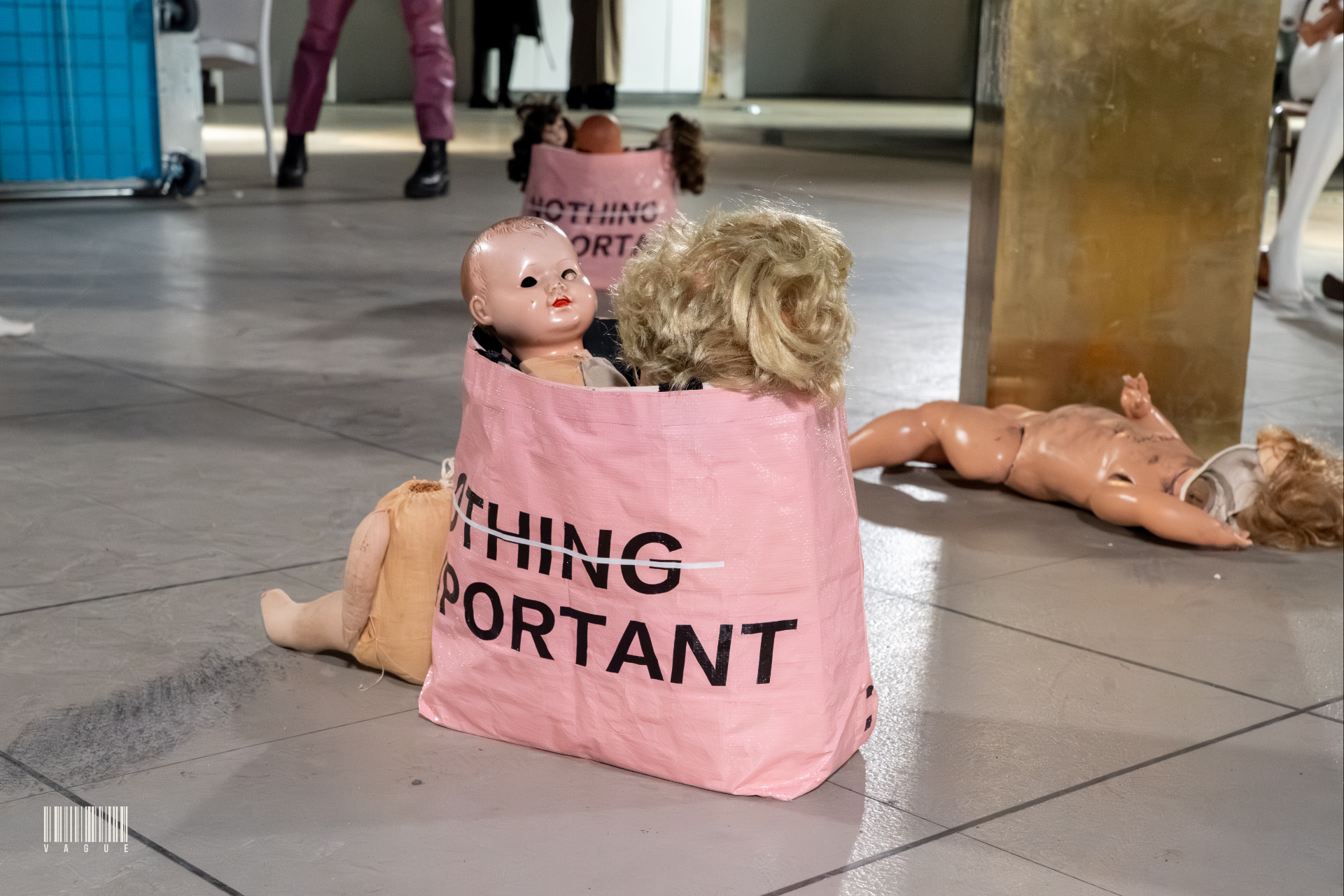
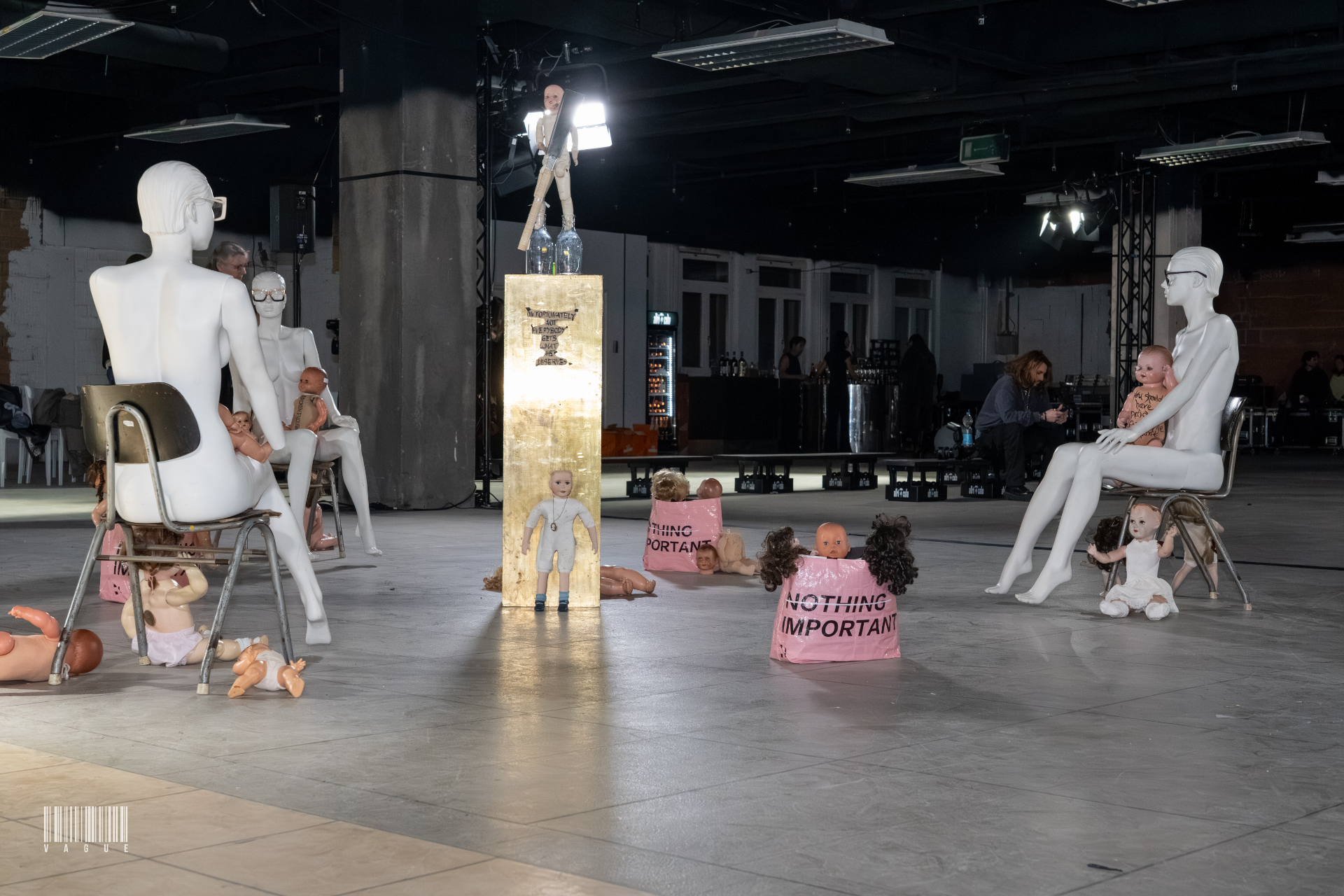
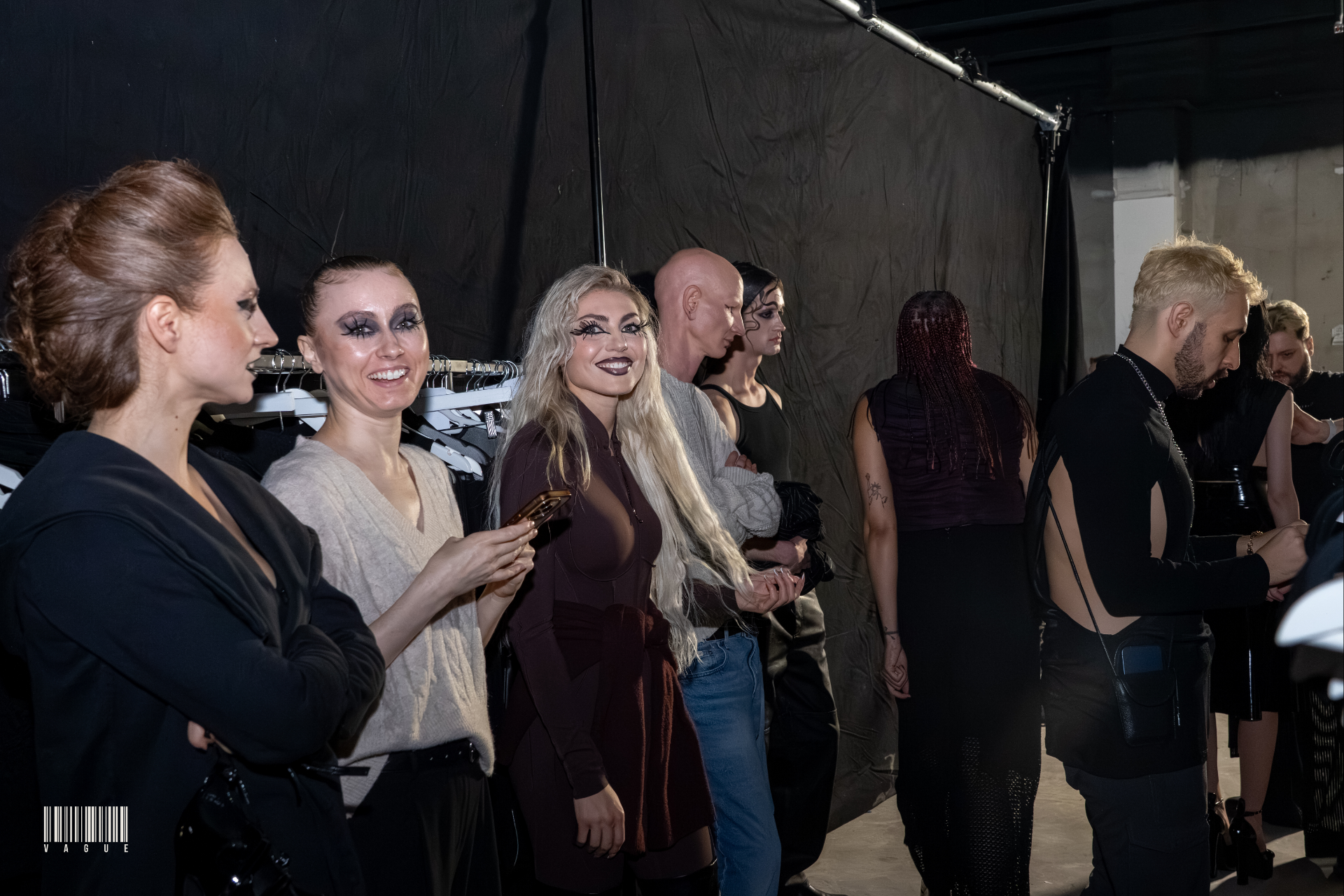
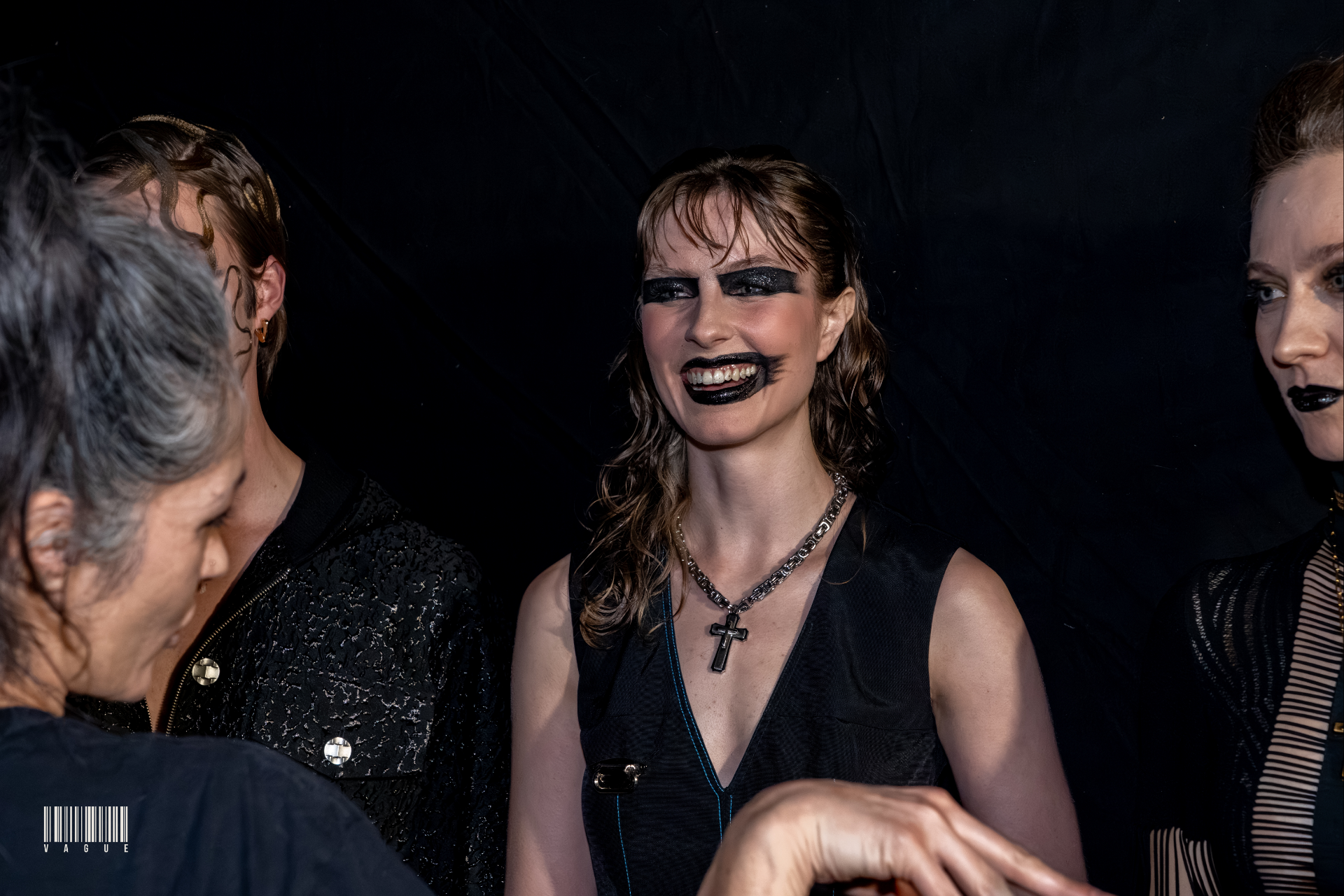
VAGUE was lucky enough to be on the ground backstage before the show, where we were met face first with the brand’s commitment to building long-term relationships with its wearers and collaborators, substantiated by casting continuity and visible community presence behind the scenes, with hugs and smiles punctuating meticulous prep and rehearsals. And out front, streaming live from Neukölln’s CANK, Berlin-based creatives, musicians and activists were not simply seated in the front row to observe. They were embedded in the show’s visual grammar, with contemporary artist Natalie von Matt’s series, Broken Childhood installed within the show environment, interrogating how early rejection and silence shape adult architecture. Extending the collection’s metaphor of rebuilding from garment to psyche, the assemblage of mannequins, baby dolls and calligraphy pieces anchored the space. This is the kind of mutual street-level visibility that cultivates genuine loyalty over fickle hype, a distinction Berlin’s creative community understands extremely well. Bringing this energy to London’s clear hierarchies with open doors felt like a breath of fresh air.
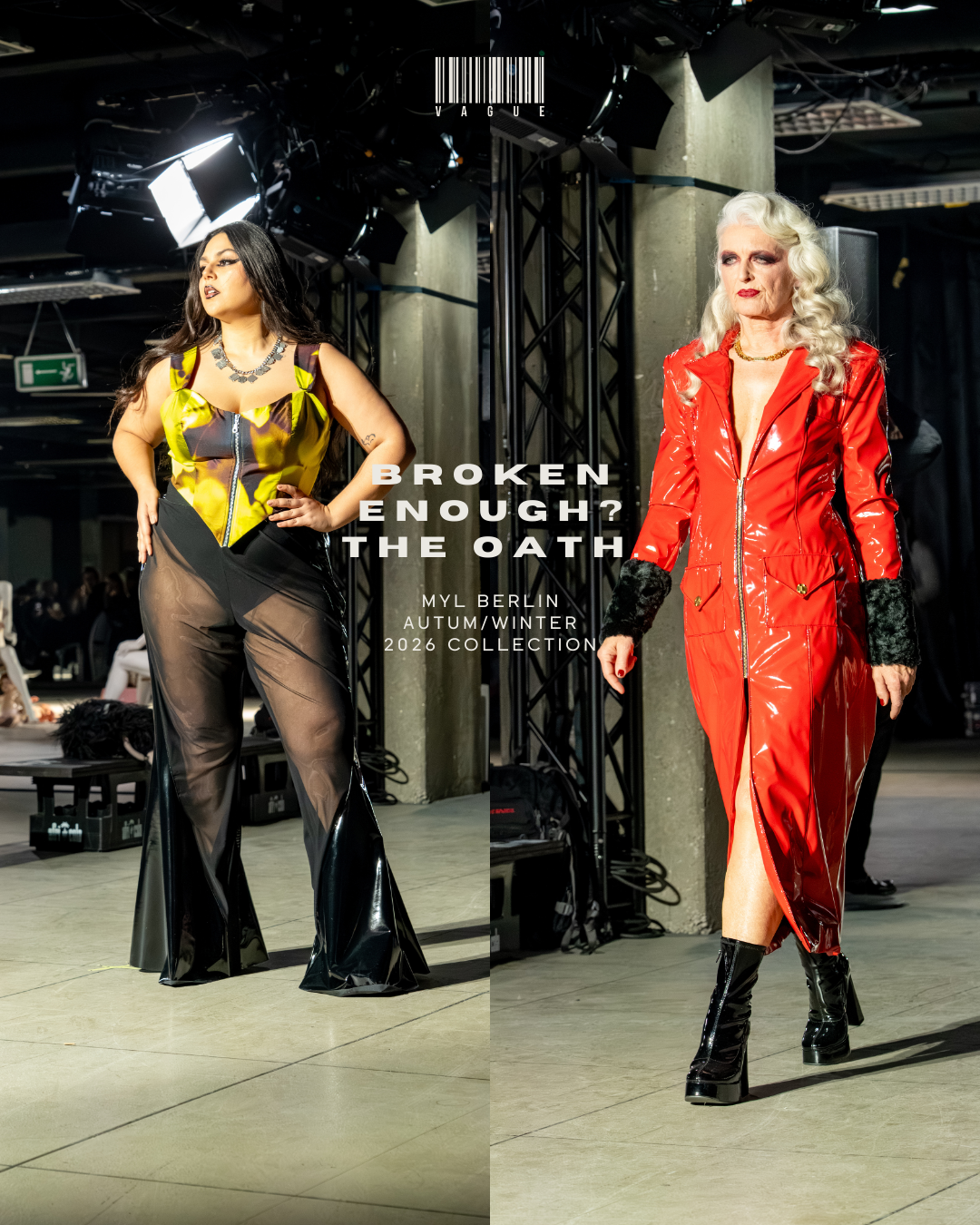
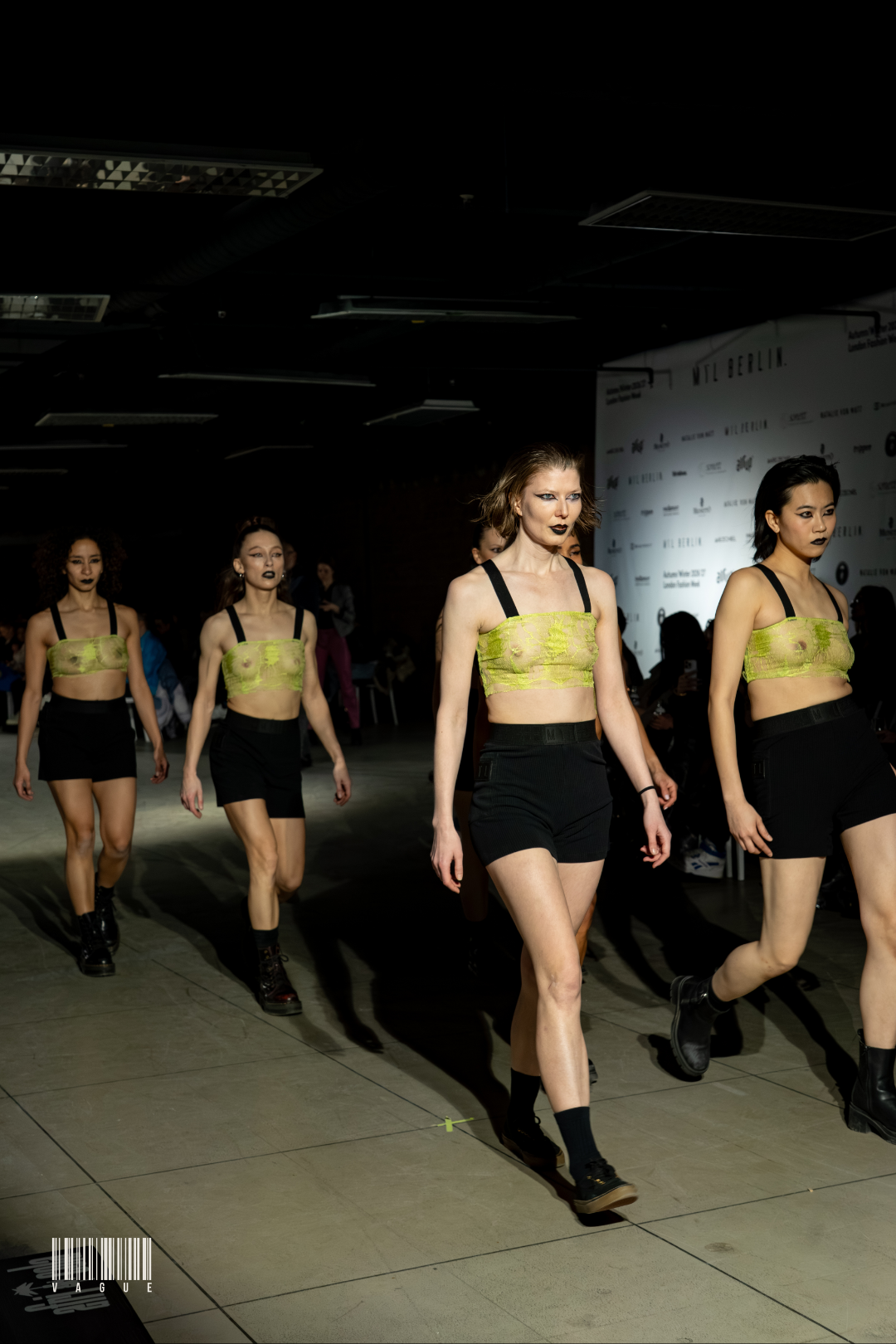
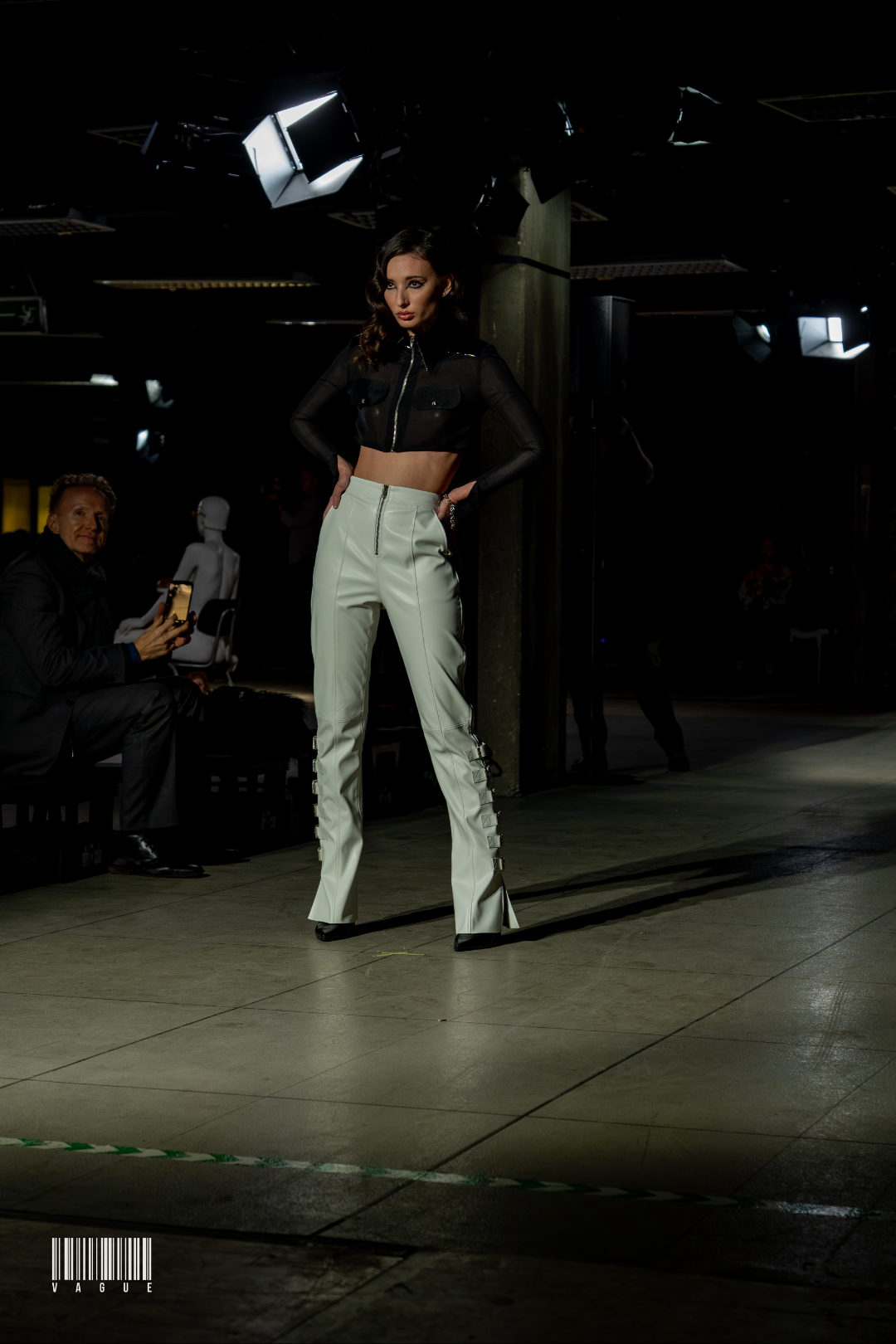
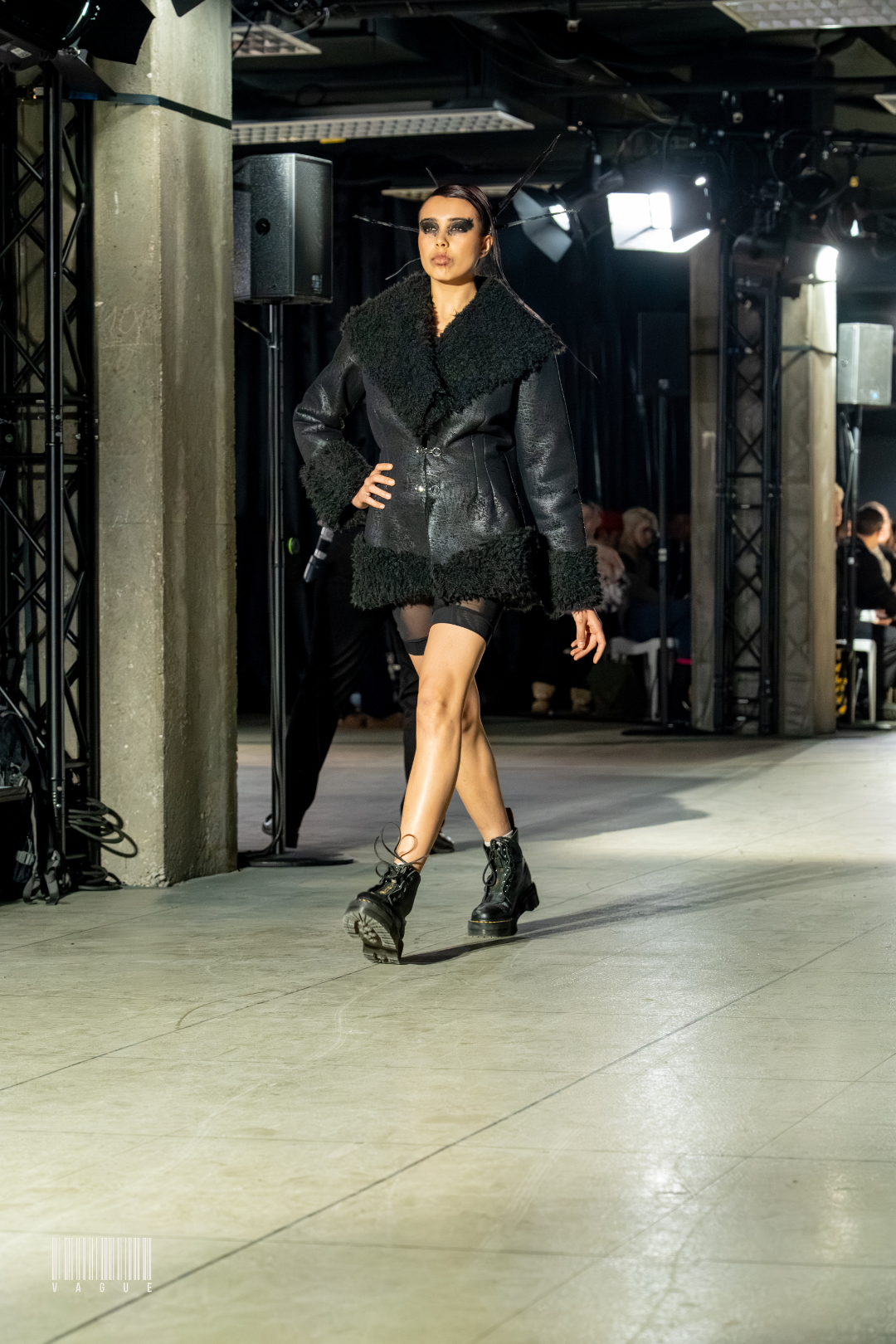
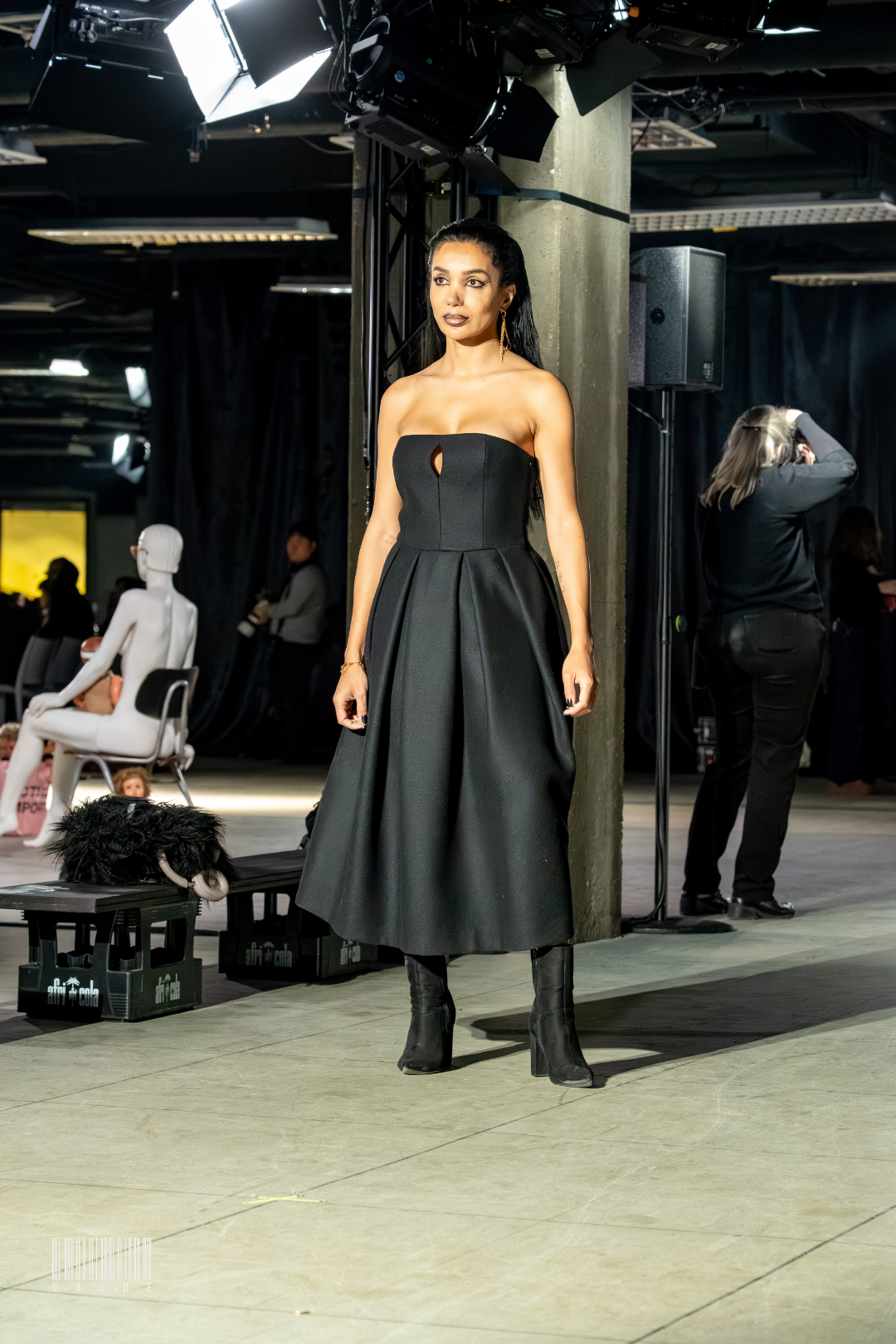
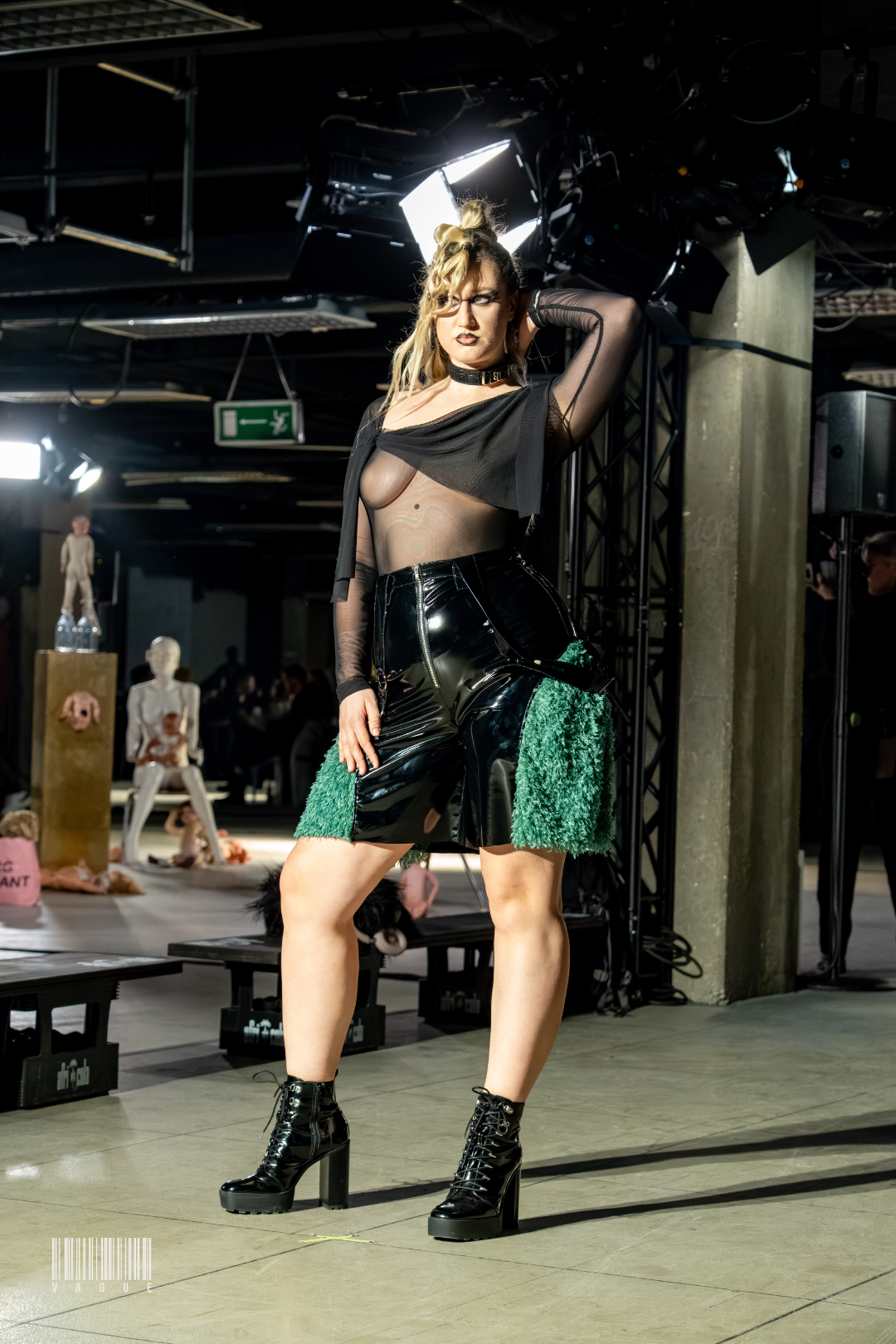
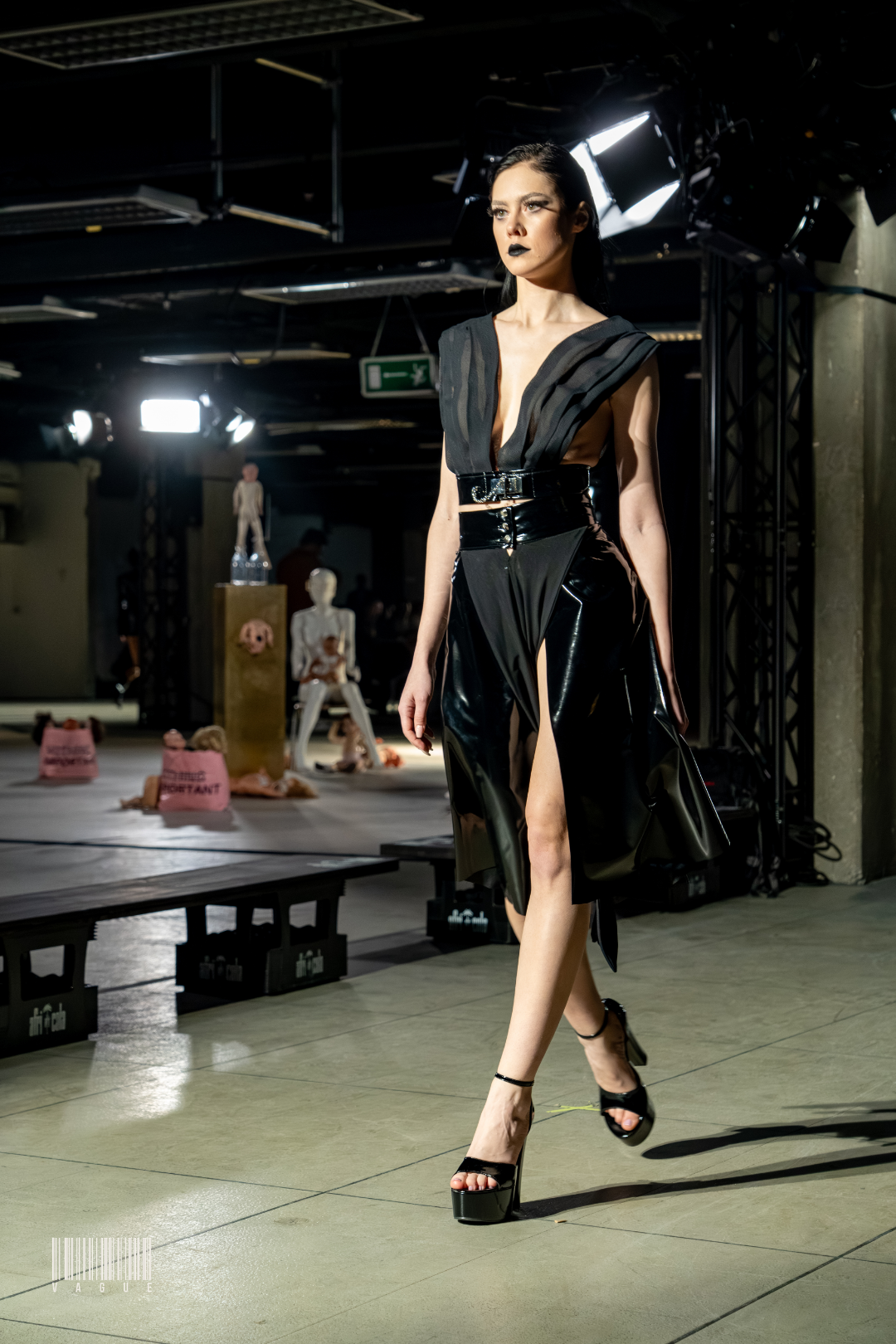
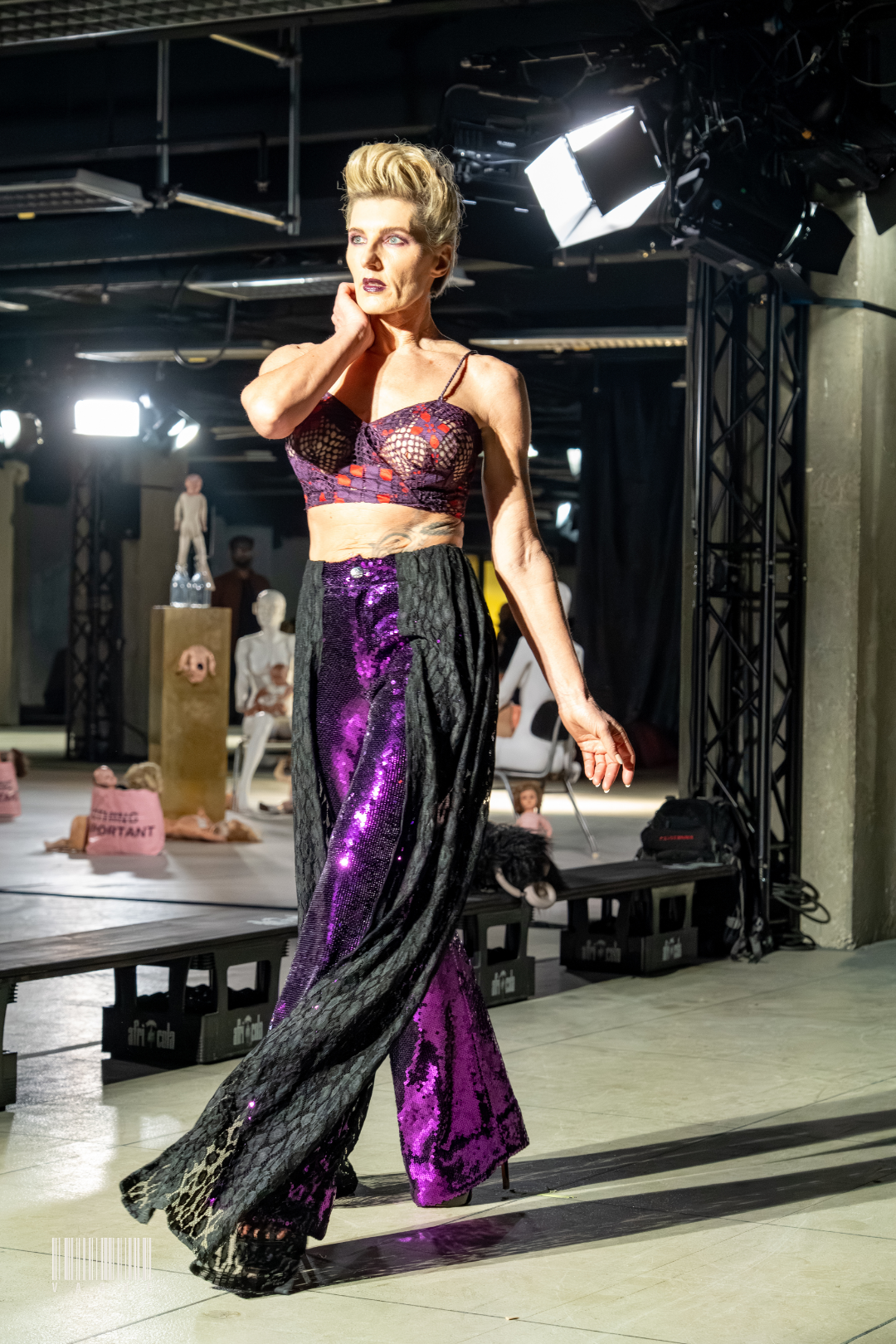
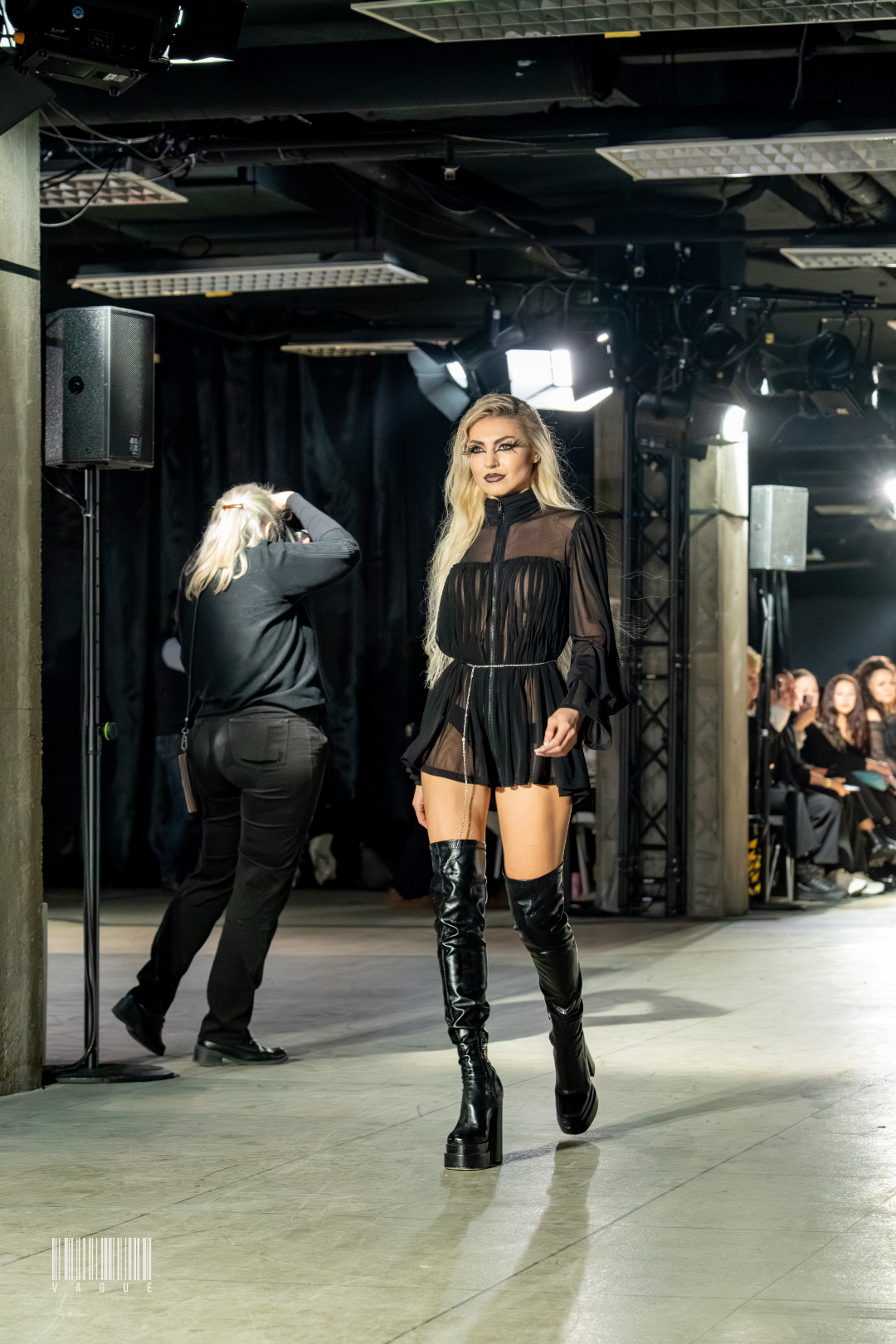
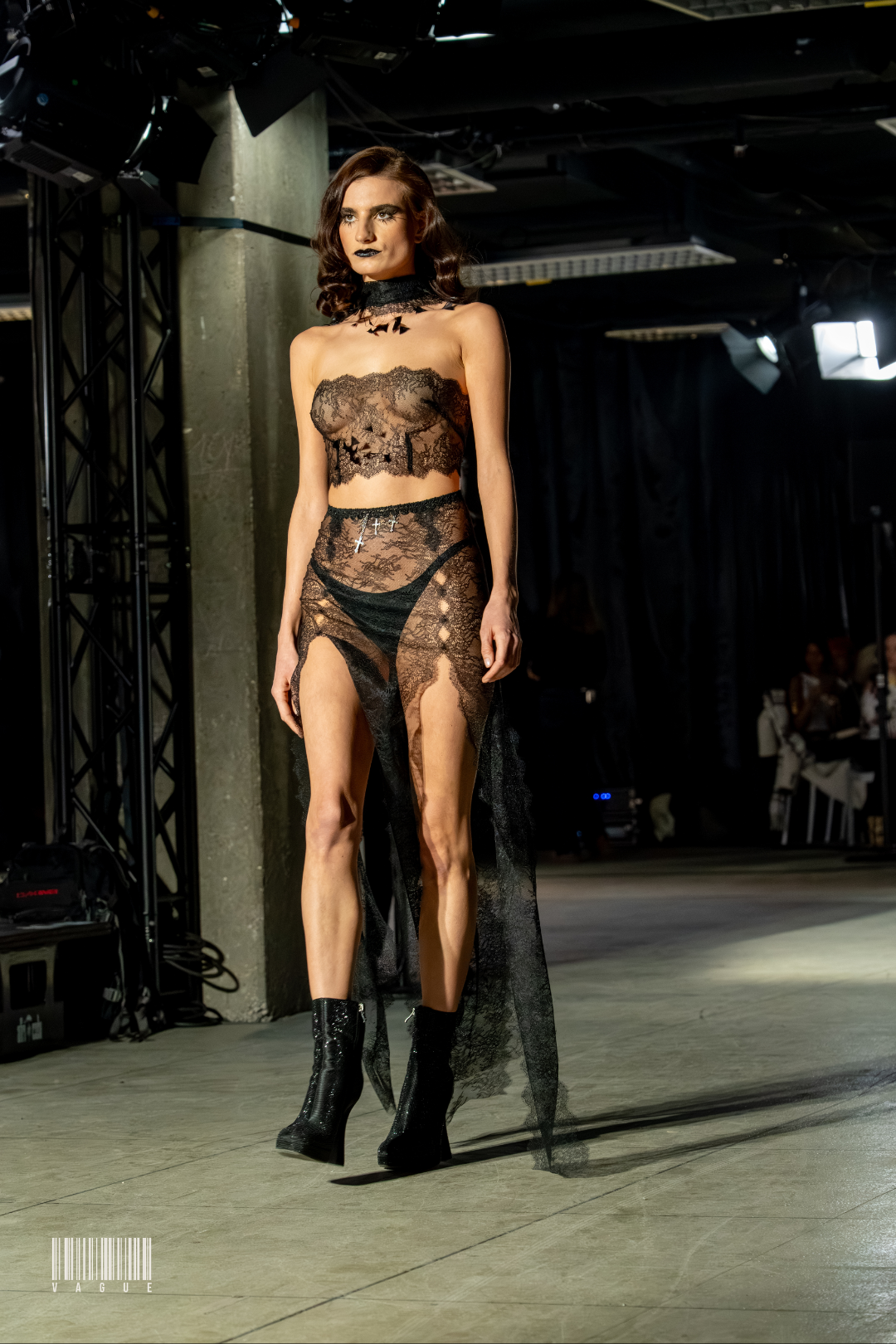
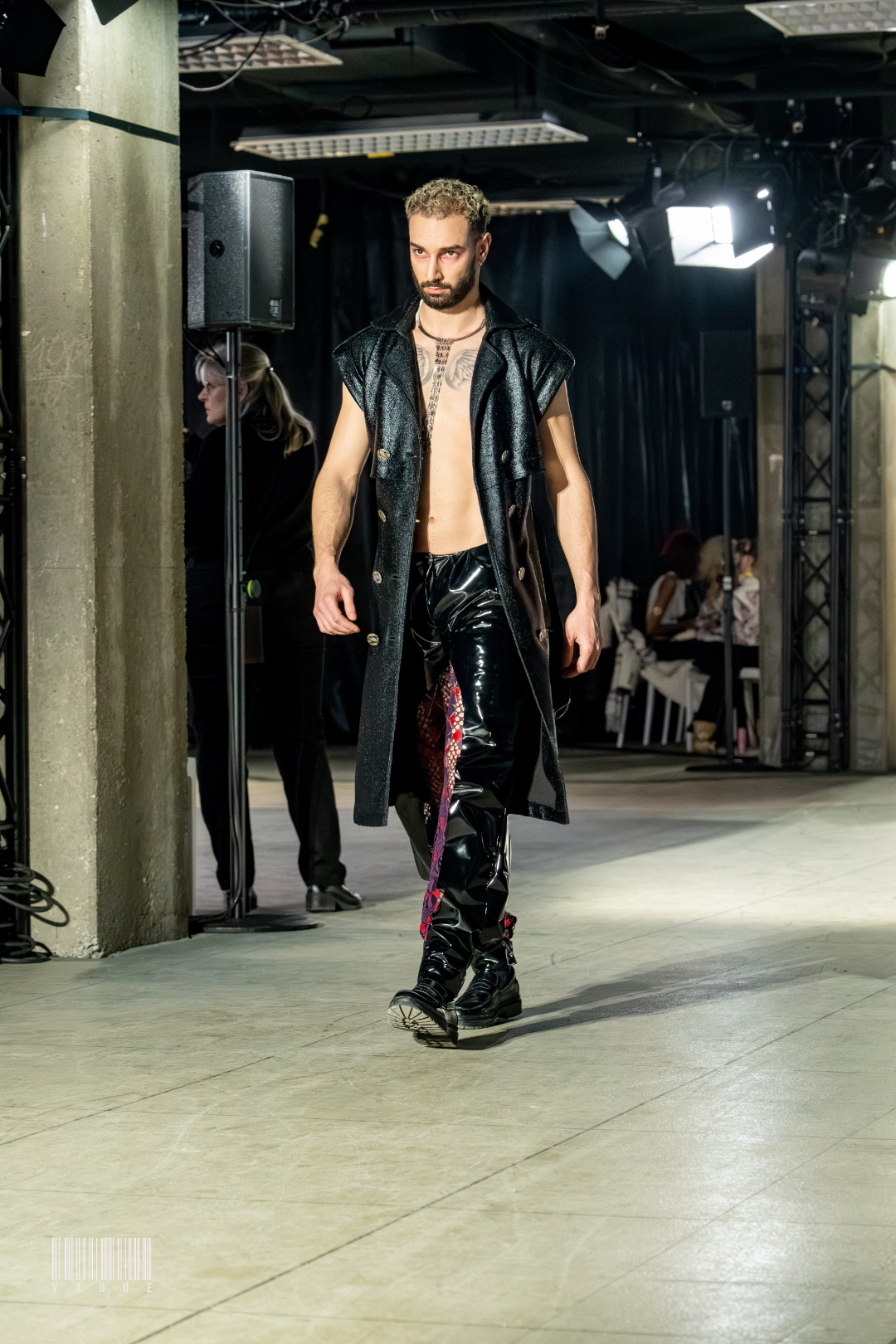
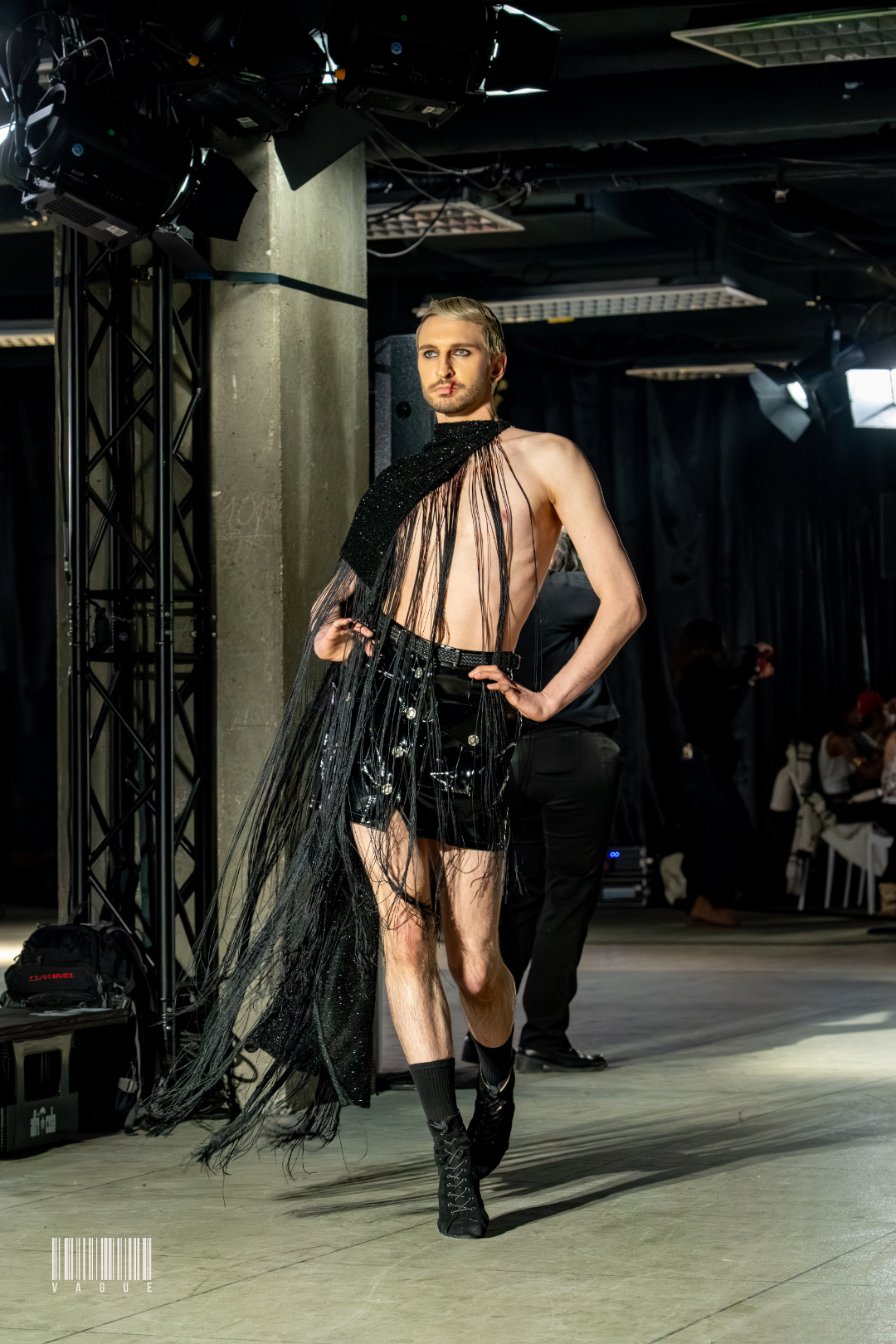
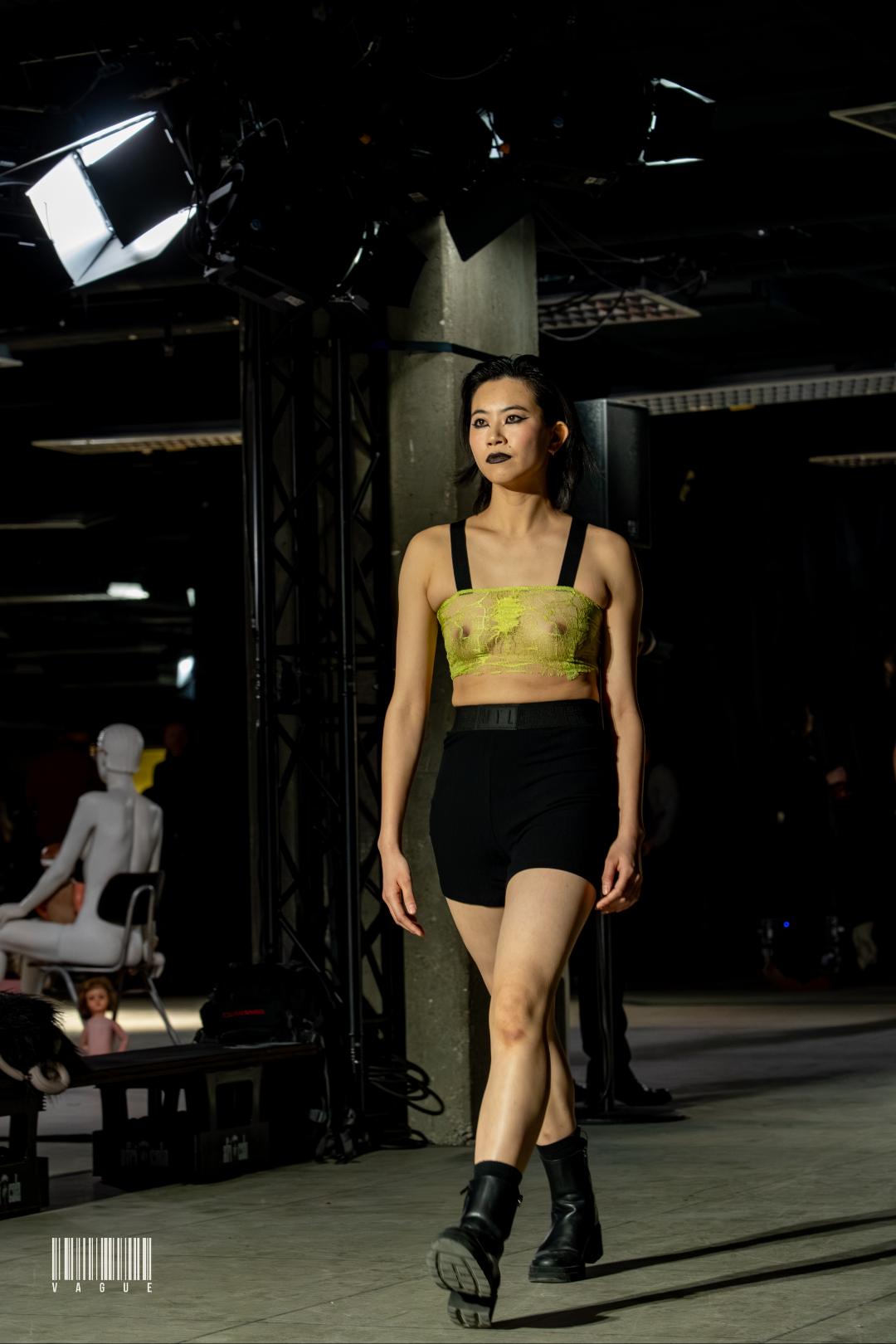
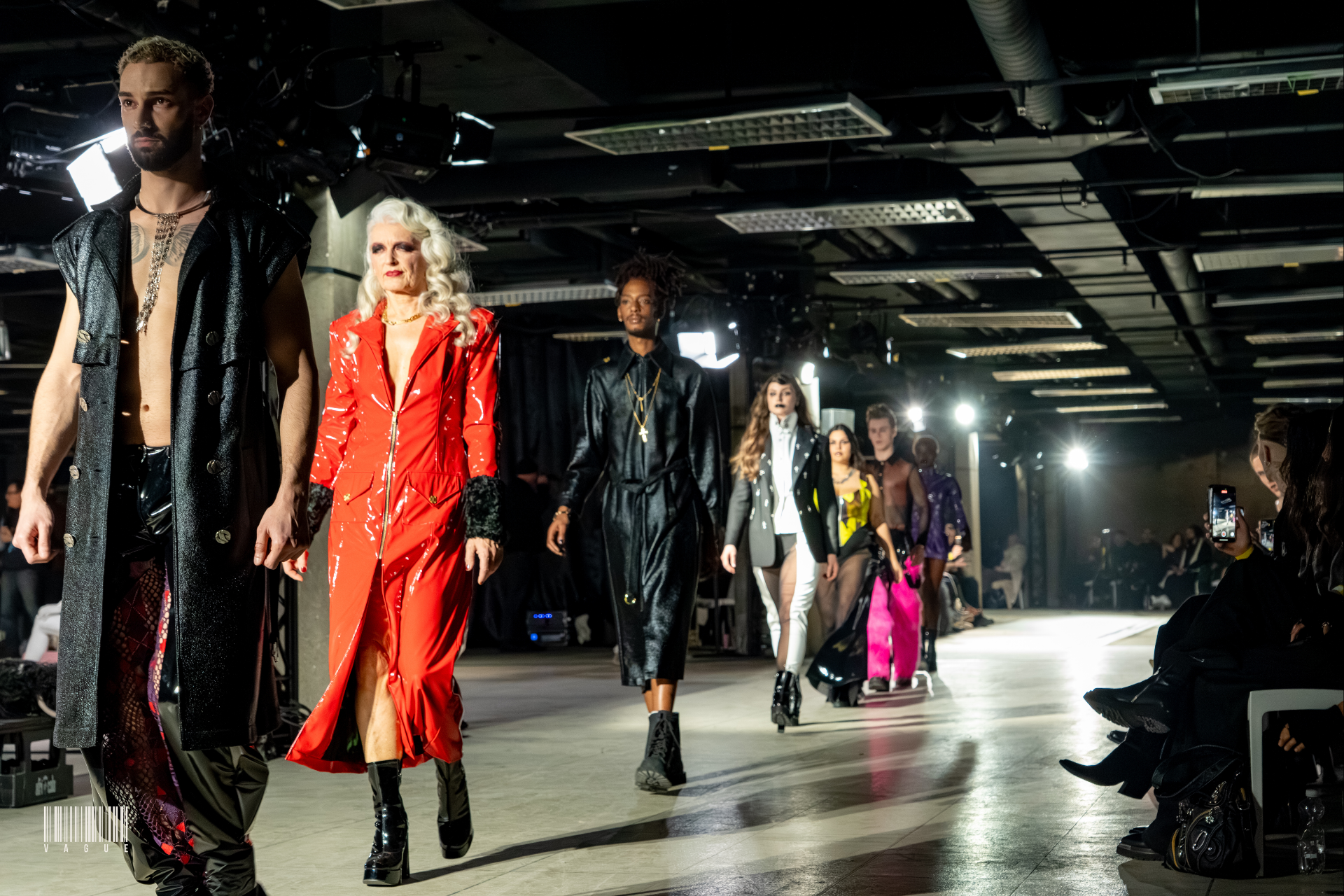
On the runway itself, MYL balanced that utilitarian realism with textural softness and an autobiographical plot “breaking the chains we mistake for love, home, and safety, then rebuilding identity like architecture, brick by brick.” Structured outerwear and tailored separates were offset by fluid layers and tactile fabrics, suggesting clothing designed for movement through real urban spaces, not editorial fantasy. But while the silhouettes prioritised wearability, they were anything but neutral, playing into post-pandemic fashion’s delicate balancing act between commercial viability and cultural clarity with looks that could survive outside the show space while still carrying the weight of their brand narrative.
Co-designer Ayham Hussein, receiving his first official designer credit this season after years shaping the brand’s visual language, brings a cross-cultural perspective rooted in Syria and moulded in Berlin. His presence alongside Sebastian S. K. formalises MYL’s foundation shaped by migration, reconstruction and identities assembled across borders in an industry still figuring out how it speaks about displacement without fetishising it — not that this show was without its fetishistic components (I mean, it wouldn’t be Berlin without it).
Sheathed in sheer panelling, lace inserts, vinyl protection and fur accents, we saw different bodies inhabiting the same tailoring, different gender expressions moving through identical coats, and none of it felt performative. Maintaining MYL’s cultural positioning without sacrificing design coherence, the tailoring was clean, the layering considered, the pacing controlled, the casting naturalized. The overall impression was of clothes already integrated into a community, not awaiting adoption. That it was staged Berlin preserved the brand’s community base while engaging London’s institutional gaze. a triumphant display of sincere, scaled representation.
Just as the collection rejects the need for salvation, MYL Berlin proves that community isn’t a last-ditch marketing gimmick. It is method, and it works.
credits
words — karina so.
photography — katharina viellechner
design — karina so.
media production — VAGUE