Octi AW26
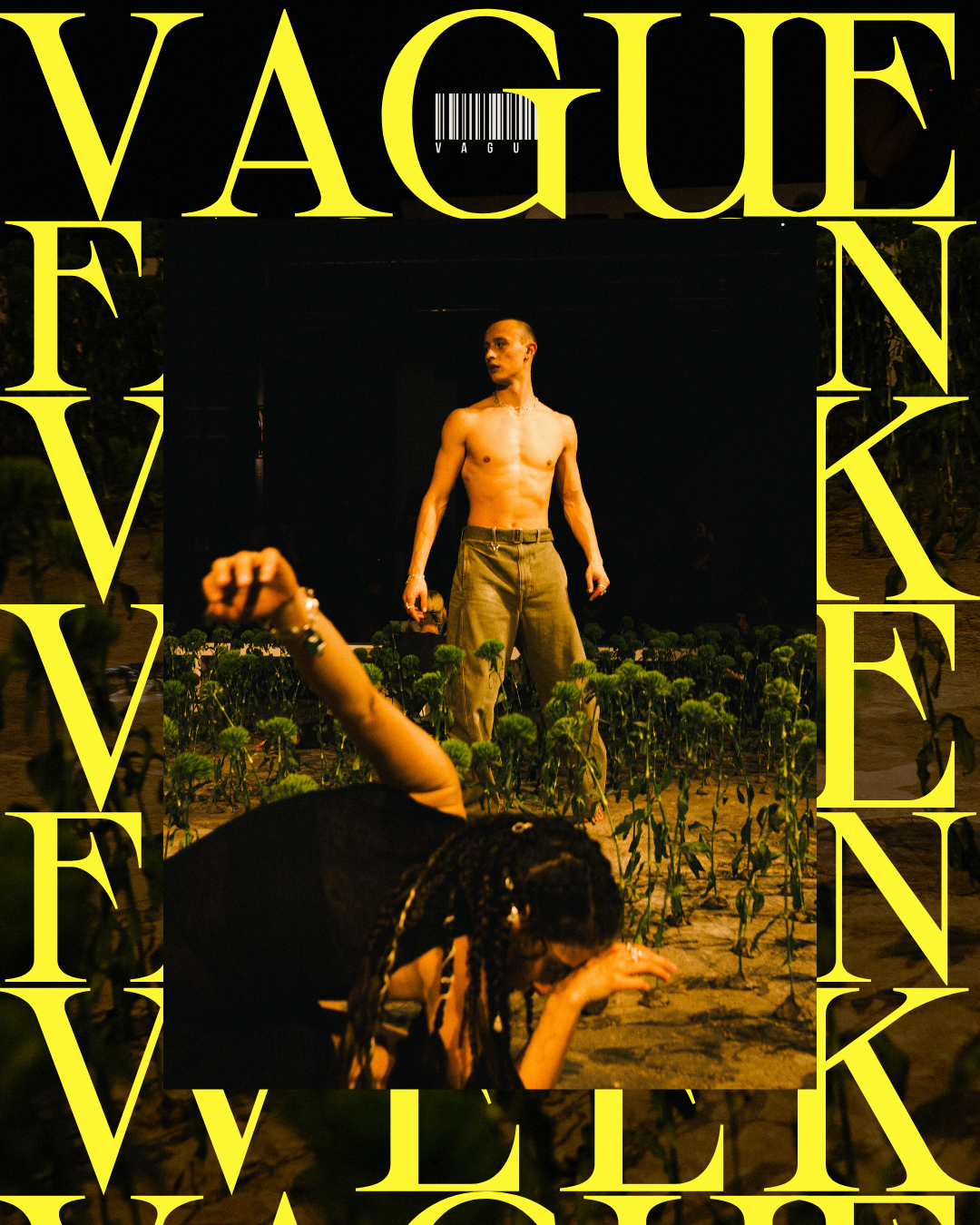
First Thoughts: Octi’s Gaia Presents Jewellery as Geological Intimacy
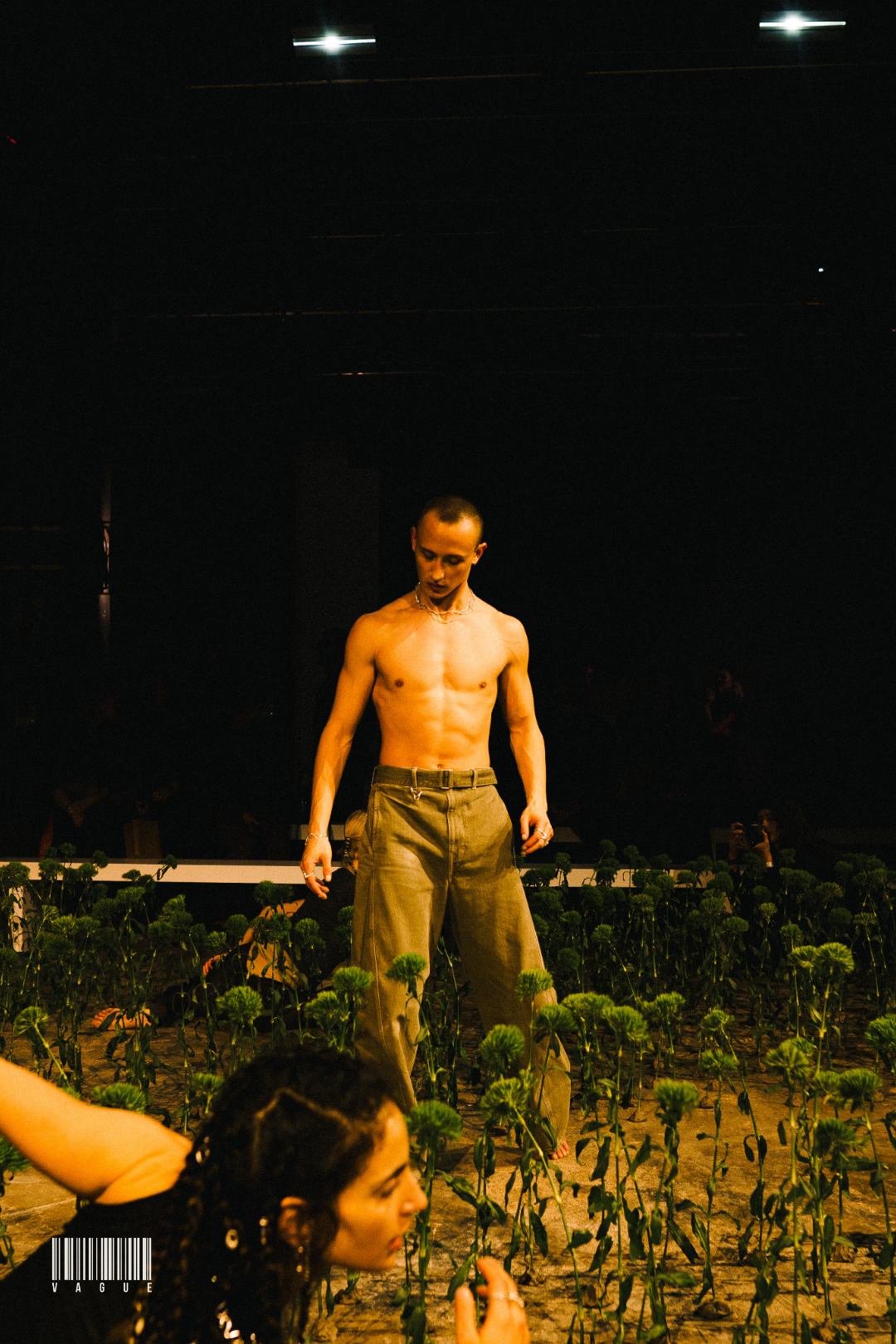
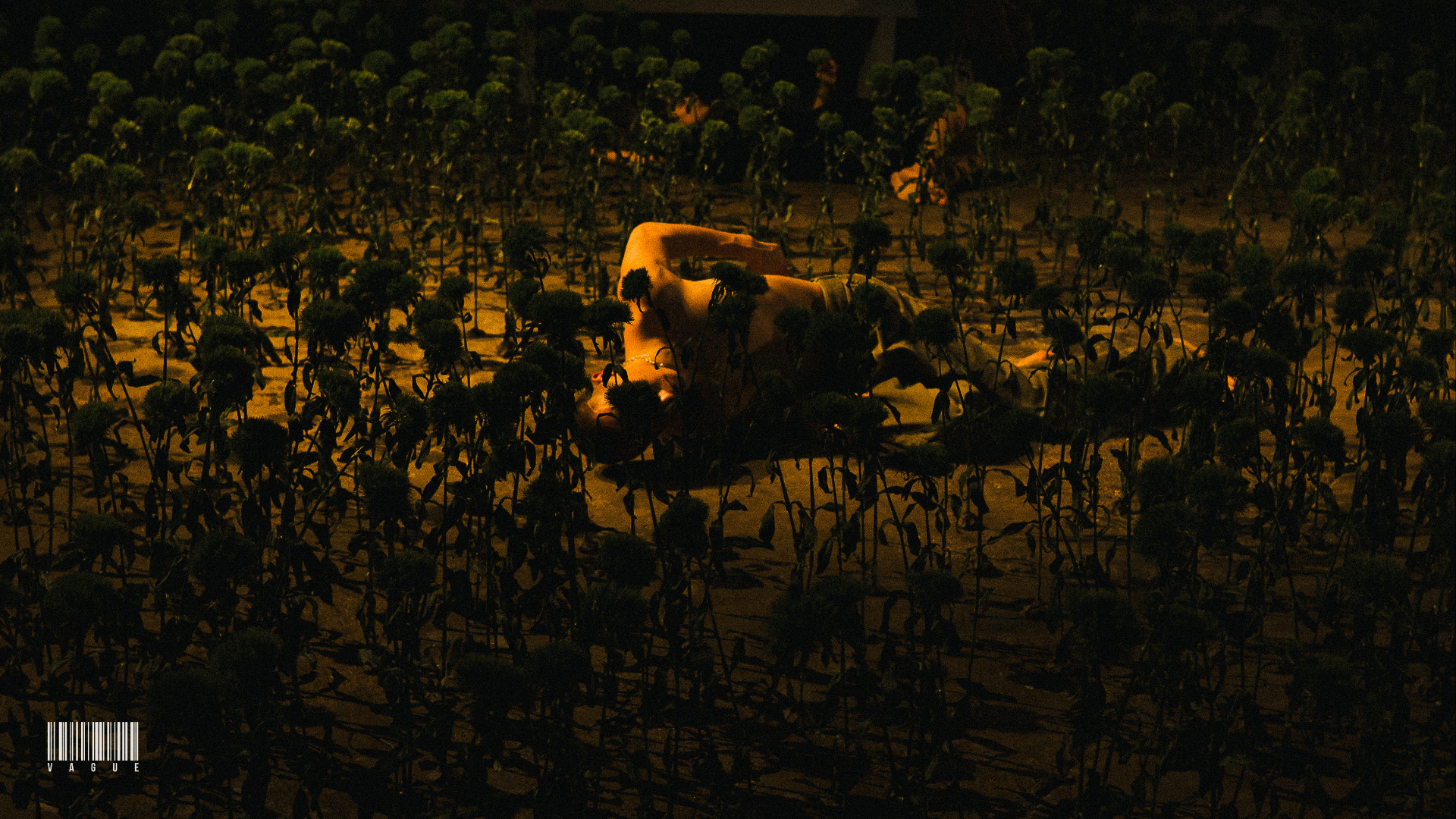
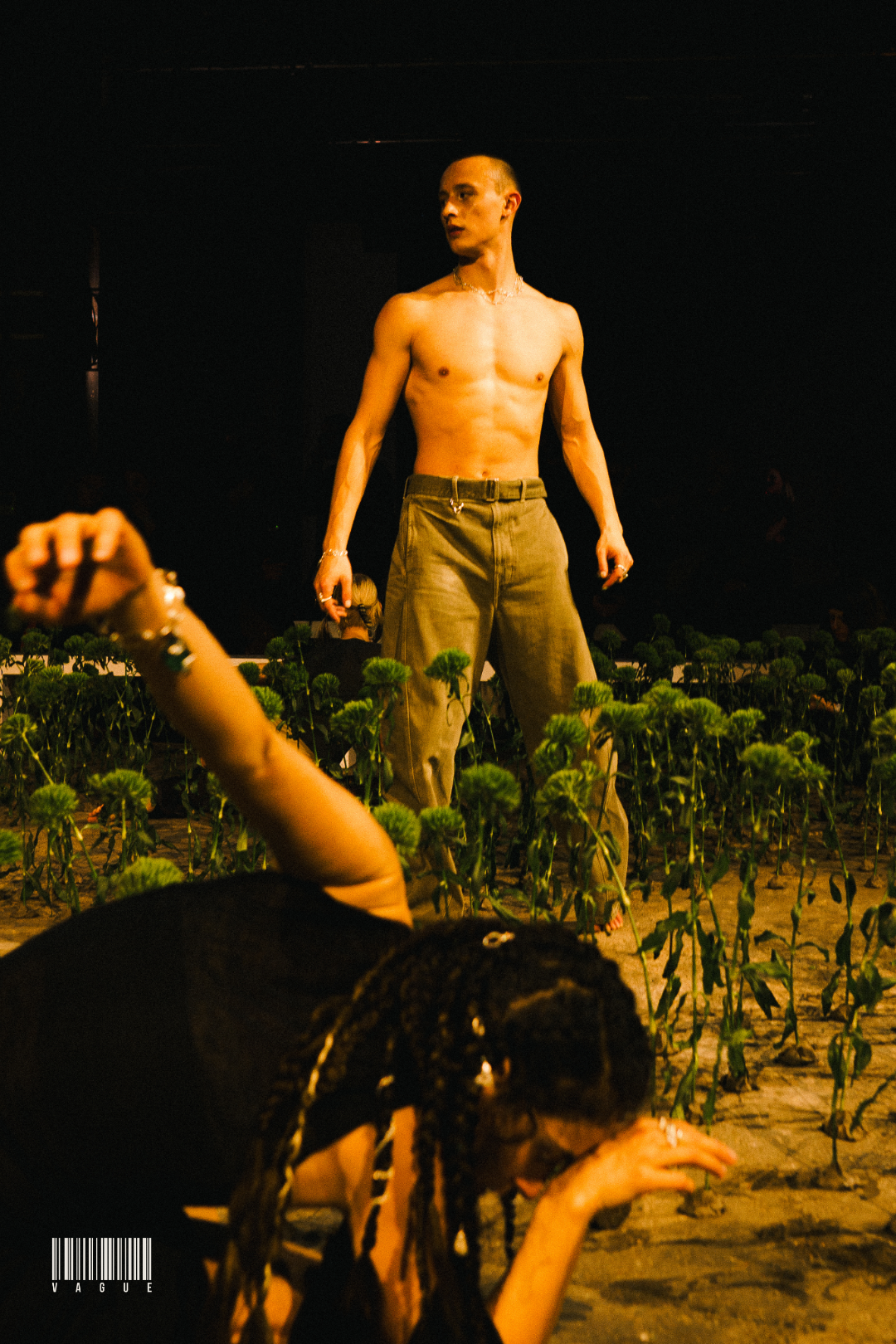
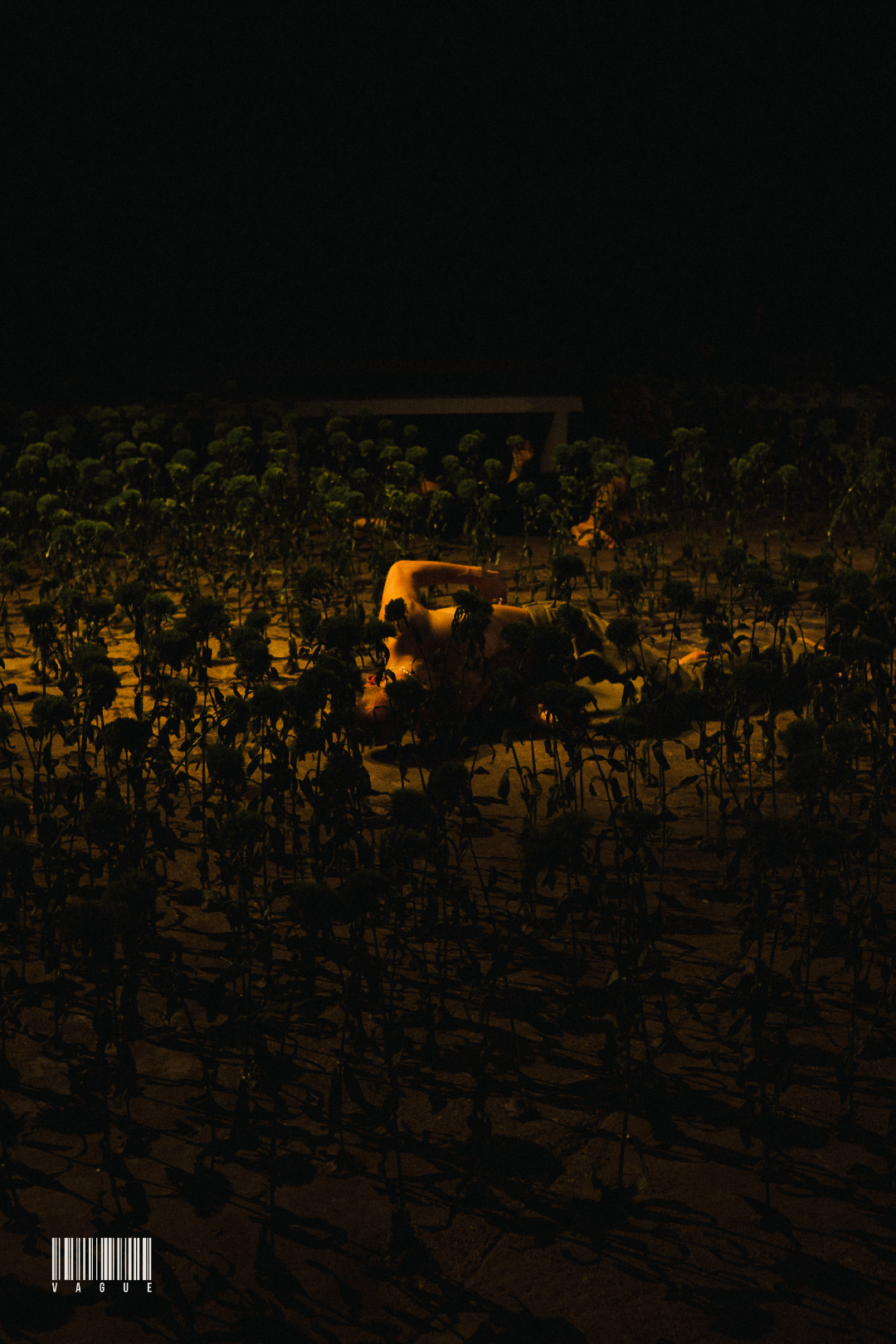
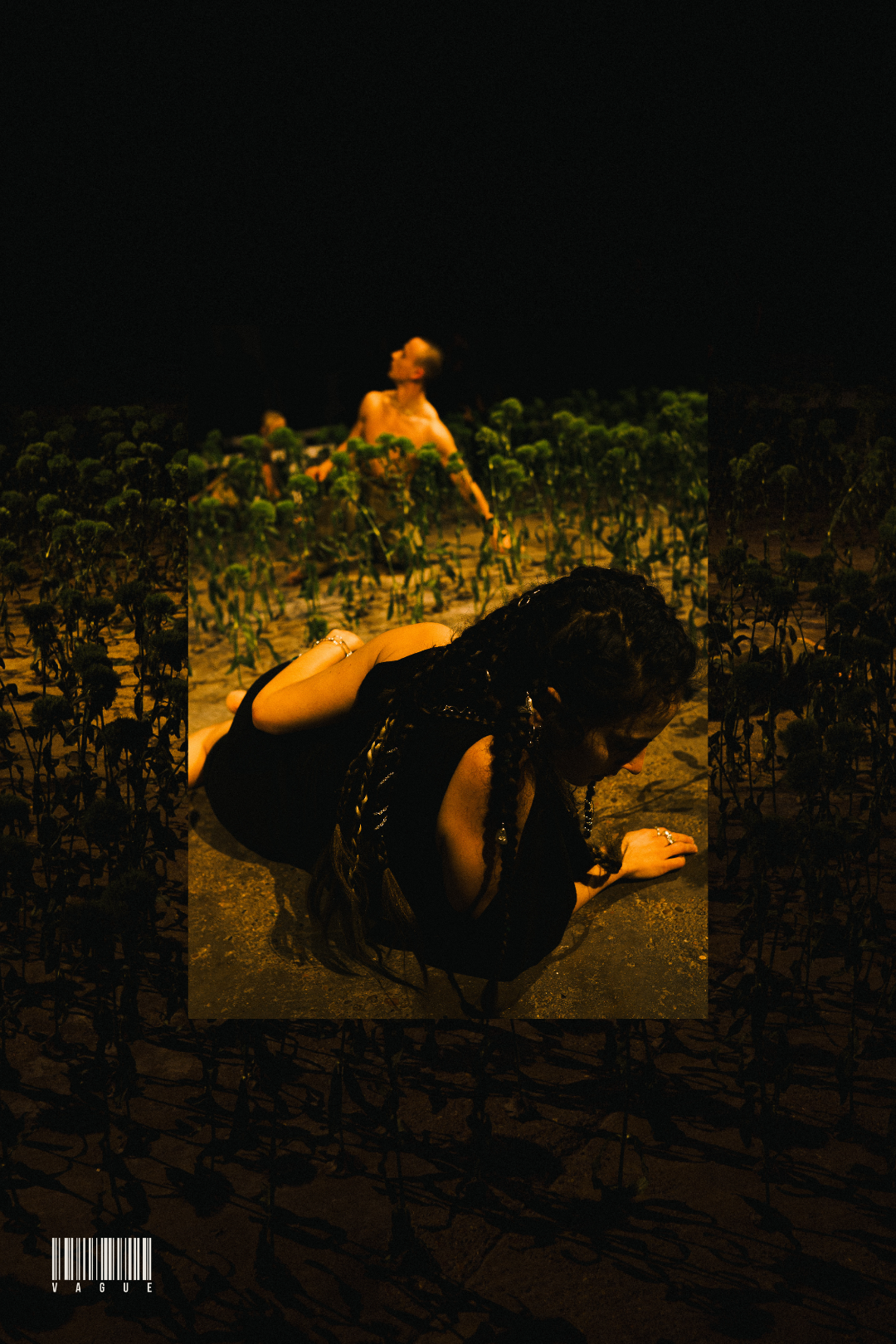
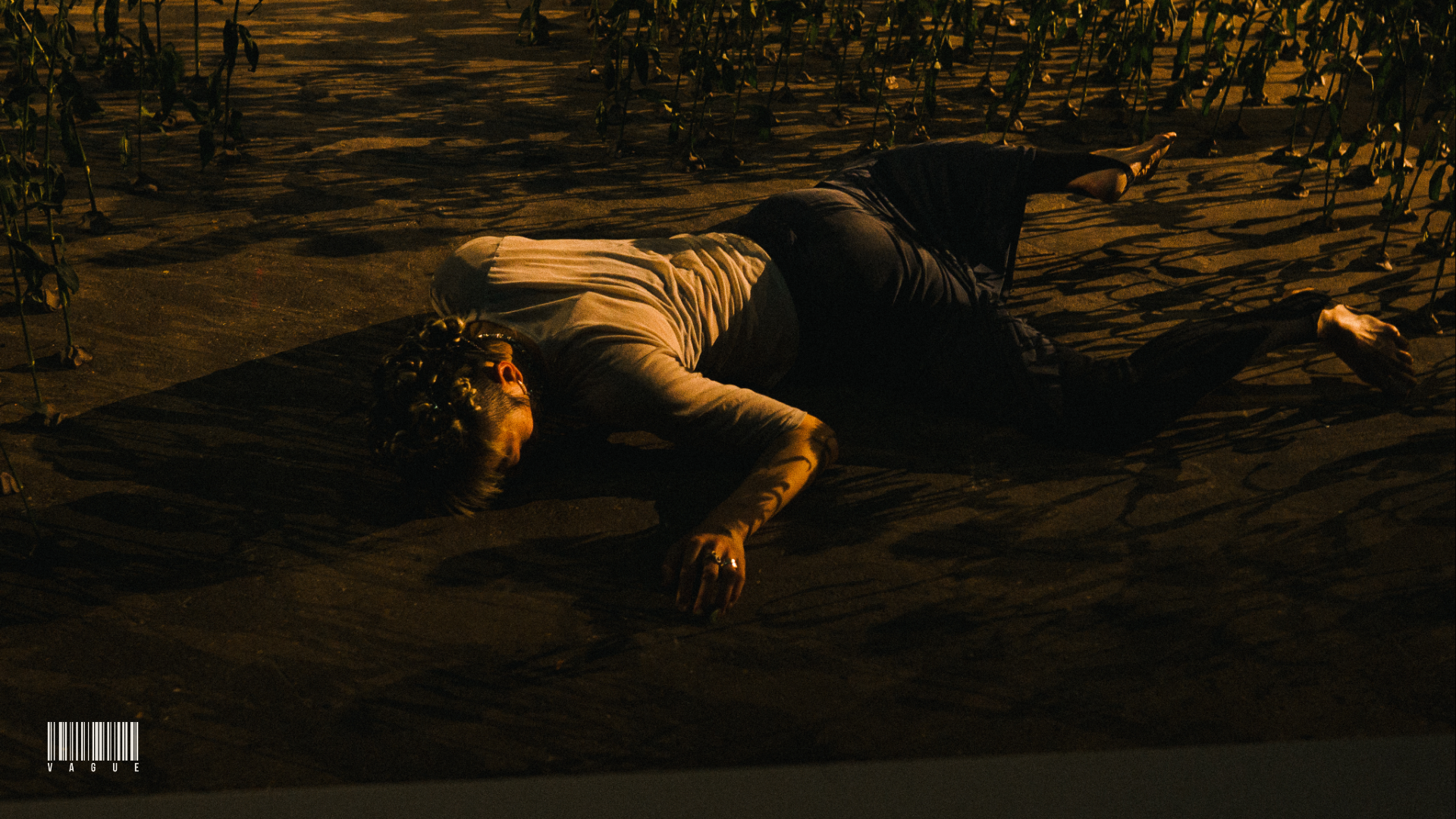
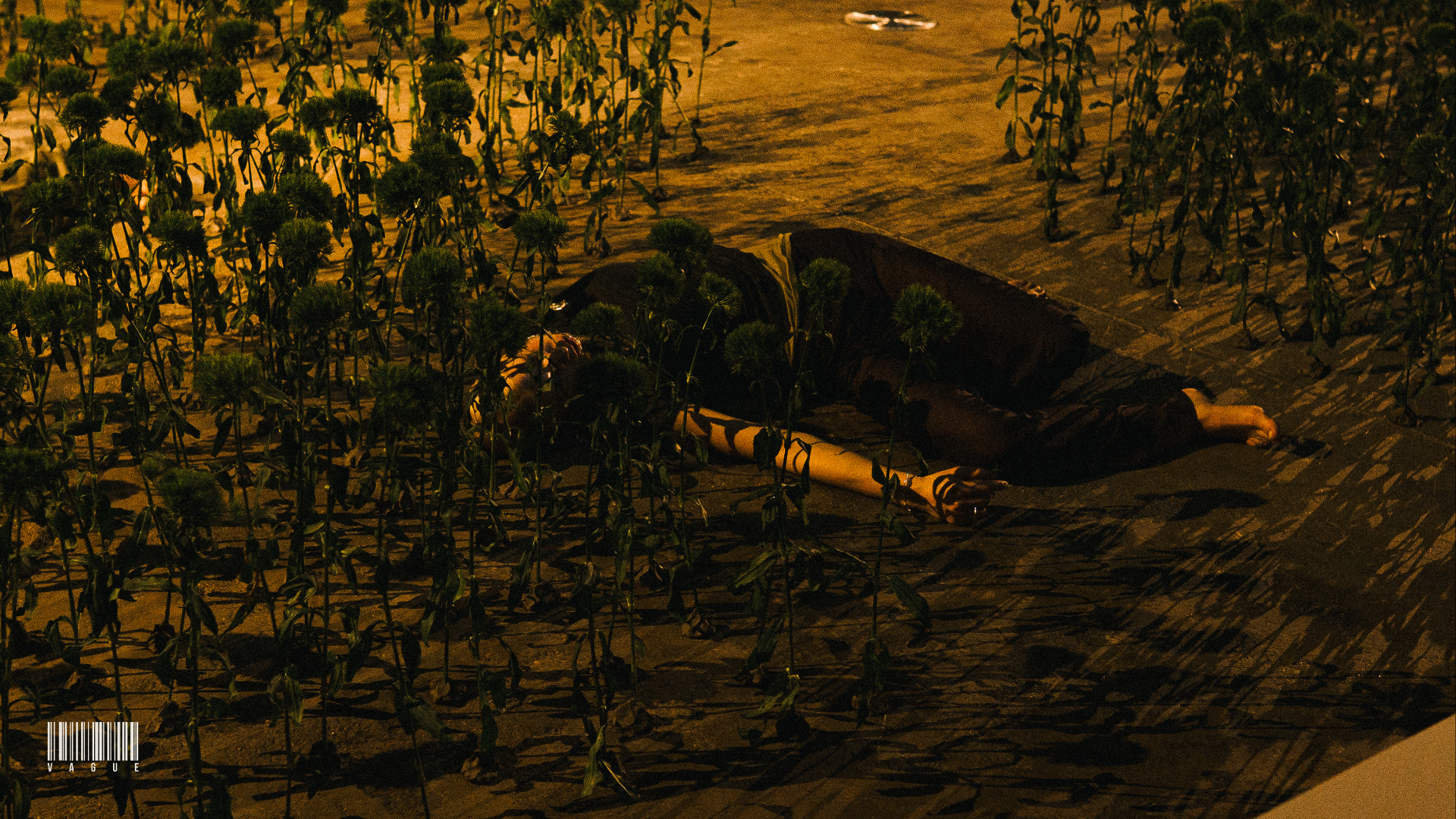
There is something quietly radical about insisting on slowness in a fashion system engineered for speed. This was the central theme of our editorial coverage for London this season, investigating the city’s attitudes to this acceleration as the British Fashion Council CEO Laura Weir aims to position London as the great fashion incubator. While many brands continue to lean into The Spectacle™ of fashion week, London-based jewellery designer Octi Ransom’s Autumn/Winter 2026 collection, Gaia became an argument against the churn of trend cycles and algorithmic novelty; one that asked what it means to preserve fragments of the earth in all its archaeological glory, wearing them as if they were time itself?
Founded in 2022, Octi has built its language around collaboration with nature, sculpting wax by hand in their Hackney studio before casting locally in London using recycled precious metals, situating it within a growing cohort of British designers rethinking local production. Since joining the British Fashion Council’s NEWGEN programme in 2025, that commitment has only sharpened into clearer material politics, centring sustainability throughout the production pipeline: lost wax casting, recycled metals, local supply chains.
The Gaia collection draws specifically on mineral formations, particularly the layered growth of malachite and chrysocolla. These stones, which often form together under similar environmental conditions, build themselves in strata, filling fractures and cavities in distinctive, inimitable configurations. It is this geological choreography that Octi translates into metal through ridged bands, undulating surfaces and layered forms that look like they were grown rather than designed: rings that look like cross-sections of rock; pendants that hold cavities seemingly worn down by erosion.
Often in fashion, themes of nature are flattened into pastoral fantasy or greenwashing but by shifting focus to geology over landscapes, Ransom can and does tap into themes of pressure, compression, collision, time. All worthy metaphors for the state of the industry today: separate entities forming something layered through proximity and endurance — and in the case of fashion’s cultural expansion, rapidly so and at great detriment to the planet. But there is something tender about Ransom’s translation from observation to object. Jewellery, perhaps more than any other fashion category, carries sentimental durability. It is passed down, held onto and invested with memory. So by framing each piece as a preserved fragment of mineral growth or erosion, Octi extends that intimacy towards nature itself. To wear these pieces is to carry a small, hardened echo of the planet’s own processes.
It is a subtle politics, but politics nonetheless. At a time when environmental crisis is often aestheticised or minimized, Octi reminds us that the earth’s processes are neither decorative nor instantaneous. In a landscape where many young brands feel compelled to prioritize pageantry, Octi’s insistence on material storytelling builds impact in layers. With Gaia, they suggest that connection, whether between stones or people, is formed slowly, under pressure and with care. In that sense, Octi is not simply making jewellery but carving out a quieter, more accountable way for us to belong to the natural world. An inspirational effort, to say the least.
credits
words — karina so.
photography — james olusegun
filmmaking — james olusegun
design — karina so.
media production — VAGUE