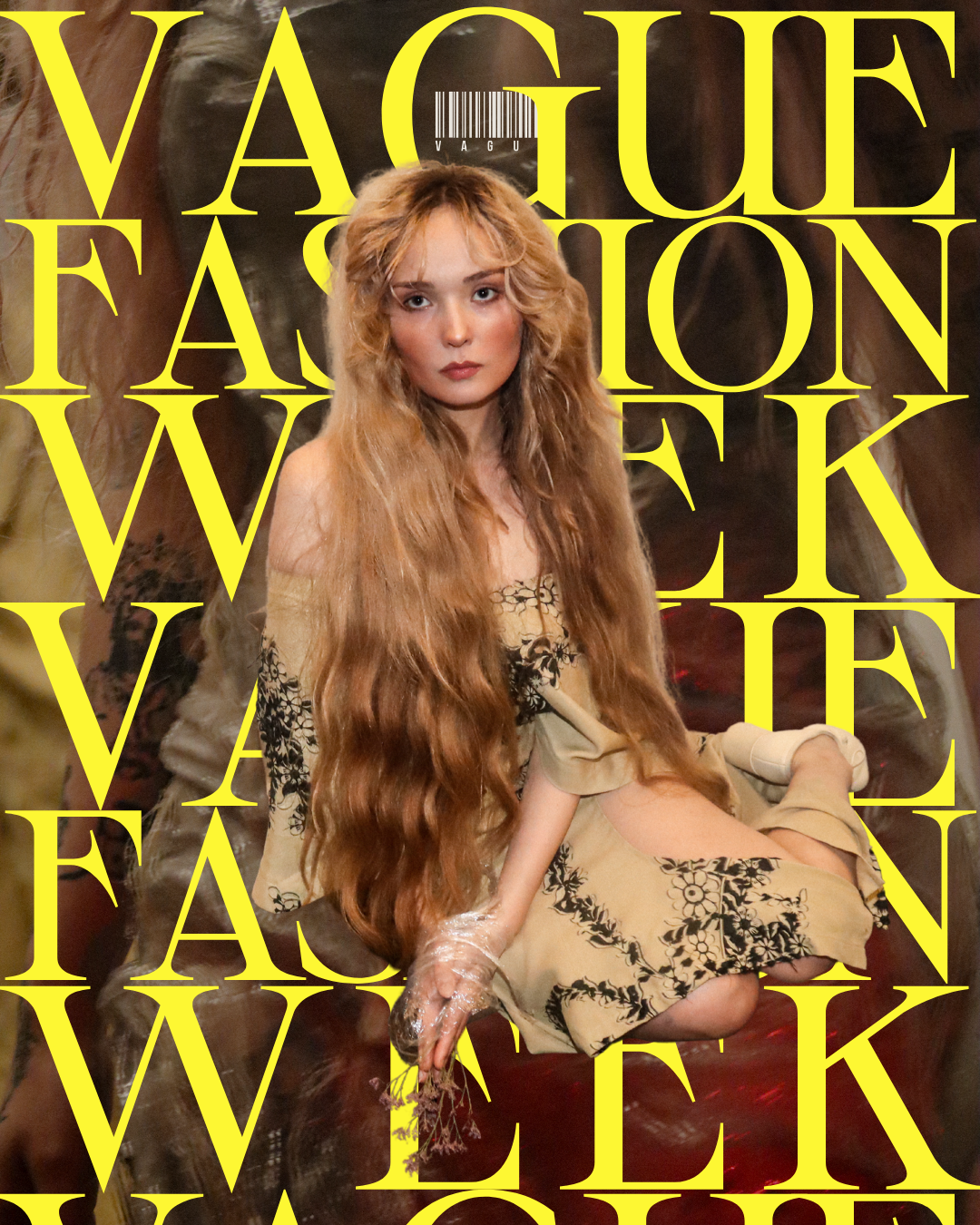
Bite the Apple: ANTISUPERMODEL x VAGUE Present Garden of Eden during Berlin Fashion Week
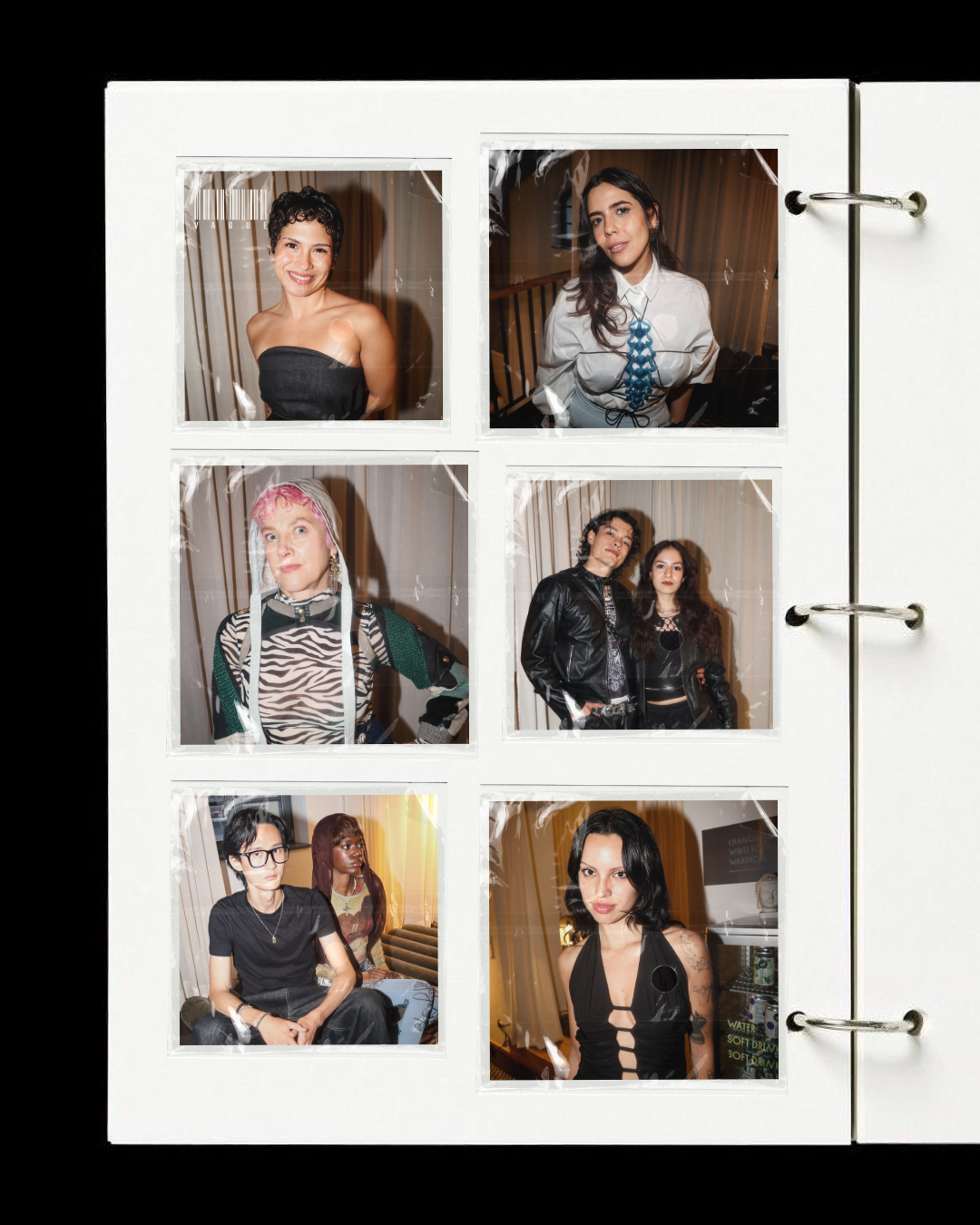
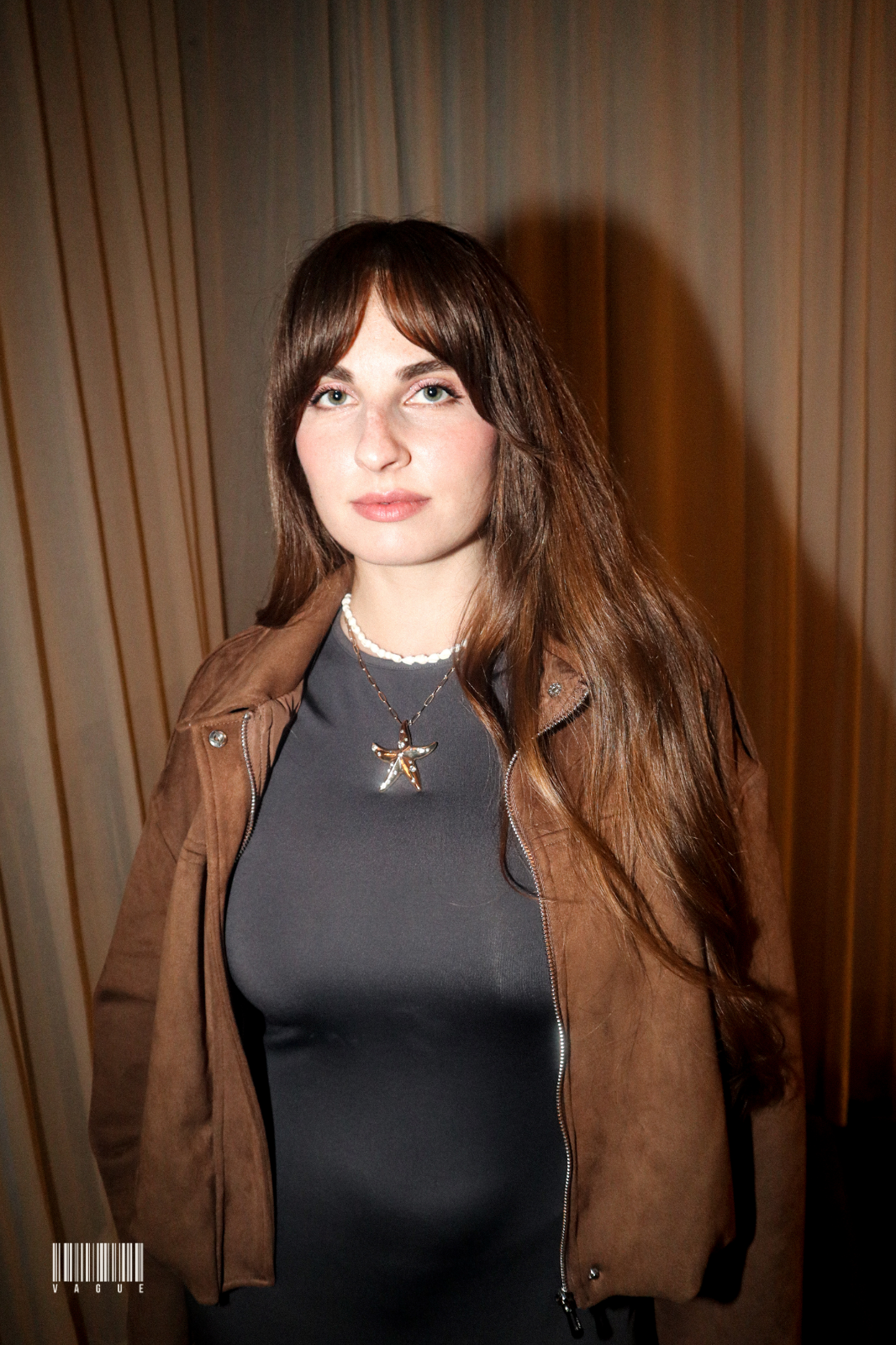
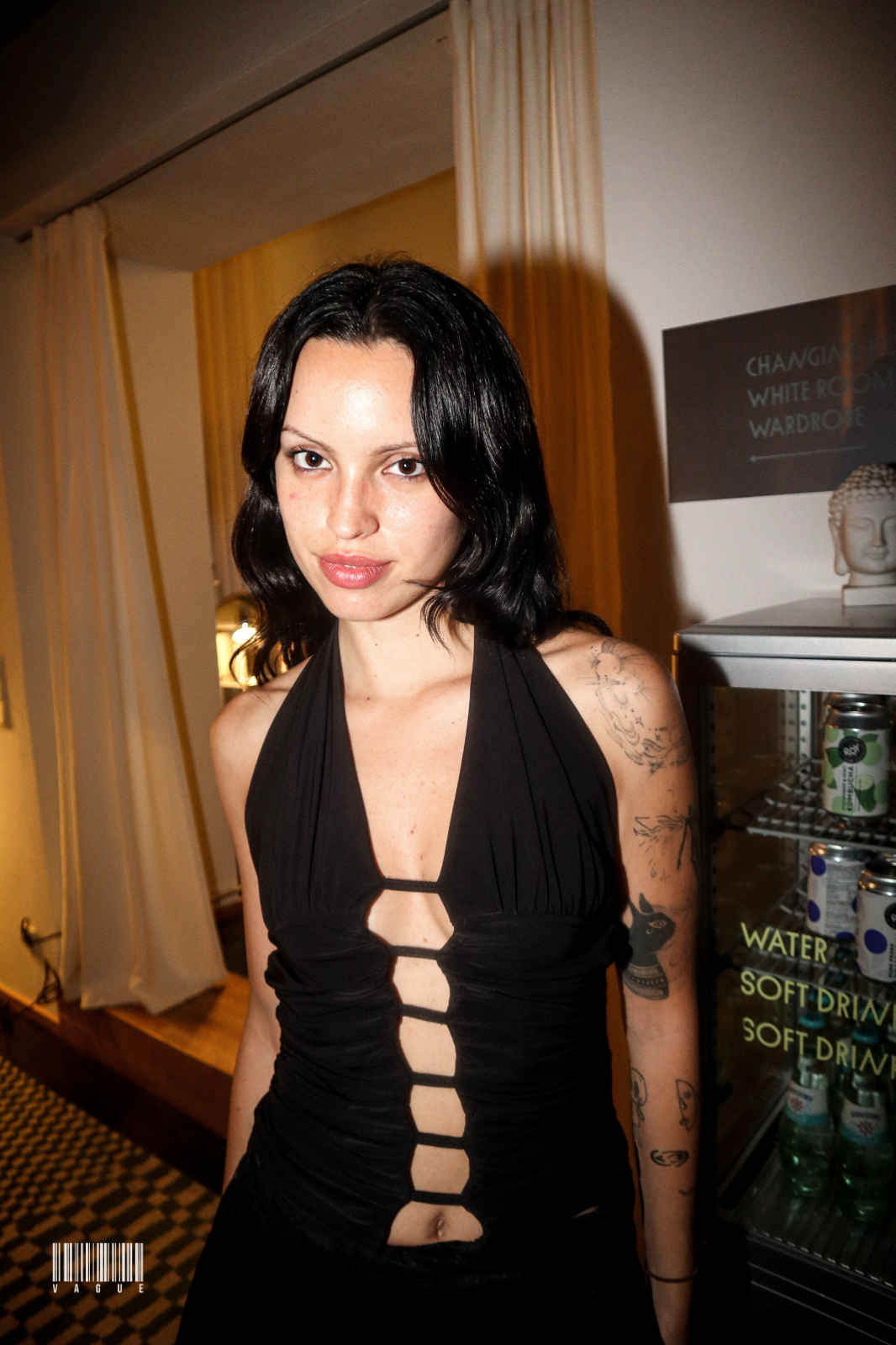
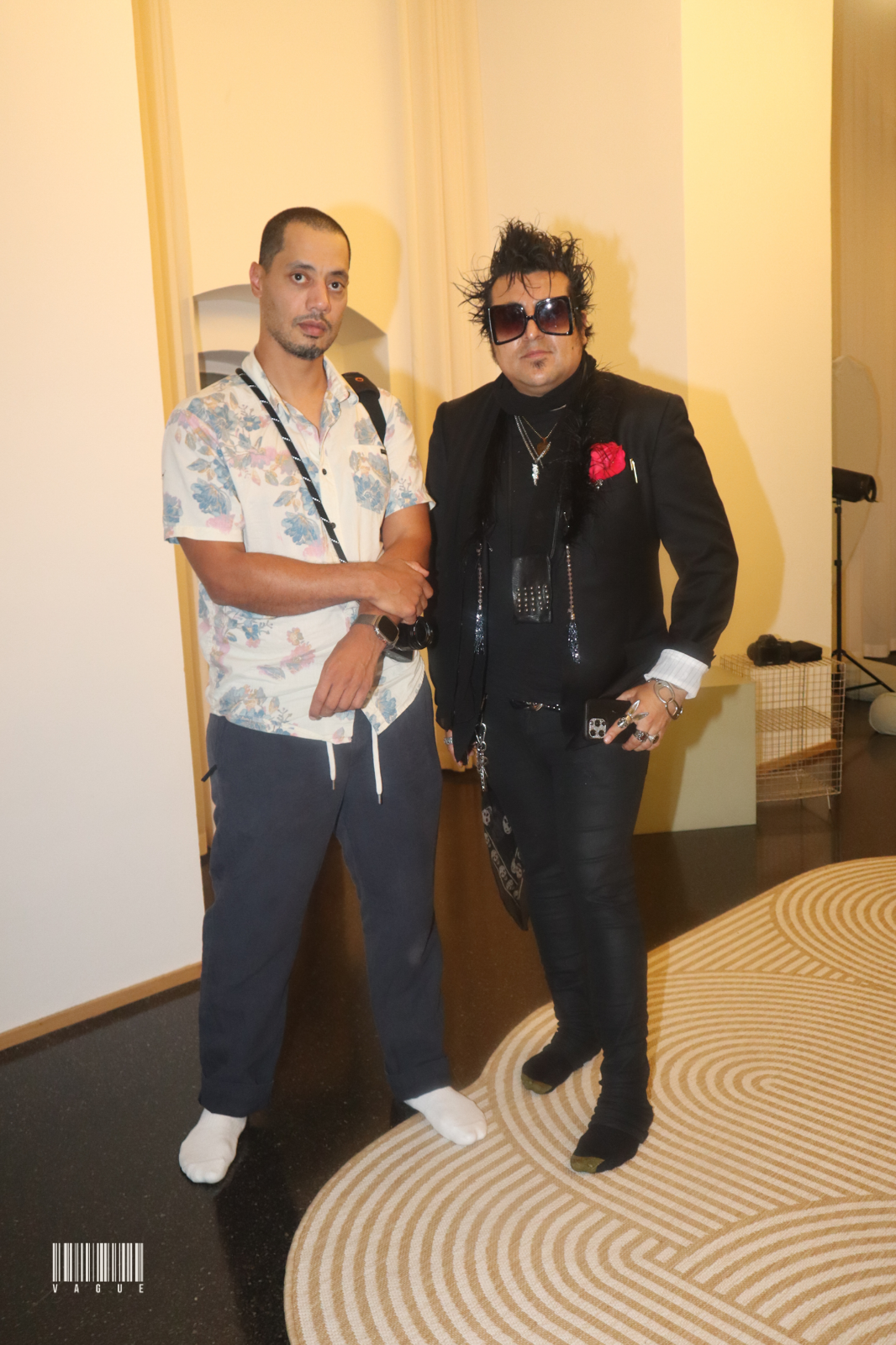
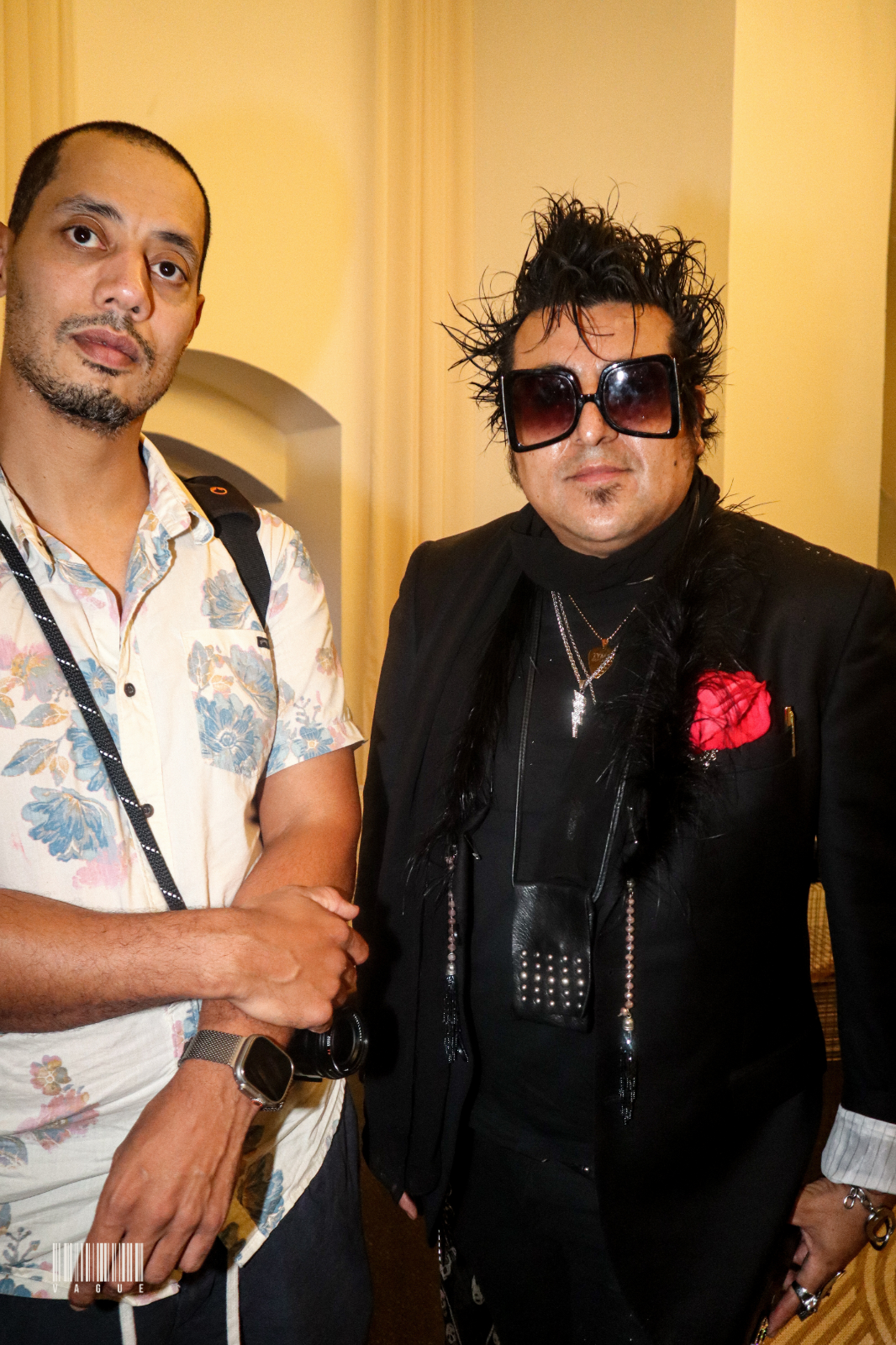
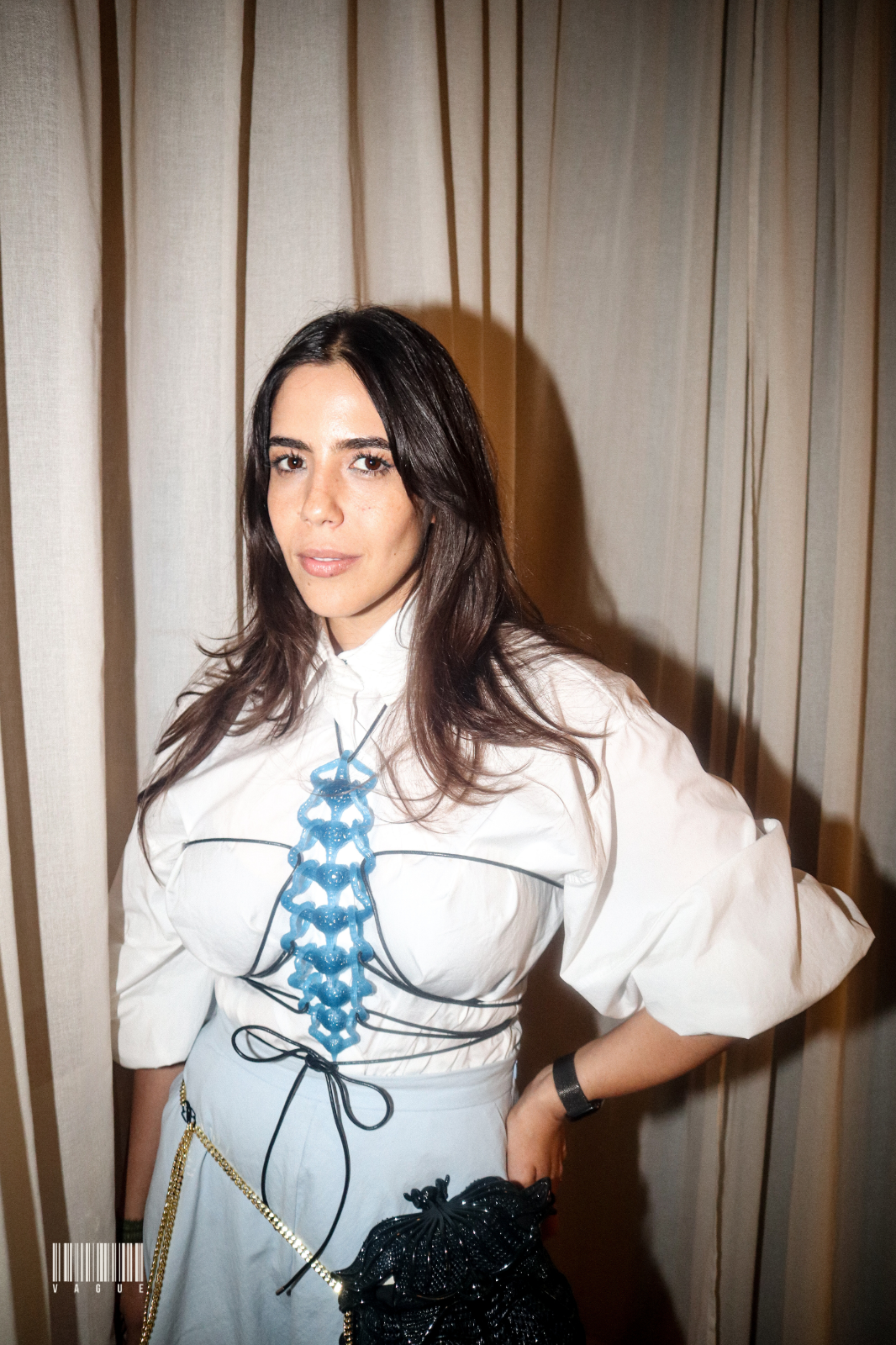
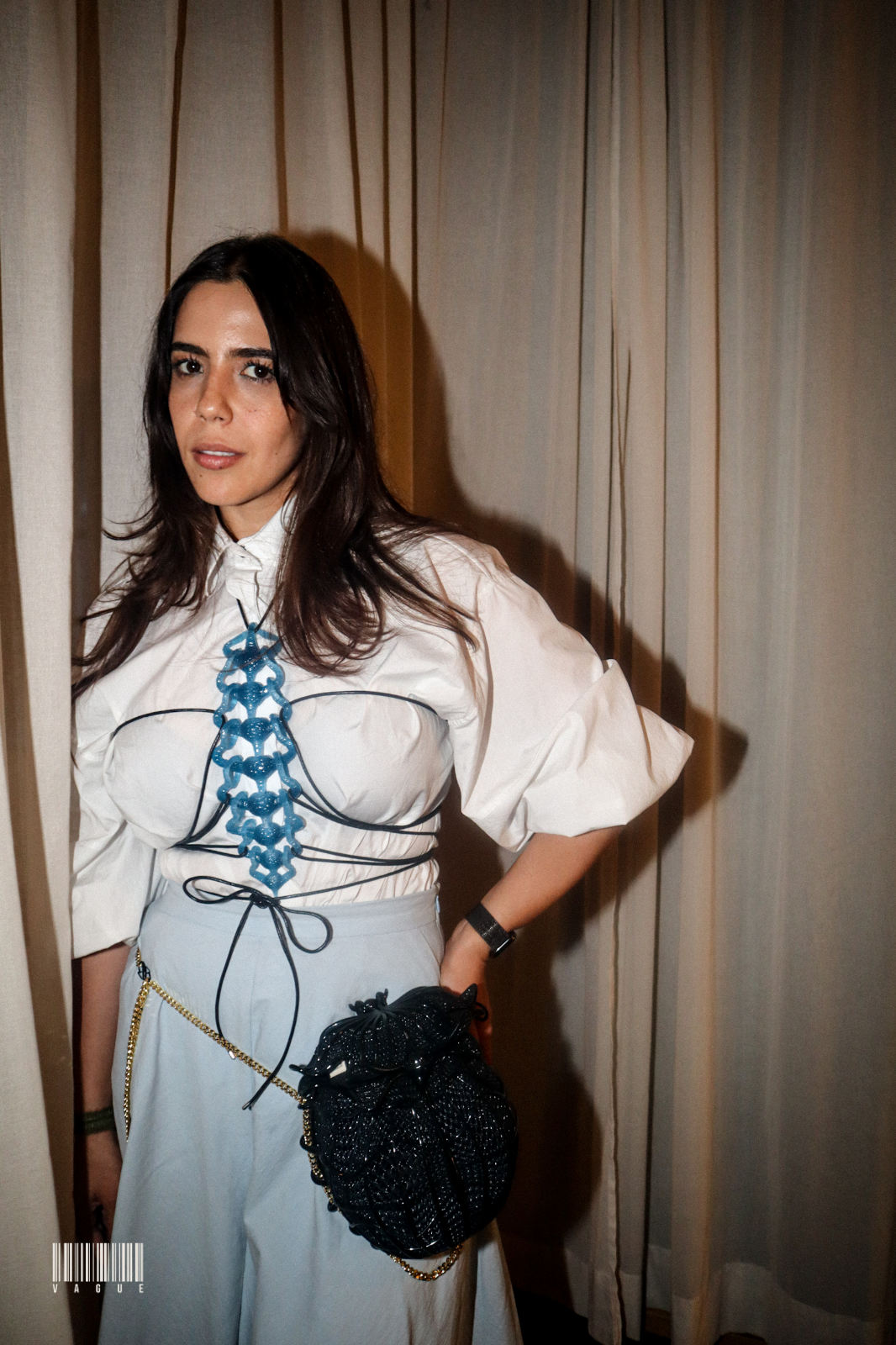
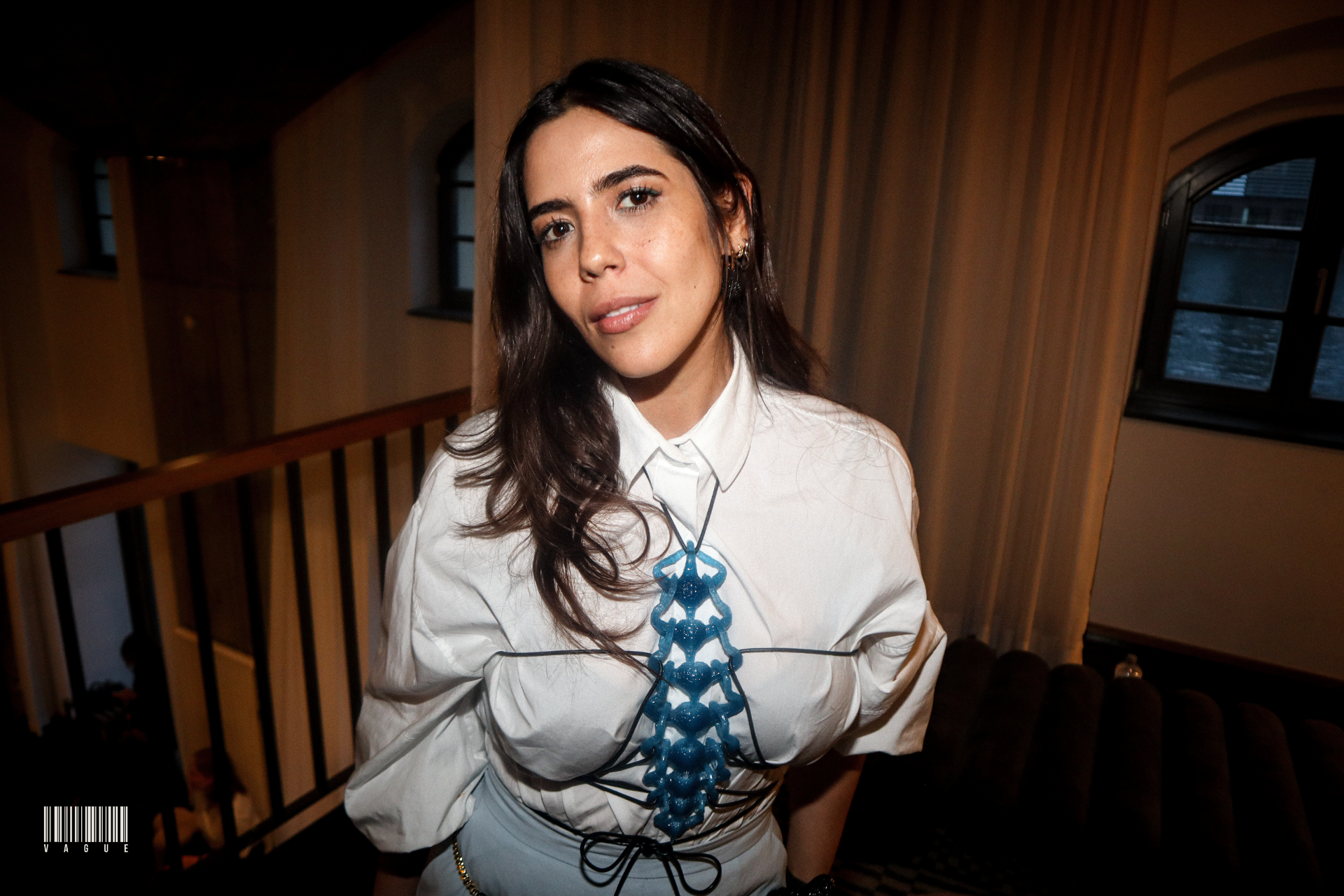
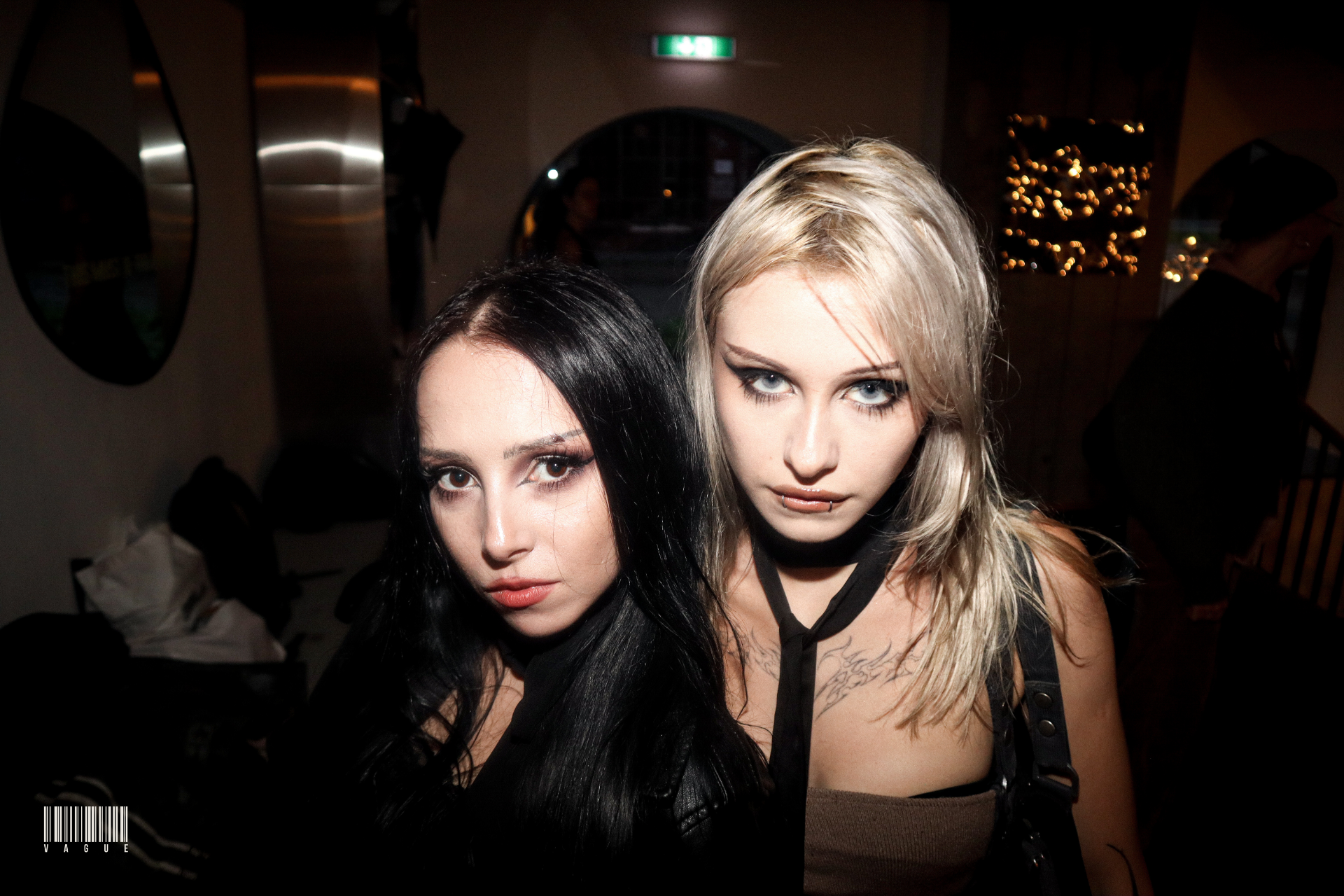
Might this be the first fashion show report written from front of house? VAGUE’s first international activation saw us collaborate with our latest VAGUE VOICE, Sophie Mashraki as the official media partner and press office for ANTISUPERMODEL’s runway directorial debut in Berlin last weekend. We played host to an international crowd of fashion and sustainability enthusiasts. But of course, where there are clothes, there is critique so here are our thoughts, independently written as always...
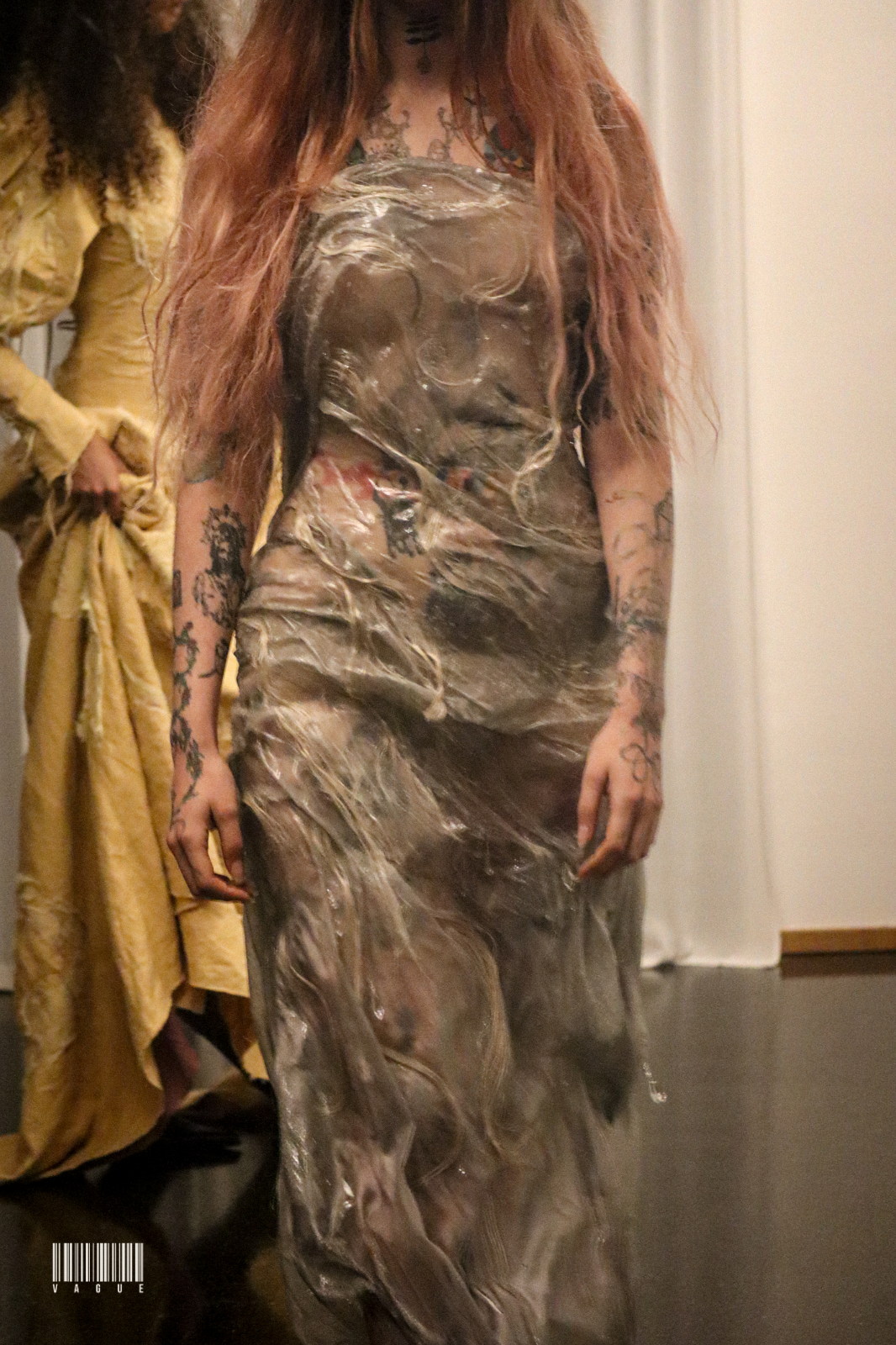
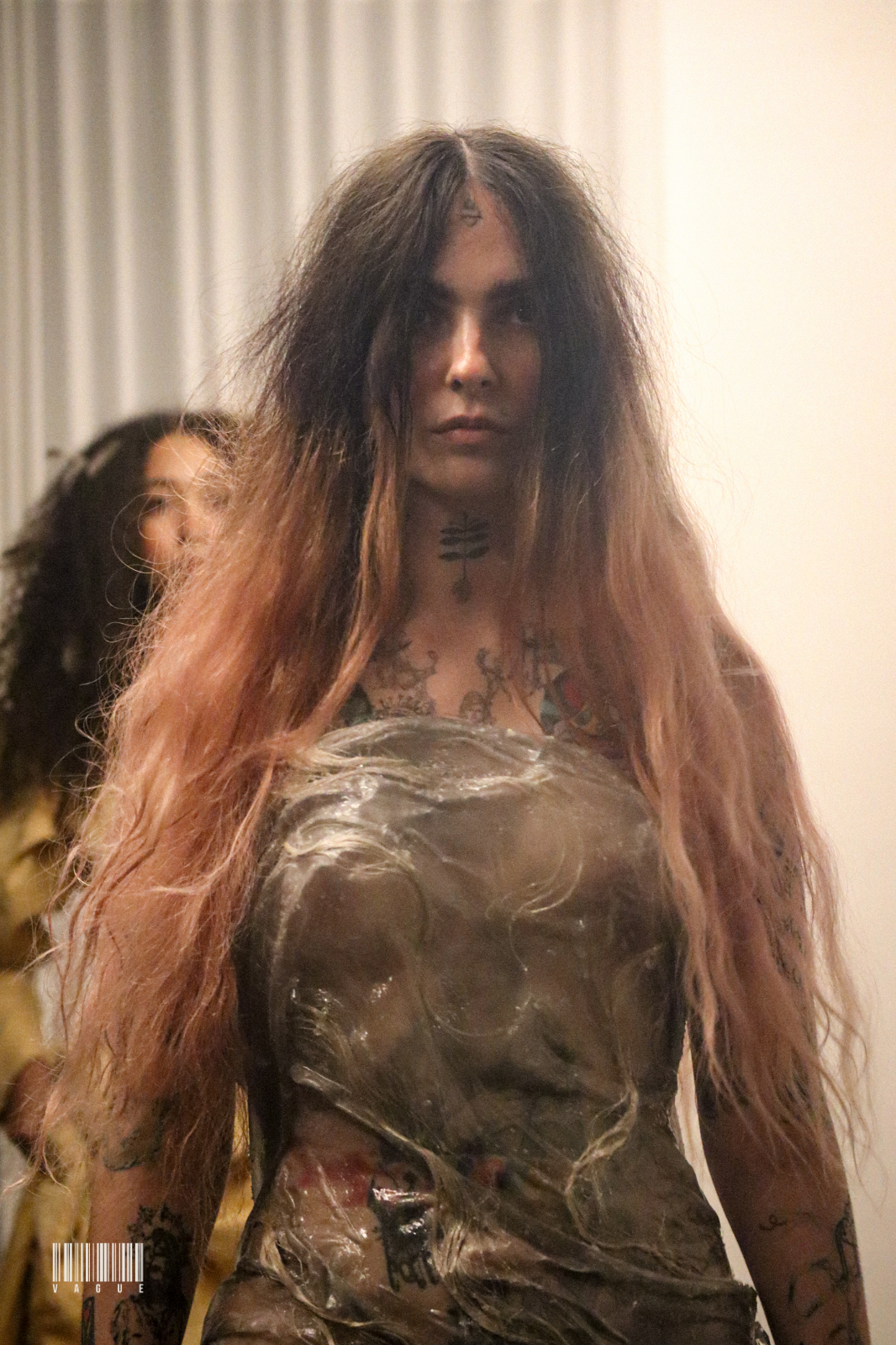
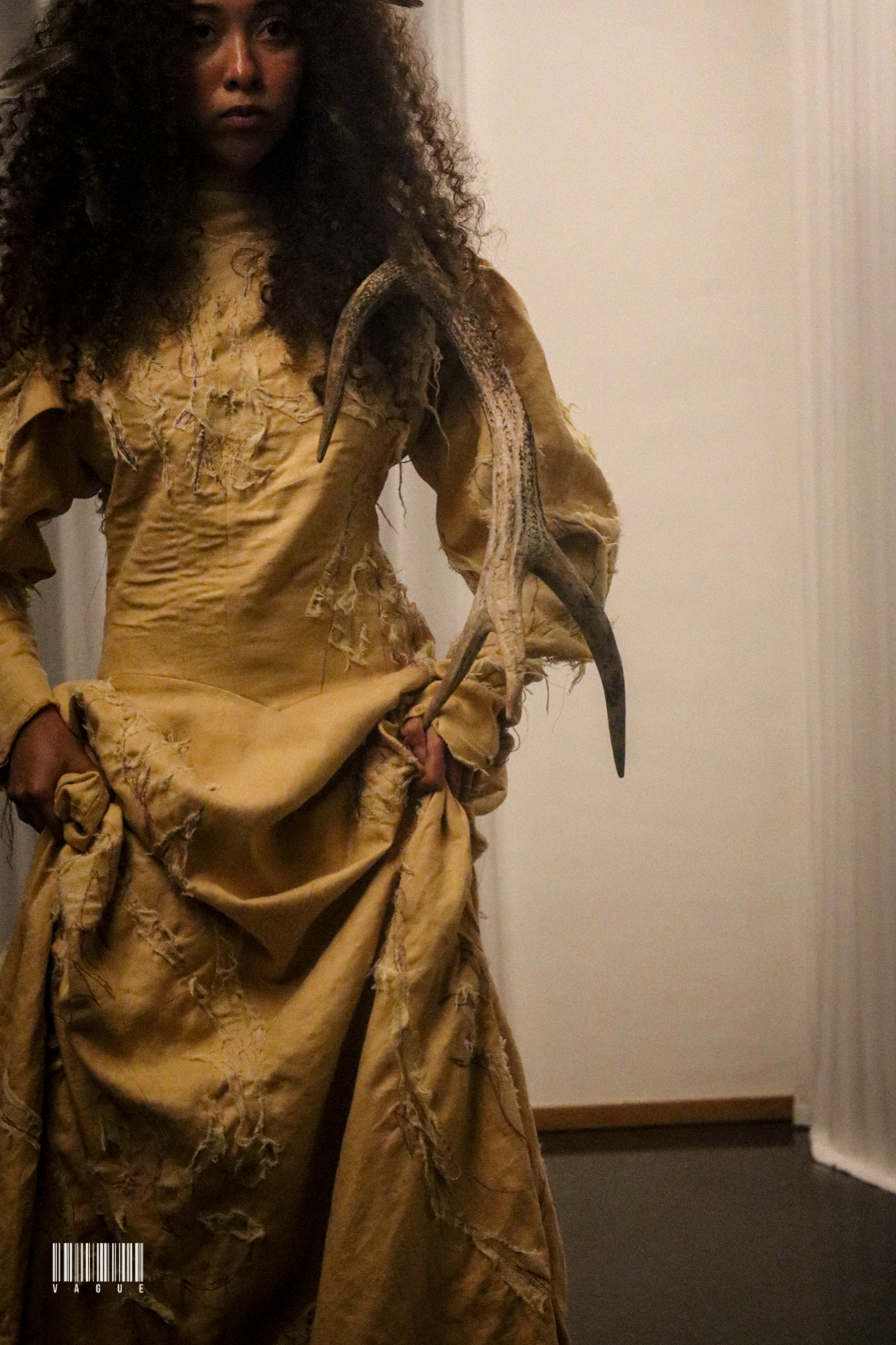
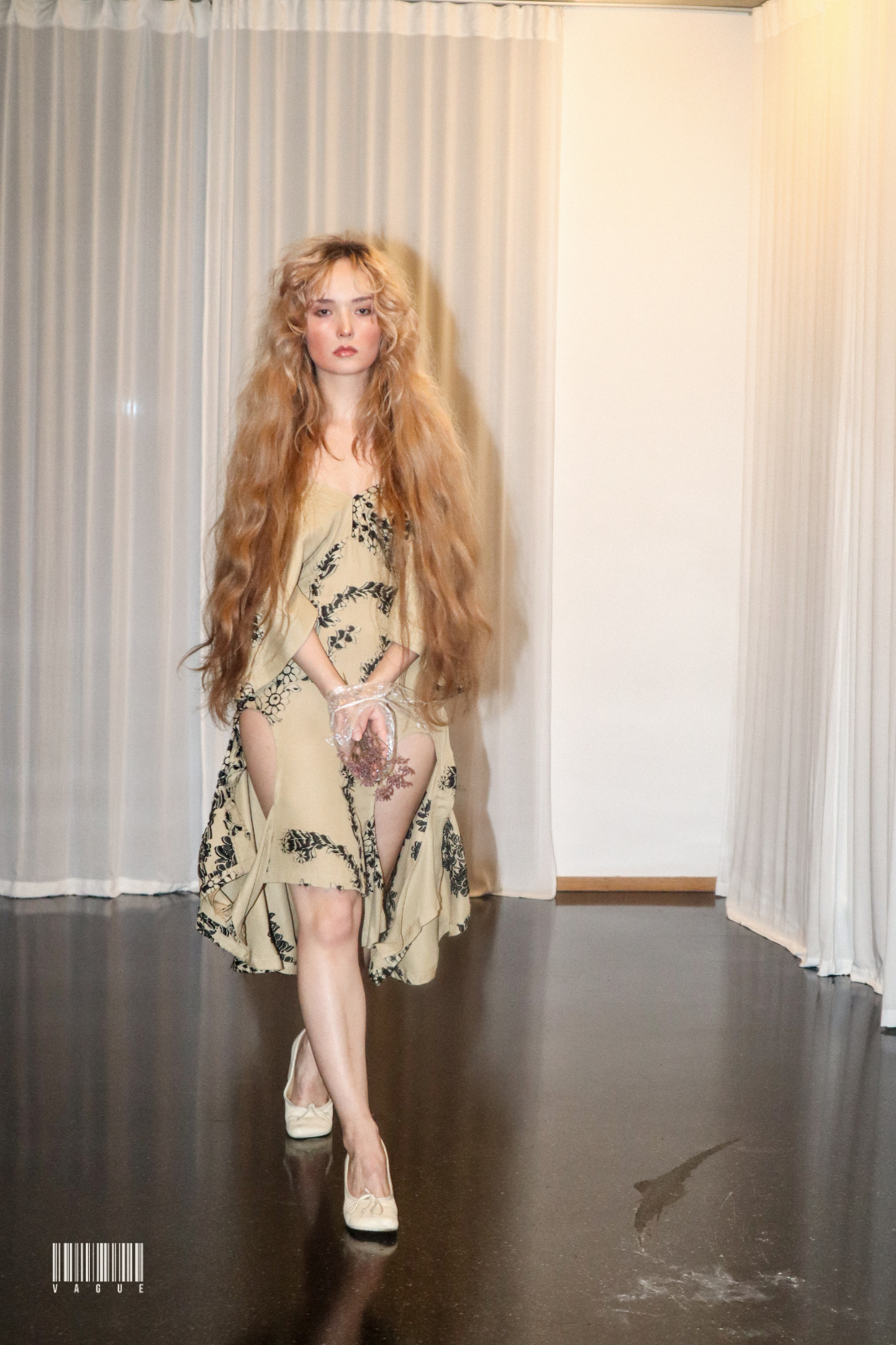
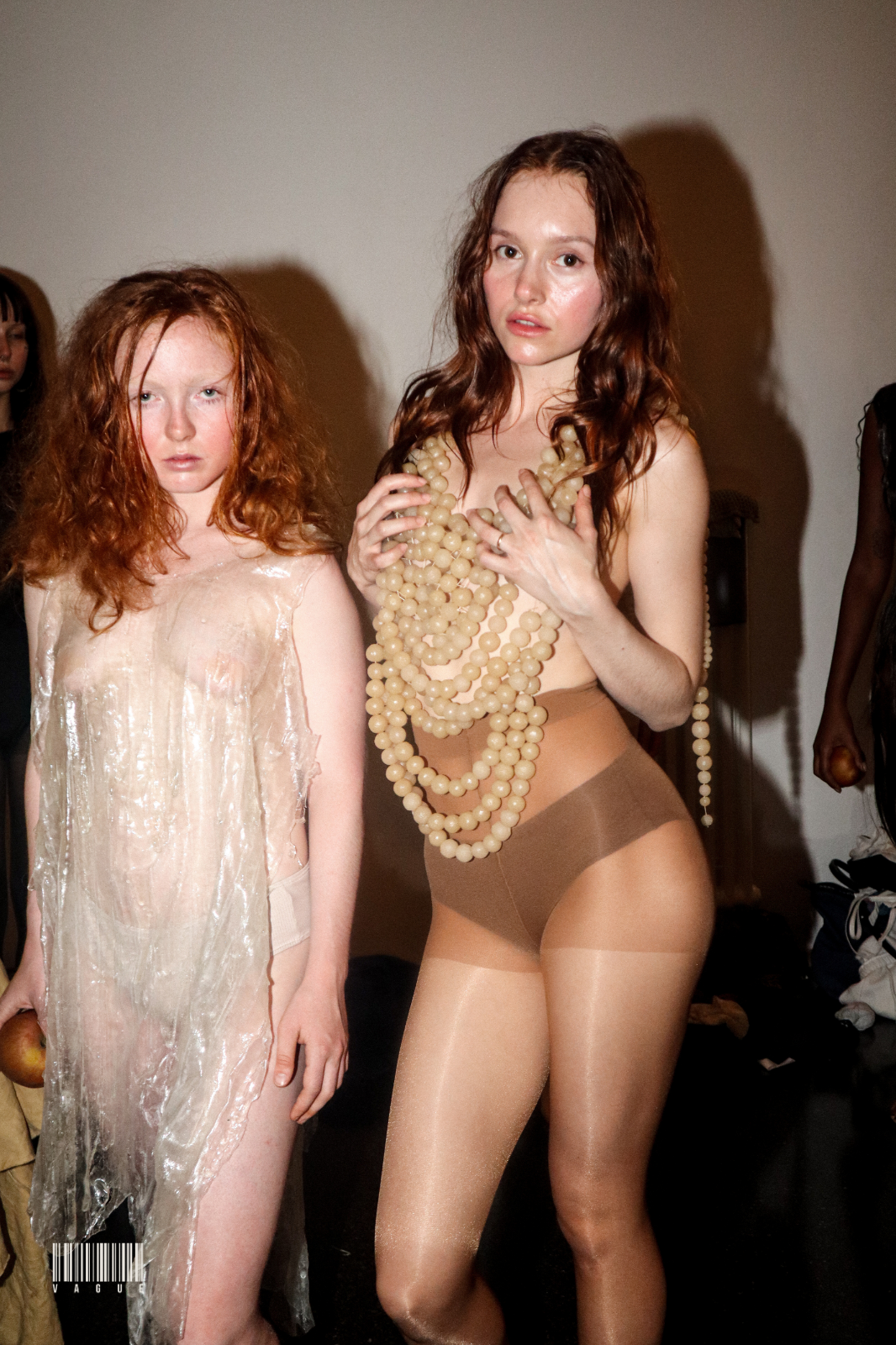
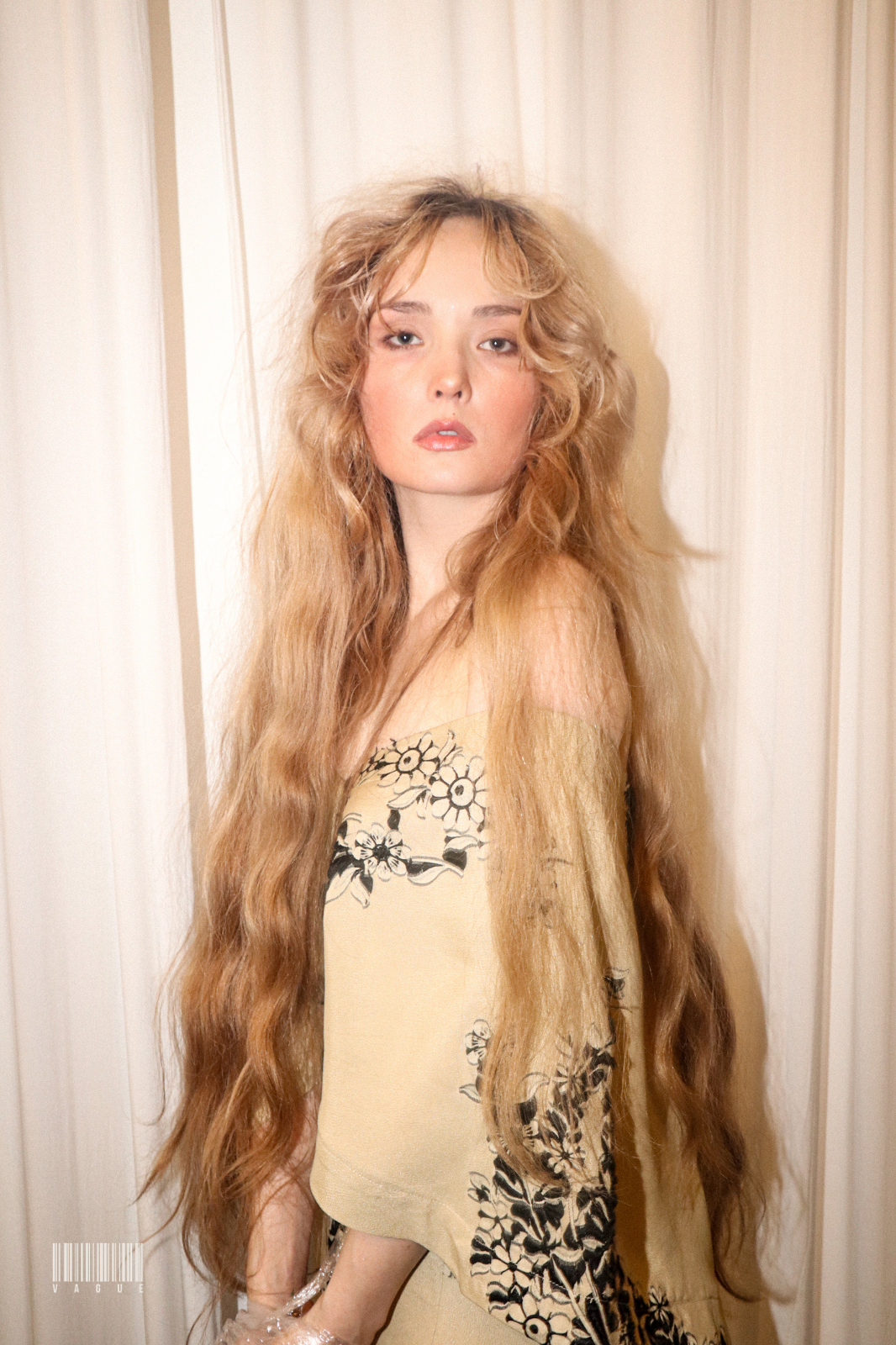
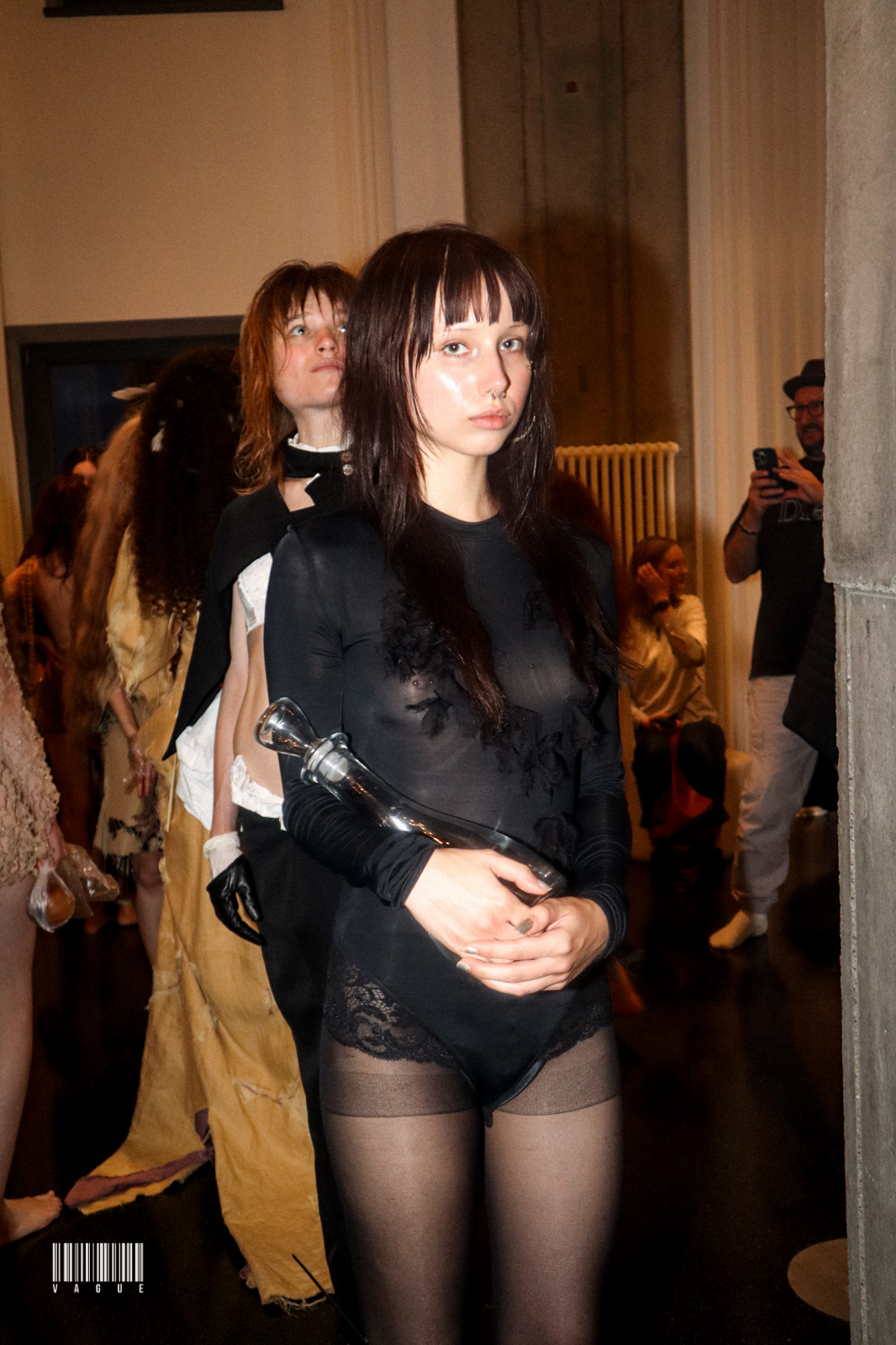
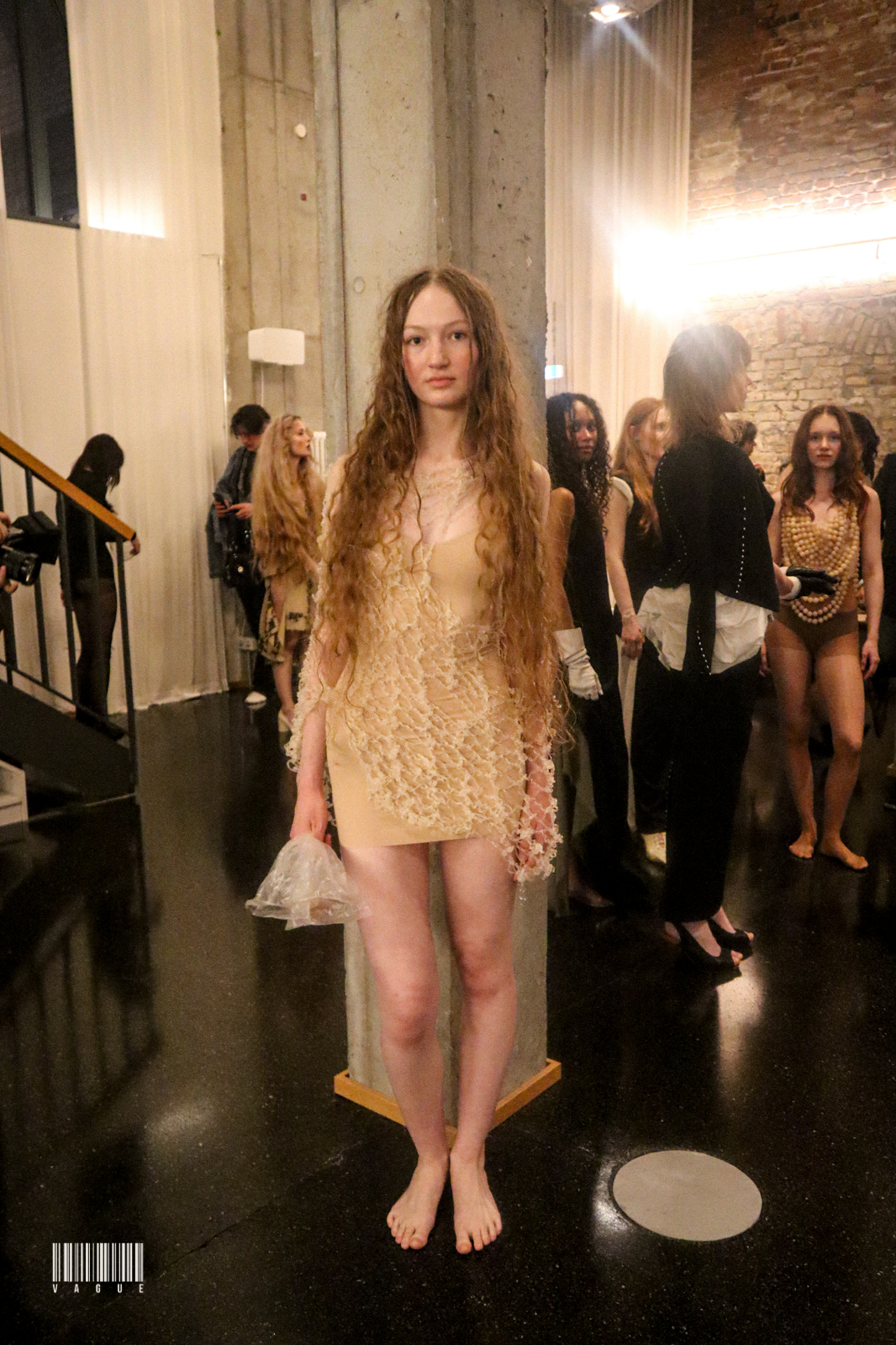
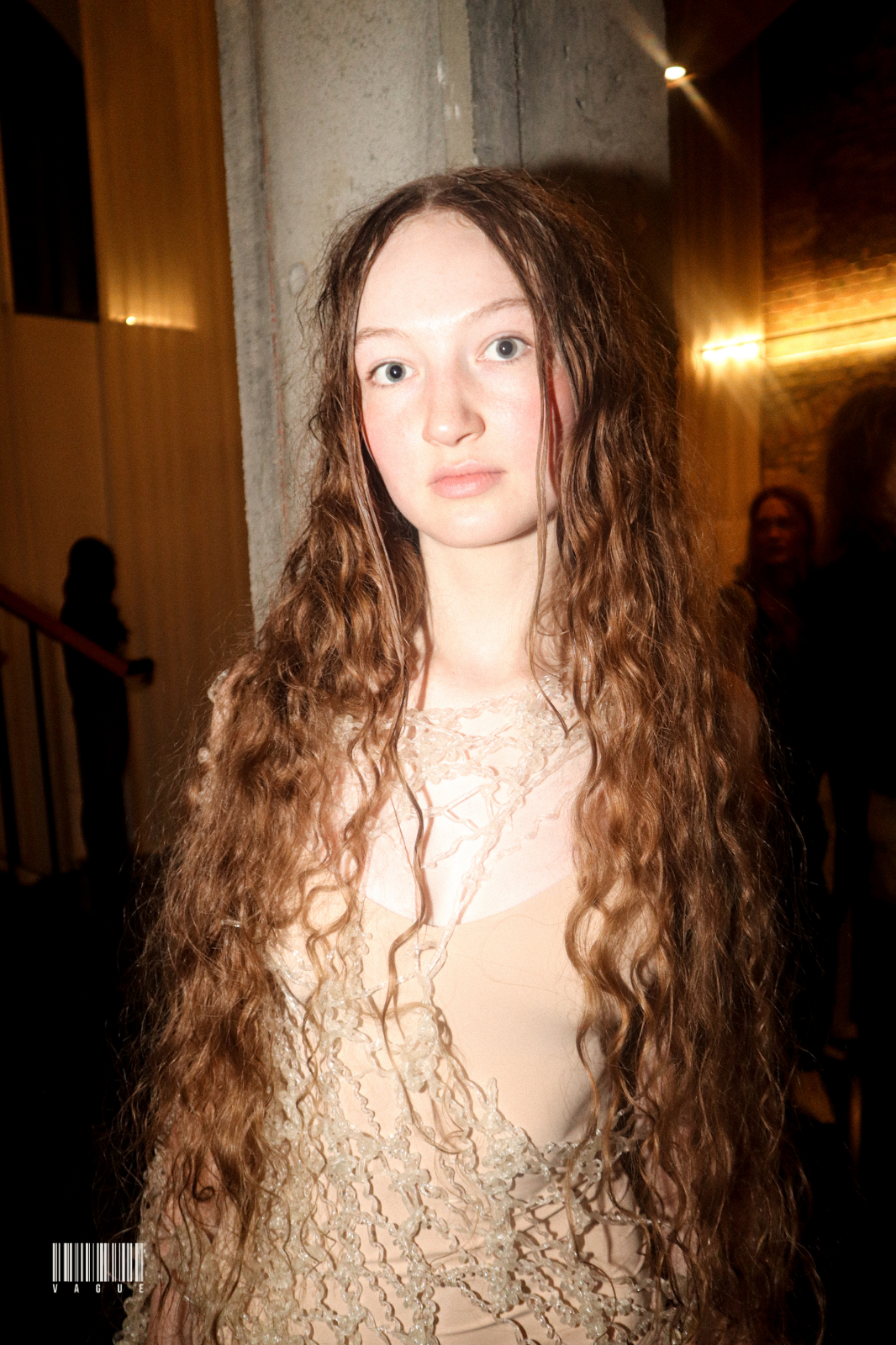
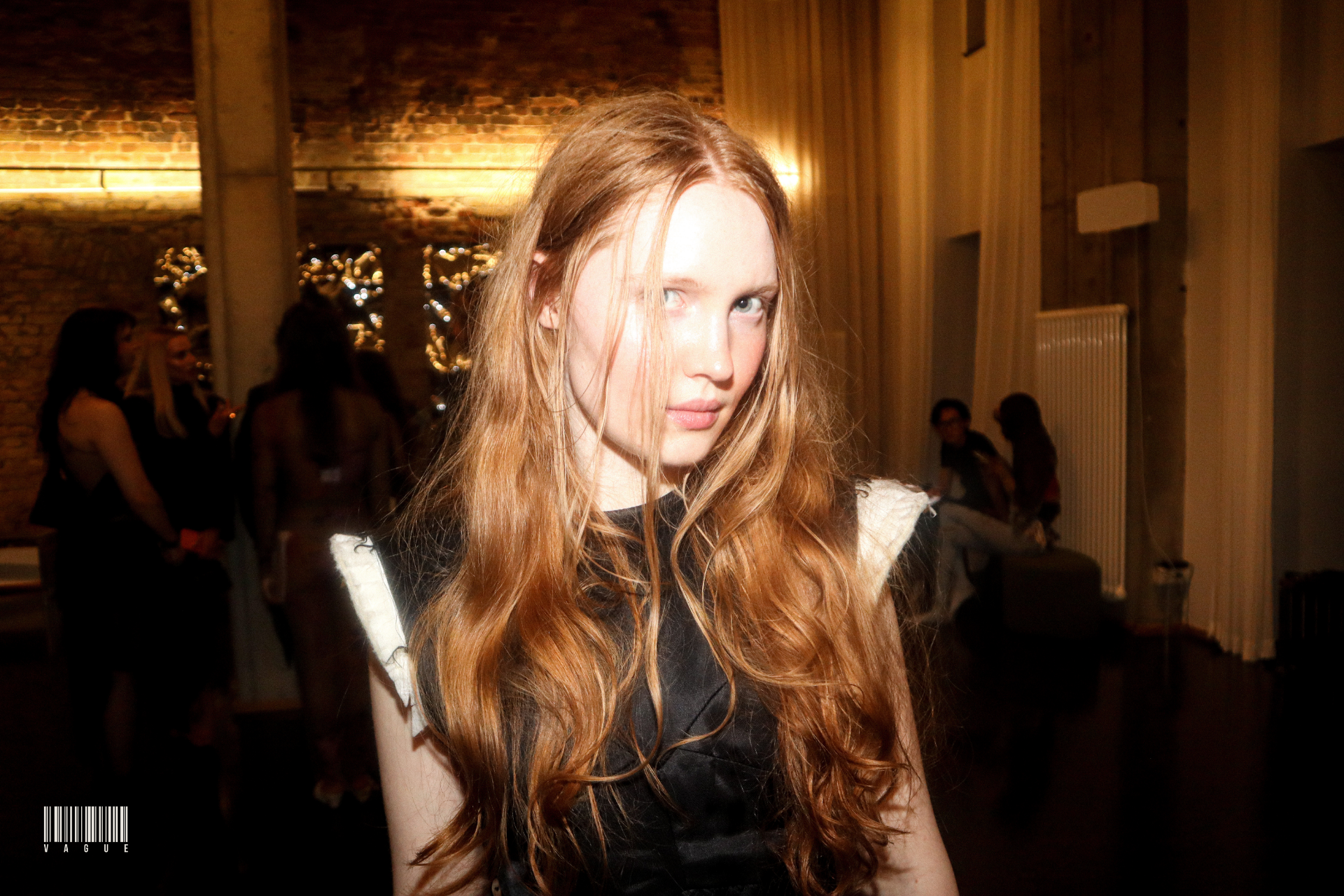
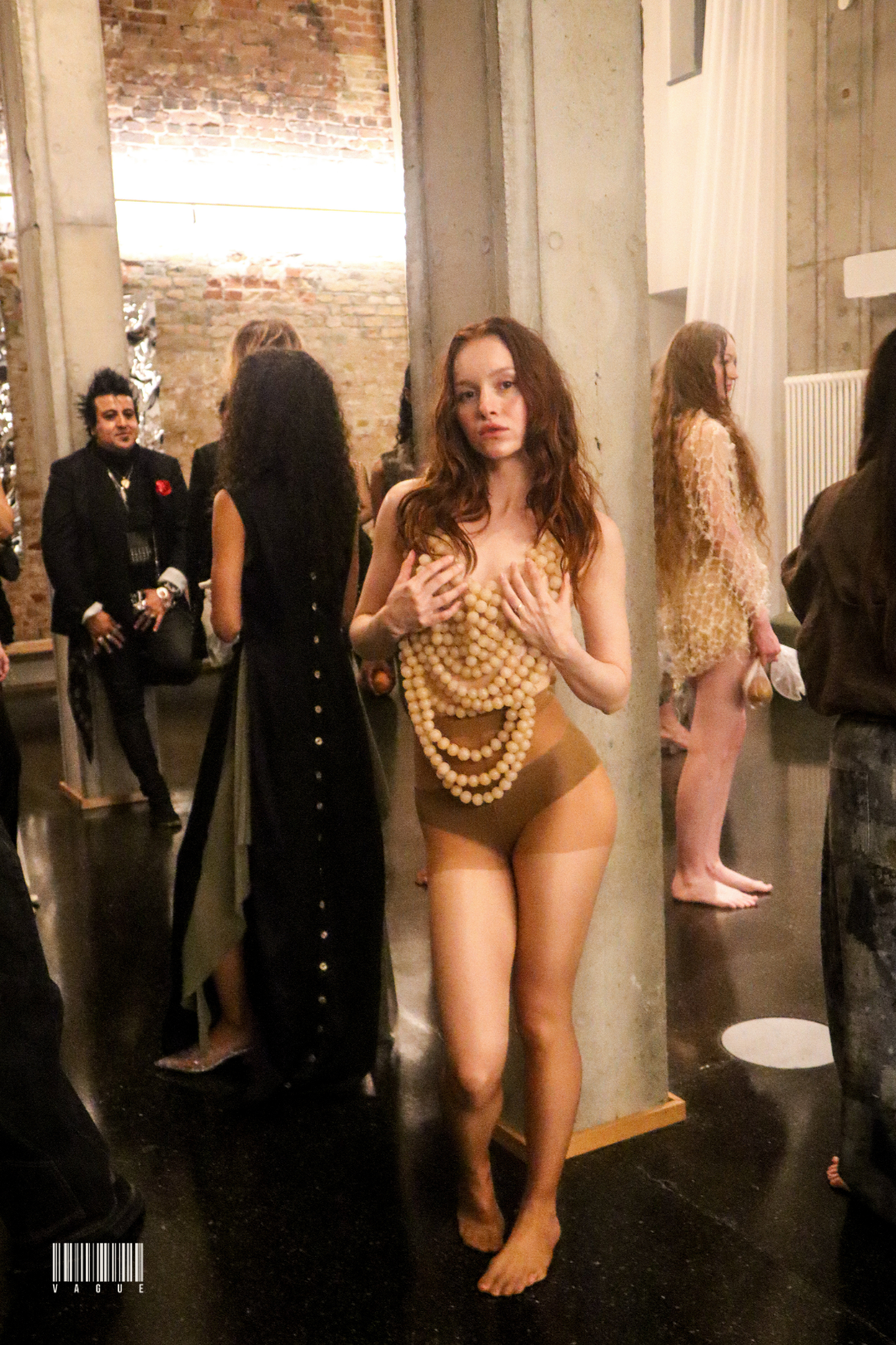
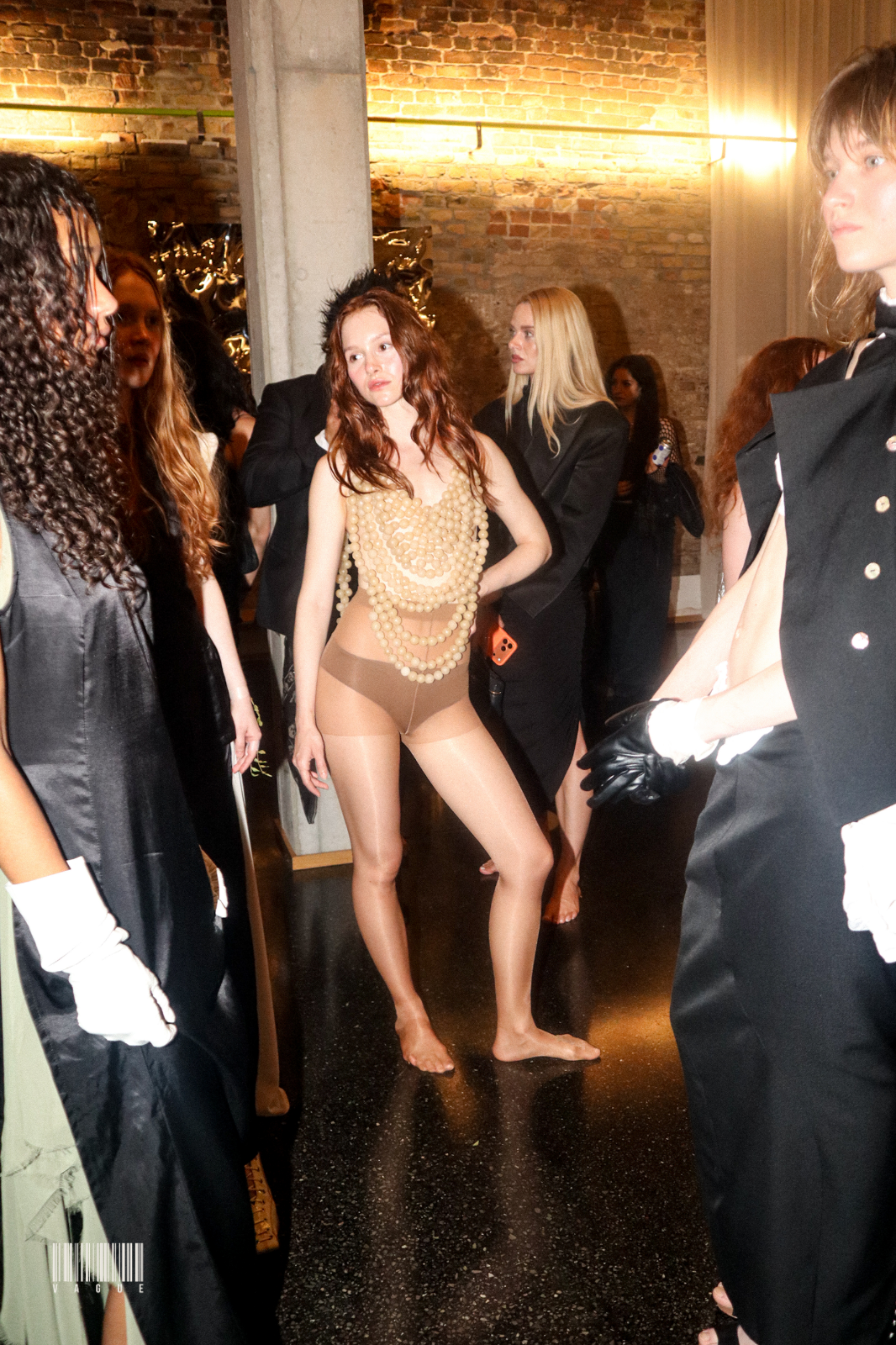
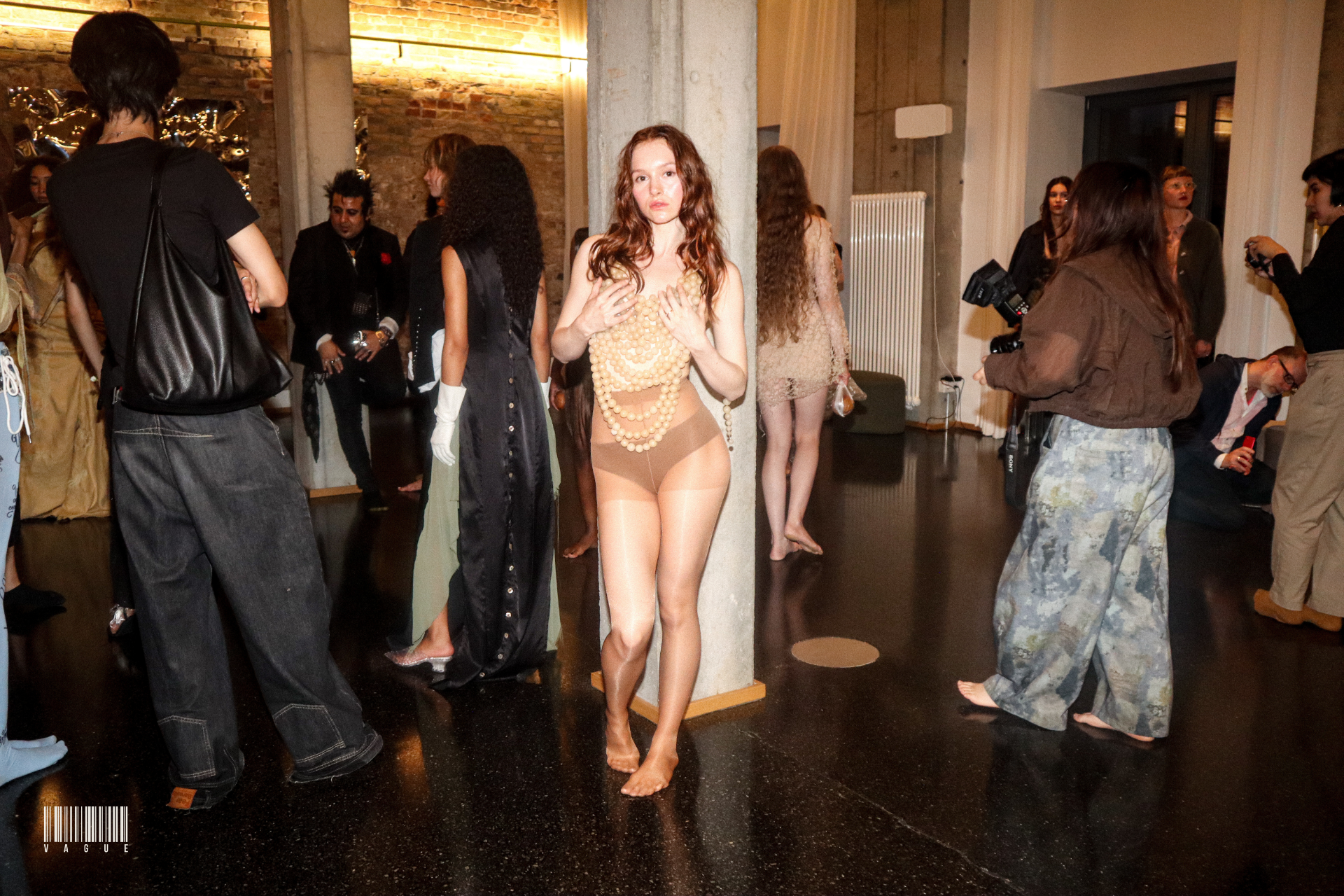
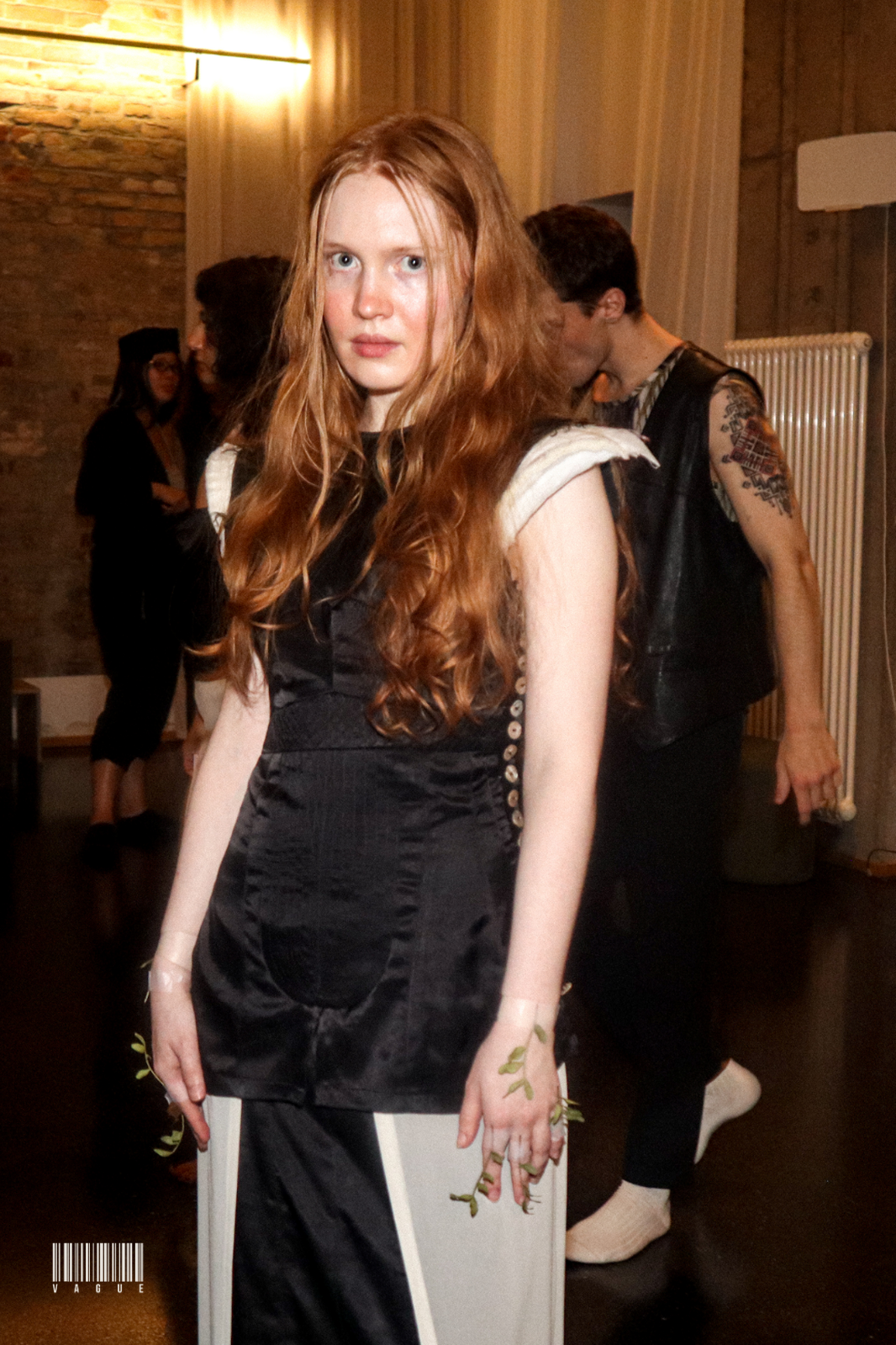
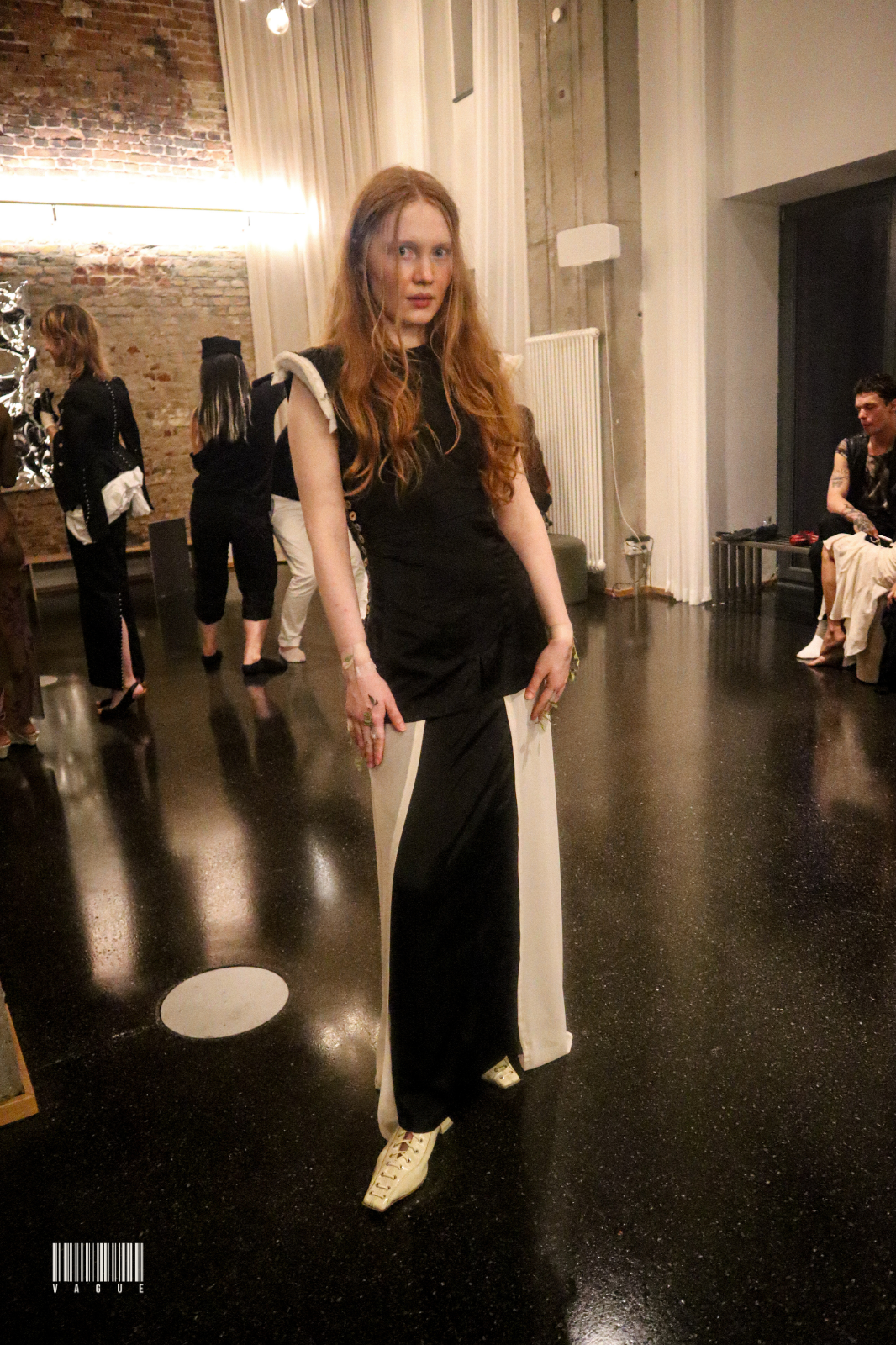
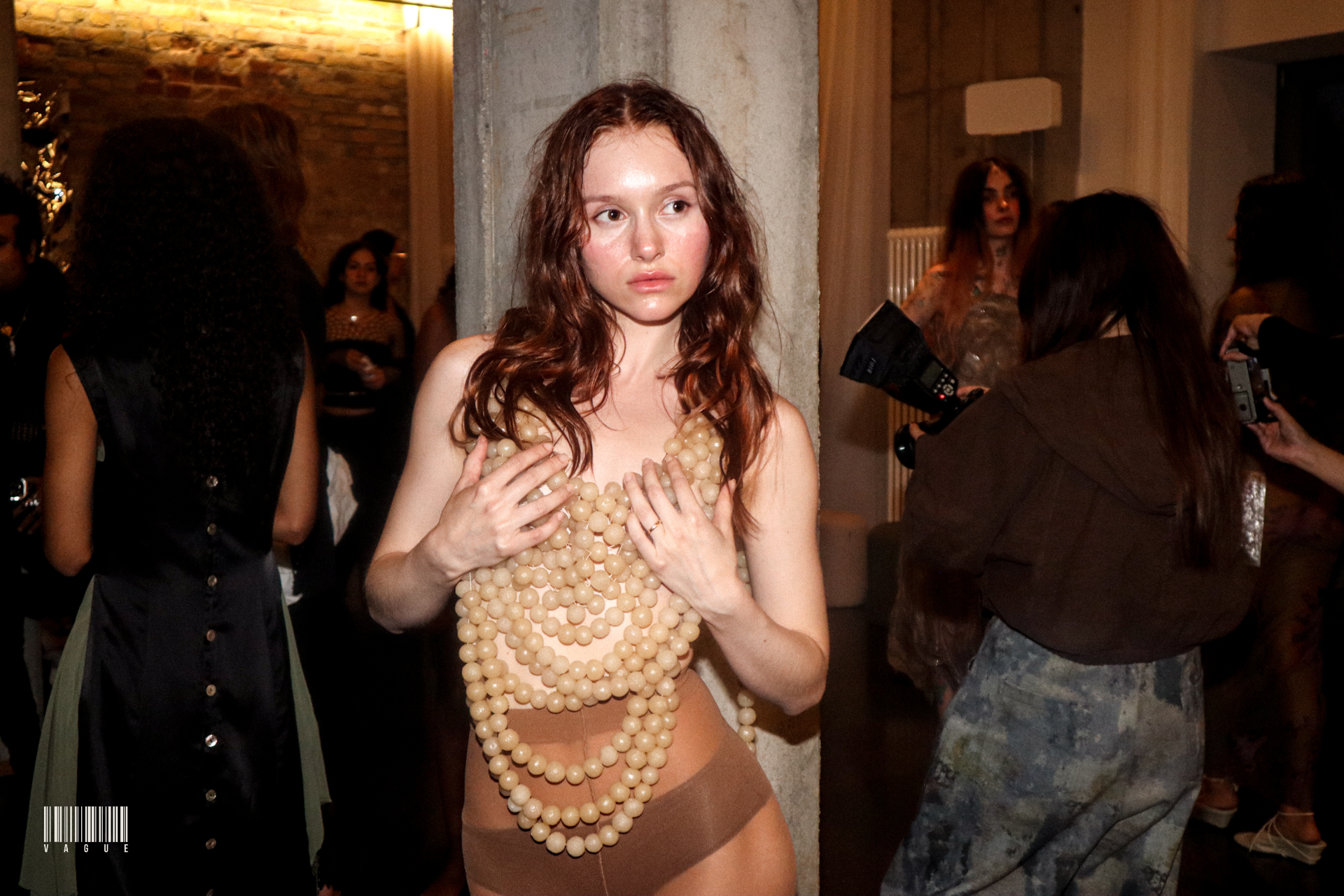
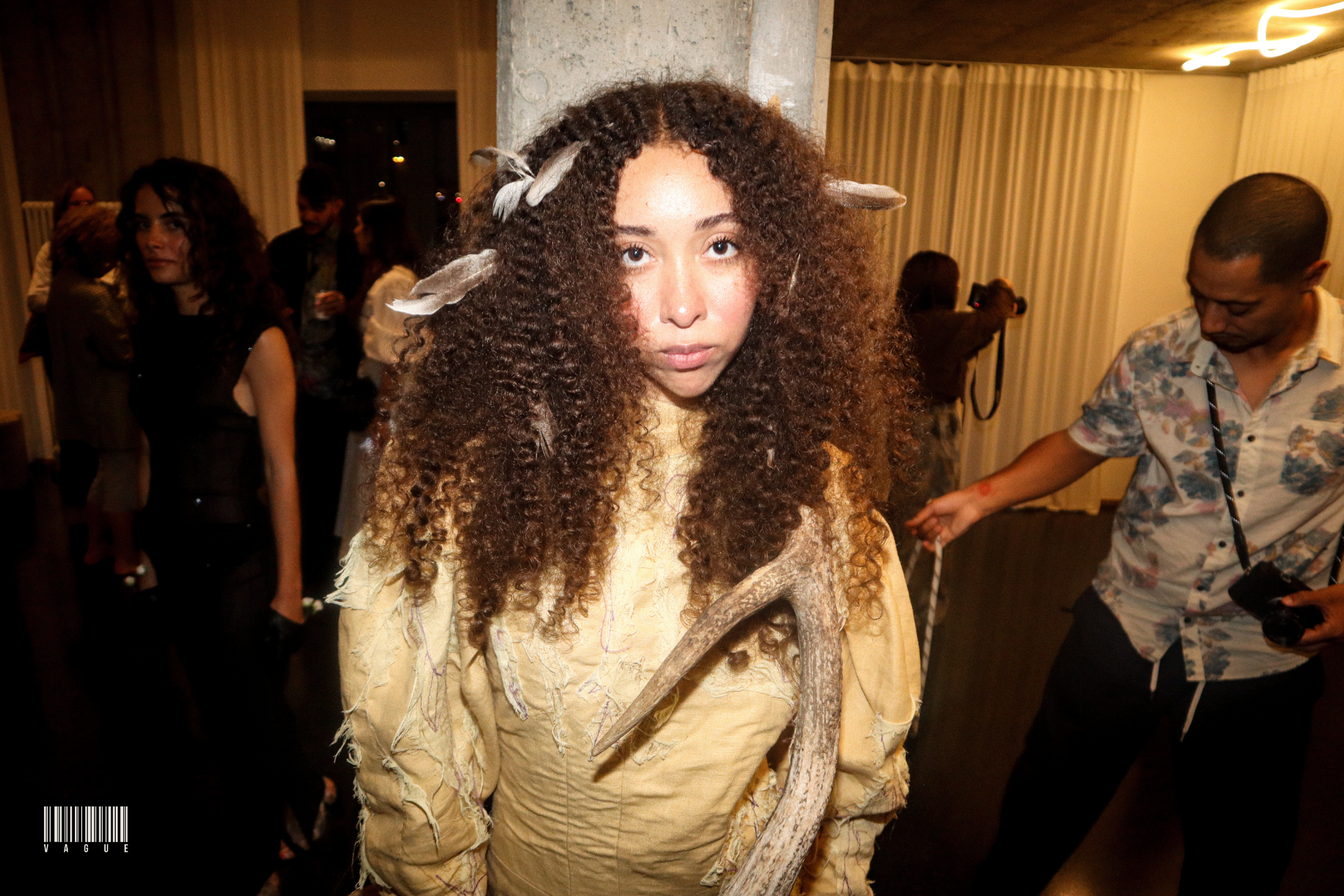
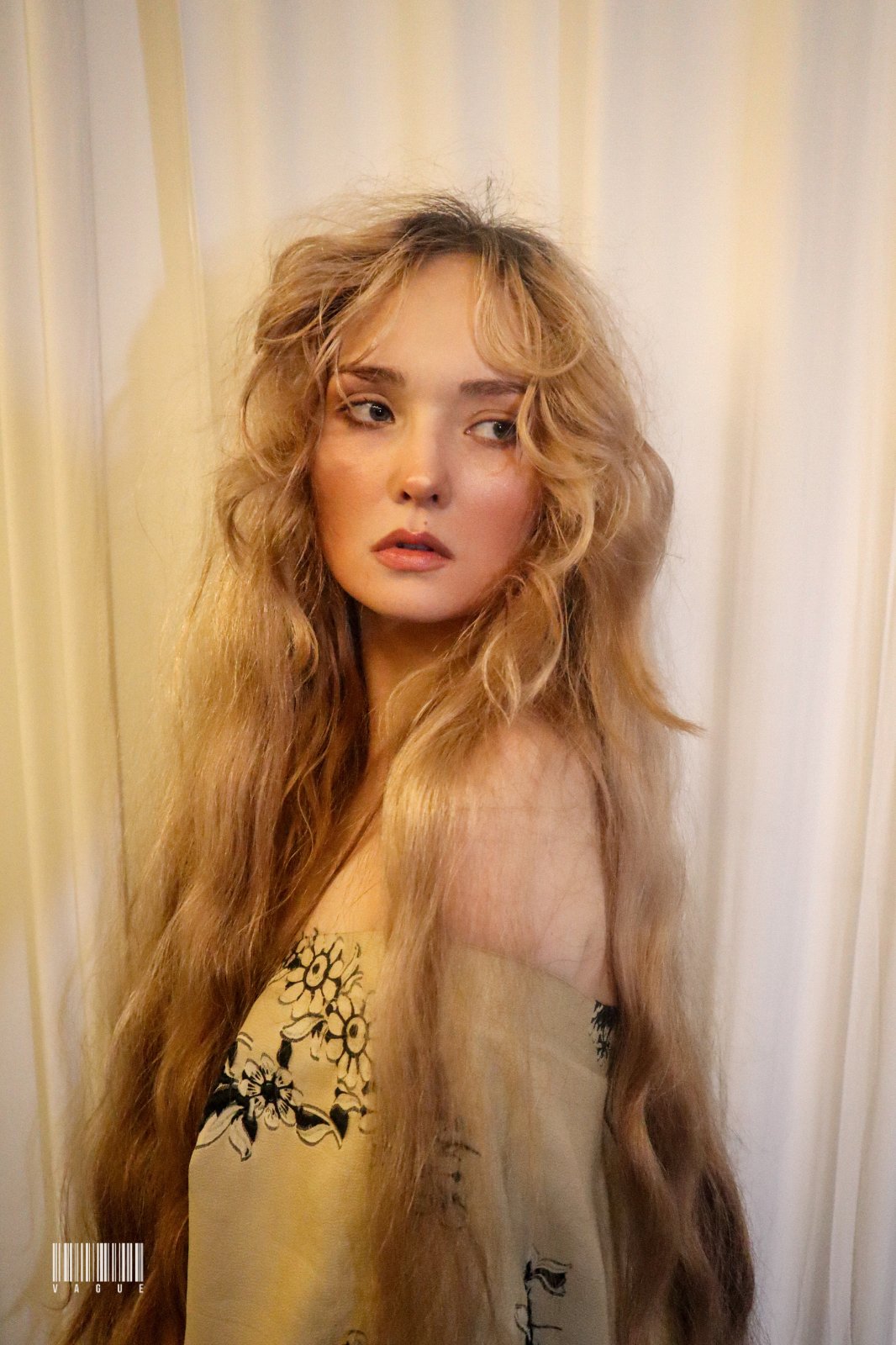
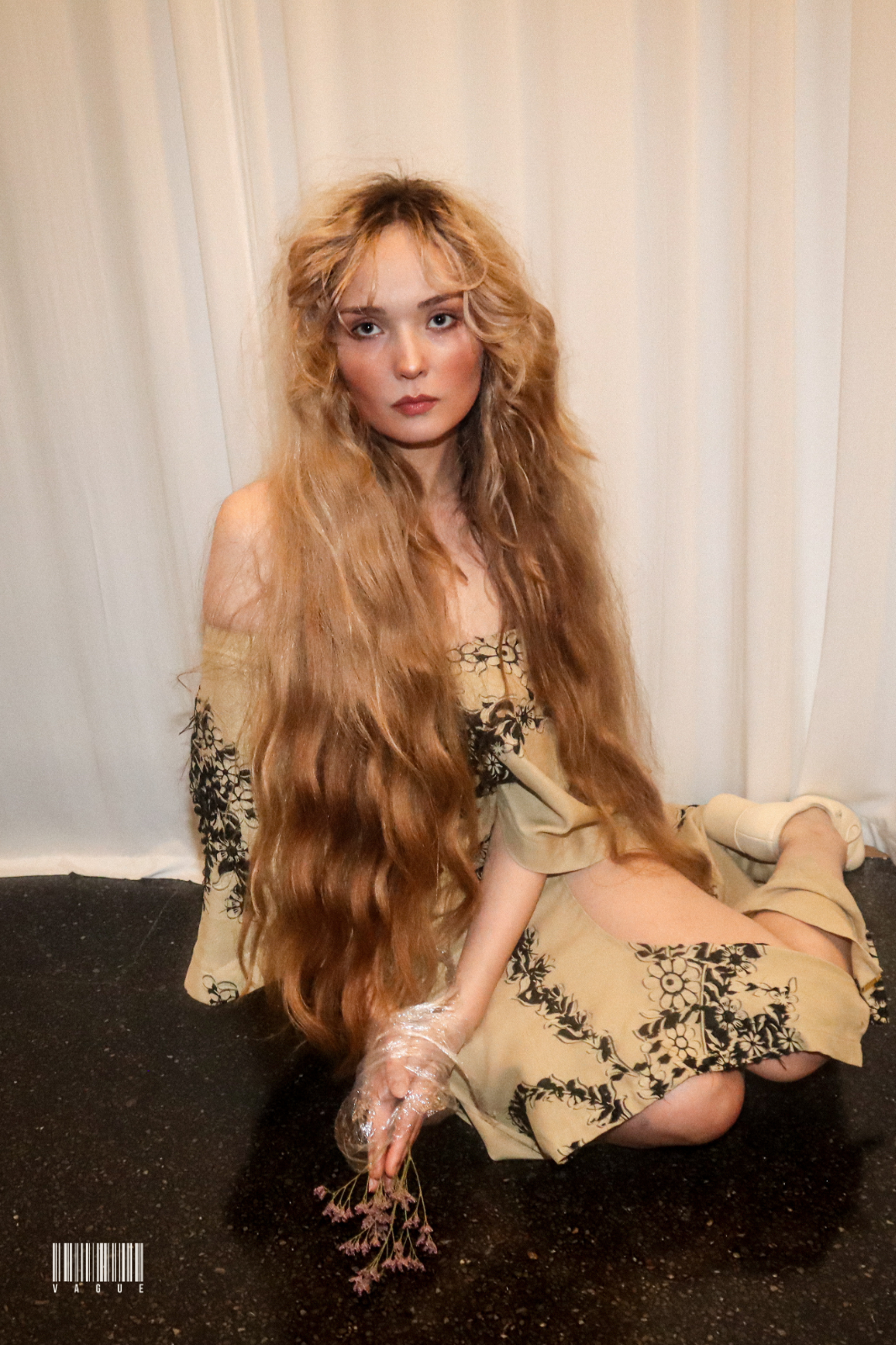
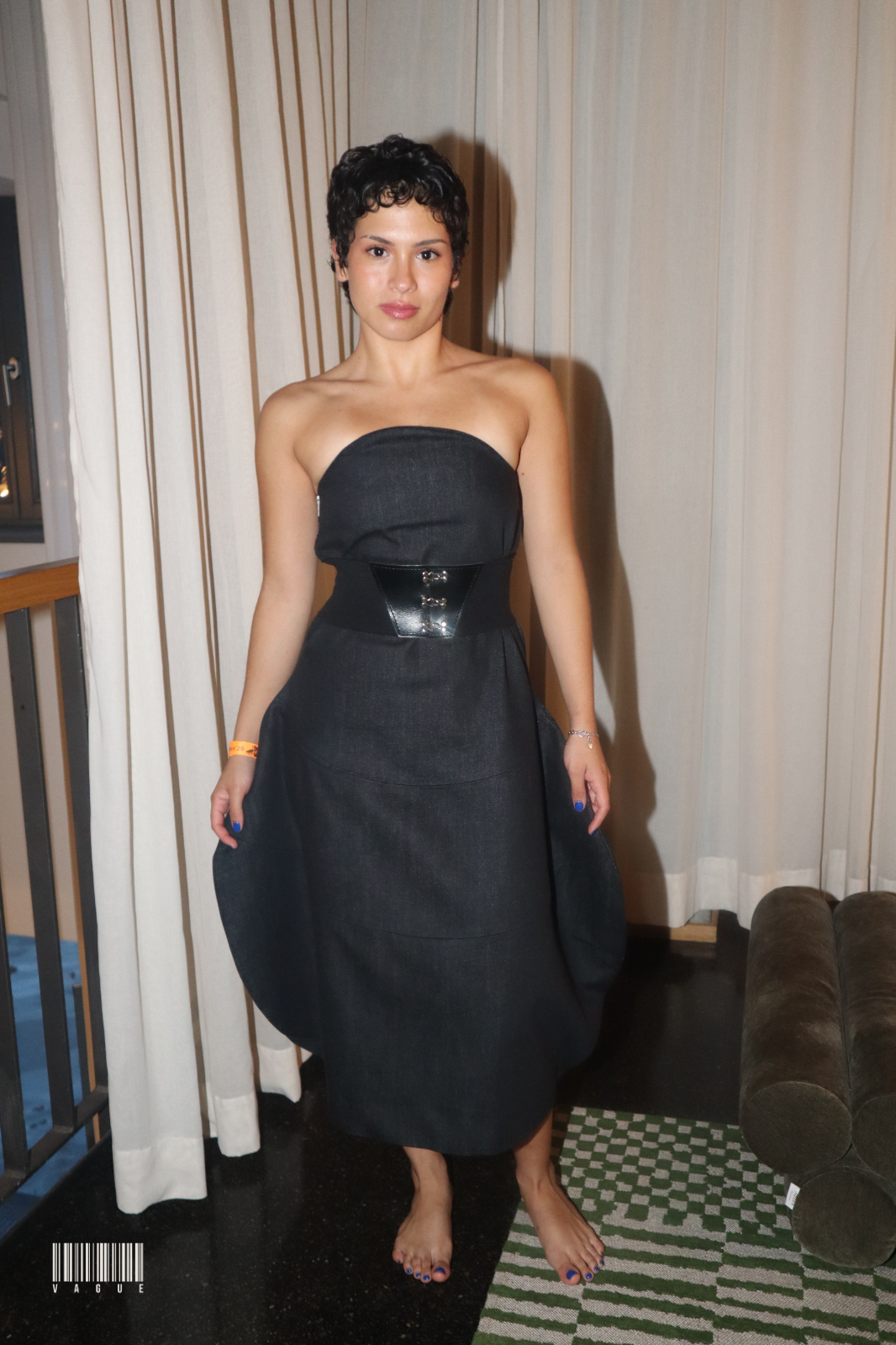
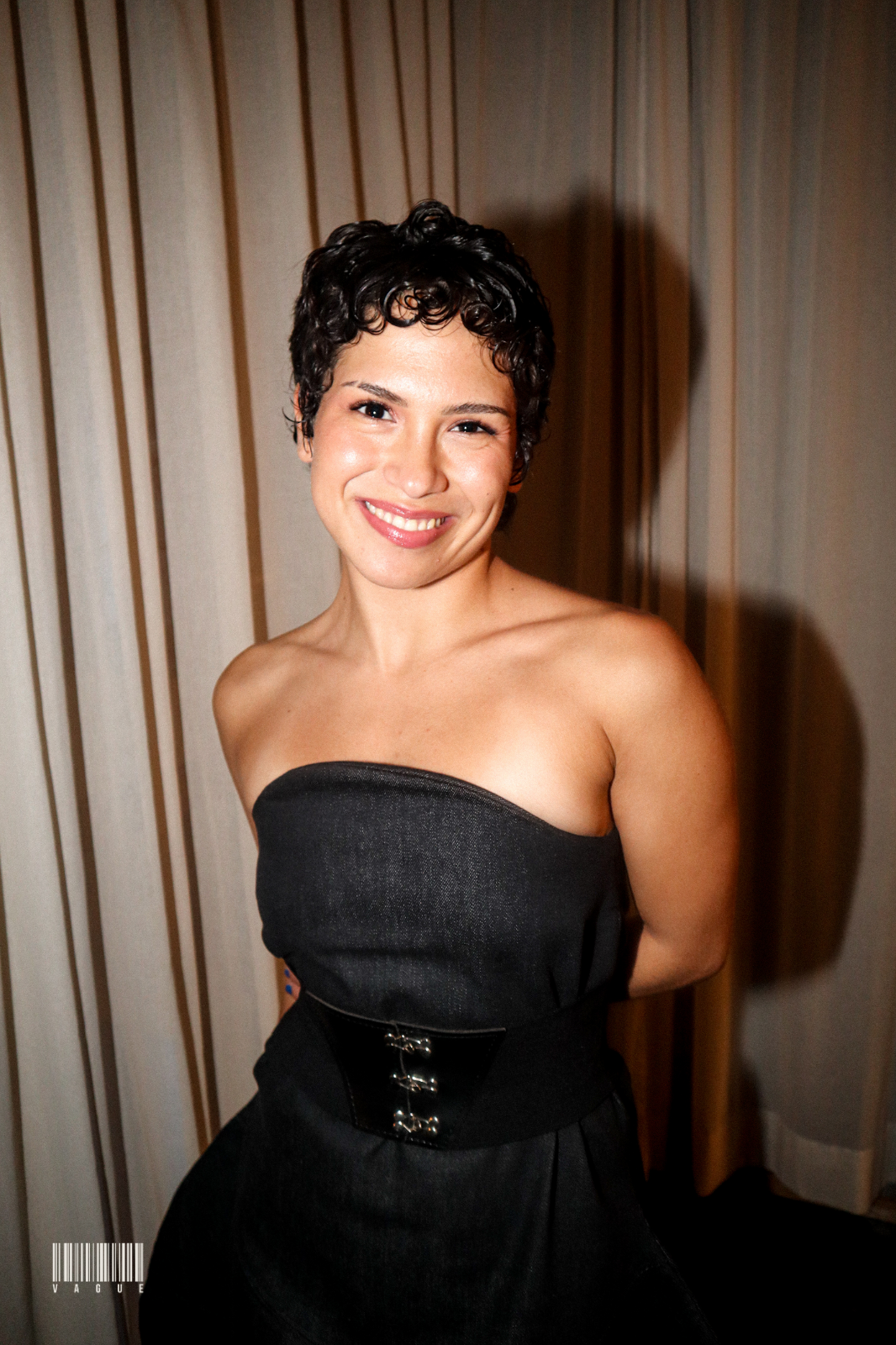
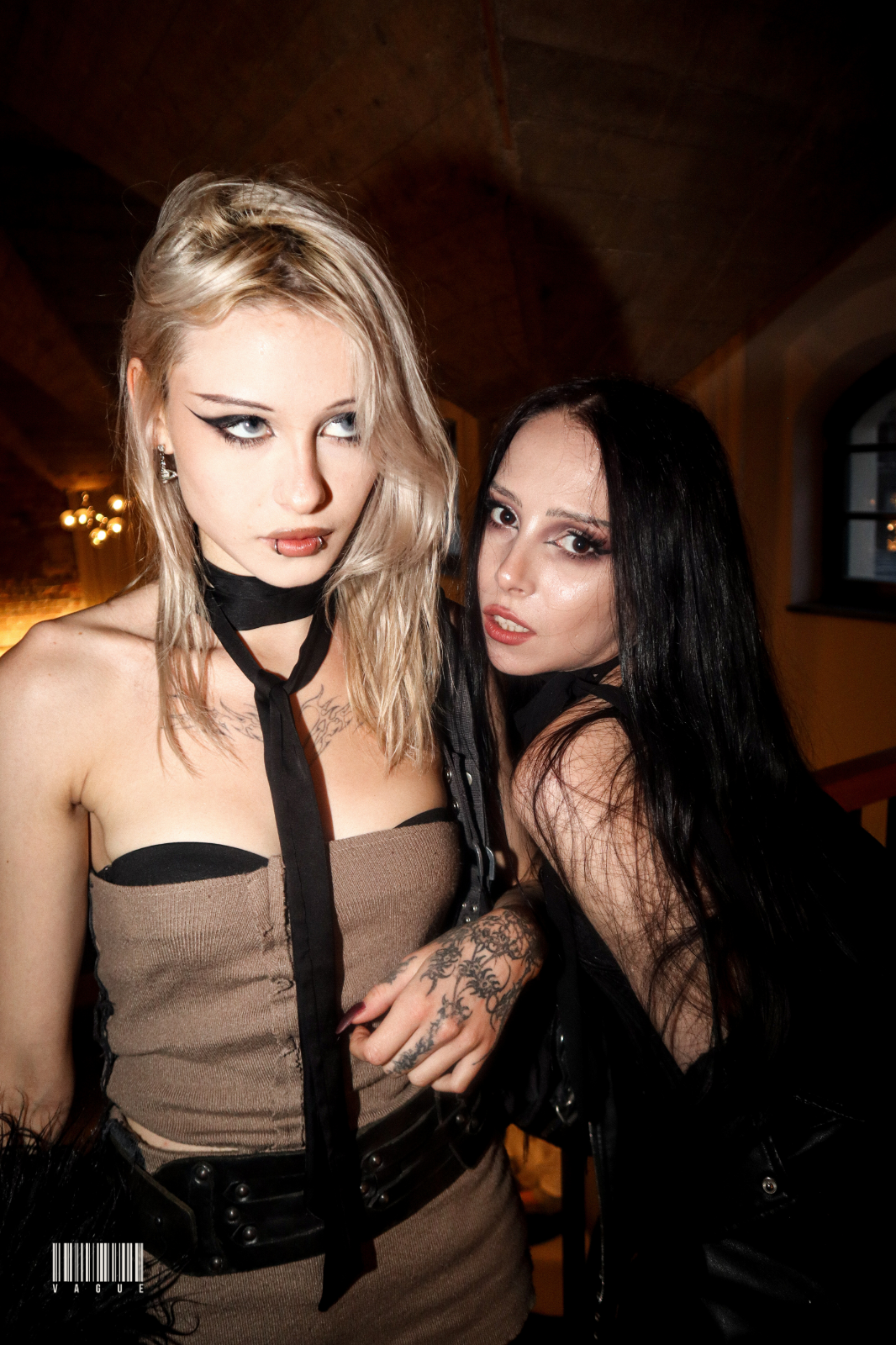
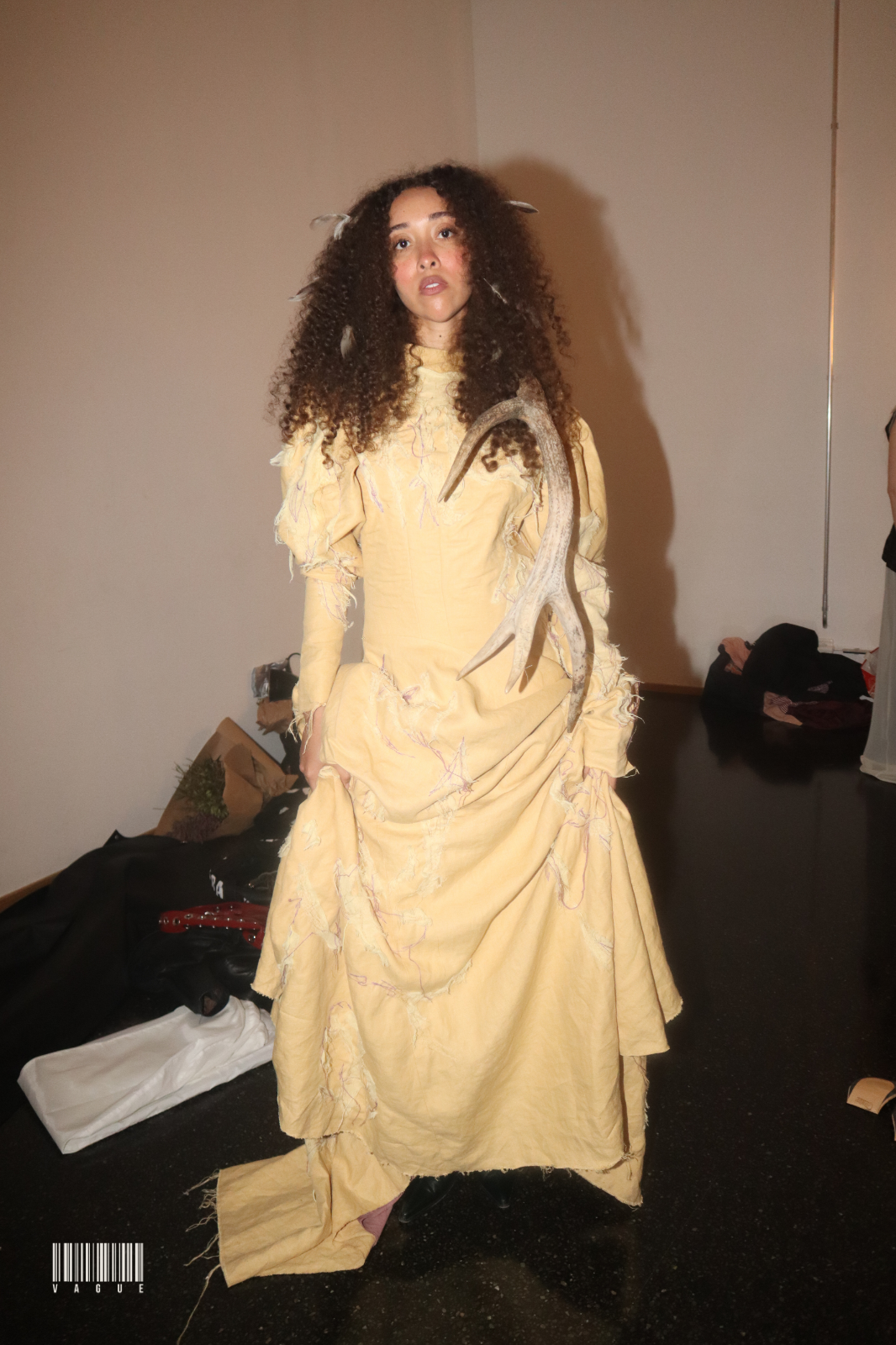
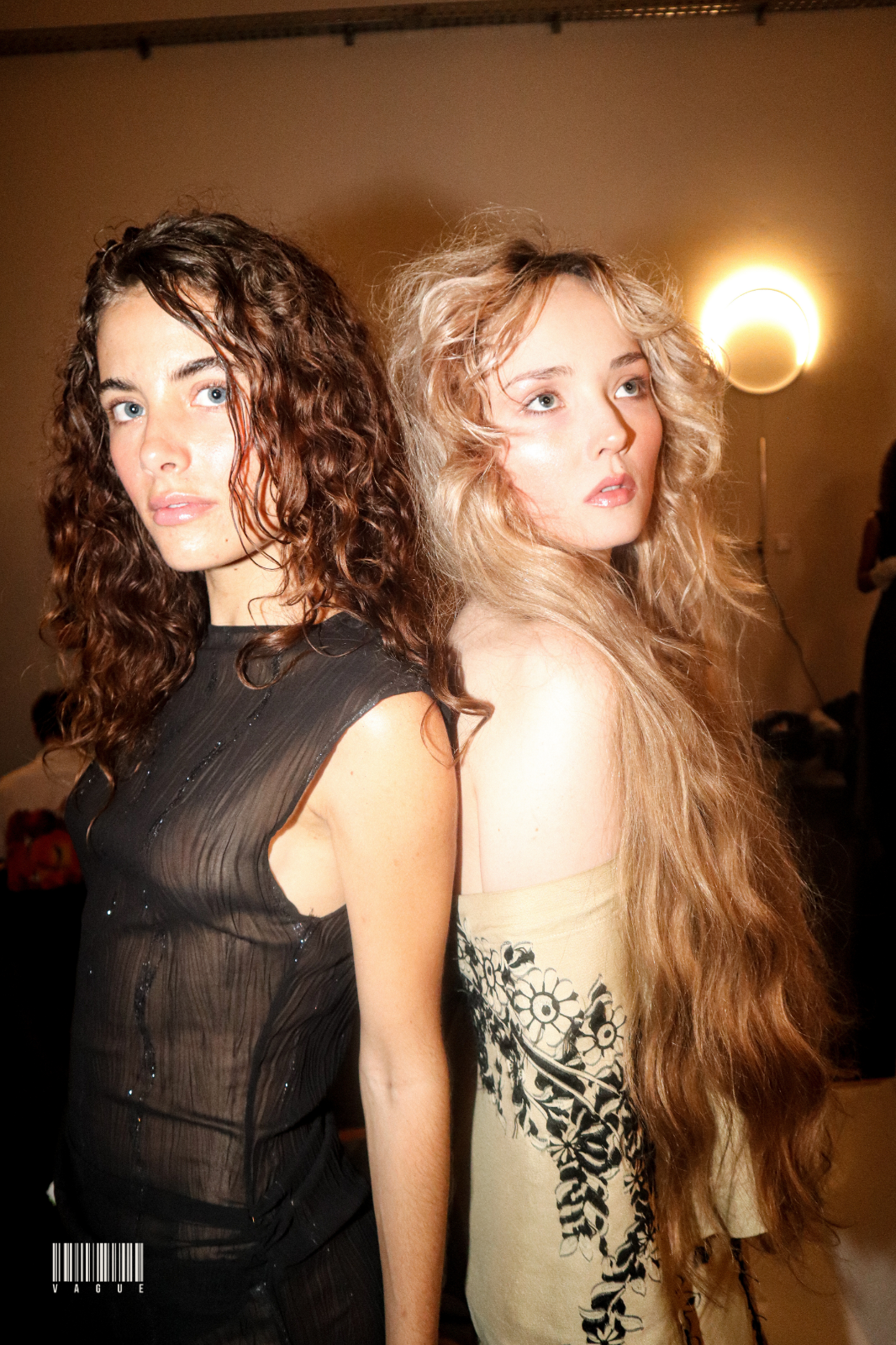
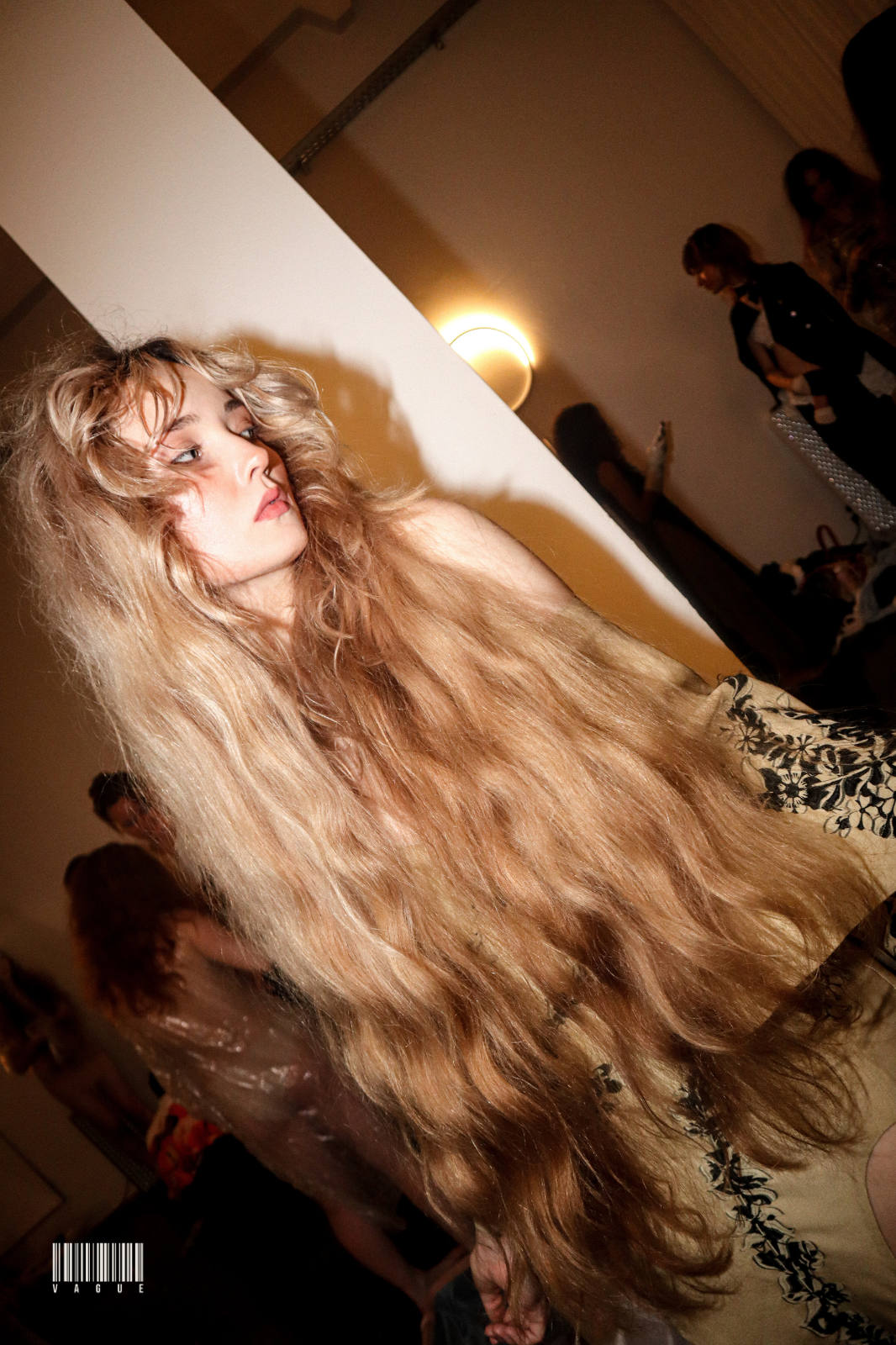
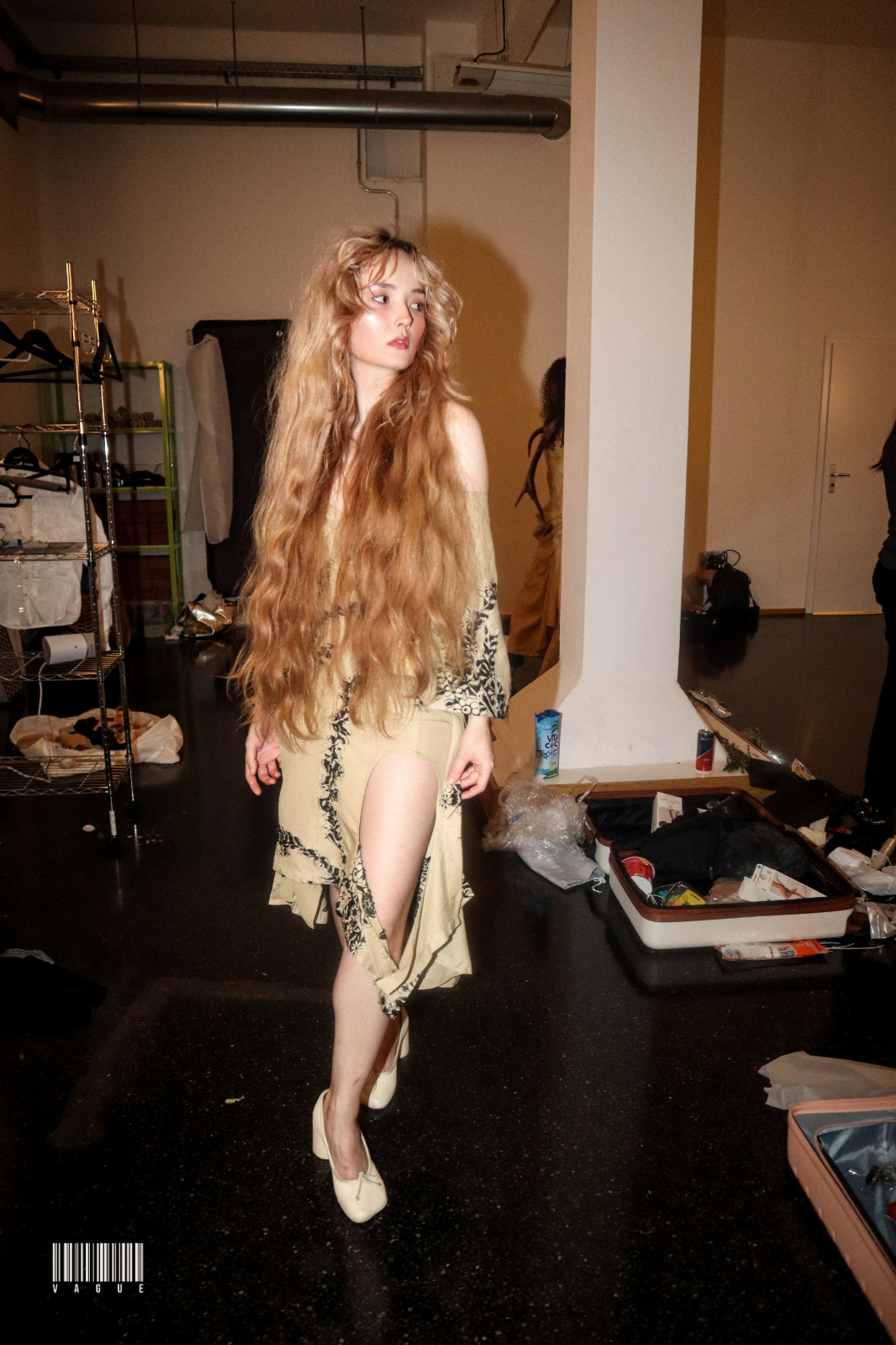
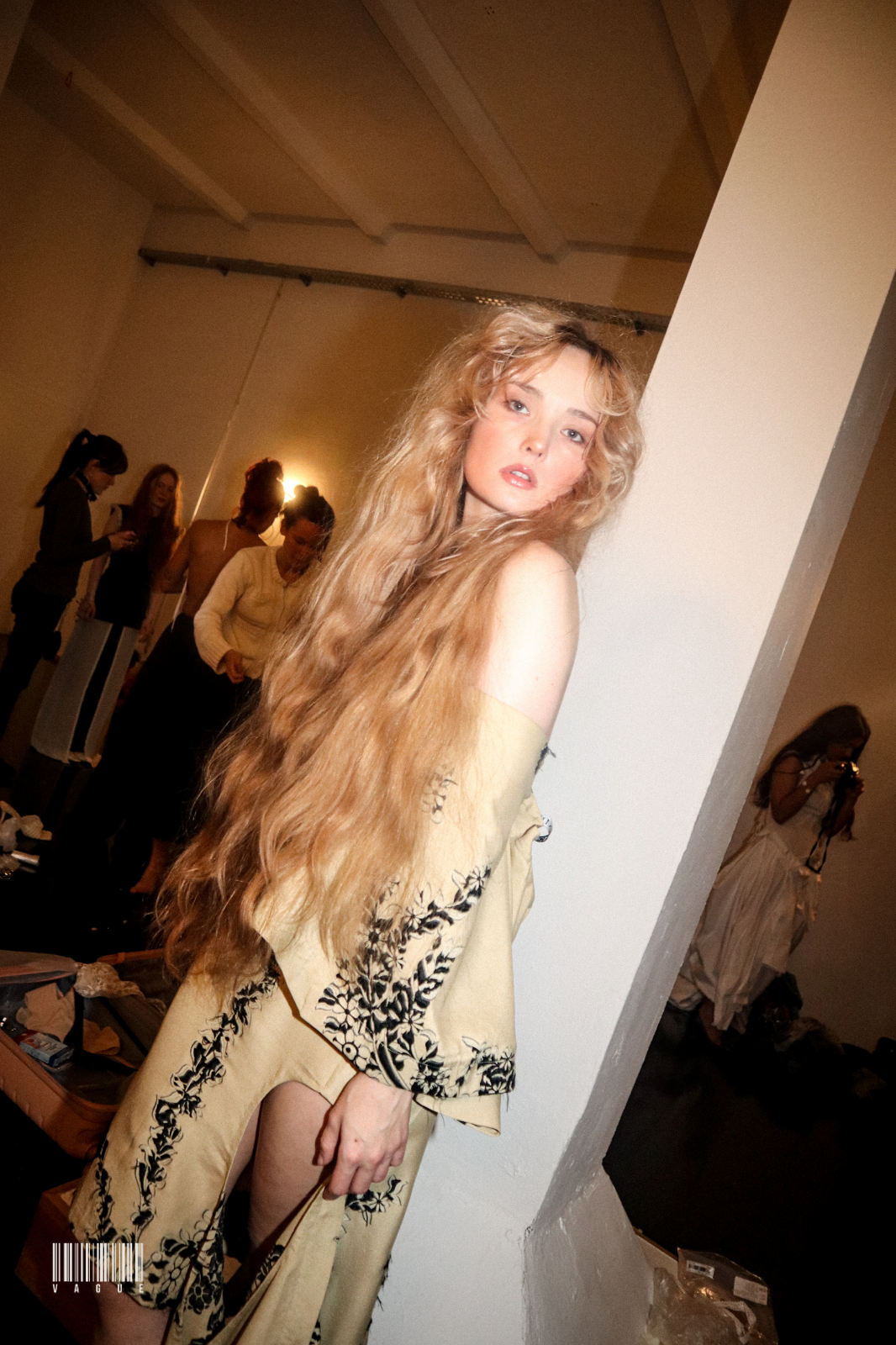
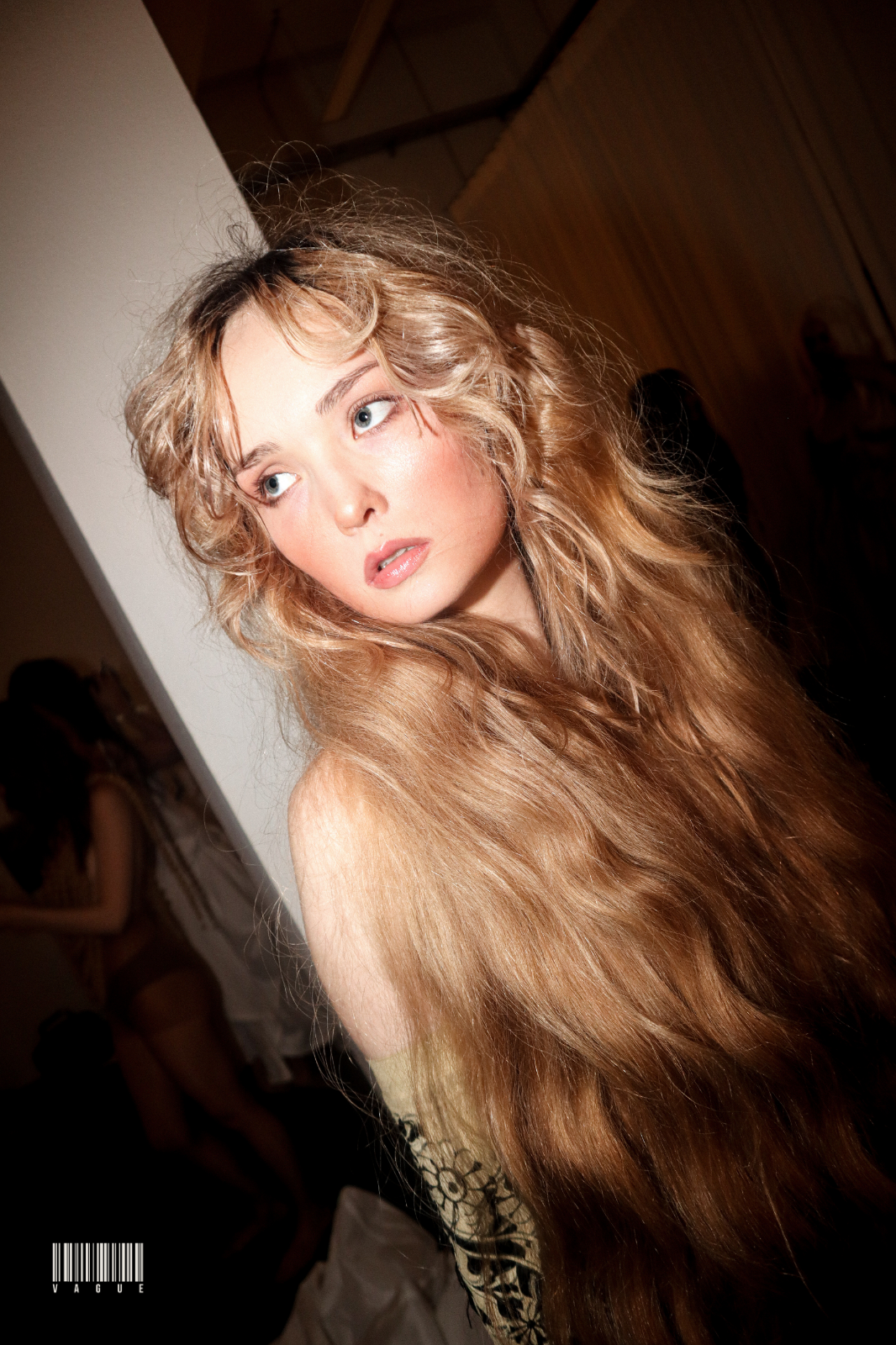
As the name suggests, the group show produced and cast by ANTISUPERMODEL’s Sophie Masharaki builds its premise on the popular biblical story of Eve, specifically the moments leading up to the infamous bite. Garden of Eden — presented off the Berlin Fashion Week schedule on July 4 — opens in a state of not-yet, however drenched in inevitability. The models move through the space clothed in raw, natural materials like linen, alginate, sheer organza threaded with botanical motifs, textures that together wouldn’t look at all out of place in Middle Earth, for all its pre-industrial charm and bootstrap mentality. In Eden, there is no shame. There is no pretence or self-consciousness. The show roots its concept in slowing and inhabiting this transient state of innocence before the knowledge that ultimately destroys it.
A tale universally known, the Bible’s Garden of Eden narrative has spent most of its cultural life being weaponized against femininity: Eve as the weak link, curiosity as a gateway drug to contamination, knowledge as the thing women were never supposed to desire for fear of ruining everything for everyone else. But in this presentation, Eve's choice suffers not from condemnation, nor is it celebrated either. It is simply slowed down, drawn out, suspended in time for close inspection of any parallels with a different context entirely; one wherein the apple has been replaced by something far more contemporary and far less easily undone: the algorithm, the feed, the search engine, the artificial intelligence. Unlike the warnings Eve received, the forbidden fruit of the modern world was never taboo. You don't have to reach for it. It’s handed to you, optimized for your particular thumb.
Five designers across five cities — Alisa Tegin from Vienna, Gautamma from Berlin, Hannah Pekarz from Linz, J.A.I.W. from Hamburg and Julie Ehme from Paris — share the show's runway and its conceptual terms, each bringing a distinct material authority to the question of what it means to dress a body in a state of unknowing.
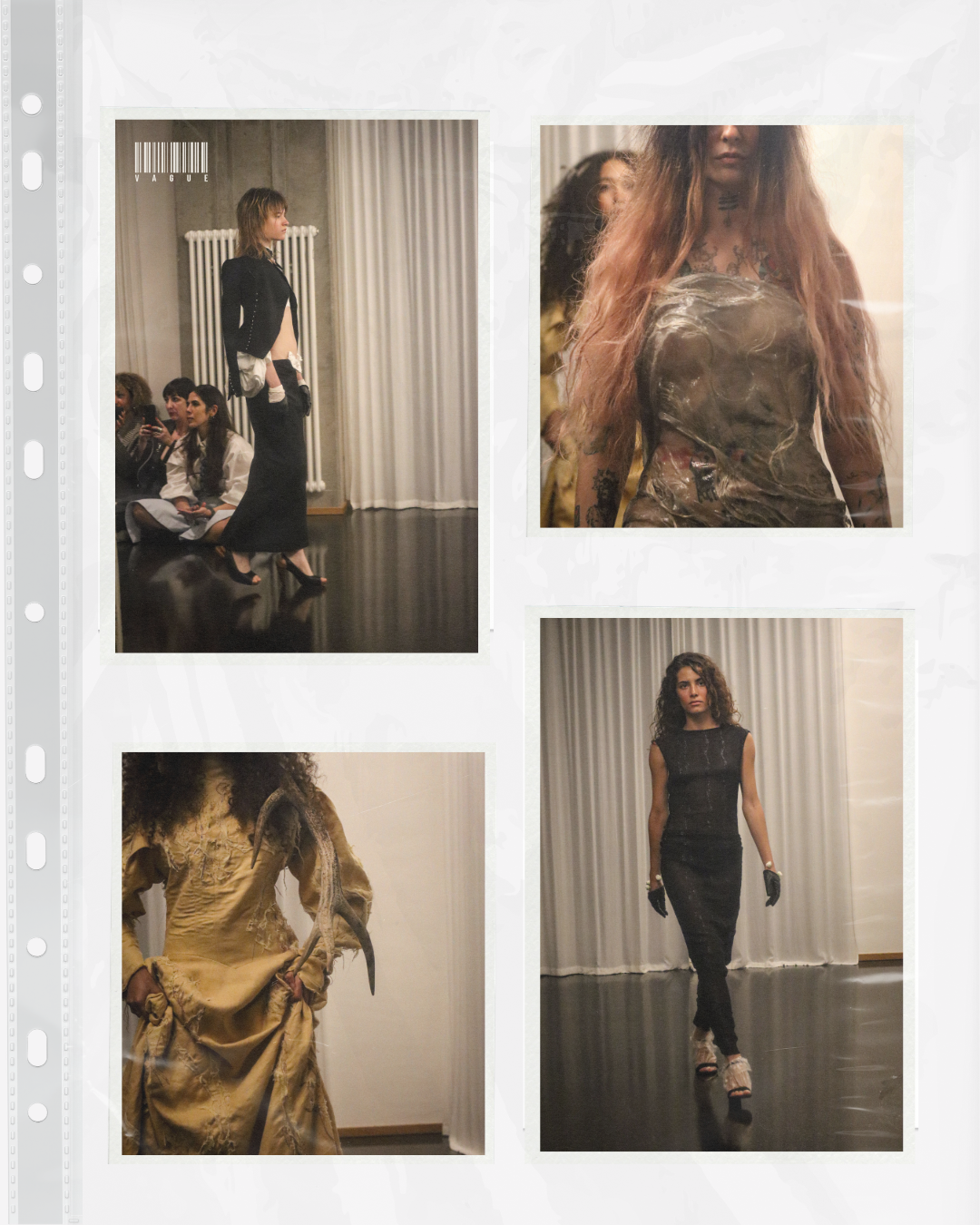
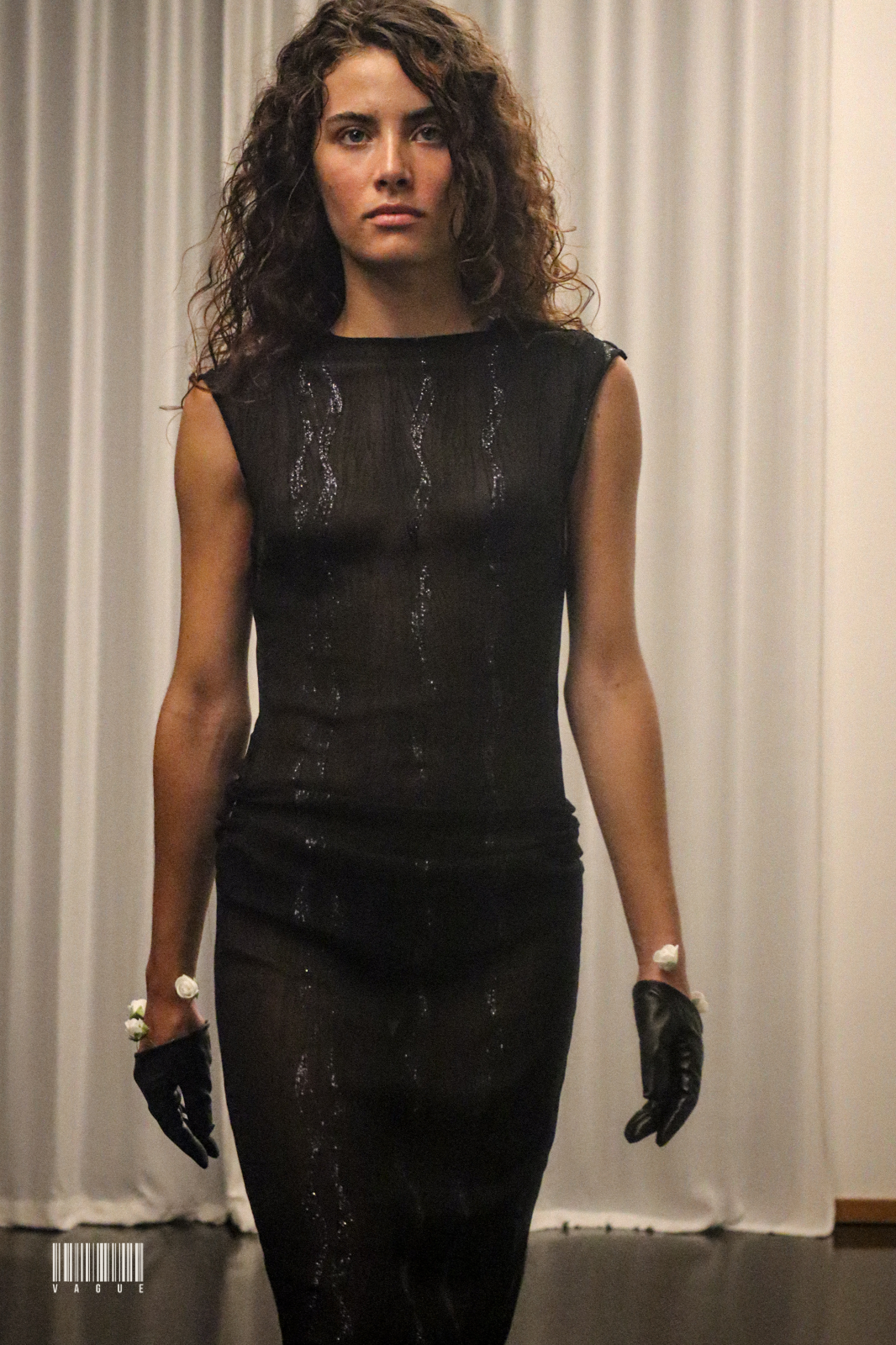
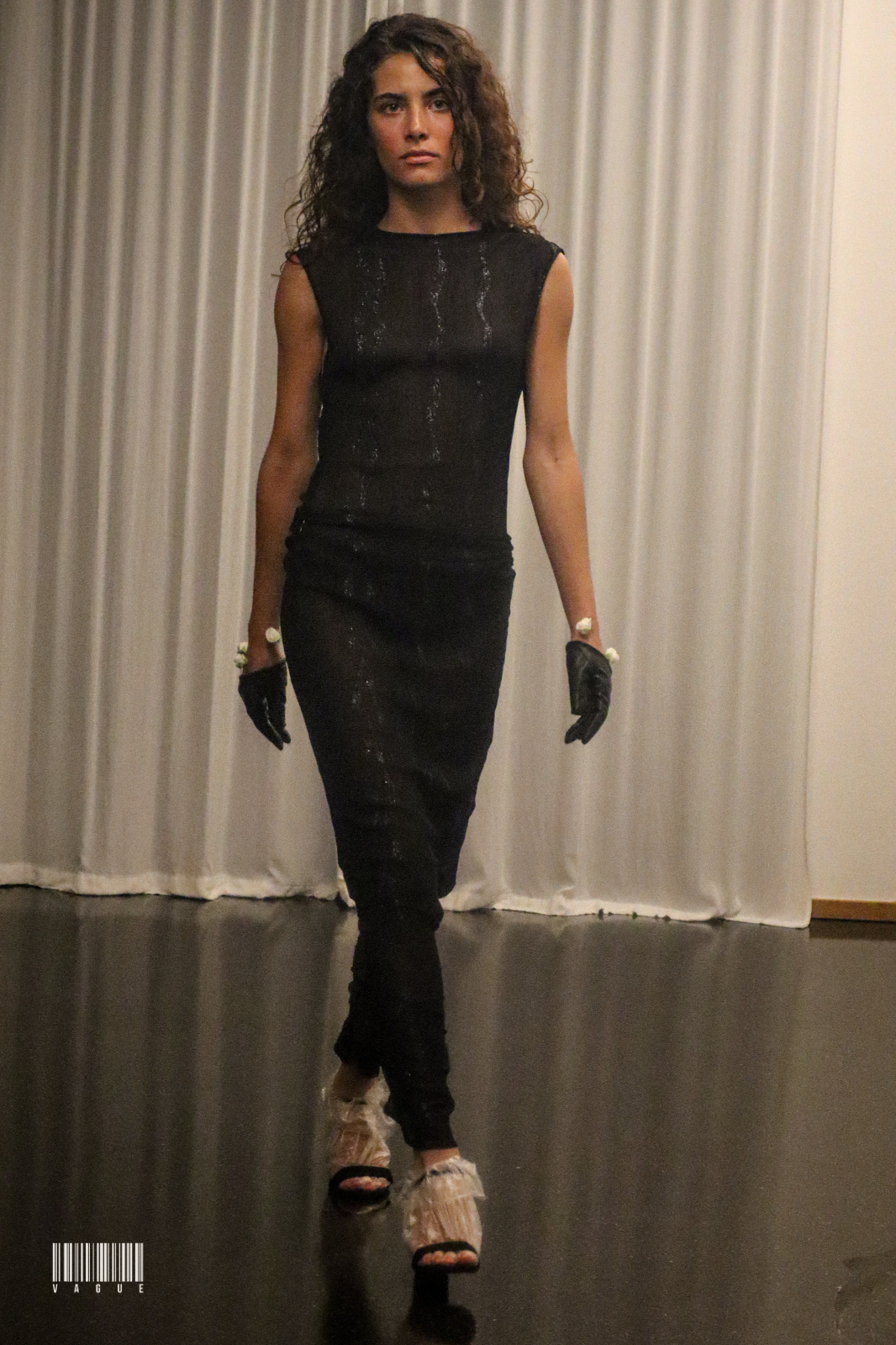
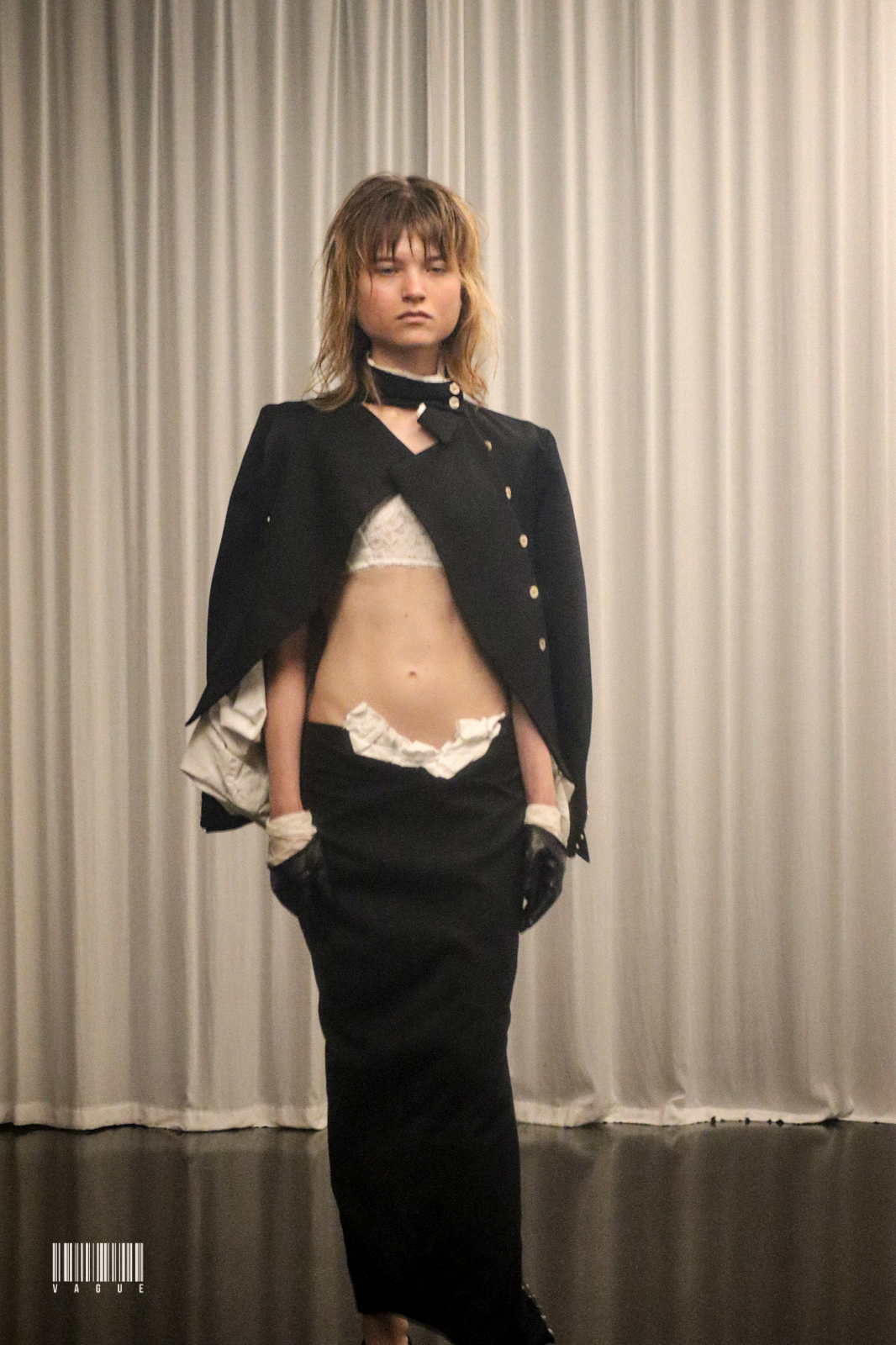
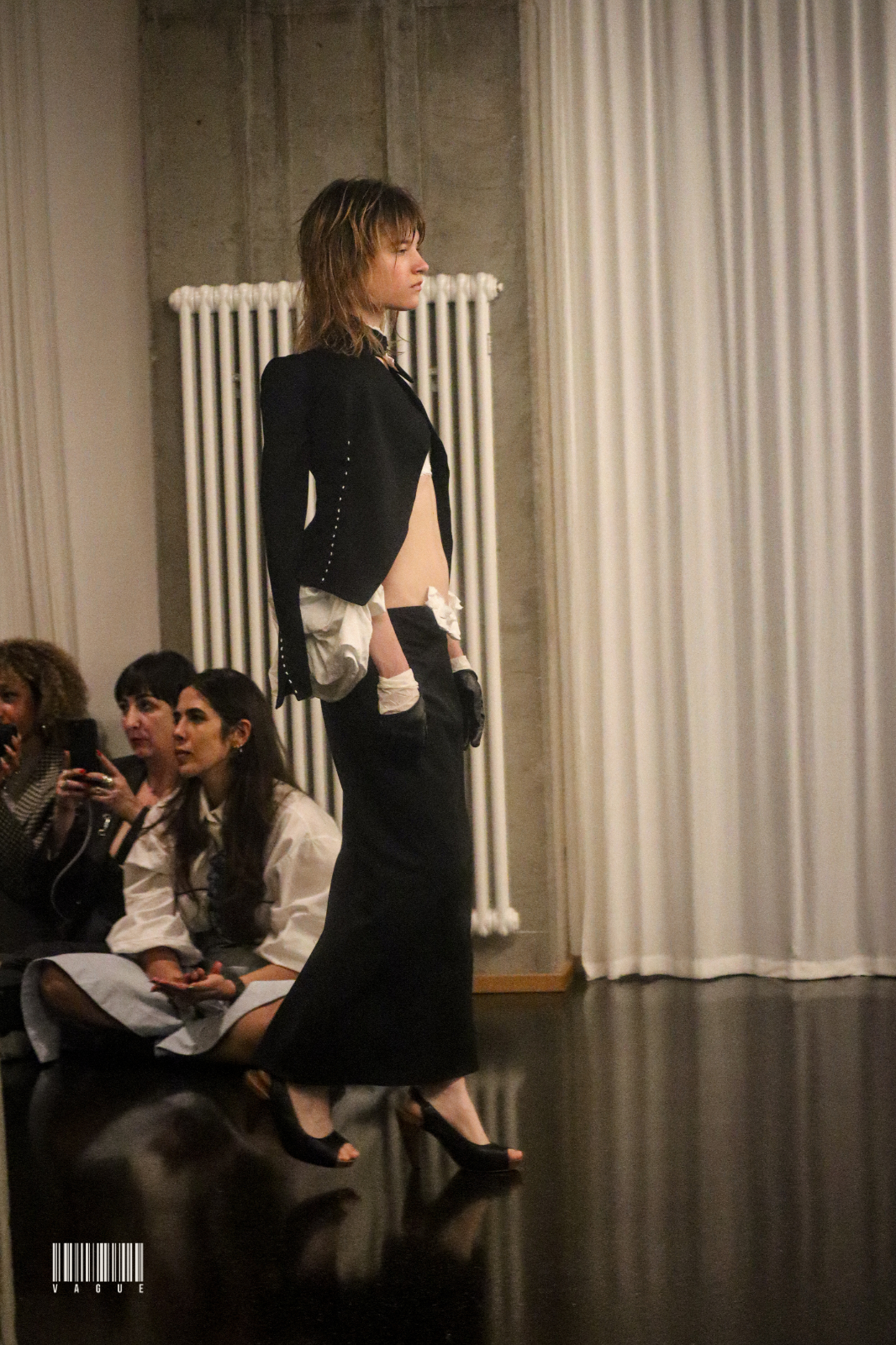
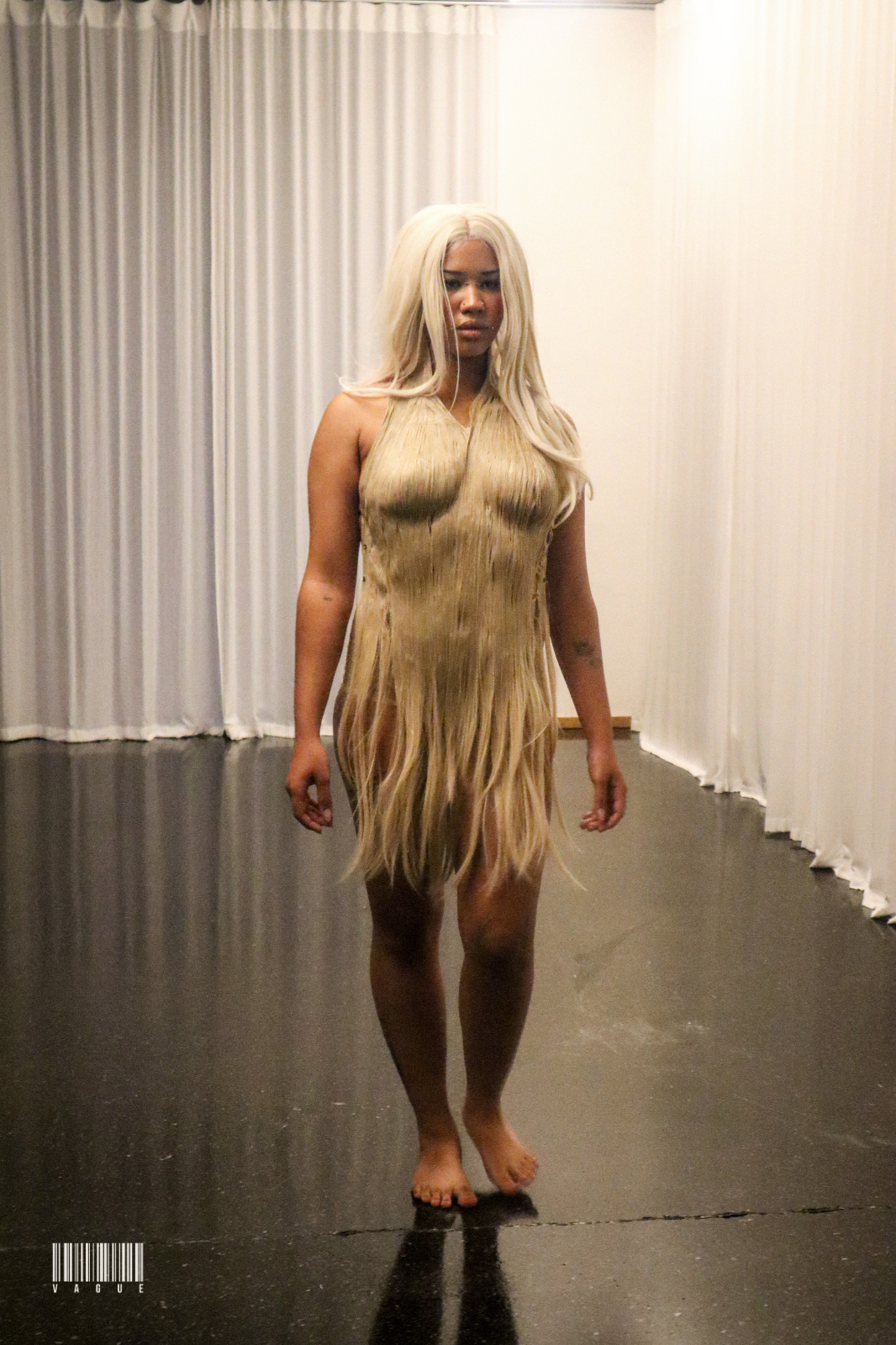
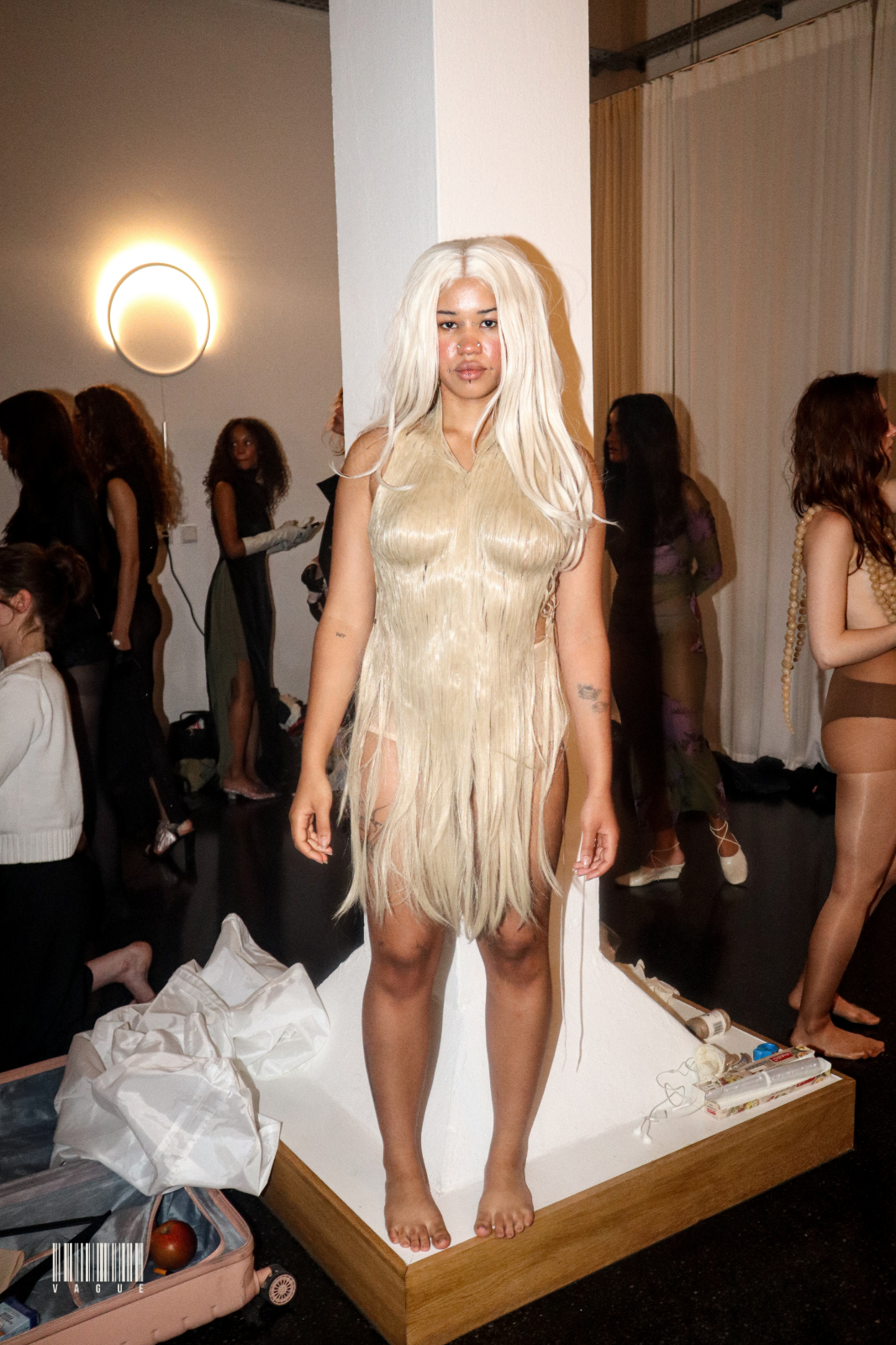
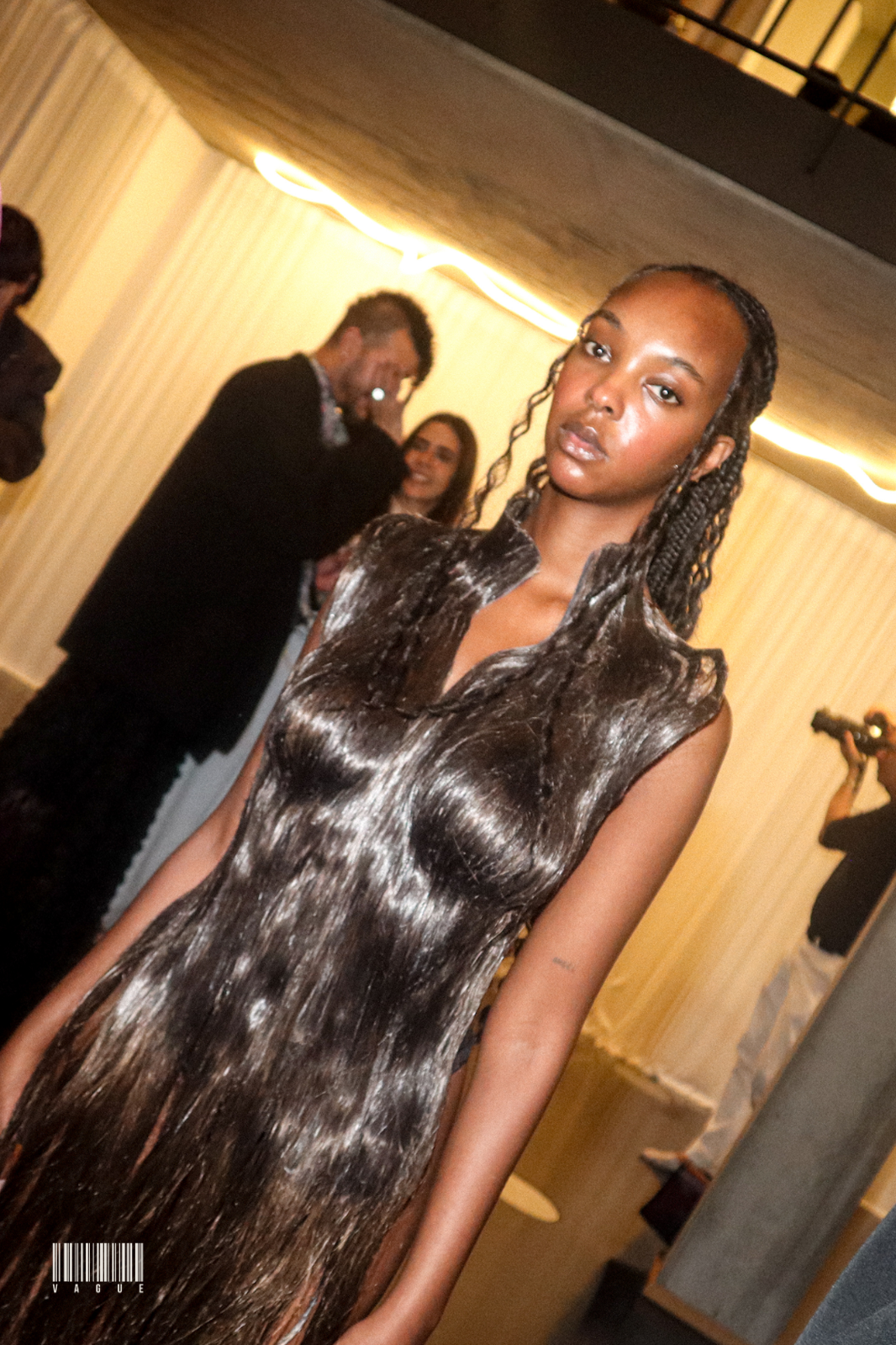
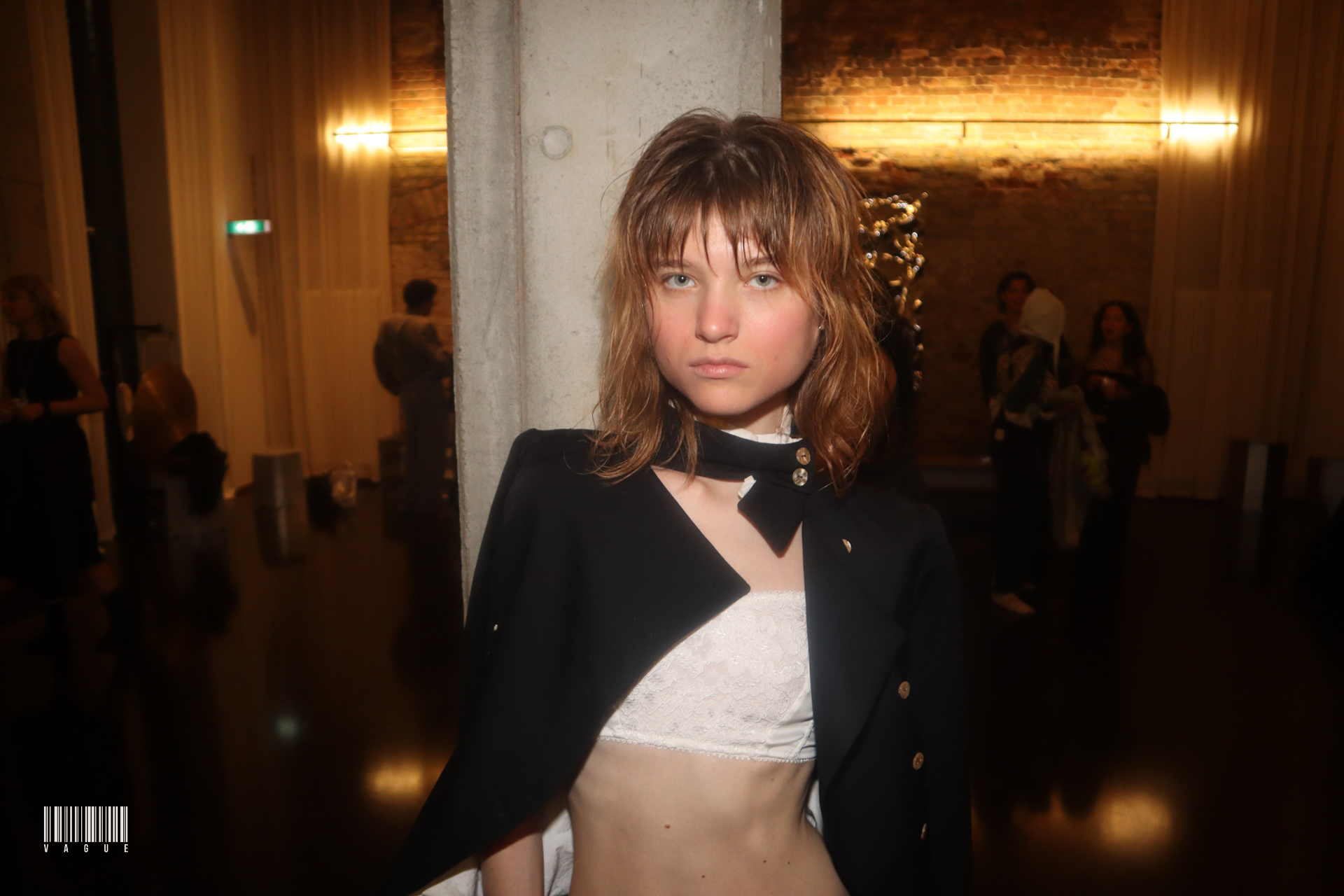
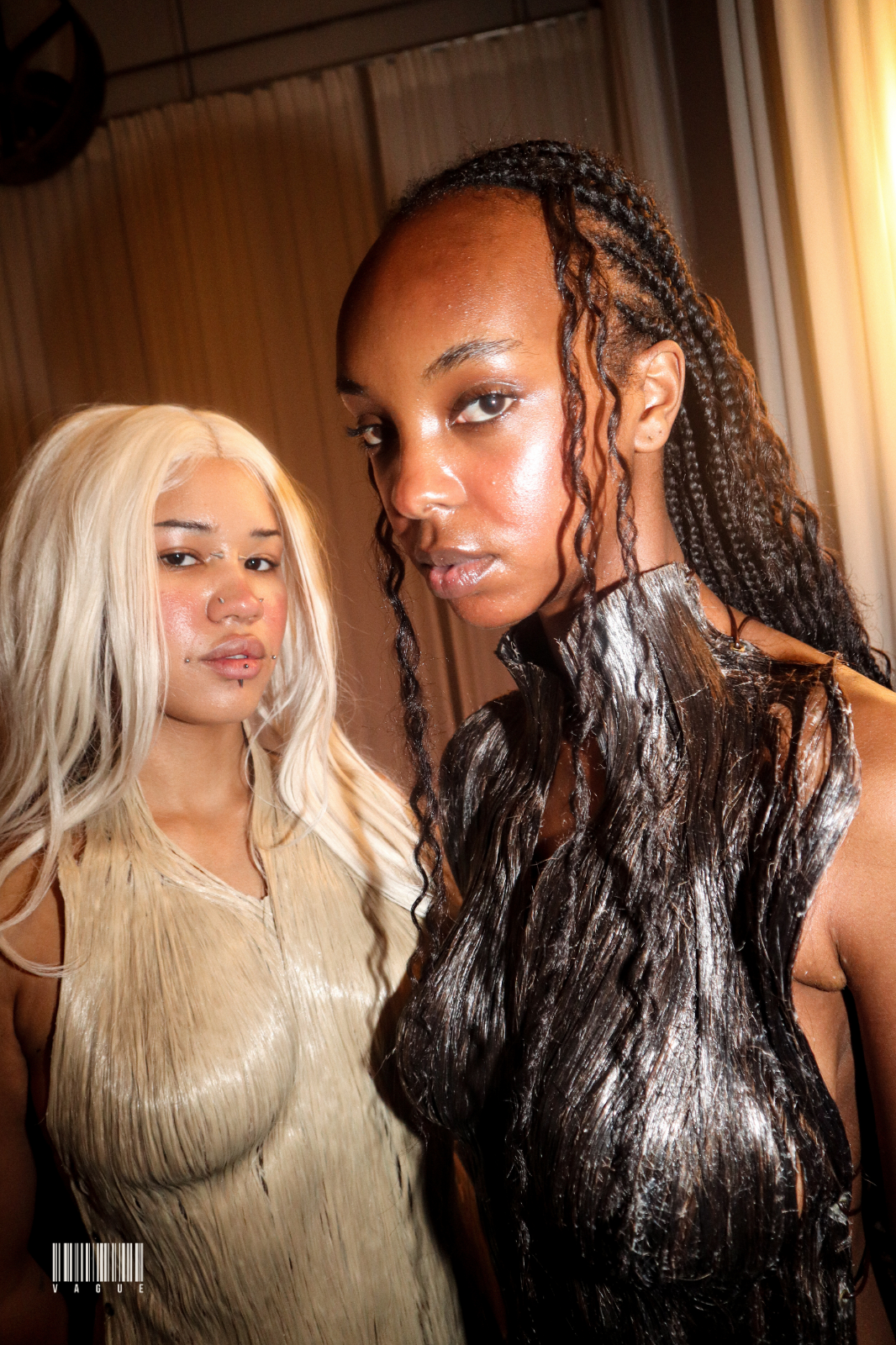
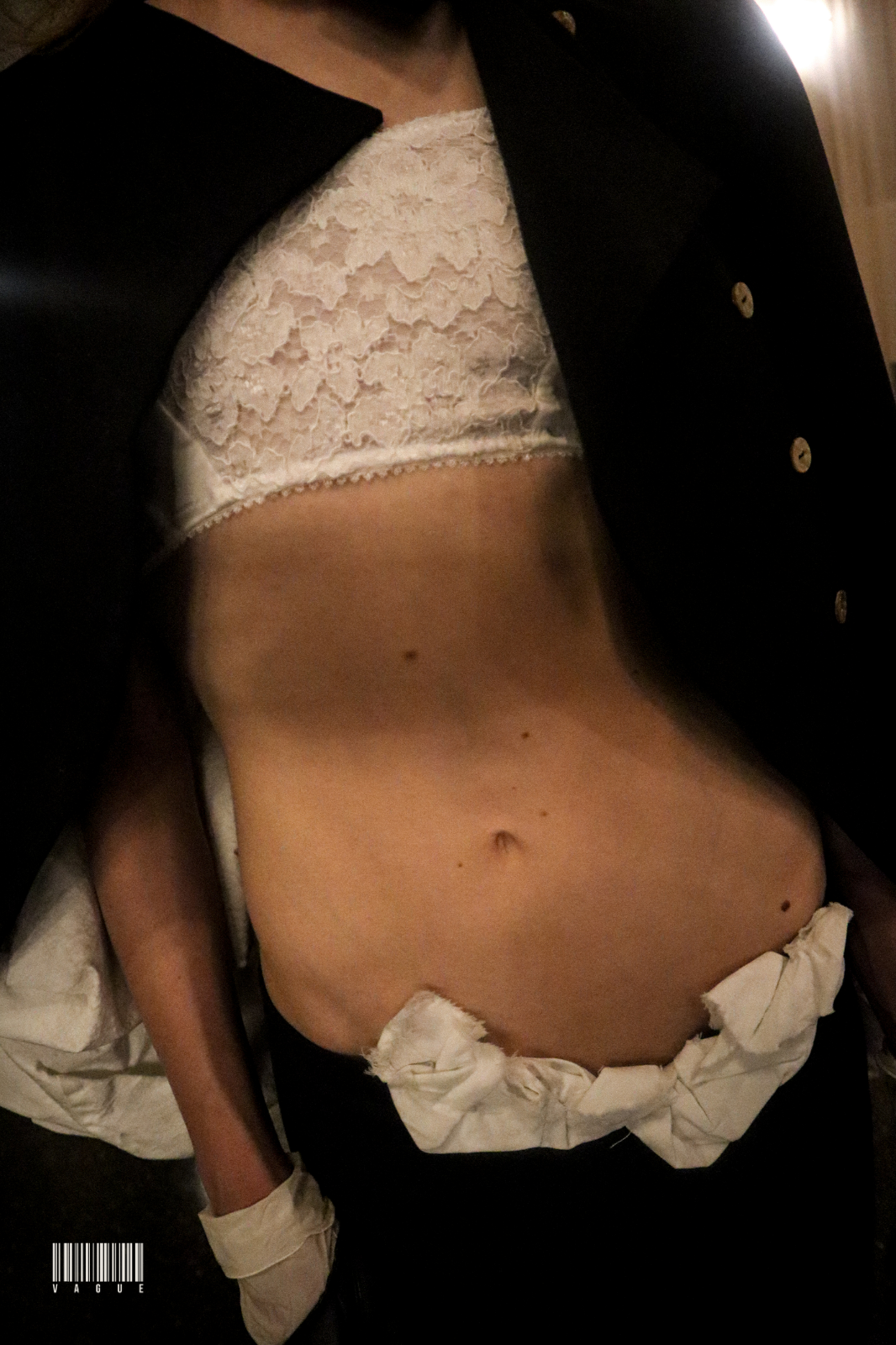
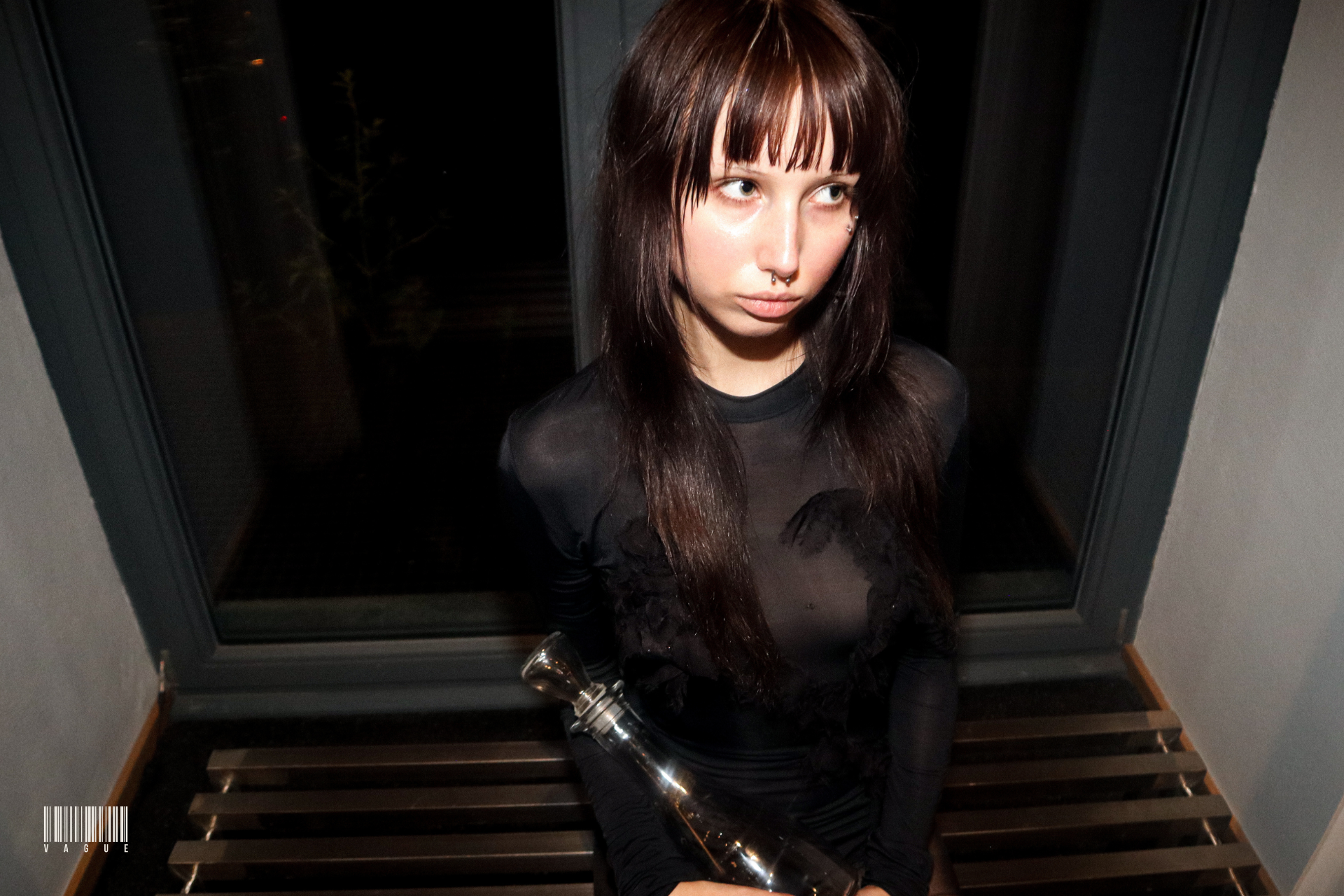
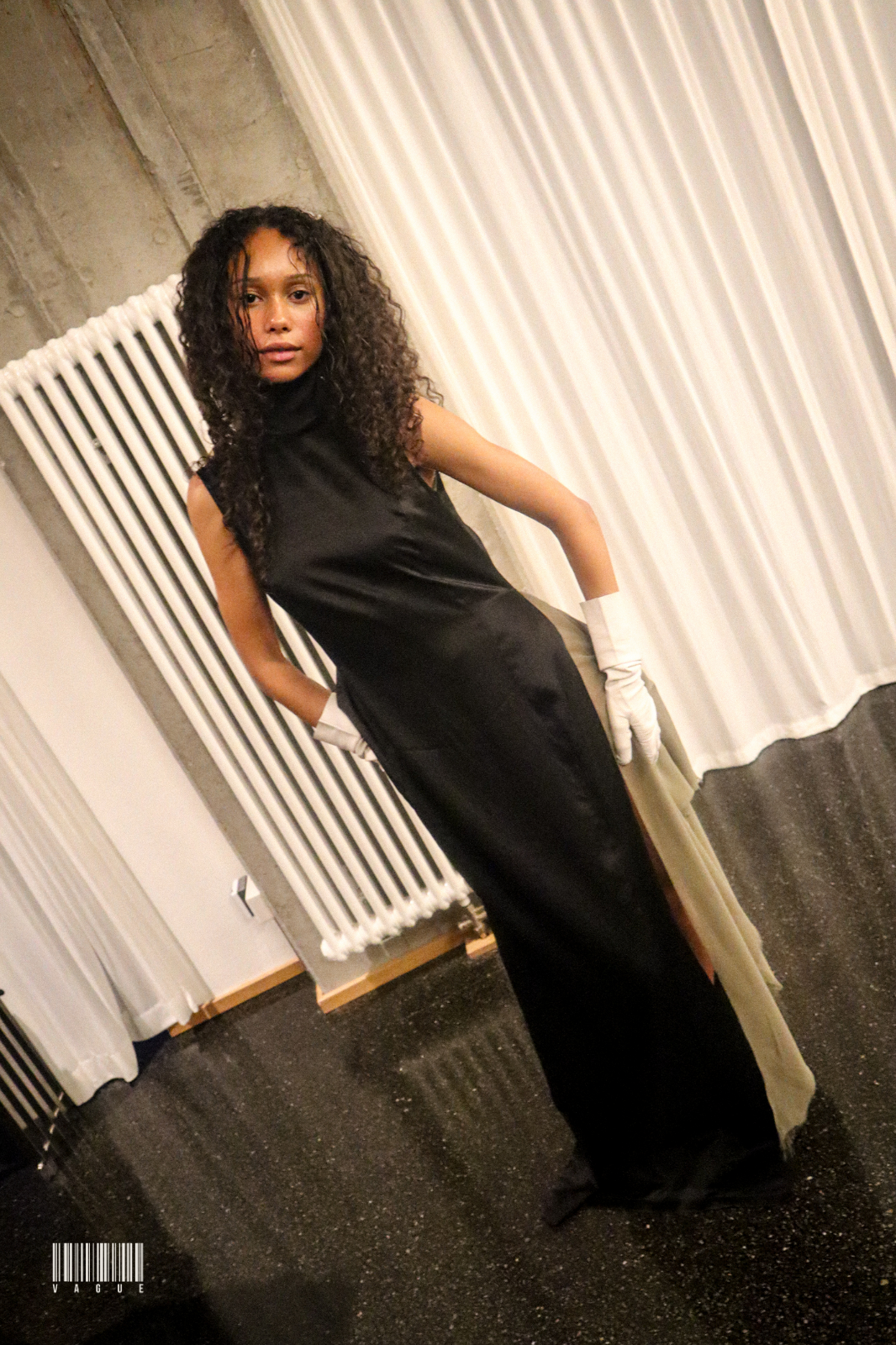
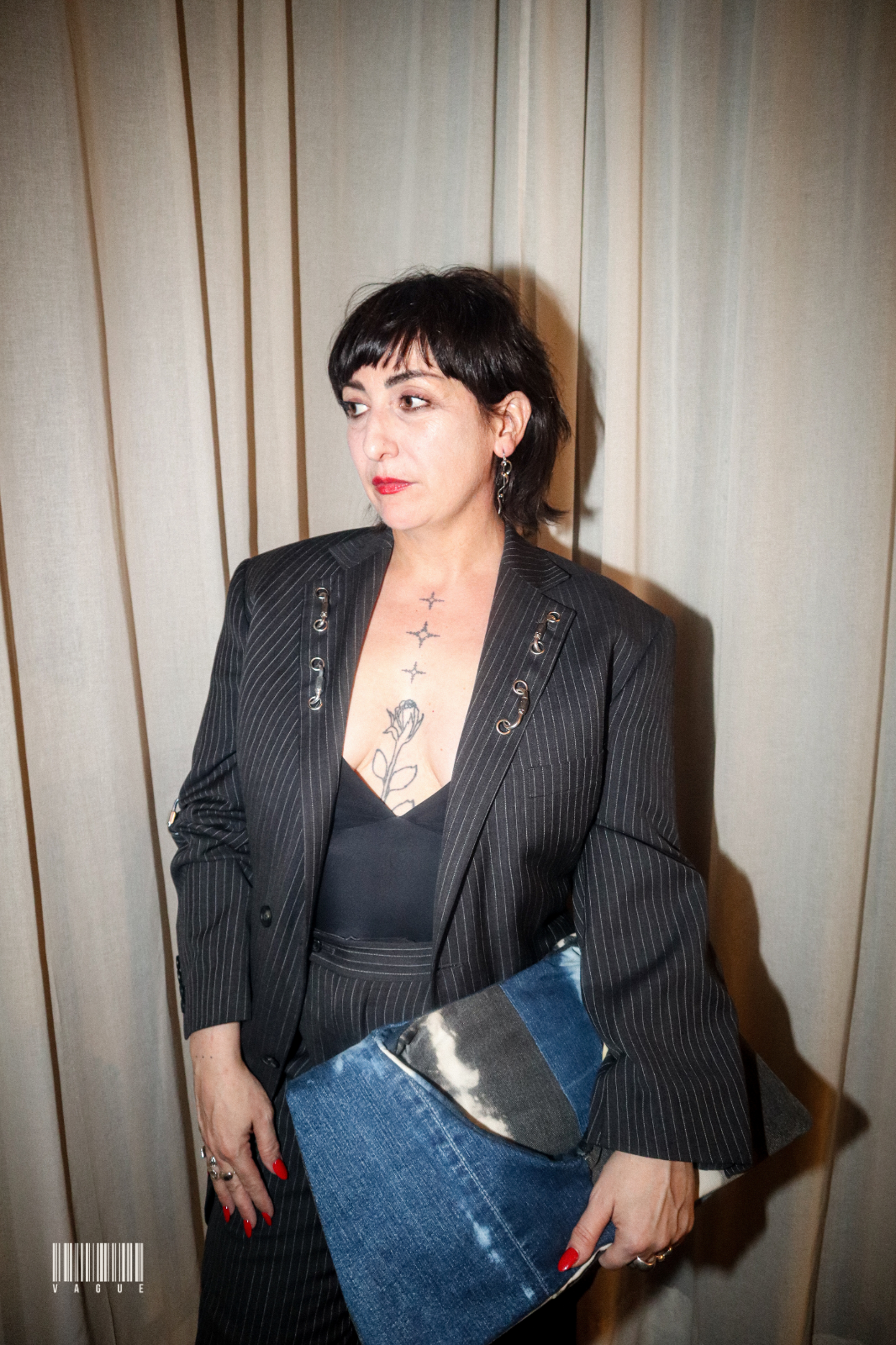
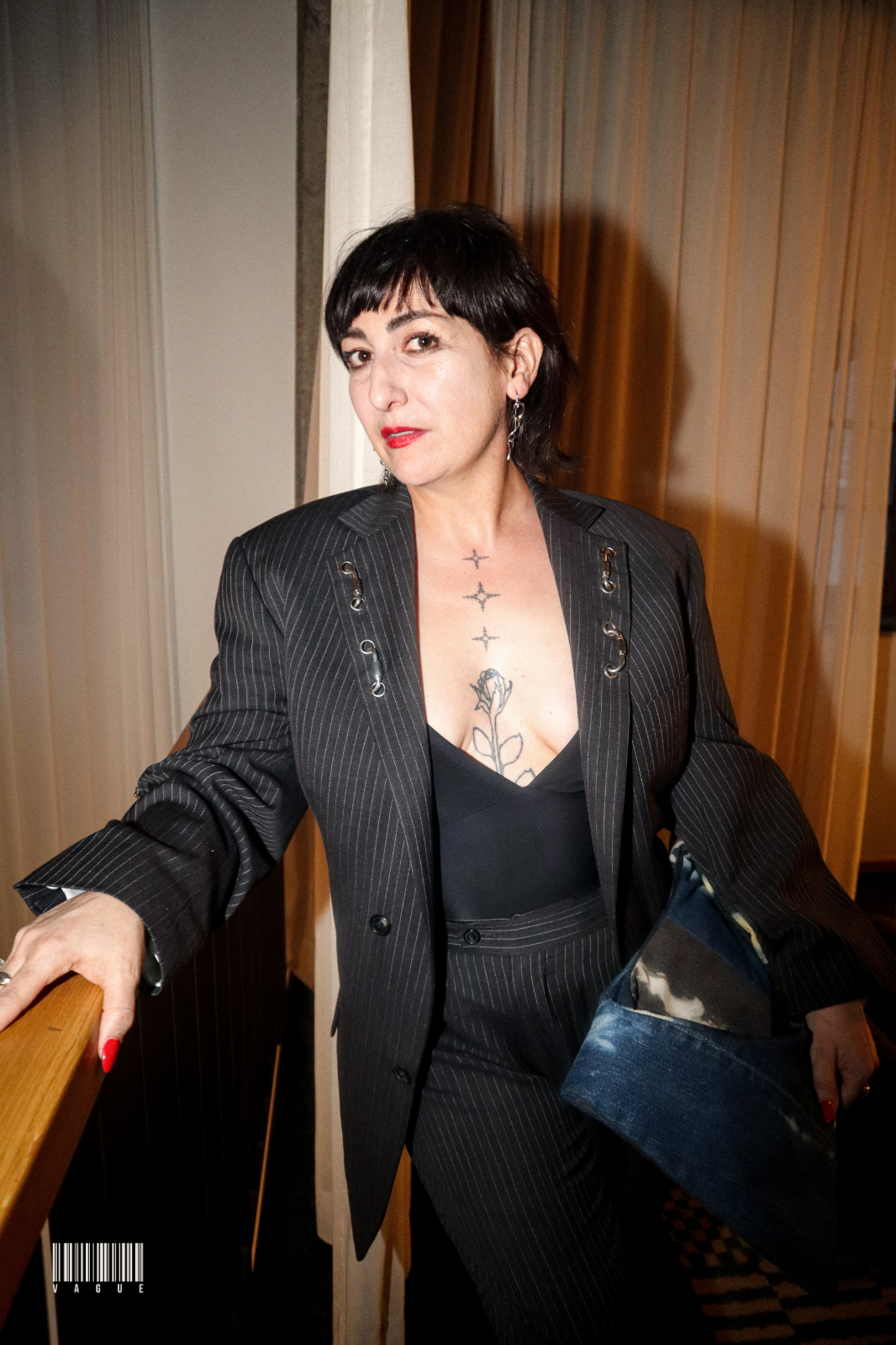
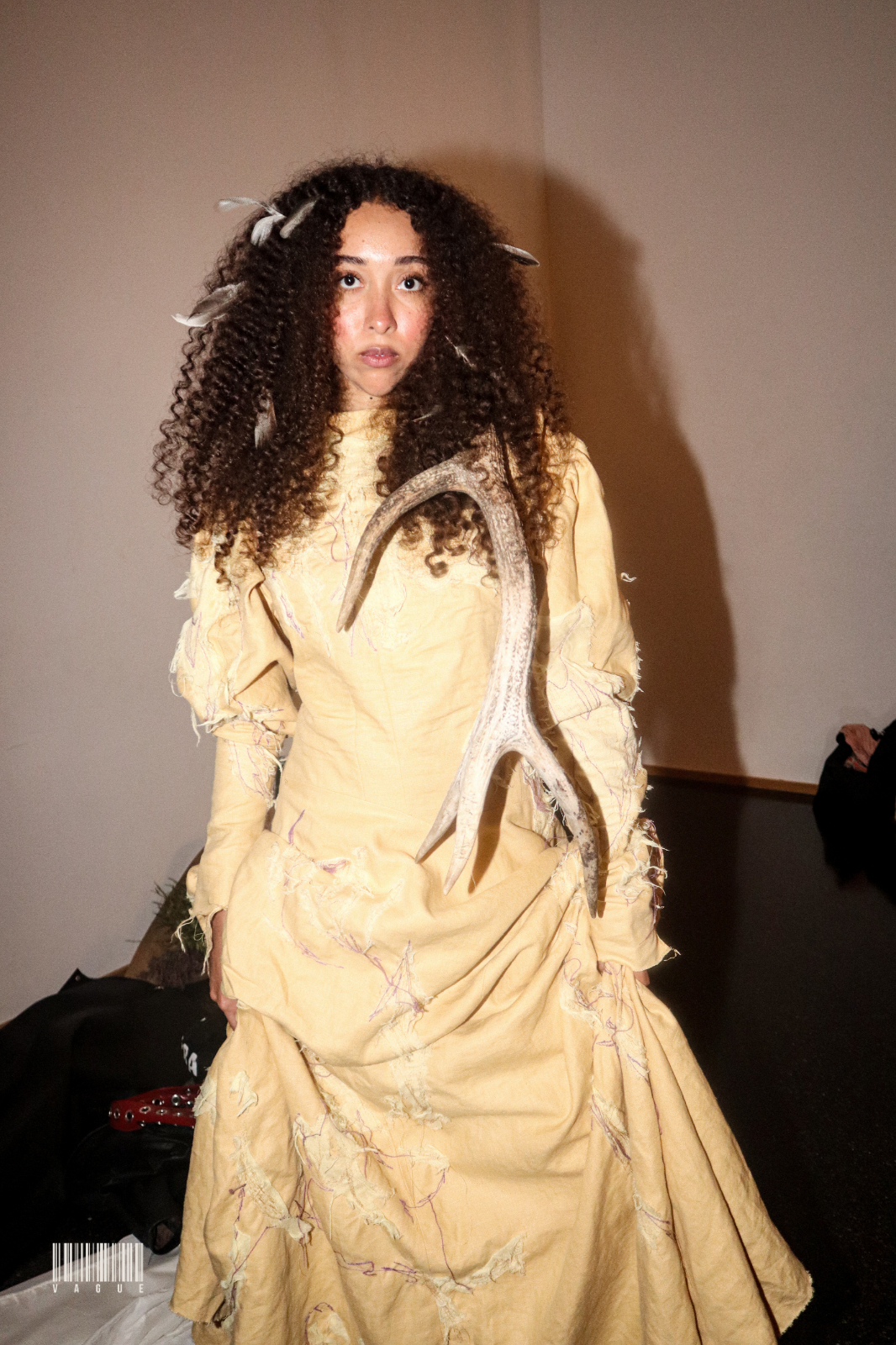
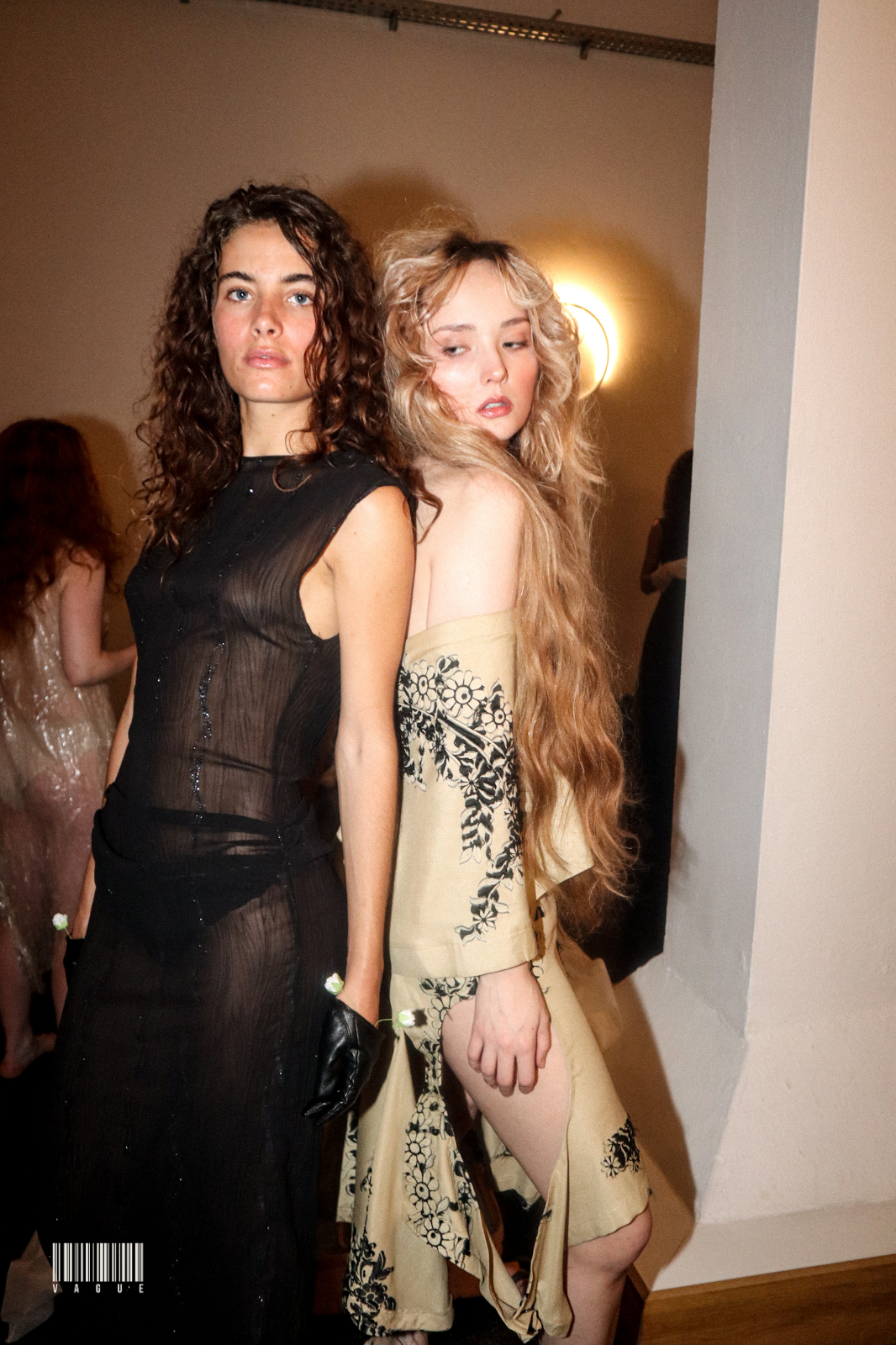
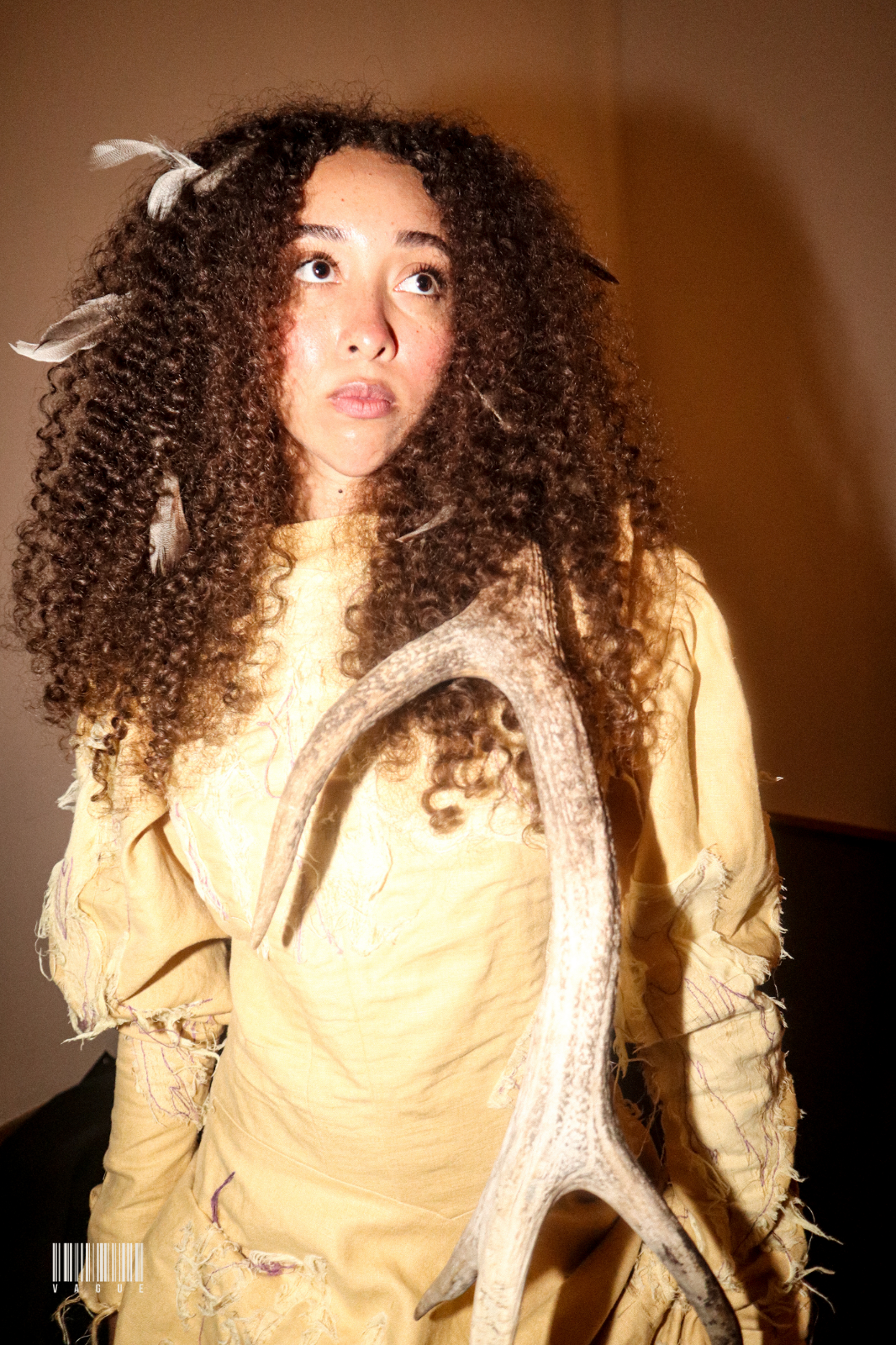
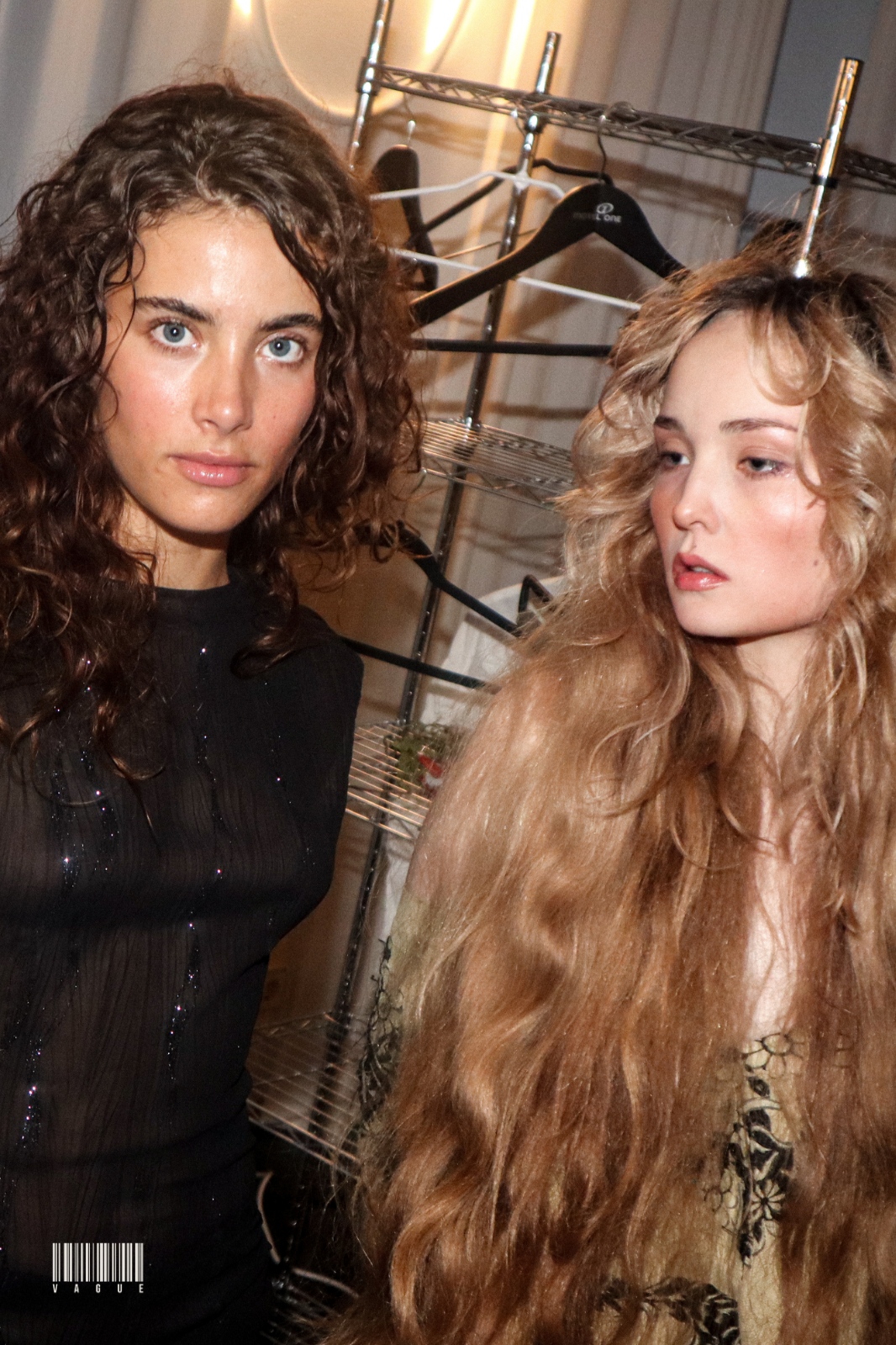
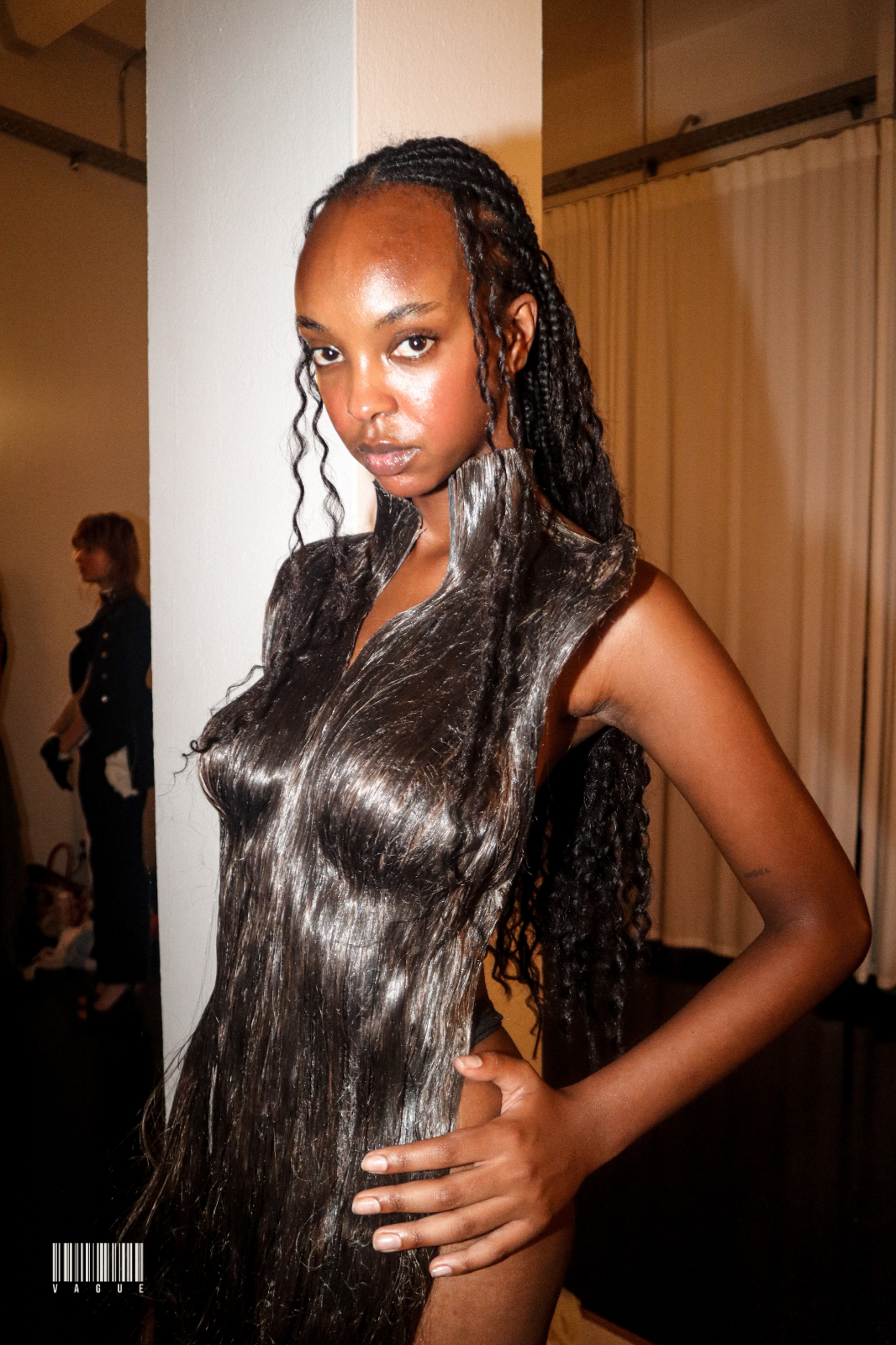
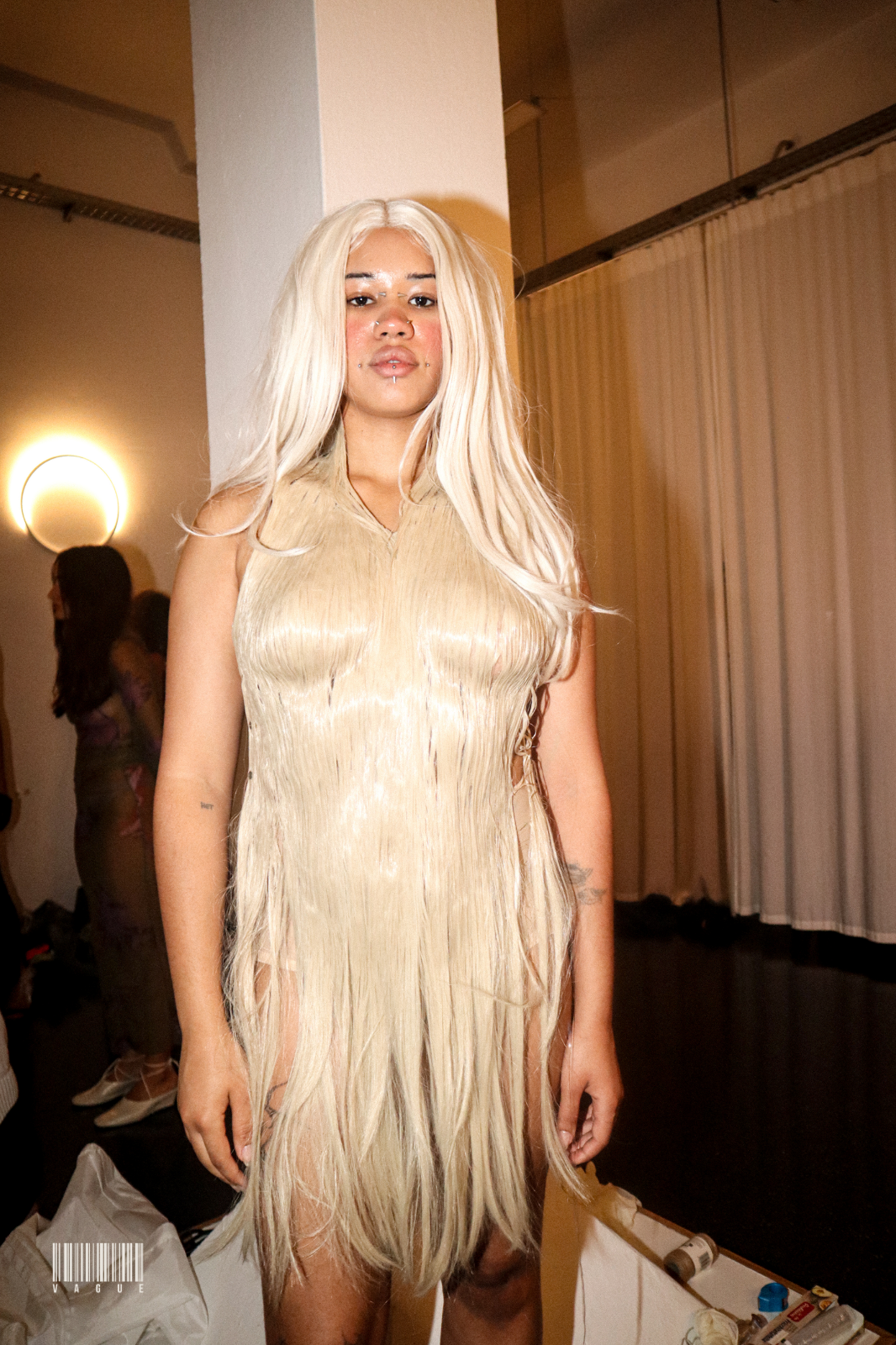
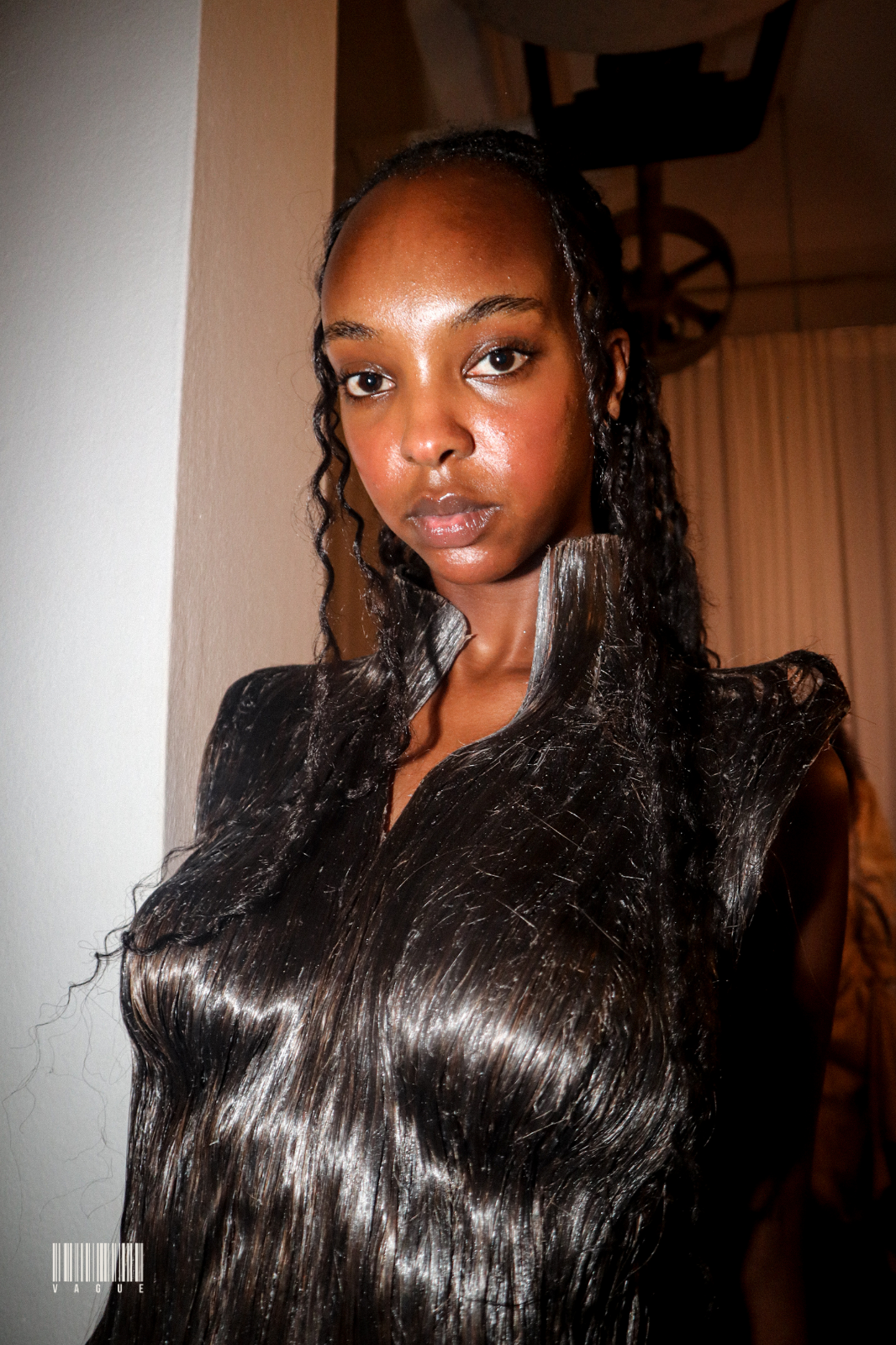
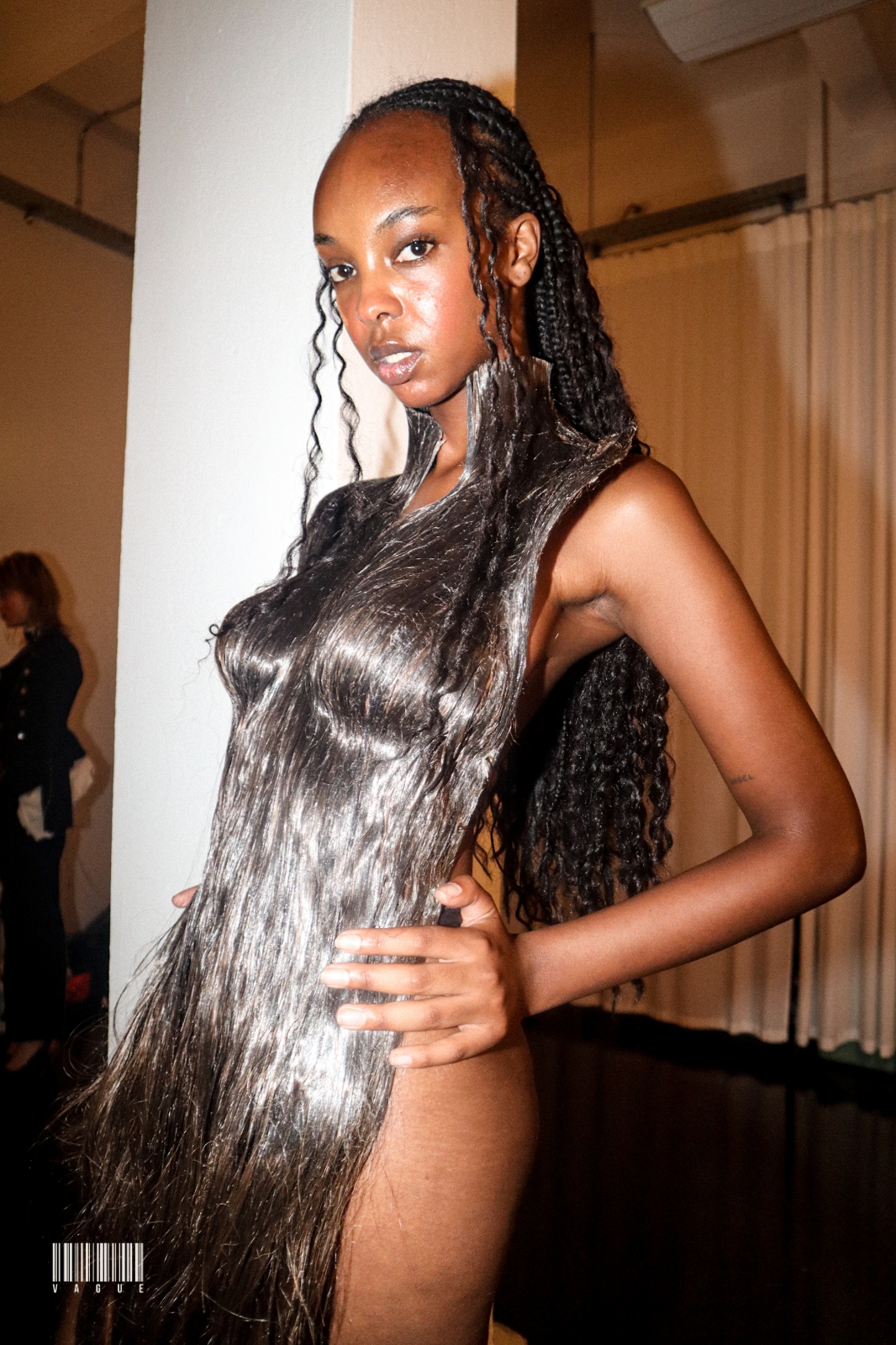
Tegin's pieces anchor the show's structural spine. The black tailoring — high-necked, controlled, fitted through the torso before falling in clean column lines — is armour but in a sort of oblivious fashion. Long black gloves extend the geometry of the silhouette down along arms that haven't touched anything yet. There's something quietly formidable about these looks: not innocence so much as capacity, a body that knows it is capable of choice without having made one yet. Gautamma’s Elizaveta Efimova however, opposes these defences. Born from a design philosophy in the grey area between reality and fantasy, the dramatic fringed dress is the show's most physically arresting piece: a mass of raw-edged, falling material that appears from a distance like animal pelt but up close as something far more uncertain. It asks to be touched, to be tested, to be understood through direct contact and an open mind. Its resistance to distance argues that knowledge is something you only get by getting up close and personal.
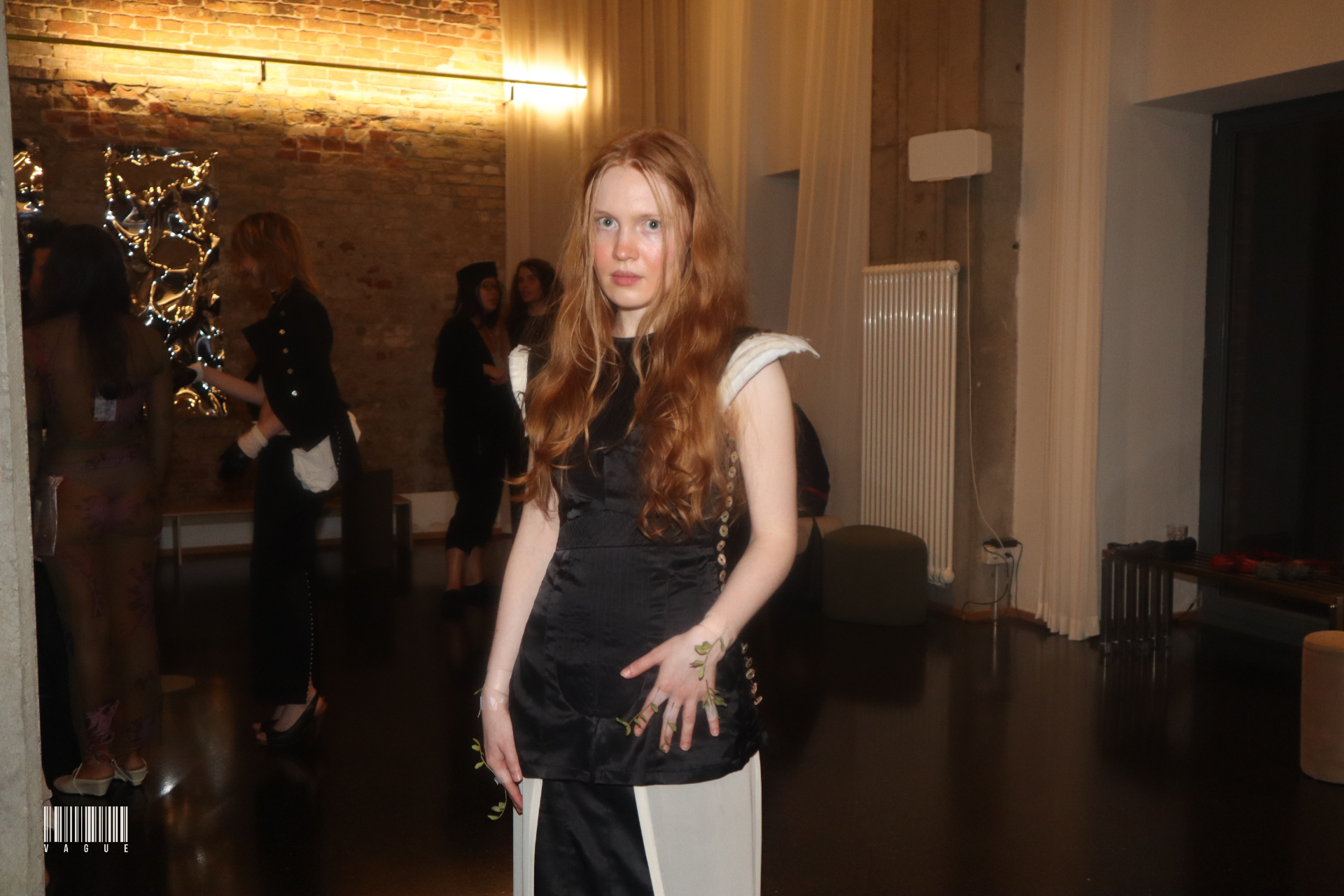
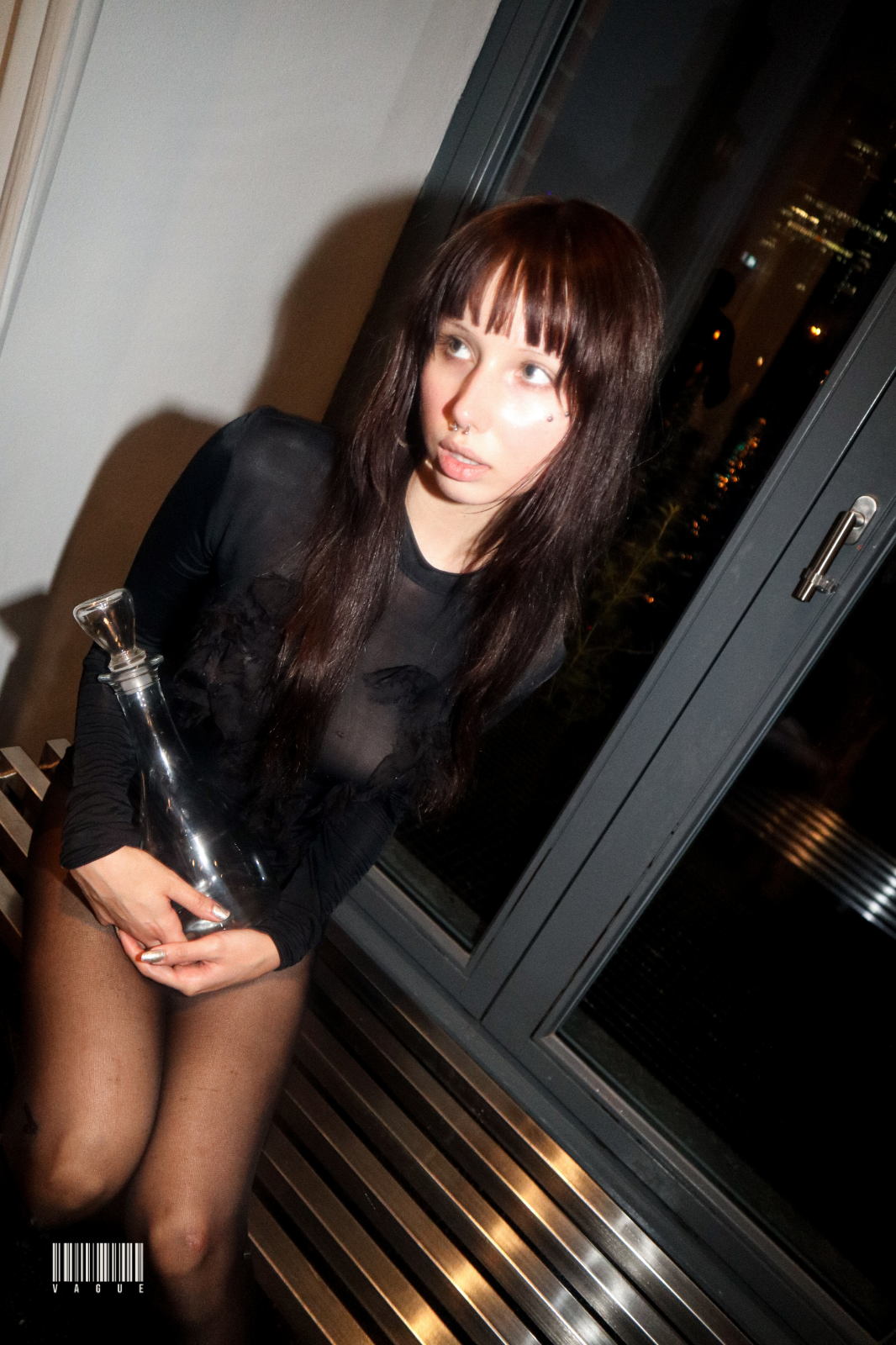
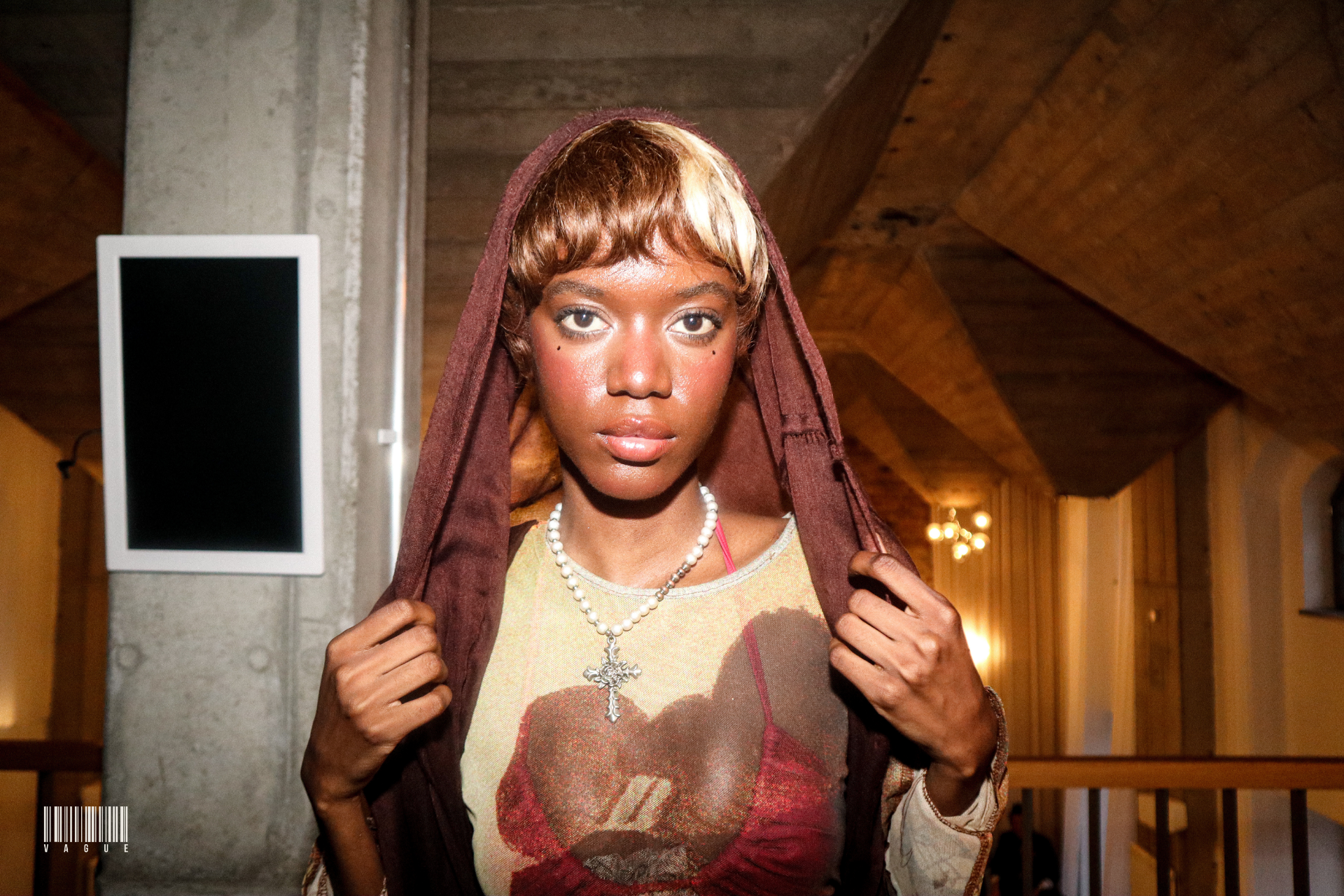
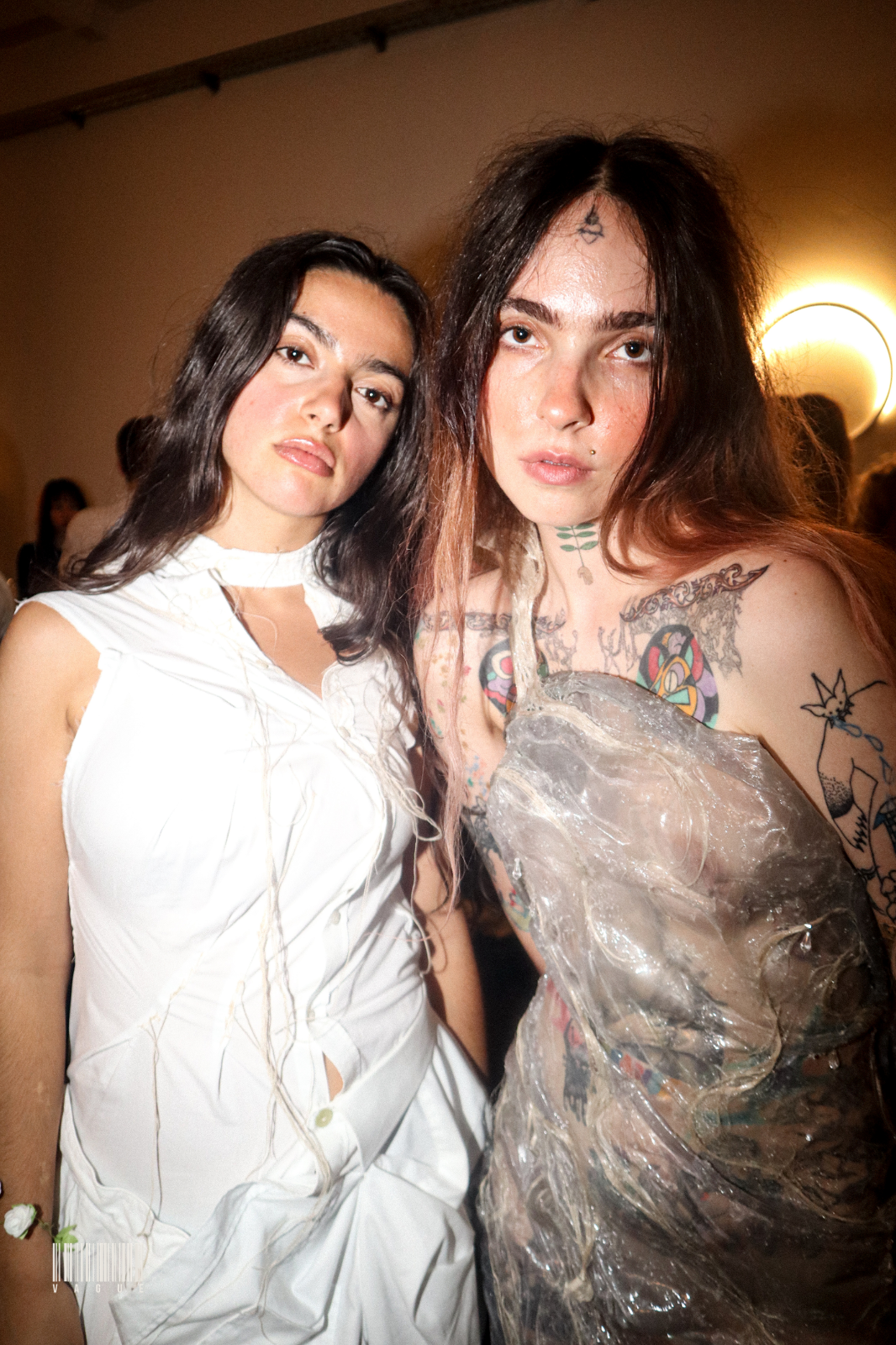
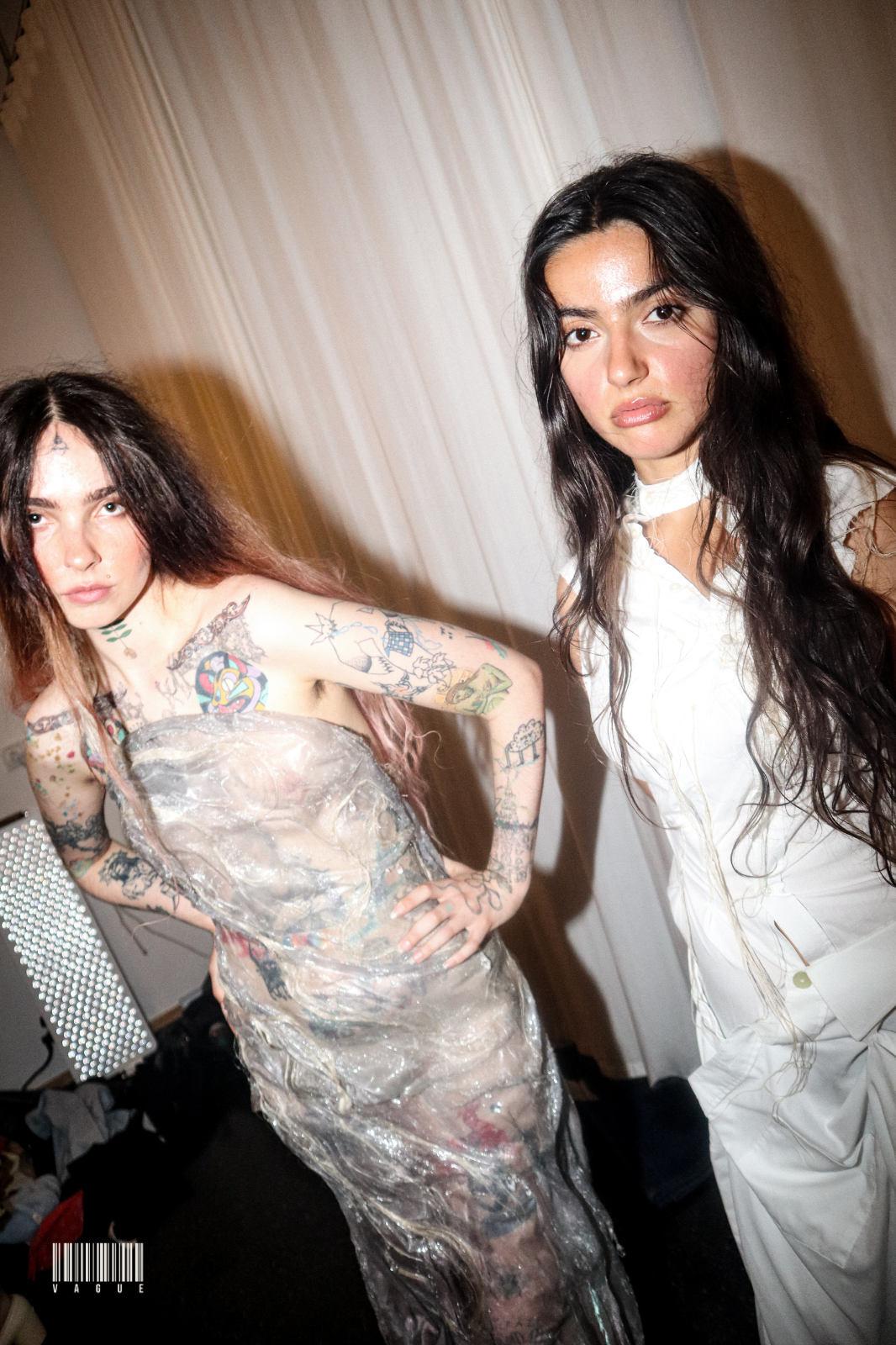
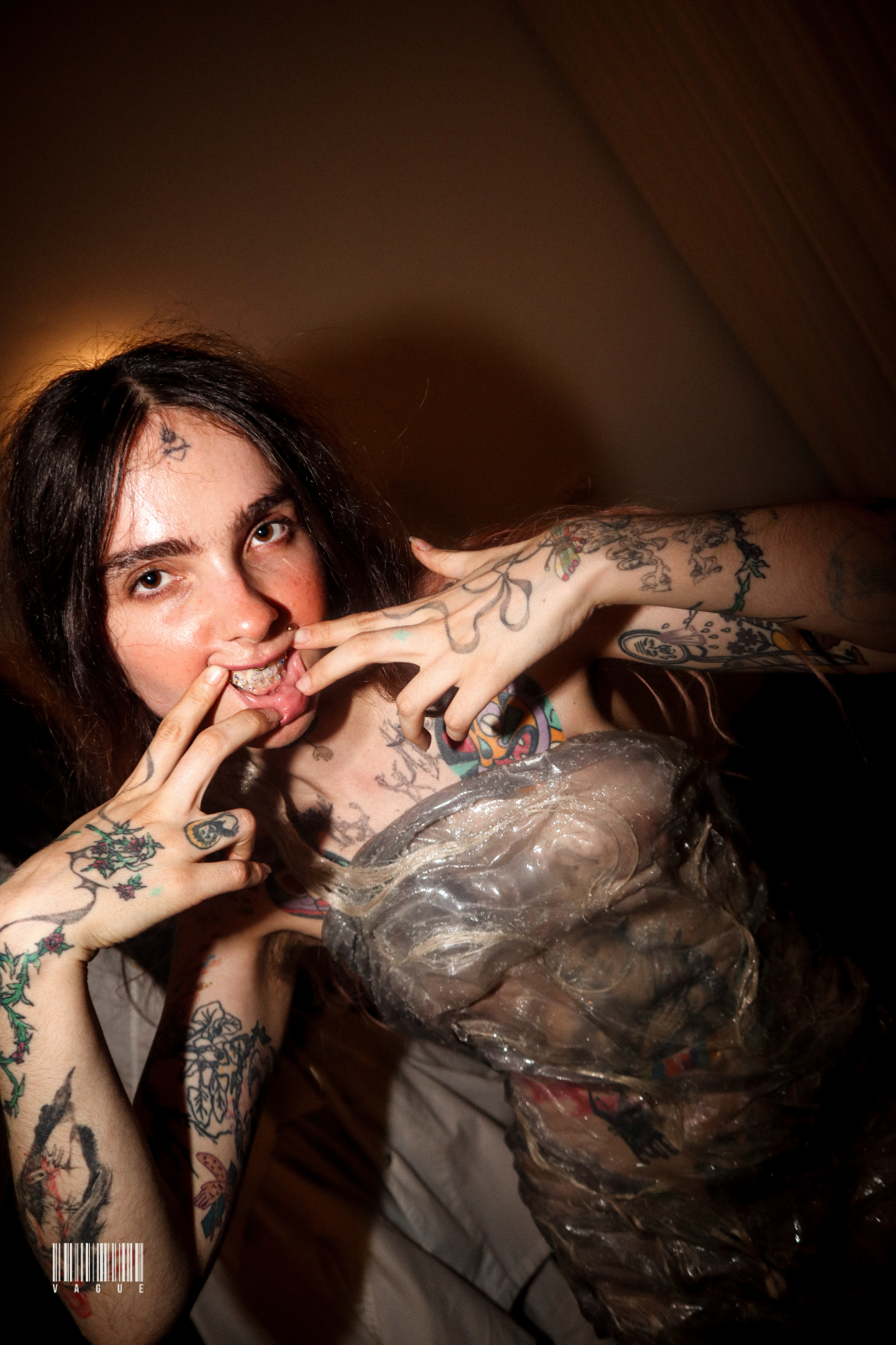
Pekarz, whose design practice at the Kunstuniversitat Linz centres on biomaterials derived from sodium alginate — dried algae pressed into wearable, cooling surfaces — brings the show's most literal connection to the natural world into its material vocabulary. With or without the apple, the body is a body still in conversation with the earth it came from. Pekarz's garments bring that conversation to life, literally. Meanwhile, J.A.I.W.’s Jasmin Wottke and Julie Ehme’s Julie Mouly–Pommerol together provide the show with its most vulnerable components: sheer fabrics, botanical prints embedded in transparent layers, surfaces that let the body show through without quite revealing it. Despite the distance between them, there's a shared appreciation for the scantily clad body that exists in the world without yet being defined by how said world perceives it.
Mouly–Pommerol, whose designs explicitly explore the relationship between nature and fabric — the brand’s Metamorphose collection framed nature as something that “inexorably attempts to reclaim its wild state” — brings an empirical formality to the floral and botanical motifs that recur through the show's imagery, proposing a vision of what the body looks like when it's made of something still living. Similarly, Wottke provides a temporal x-axis to the show's conceptual frame, working with deadstock materials, historical drapery and embroidery at what her collaborators have called “a snail's pace toward haute couture.” If the apple is the algorithm, and the algorithm's primary offer is speed with infinite scroll, frictionless access and a feed that never ends, then Wottke's method is the most direct rebuttal.
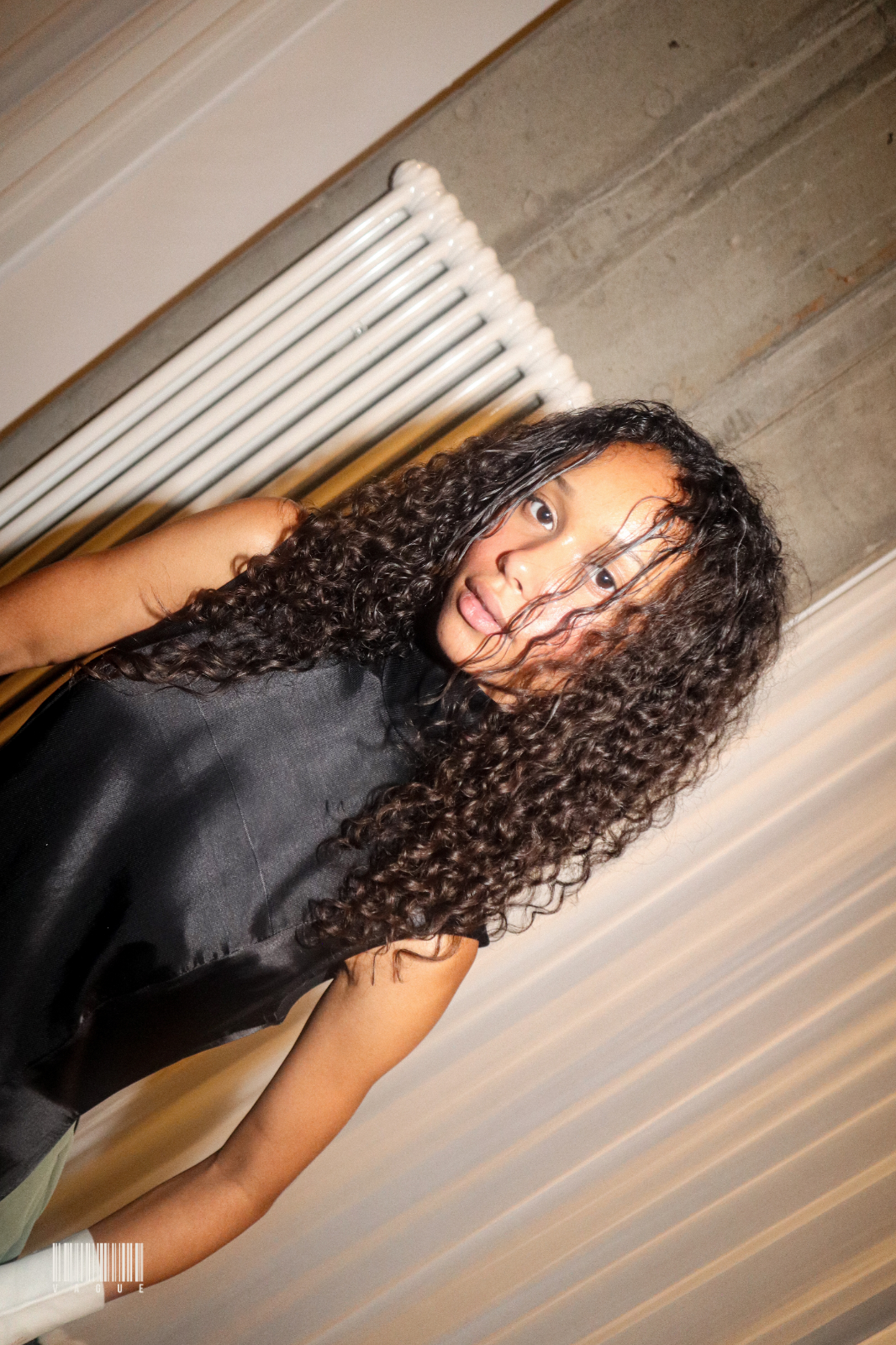
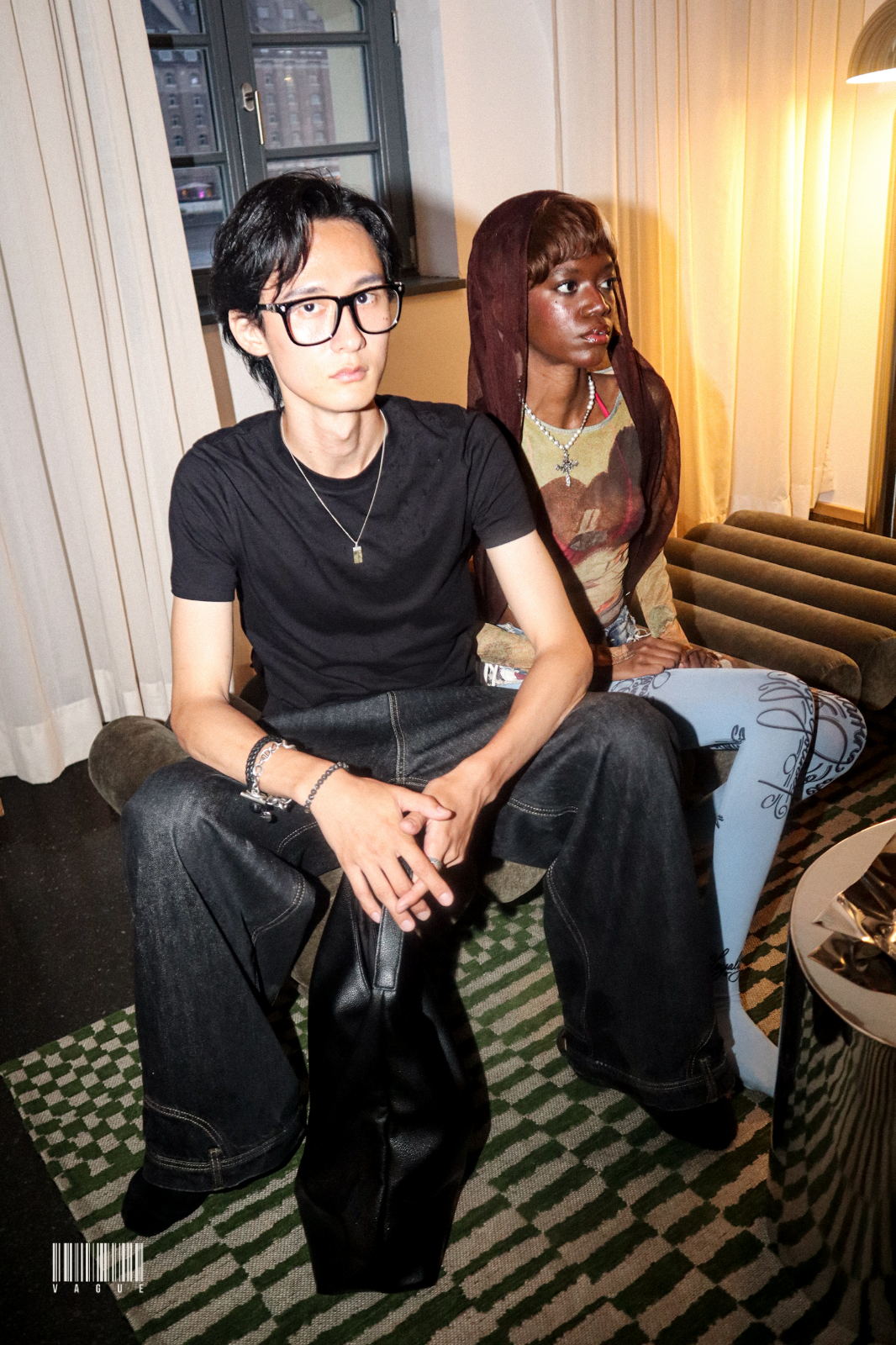
Styled by 17-year-old Ukrainian fashion wunderkind Nikita Kuzmych, these designs cascade through the waterfront studio in a stoic procession of arboreal creatures, uninterrupted by the fanfare of typical brand-first group shows and stripped of any moral framing. It is simply the moment of Eve’s first act of agency, witnessed as a desire for understanding. A similar kind of audacity one might find in the show’s production itself, fronted by a modelling agency whose primary role at a fashion show is to provide bodies as vessels for a fashion house’s narrative du jour. In Eden, ANTISUPERMODEL is both vessel and deity, curating designers to dress its characters in garments even more laden with meaning in the pull of its gravitational centring. This sense of agency is also the very same quality that the digital age today has commodified, packaged and sold back to us in the form of personalised feeds that claim to know what we want before we do. In this case, the apple that cannot be un-eaten is the moment you open the app. The knowledge you cannot un-know is what the algorithm has already learned about you. And your expulsion from the garden is the point at which your attention becomes someone else's asset.
Fashion shows are, by nature, declarative: look, this is what is happening, this is where we’re up to as a label. But Garden of Eden does not preach about the duality in these two narratives, apple and internet; it simply holds up a mirror to the resemblance, ironically refusing the temptation to judge or conclude.
But the apple has indeed been eaten. So good or bad, VAGUE and ANTISUPERMODEL will continue this conversation. This show is only the beginning.
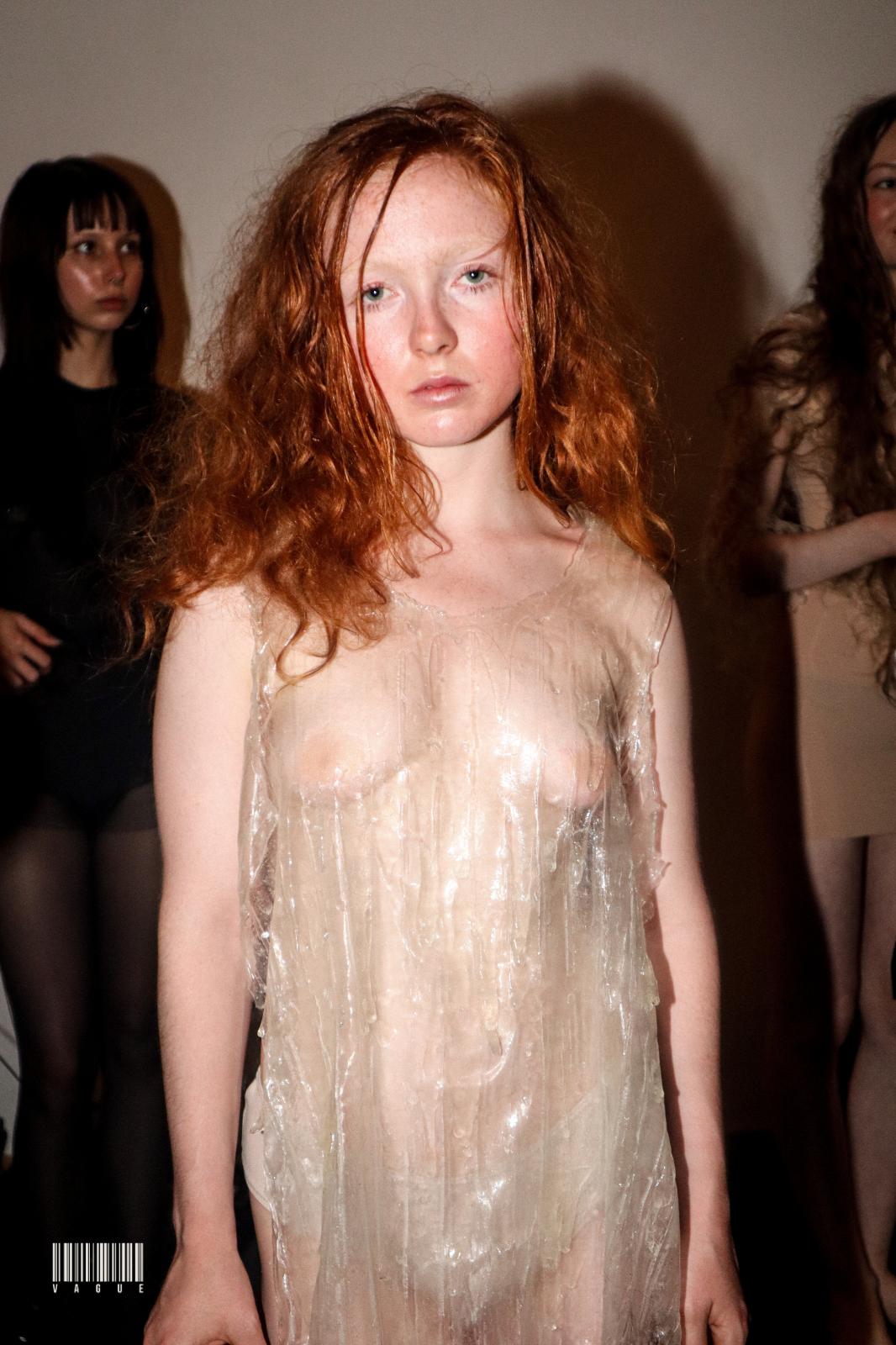
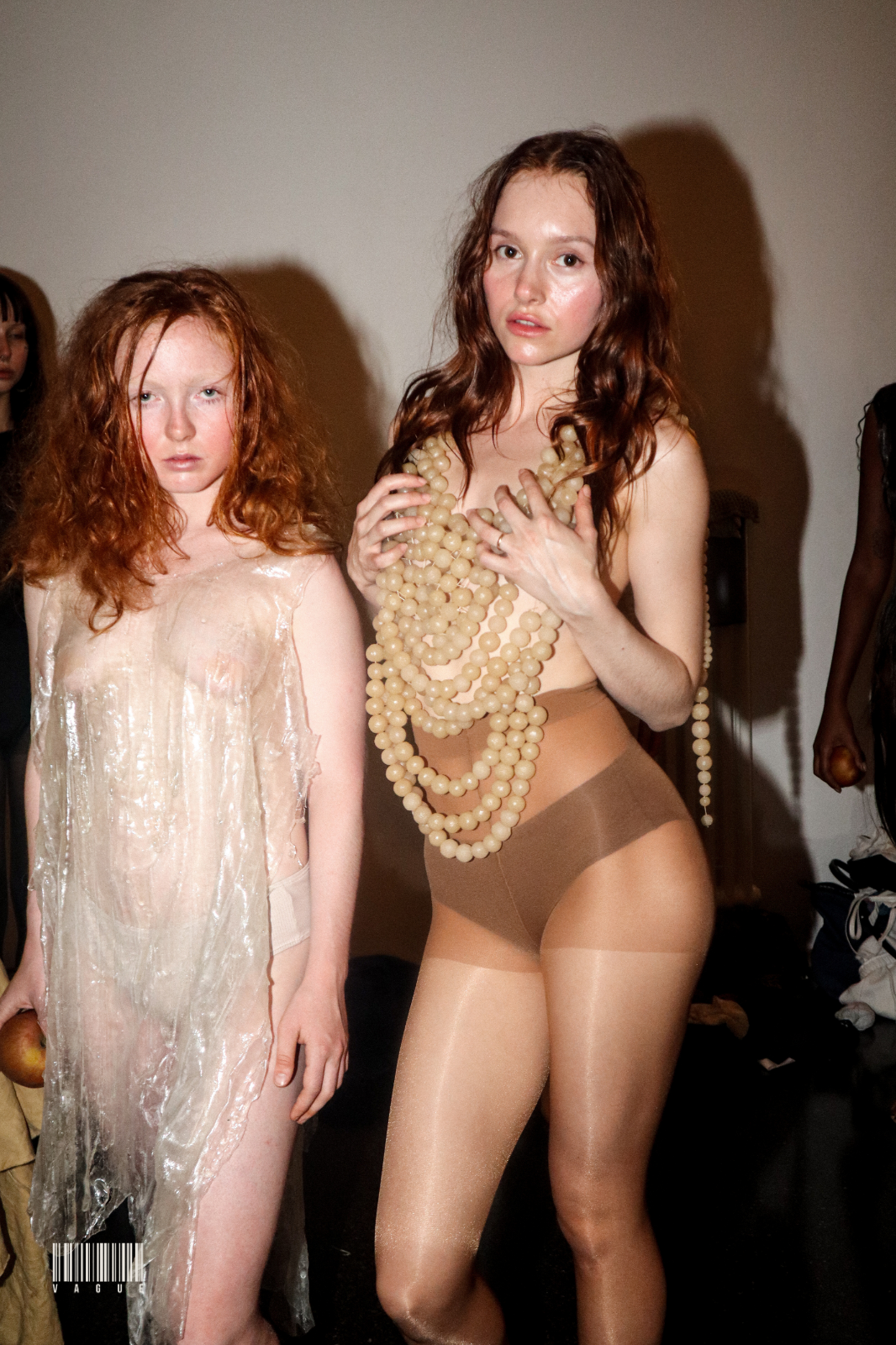
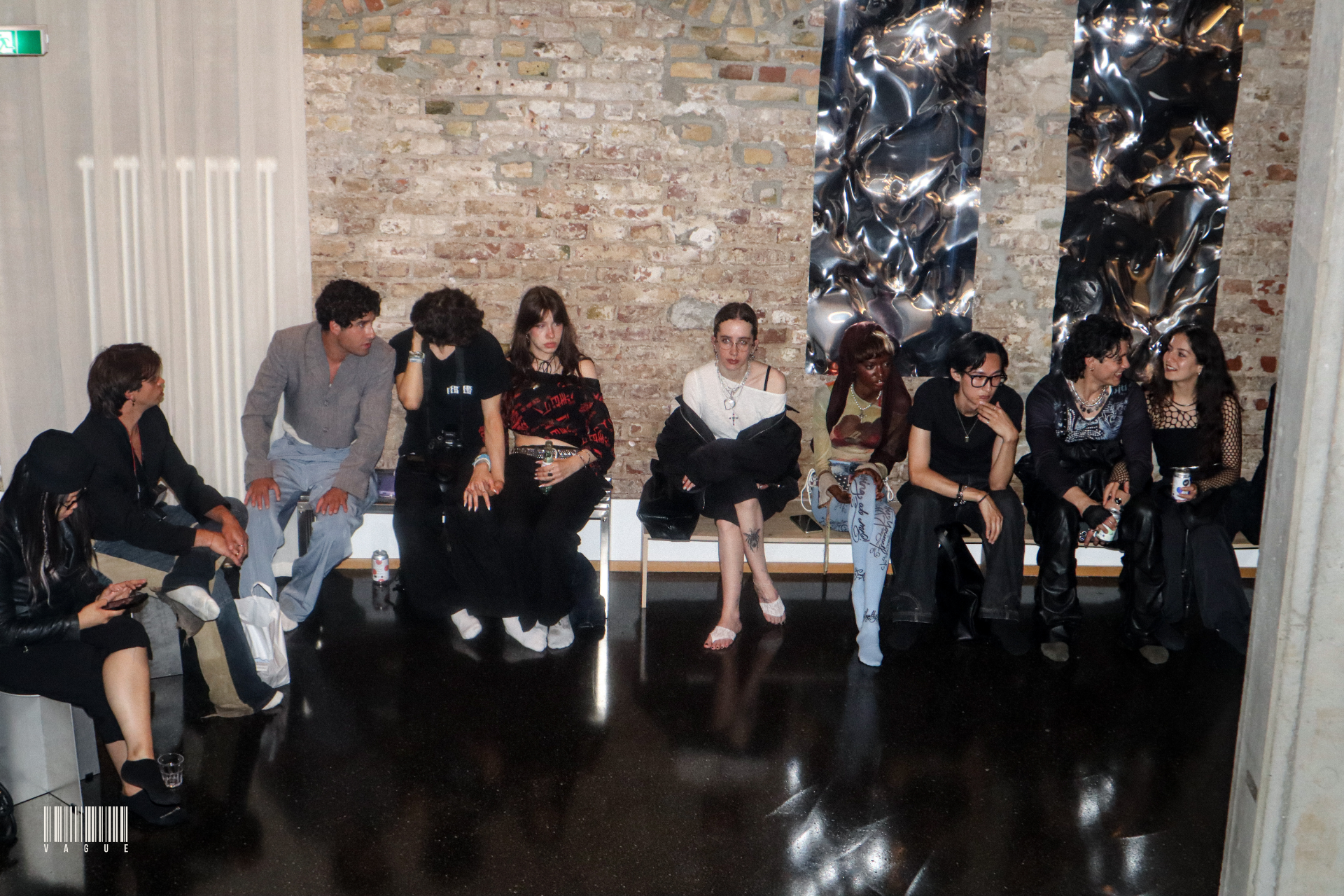
production
faces — dariia boiko, klara korinkova, linda, morgana montes, oceane
creative direction — sophie mashraki
styling — nikita kuzmych
make-up — remus florin
casting — ANTISUPERMODEL
threads — alisa tegin, gautamma, hannah pekarz, J.A.I.W., julie ehme
press — karina so. (VAGUE)
credits
words — karina so.
photography — noelie kokou
design — gloria ukoh
media production — VAGUE